Hiking in the Sierra Norte of Oaxaca is my kind of day. You’ll travel out of the city, climb to cooler pine-oak forest heights, and spend hours moving through changing microclimates at about 2,800–3,100 meters. The guide (Luis Fernando) brings the area to life with stories about plants, wildlife, and fungi, and you’ll get route options based on your level. I especially love the mix of real outdoor work plus serious local food, and I also like that your small group stays capped at 8 travelers so you’re not lost in a crowd.
One thing to plan for: the “short” option can still feel like a hike, not a stroll. In practice, some groups may hike around the first leg rather than a truly minimal distance, and timing can run long from the 8:00 am breakfast. If you’re sensitive to heat or you want precise distance control, confirm your exact route with your guide before you relax your expectations.
In This Review
- Key highlights you’ll actually feel
- From Oaxaca City to Cuajimoloyas: a drive that sets the tone
- Breakfast in Cuajimoloyas, then the trailhead near Benito Juárez
- Pine-oak forest hiking at 2,800–3,100 meters: microclimates are the point
- Choosing your distance: short, intermediate, or long, plus pacing reality
- Altitude and weather: pack smart for Sierra Norte days
- Food is not an afterthought: breakfast, then lunch/early dinner in mountain towns
- Luis Fernando’s guiding style: plant talk, mushroom hunts, and confidence on steeper bits
- What’s included for $161.30, and why the value can make sense
- Who should book this Sierra Norte hike?
- Should you book this Oaxaca hike?
- FAQ
- How long is the hiking experience?
- What time does the tour start?
- Where do we meet and where does it end?
- What hiking distance options are available?
- What level of fitness do I need?
- How big is the group?
- Is the tour offered in English?
- What’s included in the price?
- What should I bring for rainy season (June–Oct)?
- What should I bring for dry season (Nov–May)?
- What is not included?
Key highlights you’ll actually feel
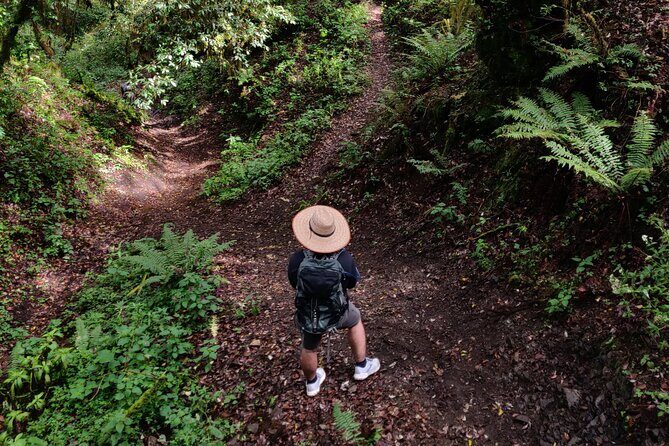
- Luis Fernando’s nature and culture talk: plants, mushrooms/fungi, and local uses with clear English
- Pine-oak forest at high altitude: you’ll notice cooler air and frequent elevation changes
- Route choices: short (2–5 km), intermediate (5–12 km), long (12–25 km) based on you and the group
- Food is part of the day plan: breakfast plus a second mountain-town meal after the hike
- Small group size: max 8 travelers, plus private transportation and entry fees handled
From Oaxaca City to Cuajimoloyas: a drive that sets the tone
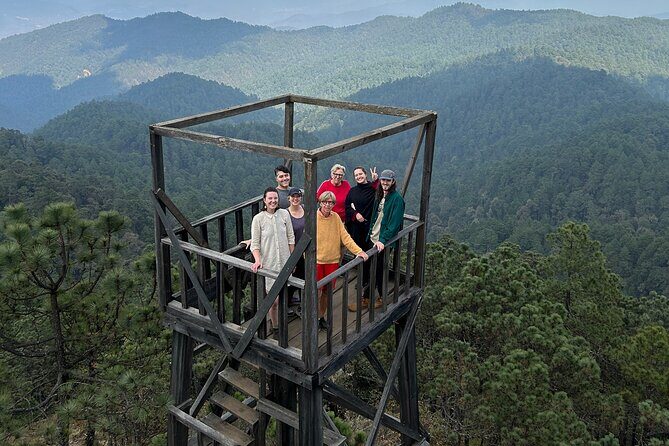
Most Oaxaca day tours start with “we’ll be back by lunch.” This one starts with a different promise: fresh air and altitude, not just photos. You meet at Dr. Liceaga 119 in the Centro area, and then you’re in a vehicle headed out toward the Sierra Norte. The drive to Cuajimoloyas takes about 1.5 hours, and that matters because the air changes as you go. Even before you lace up your shoes, you can feel you’re leaving the heat-and-dust routine of the city behind.
A big part of the value here is that transportation is private. That means less waiting around and less “everybody, split up” chaos. It also makes the day smoother for slower walkers, since the schedule is built around getting you from town to trail without drama.
You can also read our reviews of more hiking tours in Oaxaca City
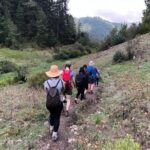
Breakfast in Cuajimoloyas, then the trailhead near Benito Juárez
Your day has two intentional “fuel stops,” and they affect when you start hiking. You’ll have breakfast in Cuajimoloyas at the start of the day. The goal is simple: eat enough so the hike doesn’t turn into a struggle five minutes in.
After breakfast, it’s a shorter hop—about 15 minutes—to Benito Juárez, where the hiking begins. That structure is smart. Instead of starting immediately and rushing your stomach, you get moving with food already working for you.
Do note one timing reality: while the tour starts at 8:00 am, some groups may not hit the trail until later due to breakfast timing and the way the guide coordinates route decisions. If you get cranky hiking in the afternoon heat, ask your guide how the day will flow for your group once you arrive. In the Sierra Norte, mornings can still be chilly, but afternoons can warm up quickly.
Pine-oak forest hiking at 2,800–3,100 meters: microclimates are the point
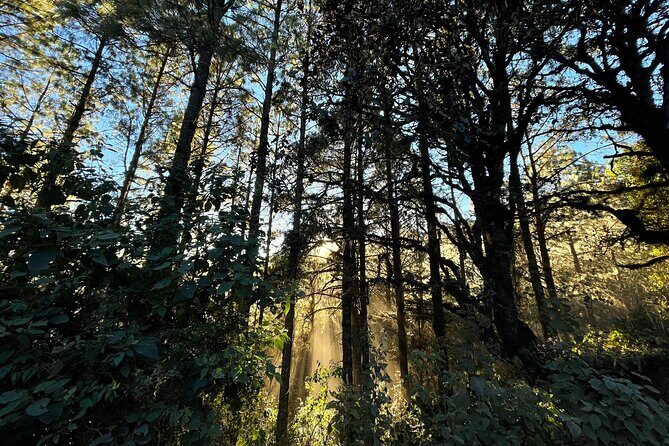
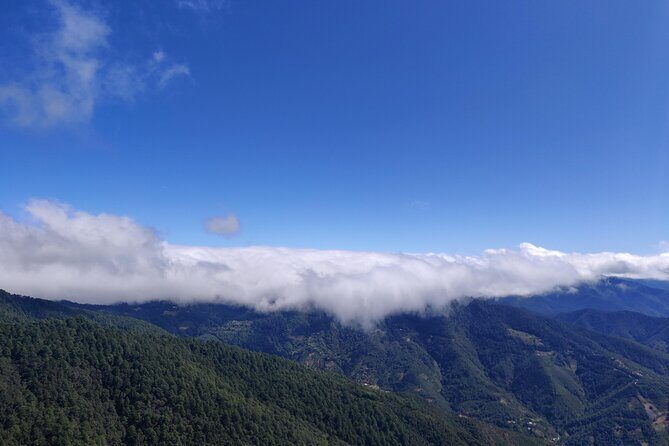
The Sierra Norte isn’t one uniform “pretty forest.” The real fun is that it changes while you’re walking. You’ll hike through pine-oak terrain at roughly 2,800–3,100 meters above sea level, and the guide pays attention to how conditions shift—humidity, shade, and plant life.
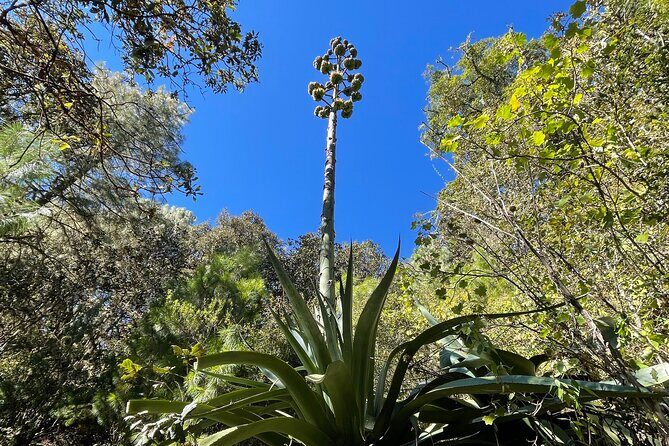
This is where the hike becomes more than cardio. If you like noticing nature (even casually), you’ll have plenty to watch: different plant types along the route, plus the chance to talk about fungi and local knowledge if you’re interested. In the discussions I’d hope for on a hike like this, Luis Fernando stands out for turning random trees into useful information—what you’re seeing, why it grows there, and how locals relate to it.
Also, expect frequent elevation changes. Even when the trail doesn’t look wild, you’ll feel the up-and-down rhythm. That’s part of why this is described for moderate physical fitness: you don’t need to be a mountain athlete, but you do need to be ready to work.
Choosing your distance: short, intermediate, or long, plus pacing reality
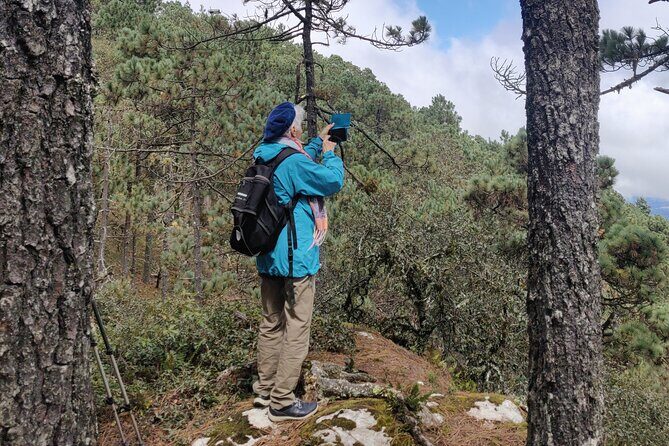
You get three distance ranges:
- Short: 2–5 km
- Intermediate: 5–12 km
- Long: 12–25 km
But here’s the practical truth I want you to hear: the guide chooses the best route based on your level and group pace. That’s a good thing—group hikes work better when the guide makes the call—but it also means your day can feel different than what you pictured when you signed up.
One important consideration: the “short” framing doesn’t always mean the group will only hike a tiny first segment. In at least one experience, the first portion ended up around 6 km, and everyone did that same opening stretch before options were discussed. The takeaway is simple: treat “short” as shorter overall, not guaranteed “easy stroll.”
Now the good news: the guide adjusts. People doing this successfully aren’t just surviving—they’re enjoying it. With a guide who pays attention to your energy and sets a pace for the group, the hike can feel challenging in a good way. If you’re a slower hiker, tell the guide early. If you’re a faster hiker, you’ll still get your time on the trail—you just won’t sprint off and leave everyone behind.
Altitude and weather: pack smart for Sierra Norte days
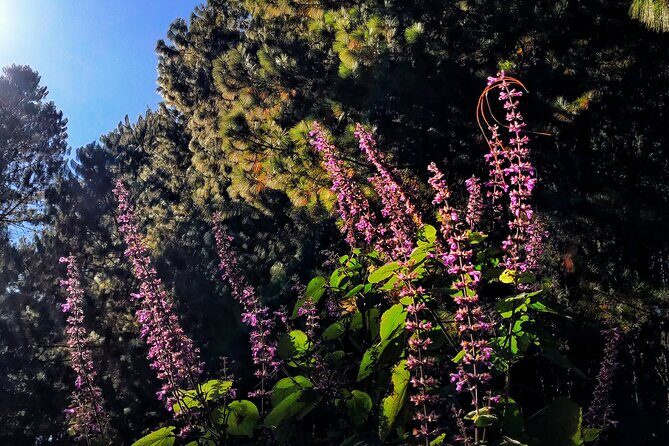
Sierra Norte weather doesn’t play by city rules. It can be sunny, then cool, then show rain depending on the season and elevation. Your packing advice should follow the season:
- Rainy season (June–Oct): boots and a rain jacket
- Dry season (Nov–May): long-sleeved shirt, hat, sunscreen
The tour includes a rain jacket, which helps a lot. Still, I’d plan to bring your own hiking socks and footwear that can handle damp ground. Walking on muddy trails at altitude is not the place for “cute shoes.”
You should also plan for temperature differences. Even if Oaxaca City feels warm when you step outside, the forest at elevation can feel colder. One thing the tour does not include is a cold jacket. If you tend to get chilly on hikes, pack an extra layer you’d actually wear.
Finally, remember this tour includes hiking poles. That’s a real advantage on steep, rocky sections. Even if you usually hike without poles, they can make the day easier on your knees and ankles.

Food is not an afterthought: breakfast, then lunch/early dinner in mountain towns
This is one of the reasons people rave about the day. You get a proper breakfast and then another meal after the hike. The schedule is built around eating at local spots in small mountain communities, not chain-style “grab and go.”
Breakfast fuels the climb. After that, you’ll be walking long enough that you’ll appreciate the trail snack setup—trail mix is included—and it helps keep energy steady when you’re working uphill.
The second meal is often described as lunch or an early dinner depending on how the day lands. Either way, you should expect real food, not a light snack. One clear theme from experiences is that the meals are a highlight—fresh, local, and served in unpretentious places where you can slow down and enjoy the mountain town atmosphere.
If you enjoy food as part of travel (not just fuel), this tour pays off.
Luis Fernando’s guiding style: plant talk, mushroom hunts, and confidence on steeper bits
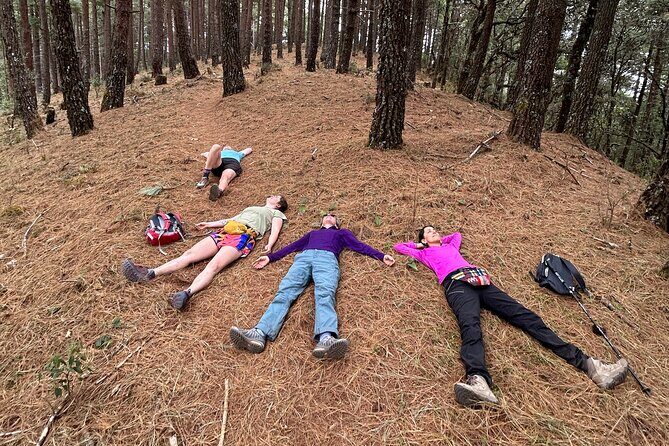
The guide on this experience is Luis Fernando, and the consistent praise is about how he blends nature facts with an easygoing, watch-your-step hiking approach. His English is described as good, and he’s the type who answers questions rather than brushing them off.
A fun detail you might get: mushroom and fungi spotting. If you like natural science—even at the “wow, that’s cool” level—this can turn your hike into a discovery day. And yes, the guide may get specific about plants, including how locals use them.
Safety-wise, the day includes support for the real hiking parts. People describe the terrain as more than “walking in a forest,” with sections that can be steep. Luis and any local assistant guides tend to adjust while you’re moving through the tougher stretches. That’s especially important in small groups where everyone’s pace is different.
If you’re thinking about language practice, you may even find opportunities to practice Spanish in a relaxed way, since the guide is friendly and encouraging.
What’s included for $161.30, and why the value can make sense
At $161.30 per person for an ~12-hour day, the real question is what you’re getting beyond hiking. Here’s what’s covered:
- Breakfast
- Meal after the hike (lunch/dinner depending on timing)
- Trail mix snacks
- Bottled water plus refill
- Hiking poles
- Private transportation
- Entry fees
- Rain jacket
What you should plan to cover yourself:
- Backpack
- Cold jacket
For many hikers, the value is in the combination: private transport out of the city, a guide who handles route choices, and meals at local community restaurants. If you were to DIY this trip—figuring out transportation, trail connections, and food—your time costs would add up fast. This tour buys you convenience, plus a guided nature lens you’d struggle to replicate on your own.
If you’re a “pack light, do it yourself” traveler, you might feel the price is a bit high. But if you want a smooth plan with genuine local food and guide-led nature learning, it’s easier to justify.
Who should book this Sierra Norte hike?
This one fits best if you:
- have moderate physical fitness and can handle steady uphill walking
- want fresh air plus real mountain views and forest time
- enjoy learning on the spot—plants, fungi, and local cultural context
- like small groups and guided pacing
It’s less ideal if you:
- want guaranteed “easy mode” at 2–5 km with flat terrain
- get stressed by group pacing differences and don’t like adjusting your expectations
- run cold easily and don’t want to bring an extra layer
If you’re on the fence, I’d choose based on your hiking comfort, not just the distance label. Altitude and trail steepness matter more than the marketing word “short.”
Should you book this Oaxaca hike?
I think you should book it if you want a day that feels like Sierra Norte living: pine-oak hiking at altitude, small-group attention, and meals in mountain towns that don’t feel like a tourist trap.
I’d hesitate if you need precise distance control or you dislike hiking in the heat of the day. In that case, message the guide about your ideal route length and confirm what your day will look like time-wise, especially if you’re aiming to avoid a later trail start.
If you come prepared—good shoes, seasonal layers, and a flexible mindset—you’ll likely leave with the best kind of travel souvenir: a tired body, a calmer head, and a head full of forest details.
FAQ
How long is the hiking experience?
It runs for about 12 hours (approx.).
What time does the tour start?
The start time is 8:00 am.
Where do we meet and where does it end?
You meet at Dr. Liceaga 119, Ruta Independencia, Centro, 68000 Oaxaca de Juárez, Oax., Mexico. The tour ends back at the same meeting point.
What hiking distance options are available?
Route options vary by your level and the group’s pace: short is 2–5 km, intermediate is 5–12 km, and long is 12–25 km.
What level of fitness do I need?
You should have moderate physical fitness.
How big is the group?
The tour has a maximum of 8 travelers.
Is the tour offered in English?
Yes, it’s offered in English.
What’s included in the price?
Included are breakfast, a second meal (lunch/dinner depending on timing), trail mix snacks, bottled water with refill, hiking poles, private transportation, entry fees, and a rain jacket.
What should I bring for rainy season (June–Oct)?
Bring boots and a rain jacket. The tour includes a rain jacket as well, and the guide can bring extra gear if you need it.
What should I bring for dry season (Nov–May)?
Bring a long-sleeved shirt, a hat, and sunscreen.
What is not included?
You’ll need to bring a backpack and a cold jacket.