REVIEW · SAN MIGUEL DE ALLENDE
Full Day Tour of 3 amazing magical towns of Queretaro.
Book on Viator →Operated by ALEJANDRO VILLAR AGUILAR · Bookable on Viator
Three towns, one story of crafts. This full-day tour connects culture and creativity across Queretaro, with a guide (Alex) who brings the history to life and a focus on handmade traditions. I love the private setup and the Otomi doll spotlight, which makes the morning feel more personal than a basic sightseeing run. One catch: Amealco sits high, around 8,500 feet, so it can be cold, and you’re committing to a long day with a slower return.
A big part of the value is Alex’s style. He’s a history buff, and you can see he enjoys what he does, including storytelling that goes beyond dates and facts. If you want breathing room to wander on your own, you can ask, and the pace can shift a bit so you’re not stuck watching every step.
I also like that the tour is built around craft work you can actually see, from weaving methods to wicker making. Most stop entries are free, and you get bottled water, so you’re not constantly paying small extras. Expect a practical day with food time in Bernal built in, but breakfast and lunch are on you.
In This Review
- Key highlights worth planning around
- Why this Queretaro magical-towns route works so well
- Entering Amealco de Bonfíl: dolls, Otomi culture, and a high-altitude square
- Centro Artesanal La Aurora in Bernal: wool weaving on old looms
- Tequisquiapan craft markets: wicker and wood from local fiber
- Bernal’s food time and sweet stops: what to plan for
- San Sebastián Temple (1700–1725): seeing syncretism in stone
- Timing, transport, and what to pack for this 8–9 hour day
- Price and value: is $173.36 per person a fair deal
- Who this tour suits best (and who might skip it)
- Should you book this magical towns tour?
- FAQ
- Where does the tour start?
- Where does the tour end?
- What time does the tour begin?
- How long is the tour?
- Is pickup included?
- Is this tour private?
- Is the tour offered in English?
- What is included in the price?
- What isn’t included?
- Are admissions included?
- Can I cancel for a full refund?
Key highlights worth planning around
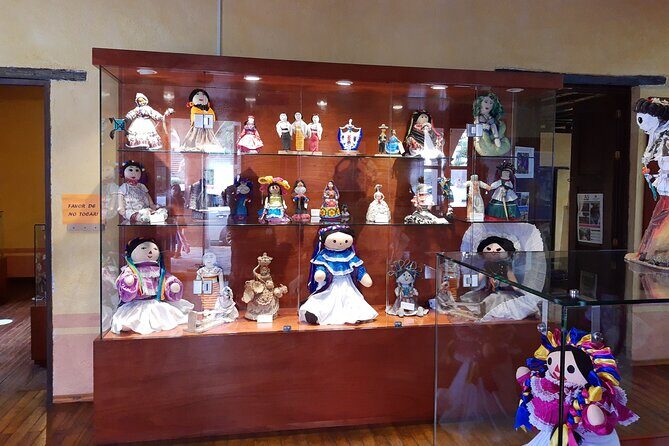
- Amealco de Bonfíl’s Museo De La Muñeca with the famous Otomi doll called Lelé (meaning baby)
- Centro Artesanal La Aurora in Bernal, where wool textiles are made on 18th-century looms with little modern tech
- Tequisquiapan wicker and wood markets using natural fiber from a local bush and traditional forms
- Bernal’s food stretch with gorditas, cacti ice cream, and breads filled with fruit and piloncillo
- San Sebastián Temple (1700–1725) right off the main square, showing Catholic and Indigenous syncretism
- High-altitude cold at Stop 1 and traffic that can stretch your return time
Why this Queretaro magical-towns route works so well
This isn’t a checklist tour where you rush past storefronts and call it a day. It’s structured around a theme: how people in Queretaro built identity through dolls, weaving, wicker work, and local food. You’ll see how religious life, ethnic roots, and craft traditions overlap, especially as you move through towns that each specialize in something different.
The private format matters more than you might think. Fewer people means you can ask questions, slow down when you want to look closely, and get a clearer sense of what you’re seeing instead of just hearing general commentary. In a day that runs about 8 to 9 hours, that makes the experience feel less exhausting and more satisfying.
Also, you get a clear rhythm. The morning starts with a cultural museum and square-town vibe, then shifts into workshop and market time, and ends with Bernal’s food and a key temple. It’s a nice flow for a first visit to this region from San Miguel de Allende.
You can also read our reviews of more tours and experiences in San Miguel de Allende


Entering Amealco de Bonfíl: dolls, Otomi culture, and a high-altitude square
Amealco de Bonfíl is where the tour finds its heart. You start at Museo De La Muneca, set in the semi-desert area of Queretaro state, and you quickly understand why this stop is the morning anchor.
Here’s what you should look for when you walk in:
- A special highlight is the Otomi doll called Lelé, with the meaning baby in the local language.
- There’s also a 300-doll exhibition from around the world, which creates an interesting contrast: local identity framed inside a wider collecting story.
- The time is paired with a walk through the town center, including Saint Mary’s parish and the cobblestone feel of the 17th-century-style streets and buildings.
Timing-wise, you have about 2 hours here. That’s enough to take photos, read labels, and still have a slow walk outside without feeling rushed.
The one real consideration is the weather. Amealco sits high (about 8,500 feet), and the practical result is simple: bring layers. If you show up in just a light jacket, you might feel it.
Centro Artesanal La Aurora in Bernal: wool weaving on old looms
After Amealco, the tour moves you toward Bernal for a workshop stop at Centro Artesanal La Aurora. This is the part of the day where your eyes get more technical, in a good way.
You’ll step into an older workshop setting featuring 18th-century looms, and you’ll see textiles being made for everyday and decorative use. The focus is on wool items, including sweaters, quilts, rugs, ponchos, curtains, and other wool goods.
Two details make this more interesting than a typical craft demonstration:
- The process leans heavily on tradition, with work happening without electricity or modern tech in the way their ancestors taught it.
- Because you’re watching actual production (not just a display room), you get a better feel for time, skill, and repetition—how craft becomes livelihood.
You’ll spend about 1 hour at this stop. That’s a good length: long enough to understand the method, short enough that you’re not trapped indoors all day.
Tequisquiapan craft markets: wicker and wood from local fiber
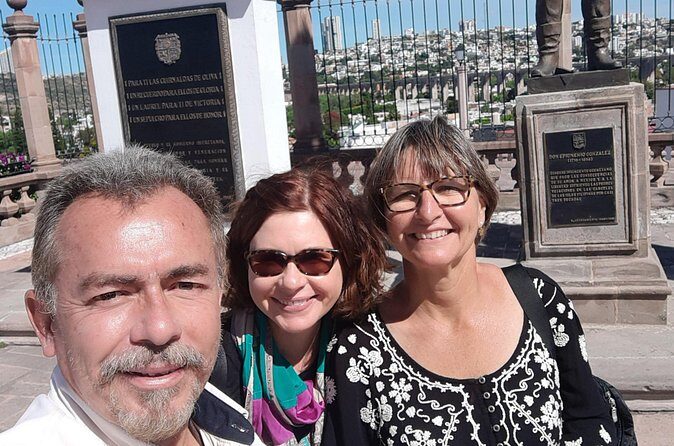
Next comes Tequisquiapan, where the emphasis shifts from textiles to materials—especially wicker and wood. You’ll visit woven craft markets where you can connect the dots between local fiber and practical design.
What makes this stop feel authentic is the specific material story:
- Wicker is made from a natural fiber from a local bush.
- The Otomi and Purepechas learned to handle it and turn it into utilitarian and decorative objects.
You might see pieces like lamps, armchairs, tables, screens, baskets, and even items you’d rarely think of as “craft,” like trash cans made from wicker. The variety helps you understand that the skill isn’t just for souvenirs. It’s functional design work.
You’ll have about 2 hours here. That’s a sweet spot for browsing without rushing, and it gives you time to ask questions and compare styles across stalls.
Bernal’s food time and sweet stops: what to plan for
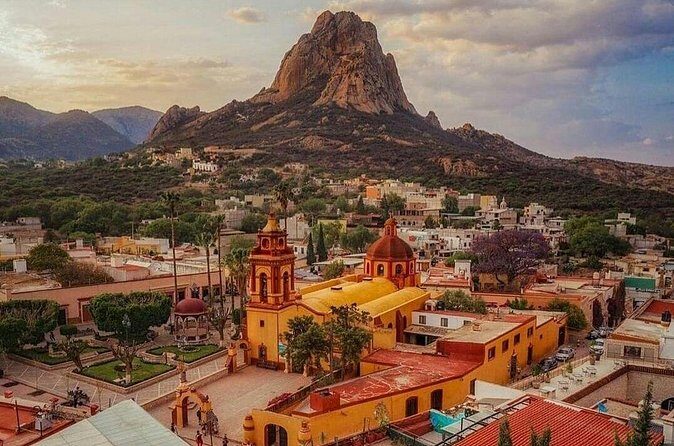
Bernal becomes the main palate stop. The day builds toward this, and the timing is intentional: you get a big block (about 3 hours) for eating and enjoying what the town does best.
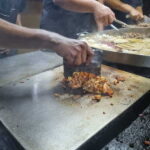
If you’re hungry, focus on gorditas. The classic suggestion here is stuffed with different stews and local fillings such as cactus, pork, potatoes, and nopal on grilled penca with cheese, bacon, onions, and more. In plain terms: come ready for savory, not just sweets.
Then there’s the sugary side:
- Cacti ice cream, which you’ll either crave or sample and move on from, depending on your taste.
- Freshly baked bread filled with fruit like strawberries and blackberries, plus sweet milk and jaggery candy (piloncillo).
If you hate surprise spending, here’s your practical note: breakfast and lunch aren’t included. This tour gives you built-in time to eat, but you’ll still need to budget for food. If you’re traveling as a group, consider splitting your time so everyone finds something they like without losing momentum.




San Sebastián Temple (1700–1725): seeing syncretism in stone
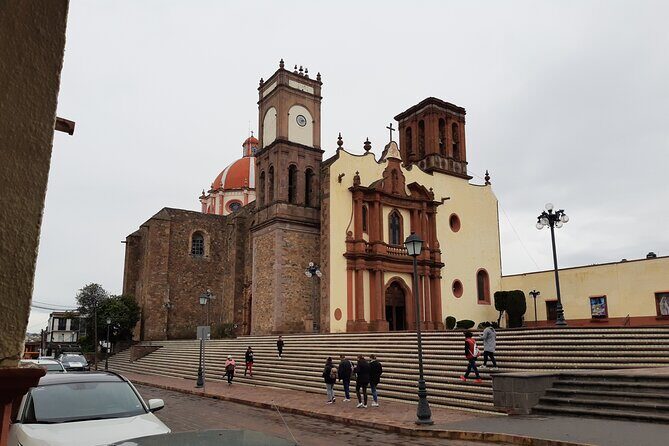
After the food break, you’ll visit the Temple of San Sebastian in Bernal, located right beside the main square. This stop is short but meaningful, about 40 minutes.
The key idea is architectural and cultural mix. The church was built between 1700 and 1725, and it doesn’t fit a single strict style. What you can notice on the façade is Catholic and Indigenous syncretism.
The overall church design is described in Roman Christianity terms, including a main nave and two side naves, with a style comparable in spirit to the Saint Peter’s Basilica in Rome. You don’t need a degree in architecture to enjoy this stop. Even if you’re just looking for photo angles, it helps to know what you’re seeing: the building isn’t only religious. It’s also a snapshot of cultural blending.
Timing, transport, and what to pack for this 8–9 hour day
This is an 8–9 hour day with private transportation, and it starts at 9:00 am. You’ll get back to the meeting point in the evening, and you should plan around traffic—one guide’s return time estimate is around 7:30 pm, not early afternoon.
That length matters because it affects what you wear and how you pace yourself. I’d plan on:
- Layers for the Amealco cold. Even if the rest of the day feels mild, the first stop can be brisk.
- Comfortable shoes for cobblestone streets and market wandering.
- A water habit: bottled water is included, but you’ll still likely want to sip steadily while you walk and browse.
Pickup is handled through coordination with where you’re staying. You can send your location for a private house by maps, or your address, or share your hotel name and where you’ll be picked up.
Price and value: is $173.36 per person a fair deal
At $173.36 per person, this tour can feel steep at first glance—until you look at what’s actually included.
Here’s what you’re getting for the money:
- Private transportation
- Bottled water
- A full-day route across multiple towns (with craft stops and food time)
- English-language guiding
- A mobile ticket
- Free admission indicated for the stops (at least for the specific museum/workshop/visit entries listed)
What you don’t get:
- Breakfast and lunch
- Alcoholic beverages
So the value comes from two things: first, the day is long enough that you’re really buying time and logistics (driving, coordinating stops, and staying on schedule). Second, the craft-focused stops and the guide’s history storytelling make the experience feel more than just “drive-by photos.”
If you’re traveling solo, decide if a private format is worth it to you. If you’re traveling with one or two companions, it usually feels more practical, because your per-person share can start to match the cost of a less guided group day.
Who this tour suits best (and who might skip it)
I think this tour is a great fit if you:
- Like craft and want to see how traditions are practiced, not just displayed
- Enjoy learning through stories and historical context guided by someone who clearly cares
- Want a day with both museums/workshops and real time in town to eat and browse
It might not be ideal if you:
- Need lots of downtime. The day is structured, and while you can ask for breaks, you’re still moving town to town.
- Get uncomfortable in cold weather. Amealco’s altitude can change how you feel quickly.
- Prefer a short outing. This is an all-day commitment, and return timing depends on traffic.
Overall, it’s best for people who enjoy culture you can touch with your eyes and your questions.
Should you book this magical towns tour?
Book it if you want a guided, craft-centered Queretaro day from San Miguel de Allende that goes beyond surface sightseeing. The biggest reason to choose it is the combination of strong guiding from Alex (history storytelling plus flexibility when you want to explore a bit) and stops that show how dolls, wool weaving, and wicker making connect to community life.
Skip or rethink it if you’re mainly after quick photos and don’t want to plan for cold at the first town or pay for your own meals. Also, if your schedule is tight, remember the return depends on traffic.
If you’re open to a hands-on culture day with real local materials and food time in Bernal, this tour makes a lot of sense.
FAQ
Where does the tour start?
The tour starts at Av. Luis Pasteur Sur 4, Centro, 76000 Santiago de Querétaro, Qro., Mexico.
Where does the tour end?
It ends back at the same meeting point.
What time does the tour begin?
The start time is 9:00 am.
How long is the tour?
It lasts about 8 to 9 hours.
Is pickup included?
Pickup is offered. You can send your location (for a private house by maps) or your address, or share your hotel name and where you’ll be staying.
Is this tour private?
Yes. It’s private, and only your group participates.
Is the tour offered in English?
Yes, English is offered.
What is included in the price?
Included items are private transportation and bottled water, plus a mobile ticket is provided.
What isn’t included?
Breakfast, lunch, and alcoholic beverages are not included.
Are admissions included?
Admission tickets are listed as free for the stops on this route (Museo De La Muneca, Centro Artesanal La Aurora, the craft market visits, and the Temple of San Sebastián visit).
Can I cancel for a full refund?
Yes. There is free cancellation up to 24 hours in advance for a full refund.