REVIEW · MEXICO CITY
Learn to Cook Mexican Salsas
Book on Viator →Operated by Mexican Salsas · Bookable on Viator
Salsa turns into a skill fast. This class starts in Tacuba, right by an old church, then sends you to the local market to pick ingredients before you cook. You’ll learn why salsa tastes different depending on the chile, the fruit, and the method, not just the recipe.
My favorite part is the hands-on pace: you cook four types of salsa in raw, fried, boiled, and roasted styles, and you eat what you make right away. The other big win is the take-home value: you leave with a jar of salsa plus recipe cards, so you can reproduce it at home instead of forgetting it in a week. One thing to consider is that the experience depends on good weather since you’ll be walking around outside in Tacuba.
In This Review
- Key things I’d circle before you book
- Tacuba’s old church start gives the right tone
- Tacuba Market: where your salsa actually begins
- Walking to the kitchen: 5 minutes, then get cooking
- Four salsa styles: raw, fried, boiled, roasted
- Raw salsa: bright and direct
- Fried salsa: deeper flavor and mellow heat
- Boiled salsa: softened bite and a cohesive sauce
- Roasted salsa: smoky, caramel-like notes
- Food included: totopos, quesadillas, and hibiscus water
- How to take this class home: jar plus recipes
- Price and timing: where your $96 goes
- Who should book the salsa class (and who might not)
- Quick tips before you go
- Should you book this Mexican salsa lesson in Tacuba?
- FAQ
- How long is the Mexican salsa cooking class?
- What’s included in the $96 price?
- What kinds of salsa do I learn to make?
- Is there a vegan option?
- Where does the tour meet?
- Do I take anything home?
- Is this tour private, and is it in English?
- What if I need to cancel?
Key things I’d circle before you book
- Market first approach: you buy fresh ingredients at Tacuba Market before cooking.
- Four cooking methods: raw, fried, boiled, roasted, each changing flavor and heat.
- You eat during the lesson: totopos with salsa, quesadillas, and hibiscus agua fresca.
- Take-home jar and recipe cards so you can cook again later.
- Private group format: only your group participates.
- Instructors can vary by language and style, with options seen like Luis, Jazz, Veronica, Yazmin, and Natalia.
Tacuba’s old church start gives the right tone
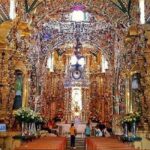
The tour begins at Parroquia San Gabriel Arcángel in Tacuba. It’s a useful first stop because it places you in the neighborhood instead of in a studio far from daily life. The church area sits in the heart of Tacuba, and the tour frames it as an old community landmark, going back long before Spanish arrival.
I like this start because it keeps the class grounded. You’re not just learning salsa as a “thing to do,” you’re learning it as part of a real Mexican food routine. When you then walk a short distance to the market, the connection feels natural.
Practical note: the meeting point is clearly in a transit-friendly neighborhood, so you can arrive by local transport without needing a taxi for the entire day.
You can also read our reviews of more tours and experiences in Mexico City.


Tacuba Market: where your salsa actually begins
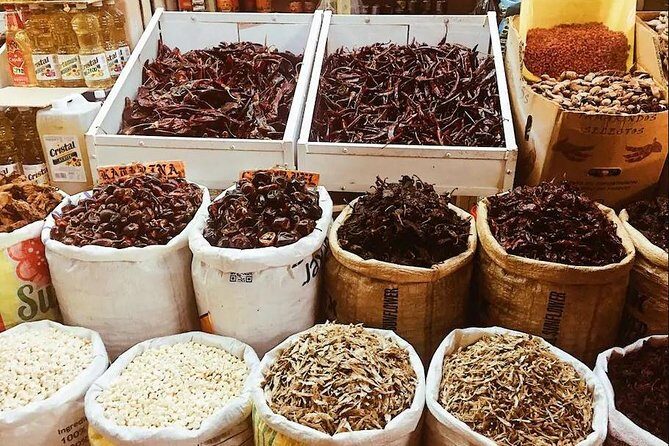
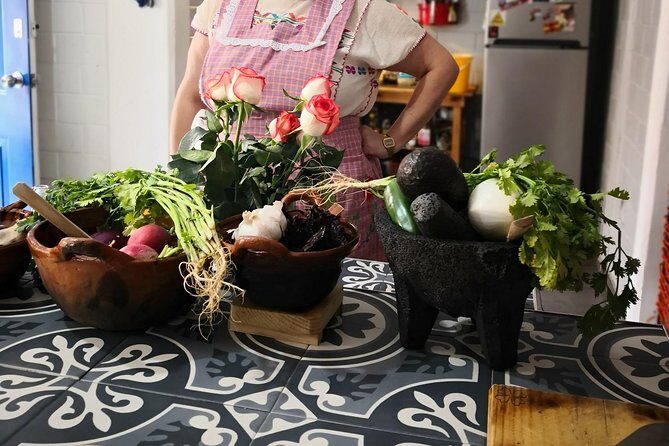
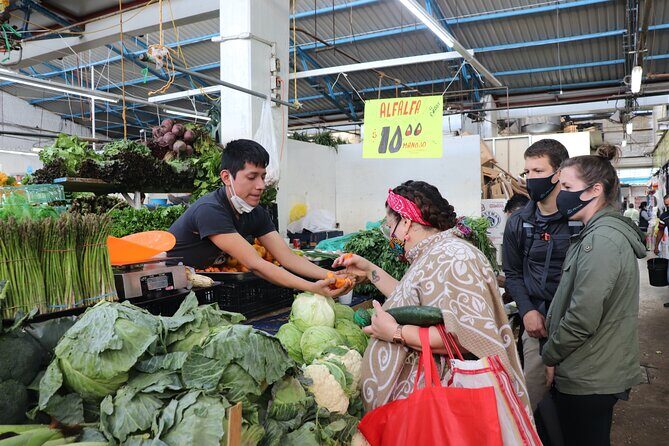
Next, you head to Tacuba Market to buy the fresh ingredients you’ll use in class. This is where most people’s salsa understanding gets upgraded. Instead of treating salsa ingredients like grocery store basics, you learn what to look for and how choices affect taste and heat.
The best part is that you’re not stuck watching. You’re part of the ingredient selection process. Hosts point out items as you walk through and you get to taste along the way. That makes the whole class click faster, because you start connecting flavor to real ingredients.
What you’ll likely be thinking about during this stop:
- Chile freshness and how it changes the final punch
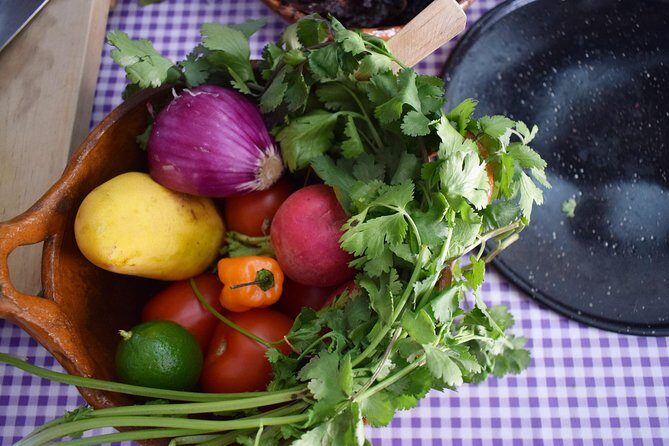
- Tomato and fruit choices that balance acidity and sweetness
- Aromatics and seasonings that shift the “personality” of the salsa
If you’re the type who always wonders why salsa at one taquería tastes brighter or spicier than another, this market stop is the shortcut. It teaches you what to pay attention to for next time, even if your exact ingredients differ.
Walking to the kitchen: 5 minutes, then get cooking
After the market, you head to your cooking spot, about a five-minute walk away. That short transfer is smart: it keeps the energy up and the class momentum strong. You don’t lose time to long commutes, and you arrive still thinking about the ingredients you just picked.
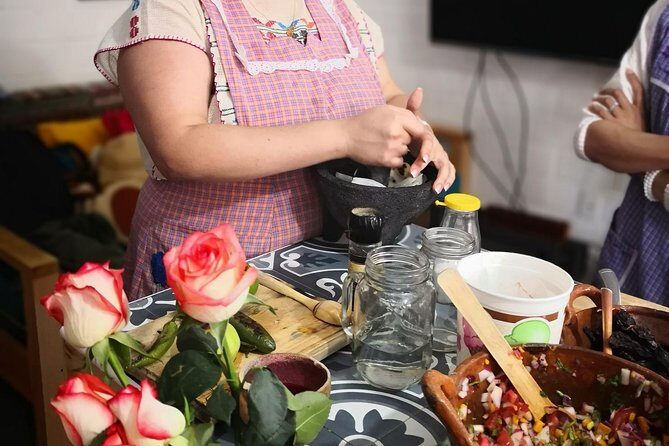
The cooking area is set up for the lesson with an equipo de cocina (kitchen setup) ready for guests. Reviews and the format suggest a welcoming, practical setup, with the meal integrated into the activity rather than tacked on later.
And here’s a real-world advantage: once you start cooking, you’re close to the end goal. You’re not waiting until the final hour to taste. You cook, taste, adjust, and eat as you go.
Four salsa styles: raw, fried, boiled, roasted
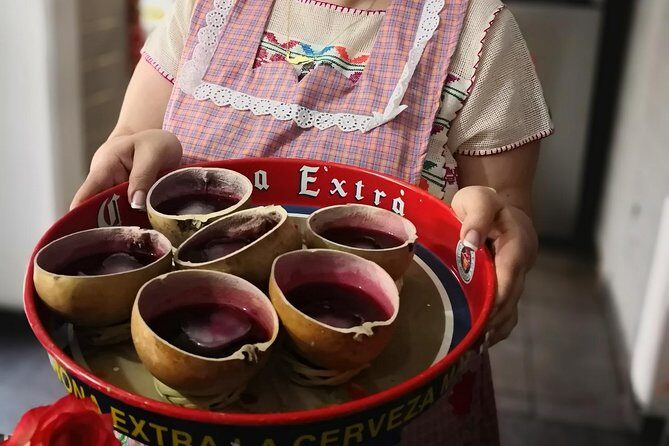
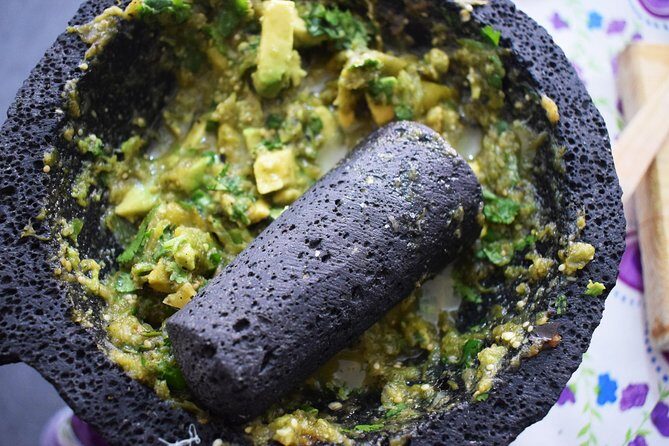
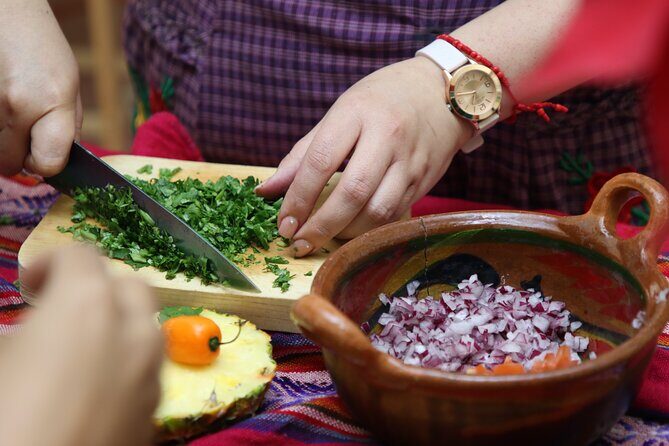
This class is built around one idea: technique changes everything. You make four traditional salsas using four classic methods—raw, fried, boiled, and roasted—and you’ll see how each approach affects flavor, texture, and spice level.
Here’s what to expect from each method, and what it means for you:
Raw salsa: bright and direct
Raw salsa tends to taste fresher, with more snap and a “straight from the ingredient” flavor. It’s the method that highlights good produce. If you’ve ever had salsa that tastes almost like a salad, this is the lane.
Practical takeaway: raw salsa is a great model for making quick everyday salsa once you learn which ingredients you personally like.




Fried salsa: deeper flavor and mellow heat
Fried salsa usually brings more depth. Heating ingredients changes their flavor and often smooths out sharp edges. This is a method you’ll appreciate if you prefer salsa that tastes complex rather than just hot.
Practical takeaway: if you ever think a salsa is too aggressive on the first bite, the fried approach is one way cooks balance chili intensity.
Boiled salsa: softened bite and a cohesive sauce
Boiling can soften ingredients and help everything blend together. The result often feels rounder, like the flavors agree more quickly.
Practical takeaway: this is a great method when you want salsa that pairs smoothly with warm foods, like quesadillas.
Roasted salsa: smoky, caramel-like notes
Roasting adds a smoky quality and can bring out sweetness from ingredients. If you like salsa with a campfire or char-kissed feel, roasted is the direction.
Practical takeaway: roasting can make salsa taste special even when you’re working with fairly simple ingredients.
Across all four, you’ll notice the “personality” differences the tour highlights: varying flavor profiles and spice levels depending on method. The class is hands-on, so you’ll learn by doing, not by reading a recipe card and guessing.
Also, you’ll make totopos and quesadillas alongside the salsa, so you can judge taste in a real meal context. That matters, because salsa can taste one way in a bowl and another way when it’s with warm tortillas and cheese.
Food included: totopos, quesadillas, and hibiscus water
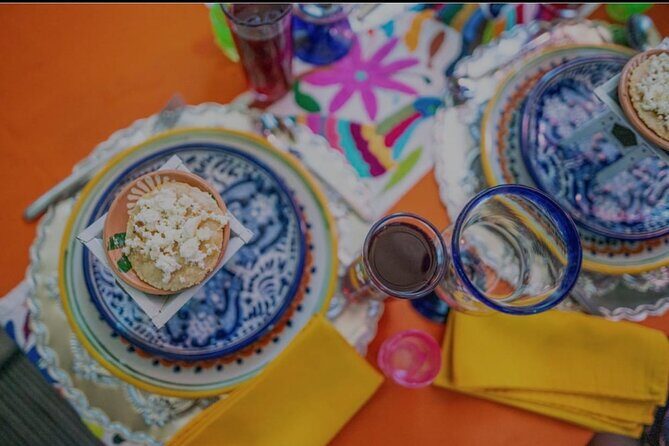
You’ll eat as part of the class, starting with:
- Salsa & totopos (fried corn tortilla chips)
- Agua fresca made with hibiscus (jamaica), ice, and a touch of sugar
- Quesadillas with melted Oaxaca cheese
Jamaica water is included, and the tour specifies unlimited. That’s not just a nice extra. It helps you stay refreshed during a cooking session, and it pairs well with chile-based food because it cools the palate.
Quesadillas are the practical bridge to real eating. Salsa is one thing. Salsa plus melted cheese is where a lot of people’s preferences lock in. You’ll learn what salsa style works best with tortilla-and-cheese comfort food.
There’s also a vegan option described as beans and nopales. If you’re cooking with a group, this is a big plus because you can keep everyone at the table happy without the “separate dish” feeling.
How to take this class home: jar plus recipes
You end the experience with two things you can actually use:
- a jar of salsa to take home
- recipe cards with what you made
That’s the value that most cooking classes miss. A jar means you get immediate gratification. Recipe cards mean you get the method again later.
When you cook salsa at home, the hardest part is often not the ingredients—it’s getting the balance and timing right. By making four salsas in one session, you start building a mental model for how technique changes heat and taste. Then the recipe cards turn that model into something you can follow.
My advice: don’t only copy the measurements. Treat each salsa like a lesson. After you make them once at home, pay attention to what you’d tweak—more roasting, more citrus, less chili—then adjust next time using what you learned about each method.
Price and timing: where your $96 goes
At $96 per person for about 2 hours 30 minutes, this class isn’t trying to be a cheap snack. But it also isn’t a “buy a ticket, watch a show” situation.
Here’s what you’re getting for the cost:
- Market shopping for fresh ingredients
- Cooking equipment and guided instruction (your group cooks, not just watches)
- Snacks: salsa, totopos, quesadillas, and agua fresca
- Unlimited jamaica water
- A jar of salsa plus recipe cards to take home
The tour also notes that joining supports local commerce. That’s a real-world value factor in Mexico City, where food knowledge is part of community life, not just a product.
One more detail that matters: it’s private, meaning only your group participates. That often leads to quicker hands-on help and fewer “stand in line” moments, especially during tastings and cooking.
Timing-wise, it runs long enough for you to do the full sequence (market, cook, eat, taste, package), but it won’t eat your whole day. You can still do other Tacuba or Mexico City plans afterward without feeling like you lost half your trip.
Who should book the salsa class (and who might not)
This is ideal if you want more than a cooking demo. If you like markets, like hands-on food work, and want real flavor lessons you can repeat, this fits.
It’s especially good for:
- couples looking for a memorable “food skill” outing
- families who want a structured activity that includes eating
- food-curious travelers who don’t want to limit themselves to restaurant meals
The teaching style also seems to work across ages. There are mentions of classes that delighted teenagers and adults alike, mainly because the activity keeps moving and the final product is tangible.
It may be less ideal if:
- you hate walking around markets
- you need everything to be strictly mild, since salsa heat can vary by method
- you’re relying on this as your one guaranteed outdoor time, since the experience requires good weather
Quick tips before you go
- Wear comfortable shoes. You’ll shop and walk between Tacuba Market and the cooking spot.
- Come ready to taste. The class includes snacks and unlimited jamaica water, and ingredient selection involves sensory cues.
- If you prefer low spice, say so early. The class adjusts cooking and spice levels for different tolerances.
- Plan your transport to arrive near the meeting point by public transport. Private transportation isn’t included.
- Bring a little flexibility. The experience requires good weather, and if it can’t run, you’ll be offered another date or a full refund.
Should you book this Mexican salsa lesson in Tacuba?
I think it’s a yes for the right traveler: you’ll get real technique, not just a recipe you forget. Starting at the old church and then going straight to Tacuba Market is a smart structure, because it connects ingredients to outcomes. The four salsa methods give you four different flavor lessons in one go.
Book it if:
- you want to learn by cooking raw, fried, boiled, and roasted salsa yourself
- you care about market shopping and ingredient choice
- you want a take-home jar and recipe cards, not just photos
Skip it if:
- you want a fully seated meal with no market walking
- weather risk would ruin your schedule
- you want a hands-off, purely observational tour
If you’re choosing just one food activity in Mexico City that teaches a skill you can repeat, this is a strong contender.
FAQ
How long is the Mexican salsa cooking class?
It lasts about 2 hours 30 minutes.
What’s included in the $96 price?
The class includes kitchen setup, snacks (salsas, totopos, quesadillas, and agua fresca), and unlimited jamaica water.
What kinds of salsa do I learn to make?
You’ll learn four traditional ways to prepare salsa: raw, fried, boiled, and roasted.
Is there a vegan option?
Yes. A vegan option is available with beans and nopales for the quesadillas.
Where does the tour meet?
The start point is Parroquia San Gabriel Arcángel, Calz México-Tacuba S/N, Tacuba, Miguel Hidalgo, 11490 Ciudad de México, CDMX, Mexico.
Do I take anything home?
Yes. You leave with a jar of salsa and recipe cards.
Is this tour private, and is it in English?
Yes, it’s private, with only your group participating. It’s offered in English, and the experience can be held in more than one language simultaneously.
What if I need to cancel?
You can cancel for a full refund up to 24 hours in advance. If it’s canceled due to poor weather, you’ll be offered a different date or a full refund.