REVIEW · OAXACA CITY
Discover Authentic Mexican Flavors on Oaxaca Food Tour
Book on Viator →Operated by Secret Food Tours · Bookable on Viator
Your nose leads the way in Oaxaca. This 3-hour food walk strings together markets and the historic center, so you taste more than you’d easily piece together on your own. I love the chance to compare mole negro and mole rojo back-to-back, with a guide who helps you make sense of what you’re eating.
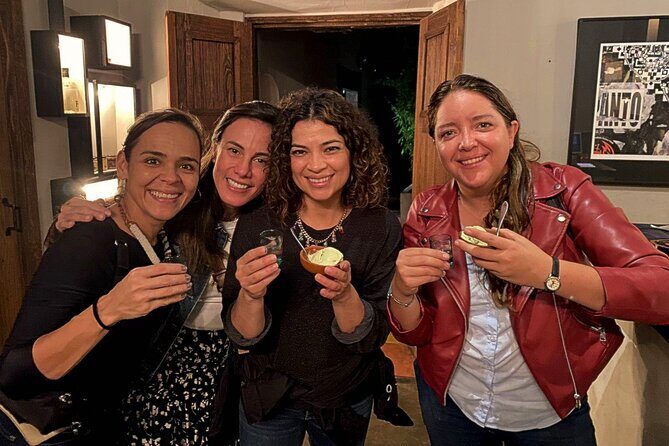
I also like the Zócalo stop, where you sip tejate and pair it with sweet pan de yema. You’ll also get a mix of market-style bites, chocolate, and other Oaxacan favorites, explained by guides such as Armando or Antonio, who are praised for clear communication and good pacing.
The only catch is the pace: expect about 3 hours of walking and standing in busy spots, so wear comfortable shoes and be ready to snack, not sit. You’ll want to go with a food-curious mindset.
In This Review
- Key highlights you’ll care about
- Why this Oaxaca food tour works better than wandering alone
- Saint John of God Parish to Mercado 20 de Noviembre: the mole comparison begins
- Mercado Benito Juárez: quesillo and the sweet-side of the market
- Zócalo tastings: teja(te), pan de yema, cacao brews, and coffee
- Calle Macedonio Alcalá: terrace bites, tlayuda with meat, and chapulines
- What the $77 really buys you in Oaxaca
- Practical tips before you go
- Who this Oaxaca City tour suits best
- Should you book this Oaxaca City food tour?
- FAQ
- How long is the Oaxaca food tour?
- How much does it cost?
- Where does the tour start and end?
- What language is the tour offered in?
- How big is the group?
- Is pick-up or drop-off included?
- What tastings are included?
- Is there an admission fee to enter the stops?
- What if the weather is bad?
- What is the cancellation policy?
Key highlights you’ll care about
- Mole tastings (mole negro and mole rojo): two signature Oaxacan styles, sampled as part of the market flow
- Zócalo drinks and pan de yema: teja(te) paired with a classic sweet bread
- Chocolate and cacao-style drinks: a dedicated chocolate bite plus pre-Hispanic cocoa brew
- Market-to-historic-center rhythm: you move from parish area to Mercado stops to the Zócalo and back into the center
- Tlayuda plus fried chile relleno: savory hits that feel truly local, not just generic tourism food
- Secret destination for foodies: a final stop that adds anticipation and variety
Why this Oaxaca food tour works better than wandering alone
Oaxaca City is the kind of place where food is everywhere. The challenge is deciding what to try, and understanding what you’re looking at while you eat. This tour solves both problems with a simple plan: you follow a route through key food zones, and you get short explanations at each stop.
A big value point for me is the group size. With a maximum of 12 people, you’re not stuck in a huge herd. That tends to make tastings less chaotic and gives you time to actually enjoy what’s in front of you.
It’s also practical that the tour is in English, with a mobile ticket, and it runs around public transportation areas. You’re not relying on a taxi parade or a complicated meetup. If you’ve got limited time in Oaxaca City, this kind of focused 3-hour loop is an easy way to get your bearings fast—without trying to “figure it out” while hungry.
Finally, it’s booked about 29 days in advance on average. That tells you something: this is a popular format, and good guides don’t always stay available on the dates you want.
You can also read our reviews of more food & drink experiences in Oaxaca City
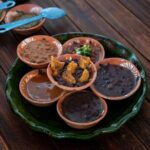
Saint John of God Parish to Mercado 20 de Noviembre: the mole comparison begins
You start near Saint John of God Parish, where the guide introduces themselves and gives you an overview of how the tasting will go. That first moment matters more than it sounds. Even a short orientation helps you spot patterns later: how markets work, how different bites fit together, and why Oaxaca food can feel like more than just a meal.
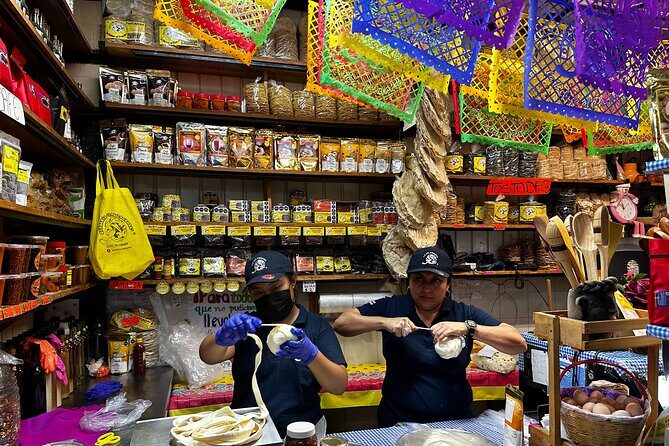
Next comes Mercado 20 de Noviembre. This is your main “sample-and-learn” zone, and the timing reflects that: about 40 minutes here. You begin with two bites—one savory and one sweet—so you’re not waiting long to start eating.
The star of this market stop is the mole tasting. You get Oaxacan Mole Negro and Mole Rojo. Trying both in one sitting helps you notice that Oaxaca mole isn’t one single flavor. It’s a range. The guide also helps you connect the mole choices to the city’s food identity, which is what you really want from a guided tasting: not just a list of foods, but a sense of place.
After the moles, you continue with more savory bites, including fried chile relleno. In a market setting, chile relleno can feel like a casual comfort food—until you taste a version that shows attention to texture and seasoning. The fried style adds crunch to the experience, and it breaks up the slower, sauce-forward rhythm of mole.
One practical drawback to know before you go: mercados can be noisy and crowded, and your time is planned in blocks. So it’s not the best tour if you want long wandering breaks. If you’re the type who likes to linger, you’ll need to treat this as a tasting-focused visit, not a free-roam shopping day.
Mercado Benito Juárez: quesillo and the sweet-side of the market
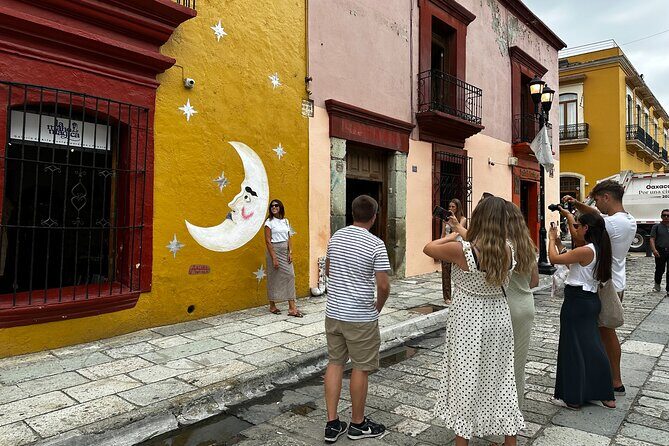
After the first big market, the tour shifts to Mercado Benito Juárez. Again, it’s about 40 minutes, which keeps the energy moving while still letting you slow down enough to taste.
This stop leans into a classic: quesillo, the Oaxacan cheese you’ll get as a dedicated tasting bite. If you’ve never had quesillo in its home city context, it’s a great way to anchor the flavors of the day. Cheese here isn’t just an add-on; it’s part of the local food logic.
You’ll also pick up a sweet local snack. That matters because it balances your palate across the route. By this point, you’ve tasted mole and savory bites, so the sweet stop helps reset before you head toward the Zócalo.
The other reason this market stop feels valuable is the contrast. Mercado 20 de Noviembre is a first hit. Mercado Benito Juárez is a follow-up that keeps you moving through different food vibes in Oaxaca, instead of repeating the same kind of stall experience.
Zócalo tastings: teja(te), pan de yema, cacao brews, and coffee
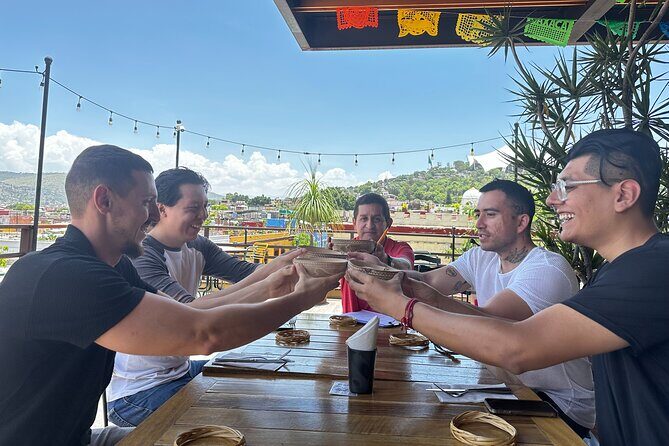
Then you reach the Zócalo, Oaxaca’s main public square. The tour has a clear mission here: give you a seat at a local-drink table, right in the center of it all.
You’ll try tejate, described as a pre-Hispanic drink tradition in Oaxaca, and you’ll have it with pan de yema. This pairing is more than a snack. It’s a taste of how older food traditions show up in everyday life—served, shared, and ready to drink while you people-watch.
The included menu also lists pre-Hispanic cacao brews and earthy olla coffee. Even if the exact sip timing varies, the intent is consistent: you’re not just doing one sugar drink and calling it cultural. You get different formats of coffee/cacao style flavors that connect to Oaxaca’s long-standing taste culture.
And because the tour includes a genuine chocolate bite from Oaxaca, you’ll also be able to compare chocolate as a solid bite versus cacao-style drinks. That’s a small thing, but it makes the flavor story clearer.
One thing to consider: square stops can mean more foot traffic around you, and it’s easy to get distracted by the sights. That’s not bad. Just remember the order of what’s served matters. Try to focus on each pairing before you start scanning for souvenirs.
Calle Macedonio Alcalá: terrace bites, tlayuda with meat, and chapulines
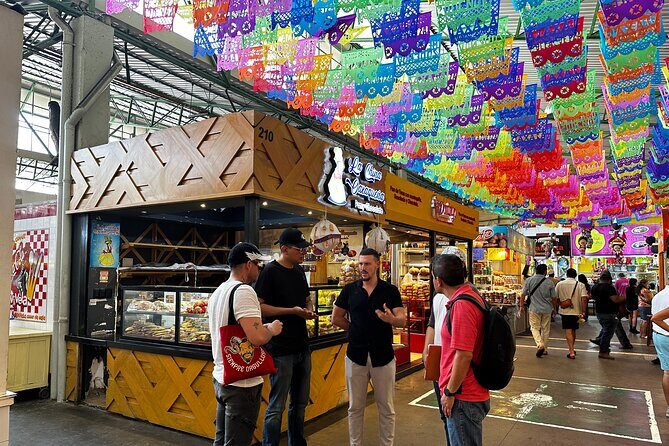
The route then moves to Calle Macedonio Alcalá, a historic-center area known for shops and local activity. This isn’t just a scenic detour. It’s where the tour blends food with the everyday city rhythm.
You’ll explore a busy stretch where locals spend time, and at some point you’ll land on a terrace for more food. That terrace moment is a nice break from standing and walking. It’s also where a “secret destination” angle starts to feel real—because you’re not ending the tour with a generic last bite.
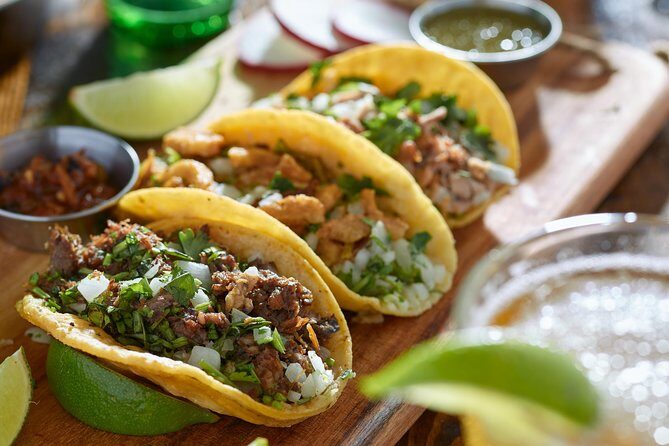
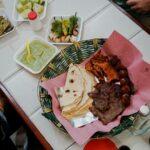
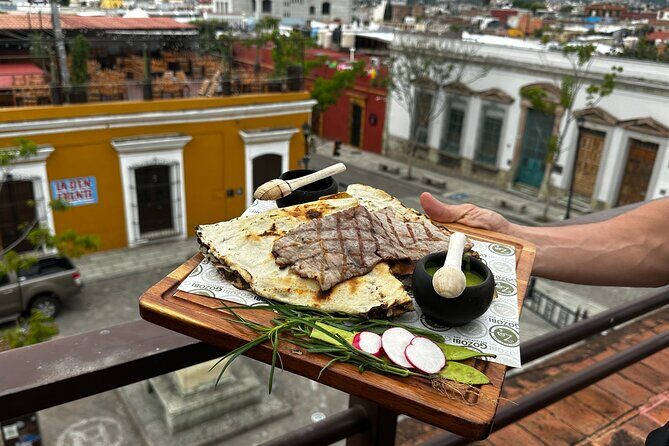
The included savory highlights at this stage include Mexican pizza as a handmade crispy tlayuda with meat. If you want one item that feels like Oaxaca’s version of street food comfort—something crispy, filling, and clearly made for local appetites—this is the one.
This portion of the tour also includes chapulines (crickets). The key detail is that they’re offered for the brave. If you’re squeamish, this is still the kind of moment where the guide’s role matters: they set the tone, and you can decide whether to try it or not. I like that it’s optional in spirit, because it gives you control over your own comfort level.
And yes, there’s also a secret dish. That’s part of the fun of this tour: you don’t just get a checklist of known foods. You end with something that feels like it belongs to the route’s payoff.
You can also read our reviews of more tours and experiences in Oaxaca City



What the $77 really buys you in Oaxaca
At $77 per person for about 3 hours, the headline value is easy: you’re paying for guided tasting, not just ingredients. Oaxaca market food can be affordable, but the real savings on tours like this come from two places: reduced decision fatigue and a packed sequence of tastings you’re unlikely to assemble yourself.
Here’s what’s included across the experience:
- Mole Negro and Mole Rojo tastings
- Fried chile relleno
- Chocolate bite plus pre-Hispanic cacao brew(s)
- Chapulines
- Quesillo and a heritage sweet cookie
- Tejate with pan de yema
- Crispy tlayuda with meat (Mexican pizza-style)
- A secret dish, plus water and earthy olla coffee
That’s a lot of “small eats” spread out through the route. So while it’s not a single restaurant meal, it often works as your main food event for the day. I’d plan an easy dinner afterward, because you may not need a full sit-down meal right after.
One more value point: the tour format is designed for attention. With a cap of 12, you’re more likely to get real explanations rather than just a quiet nod while you chew. Reviews also point to guides who do a good job giving time to enjoy food, not just rushing from stop to stop.
Practical tips before you go
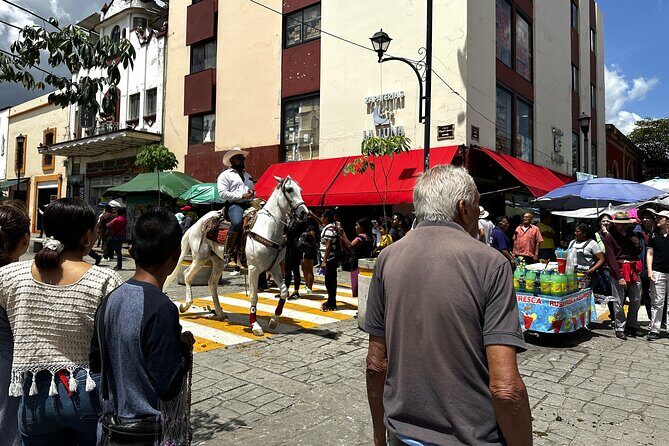
This is a market-and-center walking tour with a moderate physical fitness level note. In real life, that usually means you’ll be on your feet a fair bit, moving through crowded areas, and stopping often.
My biggest practical advice:
- Wear comfy shoes. You’ll be standing and walking more than you might expect for 3 hours.
- Eat breakfast or expect a snack-heavy day. This tour includes savory and sweet tastings throughout, plus coffee/cacao drinks.
- Be open to texture surprises. Fried chile relleno and crispy tlayuda do not behave like mild restaurant food.
- Decide your chapulines comfort ahead of time. If you’re curious, try them. If you’re not, just plan to enjoy everything else.
Also, keep in mind that there’s no pick-up or drop-off. You’ll meet at the stated starting point near 20 de Noviembre and end near Santo Domingo Square. That’s not a downside; it’s just how you should plan your day around it.
Who this Oaxaca City tour suits best
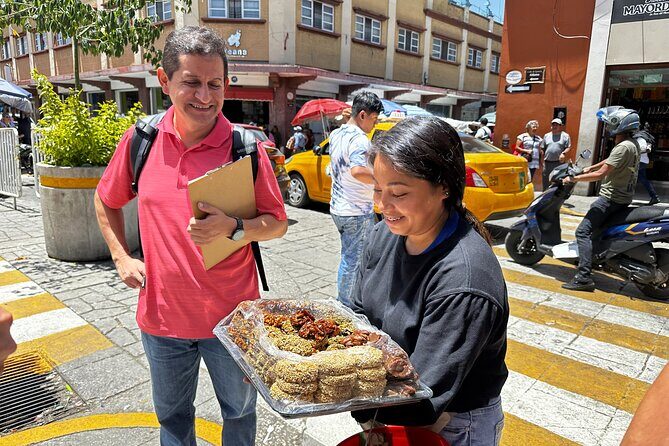
This tour is ideal if you want:
- A fast way to learn Oaxaca flavors without guessing
- A route that covers multiple food zones (markets, Zócalo, historic shopping streets)
- A guide who explains what you’re tasting and keeps things moving
- A good mix of savory, sweet, chocolate, and cacao-style drinks
It’s less ideal if you hate crowds, want long free time at each stall, or prefer a quieter sit-down meal style.
That said, the route is balanced enough that it still feels like more than a food crawl. It’s structured to help you connect the dots between markets, traditional drinks, and the center of the city.
Should you book this Oaxaca City food tour?
I’d book it if you’re in Oaxaca City for a short window and you want your time to count. For $77, you get a dense spread of Oaxacan classics—especially the mole comparison, tejate with pan de yema, quesillo, and the final payoff with tlayuda plus a secret dish.
If you’re someone who likes street food but also wants context, this is a strong match. The small group size helps, and the guide-led pacing seems to be a core reason it scores high.
You might skip it if you don’t want to stand/walk in lively market areas or if you’re strictly avoiding any chance of trying chapulines. In those cases, look for a more restaurant-style option.
Otherwise, this is a smart “food orientation” choice. You’ll leave with flavors you can actually place on a map of Oaxaca City.
FAQ
How long is the Oaxaca food tour?
The tour lasts about 3 hours.
How much does it cost?
It costs $77.00 per person.
Where does the tour start and end?
It starts at 20 De Noviembre, C. de Ignacio Aldama 217, in Oaxaca City’s Centro area. It ends near Santo Domingo Square, at C. Macedonio Alcalá 407, Centro.
What language is the tour offered in?
The tour is offered in English.
How big is the group?
The tour has a maximum of 12 travelers.
Is pick-up or drop-off included?
No. Pick-up and drop-off are not included.
What tastings are included?
The tour includes Oaxacan mole tastings (mole negro and mole rojo), fried chile relleno, a genuine chocolate bite, chapulines (crickets), quesillo, a sweet cookie, pre-Hispanic cacao-style drinks with pan de yema, tlayuda with meat, a secret dish, water, and earthy olla coffee.
Is there an admission fee to enter the stops?
The tour details mark the parish and market stops as free admission.
What if the weather is bad?
The experience requires good weather. If it’s canceled due to poor weather, you’ll be offered a different date or a full refund.
What is the cancellation policy?
You can cancel for a full refund up to 24 hours before the experience starts. If you cancel less than 24 hours before, the amount you paid is not refunded.