REVIEW · MEXICO CITY
Treasures of Mexico City: Palaces and Museums
Book on GetYourGuide →Operated by Turicard Tours · Bookable on GetYourGuide
Four buildings, one strong Mexico City story.
This tour strings together major landmarks so you can see how art, money, and architecture shaped the country. I especially love the way Palace of Fine Arts acts like a grand finale with murals and marble, and I love MUNAL for its clear artistic timeline from earlier Mexico to the early 1900s.
One thing to consider: the walking route is time-focused, and the National Art Museum (MUNAL) can be closed in rare circumstances, which may affect what you see.
In This Review
- Key things to know before you go
- How This 4-Hour Architecture Walk Works
- Meeting at Palacio de Bellas Artes: The easiest start
- Stop 1: National Art Museum (MUNAL) and how Mexican art changes over time
- Stop 2: Banamex Culture Palace and the story behind Mexico’s financial power
- Stop 3: Palacio de Correos de México, a style mashup you can read
- Mid-tour break: A cooperative store of Mexican artisans
- Final stop: Palace of Fine Arts and the murals that define the mood
- Skip-the-line and guided access: why it changes the whole day
- Price and value: Is $42 fair for 4 hours?
- Who this tour fits best
- Tips to make the most of it (and take better photos)
- Should You Book This Palaces and Museums Tour?
- FAQ
- How long is the tour?
- Where do I meet the guide?
- What does the tour cost?
- What’s included in the price?
- Is food included?
- What languages are offered?
- Is skip-the-line access included?
- What if the National Art Museum (MUNAL) is closed?
Key things to know before you go
- Skip-the-line entry via a separate entrance helps you use your 4 hours wisely.
- Four landmark stops connect Mexican art, banking, postal history, and national culture in one flow.
- Palacio de Correos architecture mixes Art Nouveau, Venetian Neo-Gothic, Baroque, and Neoclassical details you can actually spot.
- Murals at the end include works by Diego Rivera and Rufino Tamayo at the Palace of Fine Arts.
- A cooperative artisans shop lets you browse local craft production, not just museum walls.
- Meet at the Palace of Fine Arts for an easy start point and a clean way to regroup.
How This 4-Hour Architecture Walk Works
This isn’t a “see everything” tour. It’s a focused loop designed to give you context fast. In about four hours, you’ll move through landmark buildings that each represent a different side of Mexico City’s cultural evolution: the arts, the economic engine, public infrastructure, and national identity.
You’ll get a professional guide and entry tickets included, plus a skip-the-line setup using a separate entrance. That matters because museums can eat up your time at the front door. With this format, you spend more minutes inside the rooms and less time waiting outside.
You’ll also want to plan your energy for walking. This is a city-center route, so wear comfortable clothes and bring a camera. The tour doesn’t include food or drinks, so if you’re the kind of person who gets hungry on foot, eat something beforehand and carry water.
You can also read our reviews of more city tours in Mexico City


Meeting at Palacio de Bellas Artes: The easiest start
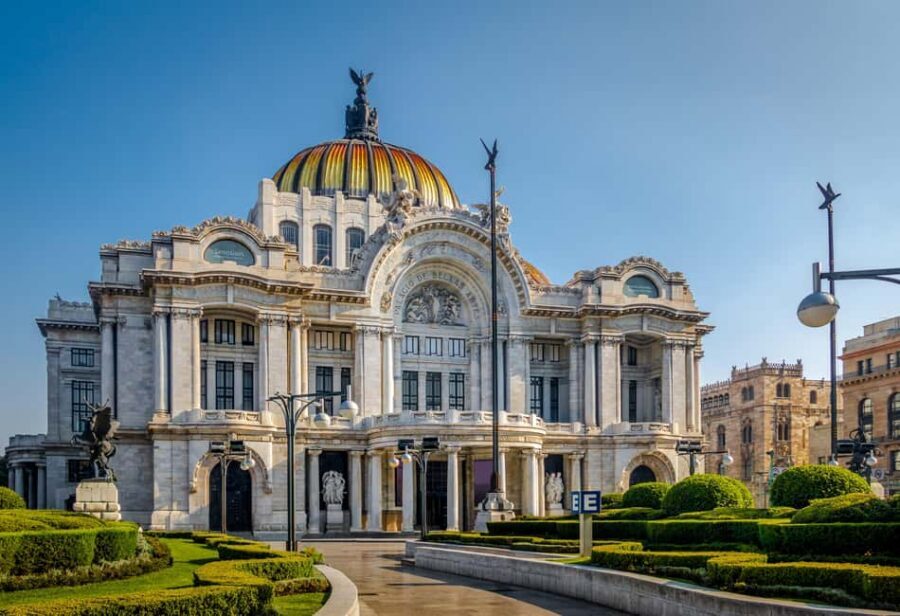
Your meeting point is the Palacio de Bellas Artes area (the Palace of Fine Arts). There’s a simple “spot your guide” tip: wear a blue shirt, carry an umbrella, or use a blue backpack so you can quickly identify the group.
Why that’s useful: the Palacio de Bellas Artes is busy. If you’re showing up for a 4-hour slot, you don’t want a slow start. Arriving a few minutes early helps you settle and avoid that last-minute scramble.
The guide works in Spanish and English. If you prefer English, you’ll still get the same route and key stops, but note that some content may be shared in the original language.
Stop 1: National Art Museum (MUNAL) and how Mexican art changes over time
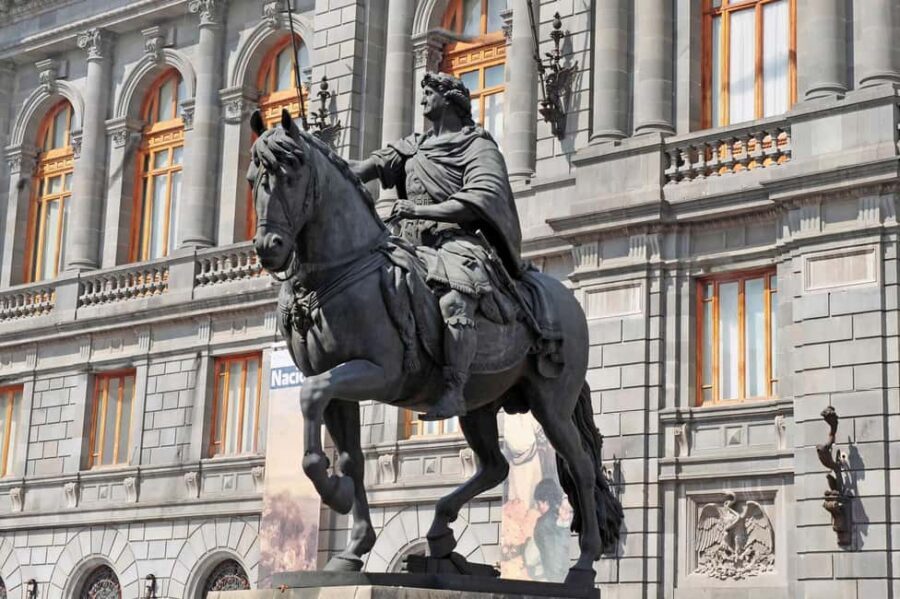
Your first major museum stop is the National Art Museum (MUNAL). The idea here is not just seeing paintings on walls. It’s walking into a set of rooms that show how Mexican art developed across major historical moments—starting from a viceregal period and moving toward the early 20th century.
This stop is valuable because it gives you a framework for everything else you’ll see later. When you understand the progression of style and themes, murals at other sites start making more sense. You’re not treating the art like separate “cool things.” You’re seeing a line of ideas.
Practical note: MUNAL can be closed to the public during extraordinary circumstances. If that happens, you may not get the same full museum experience. The good news is that the tour is built around multiple key buildings, so you’re unlikely to get a totally empty itinerary.
Stop 2: Banamex Culture Palace and the story behind Mexico’s financial power
Next up is the Banamex Culture Palace, tied to the historic Banco Nacional de México. On the surface, it’s a stunning building. Underneath, it’s a lesson in how Mexico’s growth and modernization intersect with banking.
Your guide focuses on banking as more than money management. You’ll learn how financial systems shaped Mexico’s economic course, and you’ll get a sense of how this building became one of the influential pillars of the Mexican financial system.
This stop is a smart change of pace. You shift from art rooms to something more “institutional,” and that contrast helps you appreciate why the country’s big decisions often show up in architecture. In Mexico City, power has always had a visual language.
Stop 3: Palacio de Correos de México, a style mashup you can read
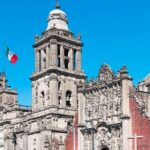
The Post Office Palace (Palacio de Correos de México) is where the tour gets delightfully visual. This building is famous for its mix of architectural styles, including Art Nouveau, Venetian Neo-Gothic, Baroque, and Neoclassical elements. Your guide will help you notice how the building’s details create that layered effect.
Here’s why this stop works for real-world sightseeing: you can stand in front of the facade or look inside and actually spot the transitions. You’re not stuck with a vague “it’s pretty” reaction. You get a way to look.
The tour also highlights the atmosphere inside—columns, gold details, and the sense that each corner is transporting you to another era. If you’re the type who likes architecture photos that look more than generic, this is one of your best shots on the walk.
You can also read our reviews of more museum experiences in Mexico City



Mid-tour break: A cooperative store of Mexican artisans
Along the way, you’ll visit a cooperative store of Mexican artisans. This is one of those small stops that can meaningfully shift your trip. Instead of only learning about culture through formal institutions, you get a chance to see craft-making tied to real people and real community work.
What to do here: slow down and look closely at what’s for sale. If you like buying souvenirs, this is the kind of stop where your money often supports cooperative production rather than mass retail.
If you’re not shopping, you can still enjoy it as a cultural waypoint. It breaks up the museum-heavy portion of the tour and gives you a more human sense of Mexico City’s creative life.
Final stop: Palace of Fine Arts and the murals that define the mood
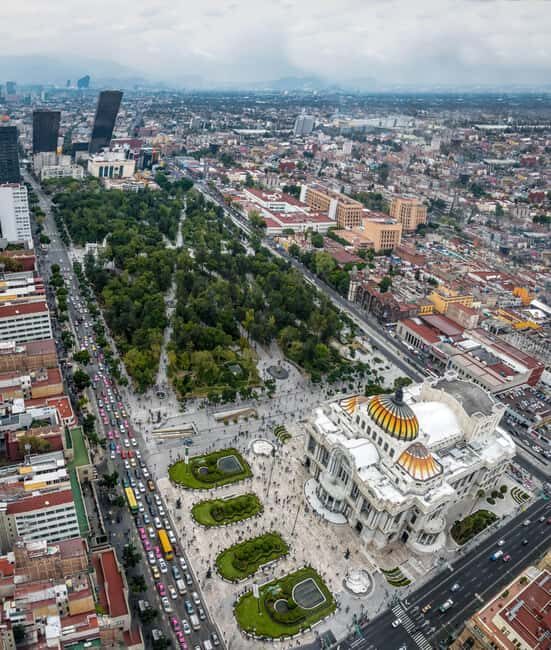
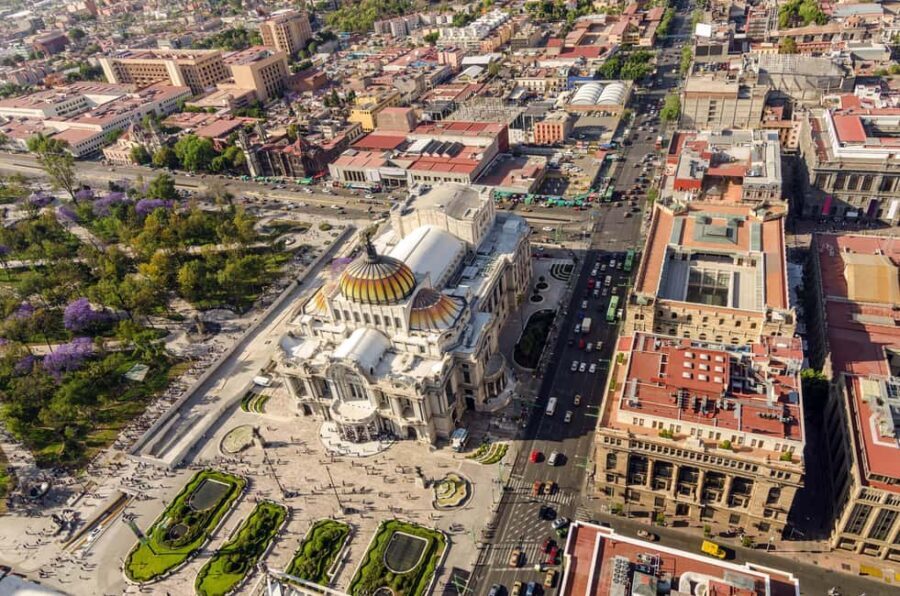
You finish at the Palace of Fine Arts (Palacio de Bellas Artes), starting and ending in the same place so you always know where you are. By the time you reach the finish, you’ve seen art, institutions, and architecture styles, so the final building lands with more impact.
The exterior is known for its white marble facade, but the real payoff is inside: you’ll see halls where murals by Diego Rivera and Rufino Tamayo are highlighted. That’s a powerful pairing because it anchors the tour in major names tied to Mexico’s visual identity.
This is also a cultural center, so you’re not just viewing a historic structure. You’re walking into a living hub for exhibitions and shows, and that sense of ongoing activity is part of why the Palace of Fine Arts feels like a destination rather than a one-time photo stop.
If you want the best experience here, take a minute before the guide moves on. Stand still, look up, then let the guide point out what to focus on. That’s how the building goes from impressive to memorable.
Skip-the-line and guided access: why it changes the whole day
One of the practical strengths of this tour is entry tickets included and skip-the-line access via a separate entrance. In a place like Mexico City, waiting can be the difference between enjoying a site and feeling rushed.
Because the guide is managing the flow, you’ll also get smoother transitions between stops. The route is designed to keep momentum without turning the tour into a sprint.
There’s also a live guide in Spanish and English, which helps you get the “why” behind the “what.” The buildings aren’t just described as pretty structures; you’ll connect each stop to a broader cultural and historical role.
Price and value: Is $42 fair for 4 hours?
At $42 per person for a 4-hour guided walking tour, the value is strongest if you care about interpretation. You’re paying for:
- A professional guide (not just a self-guided audio route)
- Entry tickets to museums and monuments
- Skip-the-line access that saves time
If you were to try to replicate the same sequence by yourself, you’d still spend money on separate admissions and time figuring out routes and entry timing. For many visitors, the convenience of guided structure is worth it by itself.
The biggest “cost” isn’t the price. It’s planning your time. No food is included, and you’ll want comfortable clothes and good walking shoes for a city loop.
Who this tour fits best
This one is ideal if you:
- Want architecture and art with clear context, not just photos
- Like mixing cultural sites with institutions like banking
- Prefer a guided route that stays focused within a 4-hour window
- Enjoy guided attention to design details (especially at the Post Office Palace)
You might want to skip or adjust your expectations if:
- You hate walking or need a slower pace
- You’re only interested in one building and don’t want a multi-stop format
- You’re visiting during a period when MUNAL may be closed due to extraordinary circumstances
Tips to make the most of it (and take better photos)
Bring a camera and comfortable clothes—simple advice, but it matters because you’ll be moving between indoor museum spaces and exterior building details. The tour starts and ends at the Palace of Fine Arts area, so you’ll likely spend time under different lighting and crowd levels.
If you want the best photos:
- Take an exterior shot at the Palace of Fine Arts early, then focus on details inside later.
- At the Post Office Palace, don’t shoot only the facade. Look for columns and gold elements, since those were specifically highlighted for a reason.
- In museums, stand back for a moment first. Let your guide set the theme, then zoom in with your lens.
Also, no alcohol or drugs are allowed. And since food and beverages aren’t included, plan a snack break before you meet or eat after the tour ends.
Should You Book This Palaces and Museums Tour?
Yes—if you want Mexico City’s big landmarks tied to real meaning. The mix of MUNAL, Banamex, the Post Office Palace, and the Palace of Fine Arts gives you a rare “connect-the-dots” view of how art, infrastructure, and national institutions shaped the city’s story.
Book it when you have a half-day to give and you want someone to point out what’s important before you get lost in the scale. It’s also a solid choice if you enjoy architecture that you can actually learn to look at—especially the style layers at Palacio de Correos de México.
If MUNAL is a top priority for you, keep flexibility in mind, since extraordinary closures can affect access.
FAQ
How long is the tour?
The duration is 4 hours.
Where do I meet the guide?
Meet at the Palace of Fine Arts (Palacio de Bellas Artes). The tip is to wear a blue shirt, an umbrella, or a backpack to spot your guide.
What does the tour cost?
The price is $42 per person.
What’s included in the price?
A professional tour guide and entry tickets to all museums and monuments are included.
Is food included?
No. Food and beverages aren’t included.
What languages are offered?
The live guide is available in Spanish and English.
Is skip-the-line access included?
Yes. You’ll use a separate entrance to skip the line.
What if the National Art Museum (MUNAL) is closed?
In extraordinary circumstances, MUNAL may not be open to the public during the tour, which can affect what you’re able to see there.