Cablebus daydreams are real in CDMX. This tour turns the Cablebus into a front-row seat for Mexico City’s hillside neighborhoods, with guide Erick bringing the how-and-why behind each stop. You get rides, views, and real daily-life moments beyond the usual postcard route.
I love the mix of big-sky views and small-group attention. I also love the pulque tasting portion, because you’re not just sampling a drink—you’re hearing how people connect it to place and routine. (And yes, that pulqueria stop is a highlight when it’s open.)
One drawback to plan for: there’s a short but steep hike, and pulque doesn’t sit well with everyone. If you’re sensitive to alcohol or prone to stomach trouble, pace yourself and skip the tasting if you want.
In This Review
- Key things to know before you go
- Why this Cablebus-and-pulque trip is worth your time
- Indios Verdes to Cuautepec: seeing daily life from above
- Cuautepec streets and the reality of steep hills
- Tlalnepantla and the “last lung” nature break
- Pulque tasting: where the experience turns social
- The VW beetle rides and local food add-ons (when they’re included)
- Price and time value: what $35 buys in real terms
- What to wear and bring for the hike and pulque stop
- Is this tour for you? (And who might want to skip)
- Should you book? My practical call
- FAQ
- How long is the tour?
- What does it cost?
- Is the tour offered in English?
- What transportation do we use during the experience?
- Is pulque included?
- Can I cancel for a full refund?
Key things to know before you go
- Cablebus Indios Verdes start: you’ll ride from a major hub into the hills, not just around downtown.
- Cuautepec neighborhood walk-through: steep streets and everyday homes give you context you can’t get from photos.
- Tlalnepantla nature reserve viewpoints: the “last lung” idea becomes real when you reach the height.
- Pulque tasting at a mountain-top spot: the highlight for many people is tasting where the vibe feels local.
- A tougher moment than expected: expect uneven ground and stairs-like climbs, so shoes matter.
- Small group size (max 9): it stays conversational, not a cattle-line tour.
Why this Cablebus-and-pulque trip is worth your time
Mexico City has a way of pulling you into the center—museums, plazas, big landmarks, the stuff that fits neatly into a day plan. This tour breaks that pattern by starting with the Cablebus system and following the commute into the hills.
The result is a different kind of sightseeing. Instead of looking at neighborhoods from outside, you see why they’re built the way they are: steep hills, layered homes, and daily routes that make sense for the people who live there. The views are the payoff, but the real win is understanding the city’s vertical geography and how public transit works up north.
Price-wise, $35 feels fair for a half-to-most-of-the-day outing that includes transit time, guided interpretation in English, and a pulque tasting component. It’s also a small-group experience (max 9), which usually means better pacing and more chance to ask questions.
A name you’ll hear in the tour experience is Erick. In the English-speaking groups, he’s repeatedly described as careful, attentive, and proud of local details—exactly the vibe you want for a day that depends on getting context, not just taking photos.
Indios Verdes to Cuautepec: seeing daily life from above
Your morning starts at Cablebus Indios Verdes (Residencial Zacatenco, Gustavo A. Madero). That matters because you’re not guessing your way to a random cable station. You’re going in with a plan and a guide who knows the best flow.
Stop 1 is essentially your launch: a cable ride for about 45 minutes that puts the hillside neighborhoods in front of you like a map you can watch in motion. From up there, you catch patterns fast—where the houses stack, how streets cut through slopes, and where the city’s energy gathers.
Then you step into Cuautepec. This is where the tour shifts gears from “wow, view” to “oh, that’s why it looks like that.” Cuautepec’s history runs back thousands of years, with finds tied to very old cultures. You won’t turn into an archaeologist in 2–3 hours, but you’ll understand that the area wasn’t created yesterday, and the terrain has shaped settlement for a very long time.
You get about 45 minutes here—enough time to notice the street layout, the way houses hug difficult land, and the overall rhythm of people moving through the barrio.
Cuautepec streets and the reality of steep hills
What I find most useful about the Cuautepec portion is the “reality check” effect. Mexico City is famous for being huge, but it’s easy to forget that huge doesn’t mean flat.
In Cuautepec, the hills are part of the story. The streets feel tight and steep, and the homes are built to handle conditions that would be a nightmare in a flat city. When you’re walking through, you start to see why locals treat transit and route efficiency as a daily survival skill—not a nice-to-have.
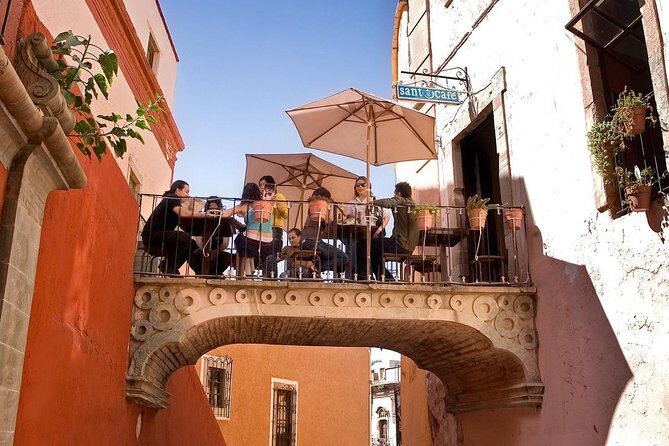
You also get a bit of the culture layer people often miss: street art, local energy, and the sense that this is where people live, work, and raise families—not a staged set for visitors. Even if you only catch glimpses in the brief time window, the impression sticks because it’s not trying to be impressive. It’s just functioning.
One tip: you’ll likely be moving at street level, not just staying on smooth paths. Bring comfortable shoes and expect uneven sidewalks and steep corners.
Tlalnepantla and the “last lung” nature break
After Cuautepec, you go up toward the natural reserve area. The tour describes Tlalnepantla as Mexico City’s “last lung,” and the description matches what you feel once you’re higher: you get a change in air and space, and the city stops looking like one flat blob.
The transfer includes a cab up the hills to the highest part, followed by time for the nature viewpoint. This stop is about 30 minutes, which is short, but it’s timed for impact: you reach the elevation, you see the valley spread out, and you get that moment where the city becomes readable from above.
The views are the headline here—city and state of Mexico visibility are part of the point—but the practical value is how it reshapes your sense of geography. When you’re back in the center later, you’ll “remember the slopes” instead of just remembering monuments.
If you’re someone who prefers nature breaks over museum breaks, this is the perfect ratio. If you’re expecting a long hike through trails, you may find it more compact than you imagined—but it still delivers the height and panorama.
Pulque tasting: where the experience turns social
This tour isn’t just transportation and photos. A major reason people book it is the pulque tasting at the top area, in a local pulqueria-like stop.
What makes it interesting is the way pulque is treated: it’s not just a drink handed to you in a souvenir shop. The experience is structured so you can interact with people and soak up the atmosphere that comes with a community space. Many people highlight this as a “must do” moment, because it’s one of the few ways to taste something regional in a setting that feels lived-in.
That said, balance matters. One caution from an outlier experience: a participant reported feeling sick a few hours later and suspected pulque might be the trigger. I can’t promise what will happen to you, but if you have a sensitive stomach, keep your portion small, drink water, and don’t do pulque on an empty stomach.
Also, while most groups describe the pulque stop as a highlight, there’s an unusual report of the drinks place being closed at the time of a tour. That doesn’t sound like the norm, but it’s a reminder that small local businesses can have off moments. If pulque is your #1 reason for booking, it’s smart to keep flexibility in your expectations.
The VW beetle rides and local food add-ons (when they’re included)
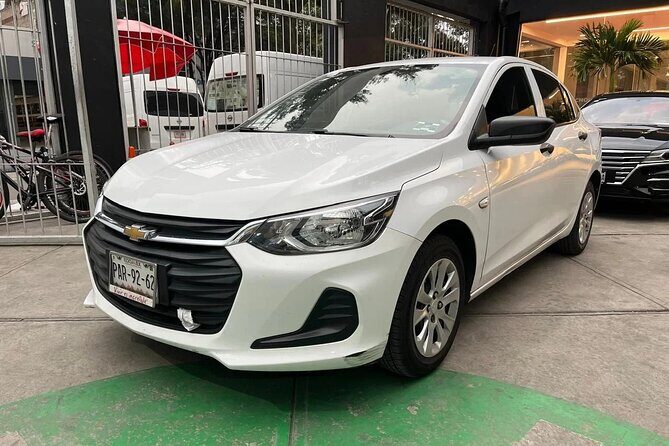
A standout theme in the tour experience is that you don’t stay in only one transport mode. In addition to the Cablebus, some groups are taken onward in a ride using older VW Beetle-style vehicles through a steep neighborhood stretch. It sounds whimsical—and it is fun—but it’s also practical: it helps you access hill routes without turning the day into a full-on endurance contest.
You may also get a quick market or church stop in a local area, plus time for light snacks. Some groups mention a simple lunch prepared by a family, and others mention stopping for churros from a street vendor. These pieces aren’t guaranteed as a checklist item every time, so I’d treat them as “likely local flavor moments” rather than a fixed menu.
The value here is that the day becomes about how people move and eat, not just what they see. If you’re the kind of traveler who likes learning the local logic behind ordinary things, these small touches help.
Price and time value: what $35 buys in real terms
At $35 per person, you’re paying for more than a cable ride. You’re paying for:
- guided routing into residential hillside barrios
- time spent at Cuautepec and the nature-view area
- the pulque tasting component
- English-speaking interpretation
- a small group cap (max 9)
The tour duration is listed as 2 to 3 hours, but in practice your day may run longer depending on where you’re starting from and how long transfers and stops take. Some groups report closer to 4 hours when they include travel time from central lodging.
I’d think of this as a half-day experience that works best when you’re not rushing to a night plan right after. If you’re doing it early, you’ll still have the rest of the day for museums or markets. If you do it late, the hike and pulque can push fatigue into the evening.
When it comes to advance booking, it’s commonly booked about 12 days in advance on average, so snag a spot when you can—especially if you’re traveling in busier weeks.
What to wear and bring for the hike and pulque stop
This isn’t a long trekking day, but it’s not a “wear flip-flops and stroll” day either. Plan around a short but steep, uneven climb.
I’d bring:
- comfortable shoes with grip
- sunscreen and a hat (when skies are clear at elevation, sun hits hard)
- a small water bottle (even if the tour includes tasting, you’ll still want hydration)
- a light layer for the cooler height and breezes
For pulque, keep it simple:
- If you like trying local alcohol, go for the tasting.
- If you’re cautious, take it slow or skip it without drama. A tasting stop should be optional in your experience, not a dare.
Is this tour for you? (And who might want to skip)
This tour fits best if you want:
- authentic neighborhoods with transit and street-level context
- a view that feels earned because you climbed to it
- local food and drink moments that are tied to place
- a small-group, English-guided format
It may be less ideal if:
- you hate any steep walking, even short climbs
- you have a very limited stomach-for-alcohol situation
- you expect a strict, museum-style itinerary with zero surprises
The outlier negative experience is worth acknowledging. One report criticized car conditions and claimed the pulque stop was closed, plus concerns about hygiene. That’s one voice compared to many positive ones, but it’s still enough that I’d go with a simple rule: if something feels unsafe or off, say something early and be ready to adjust your plan. Trust your instincts.
Should you book? My practical call
If you want Mexico City that feels less scripted, I’d book it. The Cablebus ride alone is a great switch from walking in the center, but the real reason to go is the combination of hillside transit, the Cuautepec street-level view, the Tlalnepantla mountain lookout, and the pulque tasting moment.
Book it early in your trip if you can. After you’ve seen how the city stacks on hills and how people commute with cable transit, you’ll interpret the rest of your itinerary differently—and that makes the whole trip feel smarter.
Just be honest with yourself about shoes and stomach sensitivity. Bring good footwear, keep your expectations flexible about the exact pulque stop conditions, and you’ll get a genuinely memorable day out of the tour bubbles.
FAQ
How long is the tour?
The experience is listed as about 2 to 3 hours.
What does it cost?
It costs $35.00 per person.
Is the tour offered in English?
Yes, it’s offered in English.
What transportation do we use during the experience?
You ride the Cablebus, and the day includes additional local transport up the hills.
Is pulque included?
Yes. Pulque tasting is part of the experience.
Can I cancel for a full refund?
Yes. You can cancel up to 24 hours in advance for a full refund. If you cancel within 24 hours, the amount paid is not refunded.