REVIEW · MEXICO CITY
Iztaccihuatl Volcano Tour from Mexico City
Book on Viator →Operated by Qué Loco! Tours · Bookable on Viator
Two volcanoes, one hike day.
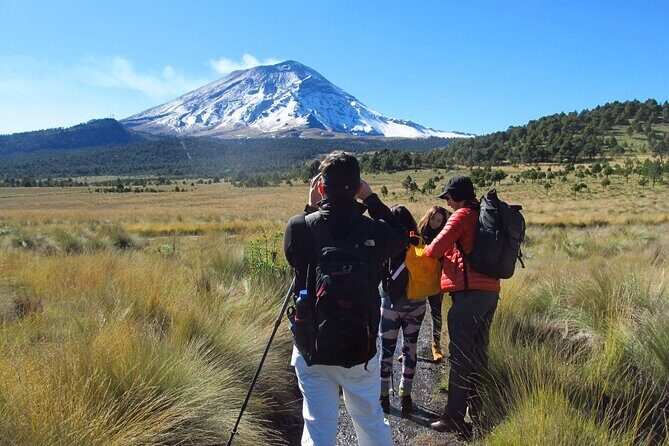
In Izta-Popo National Park, you’ll walk through a high-altitude pine ecosystem toward views of the inactive Iztaccíhuatl and Popocatépetl volcanoes. I especially like the fact that the day is guided by a certified pro (think Luis and Gloria on some departures), and you’re not left guessing your way through thin air—plus there’s safety equipment and an easy pace-control vibe in a small group.
I also like how the route options match real fitness levels: Level 1 is short and beginner-friendly, while Level 3 is longer, sandier, and more uphill at higher elevation. The one thing to watch is weather and altitude. This tour depends on good conditions, and you’ll be hiking between about 3,600 and 4,500 meters, where even a moderate hike can feel like a challenge.
In This Review
- Key things that make this hike worth your time
- Why the Izta-Popo volcano hike feels special
- Choosing the right difficulty: Level 1 vs 2 vs 3
- Level 1: A beginner-friendly taste (3 to 4 hours)
- Level 2: Longer, sandy, with water breaks (about 5 hours)
- Level 3: Higher elevation and more uphill work (5 to 6 hours)
- The early start and 11-hour day: what timing really means
- Stop 1: Paso de Cortes, where the day starts to make sense
- Stop 2: Izta-Popo National Park—pine air and two volcanoes in one view cycle
- A quick practical note on volcano views
- Stop 3: Iztaccíhuatl focus—your hike’s main storyline
- Guides and safety gear: the difference between hiking and freestyling
- And the transport part is real, not an afterthought
- Weather and altitude: your two main decision-makers
- What’s included (and what you’ll still need)
- Included
- Not included
- Price and value: is $186.28 worth it?
- Who should book this hike
- Should you book this Iztaccíhuatl and Popocatépetl tour?
- FAQ
- What time does the tour start?
- How long is the tour?
- Is pickup and transportation included?
- What are the hike times for each level?
- What distances are involved on Level 1 and Level 2?
- What’s included in the ticket price?
- Is lunch or breakfast included?
- How many people are in the group?
- What happens if weather is bad?
Key things that make this hike worth your time
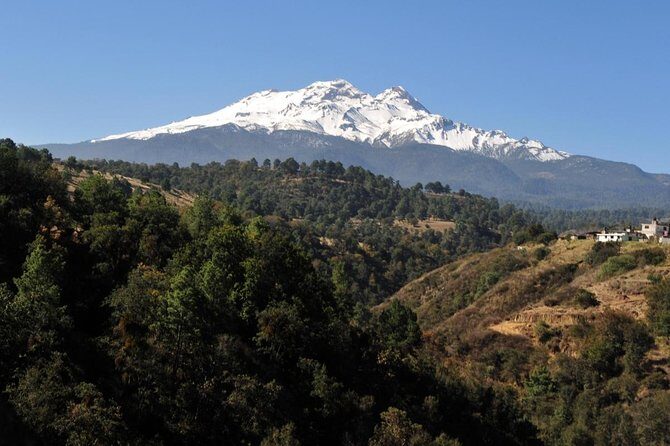
- You see both volcanoes on the same outing, with route options built around that goal
- Small group size (max 10) keeps it calmer and easier to check in on your pace
- Certified guide + safety gear means you’ll have real help when you feel the altitude
- Three distance levels let you choose a hike that fits your day, not just your ego
- Private round-trip transport removes the stress of getting there early and back safely
Why the Izta-Popo volcano hike feels special
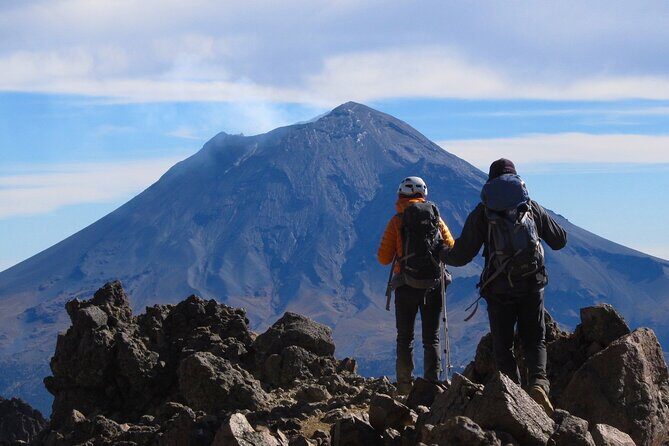
This is not one of those trips where you drive for hours, get out for five minutes, and call it adventure. The magic here is that the hike itself is built around the park’s two-volcano setting. The guide walks you through the ecosystem as you go, so you’re learning while you’re breathing pine-scented air at high elevation.
And yes, the views are the headline. But the quieter win is the pace and structure: you choose a difficulty level, your route has a clear goal (viewpoint and volcano perspectives), and the group stays small enough that you’re not hiking as a crowd.
You can also read our reviews of more city tours in Mexico City

Choosing the right difficulty: Level 1 vs 2 vs 3
Picking the right level is the easiest way to make sure you enjoy the day instead of just surviving it.
Level 1: A beginner-friendly taste (3 to 4 hours)
Level 1 is designed for first-timers. You’ll hike about 4 km toward Iztaccíhuatl and another 4 km toward Popocatépetl, aiming for a viewpoint. Expect elevation roughly 3,600–3,980 meters, and plan on around 3–4 hours of hiking time.
This is a smart pick if you want the volcano views without committing to a long slog. It’s also the level that several people describe as properly suited for beginners.
Level 2: Longer, sandy, with water breaks (about 5 hours)
Level 2 stretches to 13–14 km total on mostly sandy trail. The route includes a small waterfall and two streams, and the walk is arranged so you’ll see Izta on one half and Popo on the other half. Elevation sits around 3,600–3,960 meters.
Choose this if you’re comfortable walking most of the morning and you like natural “reward stops” like streams and waterfall along the way.
Level 3: Higher elevation and more uphill work (5 to 6 hours)
Level 3 is for hikers who want the bigger effort. You’ll be hiking on the Izta side at roughly 4,000–4,500 meters, around La Joya. The trail is described as sandy with loose stones, and it’s mainly uphill.
This is the level where altitude can bite harder and where good footwear and a steady pace really matter. On some days, guides are attentive about your condition—one review even notes support when altitude sickness showed up. That’s exactly why having a certified guide and a small group is a big deal.



The early start and 11-hour day: what timing really means
The tour kicks off at 6:00 am. The full day is listed at about 11 hours, which sounds long until you realize it includes the round-trip transport, park time, and the fact that you’ll want daylight for the best views.
Also, starting early helps you get cooler temperatures and clearer visibility. You’ll likely move at a pace that works for the level you booked, with regular guide check-ins so nobody gets left behind.
If you’re the type who hates feeling rushed, this is still a long day—but at least it’s not a chaotic one. Private transport tends to keep the “how do we get there” problem out of your brain.
Stop 1: Paso de Cortes, where the day starts to make sense
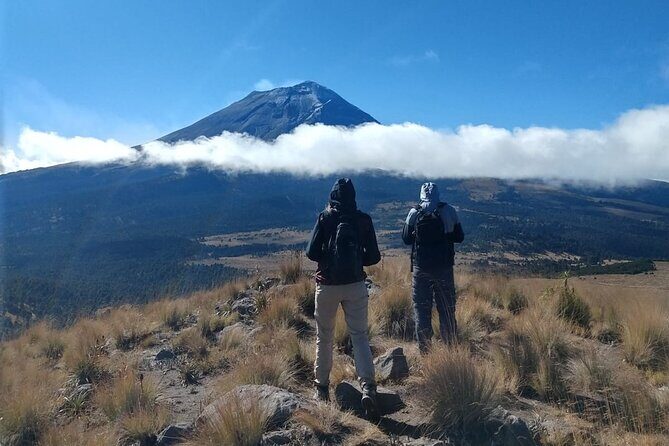
Paso de Cortes is your first stop. Even though it’s not described as a long stay, think of it as your “okay, we’re in the right place” moment before the hiking begins.
This kind of initial stop is useful because it sets context: what you’re walking toward, what kind of terrain you’ll likely face, and what to watch for as you climb into higher elevation. If you’re sensitive to altitude, this is also where I’d focus on breathing, hydration, and settling your energy for the trail.
Stop 2: Izta-Popo National Park—pine air and two volcanoes in one view cycle
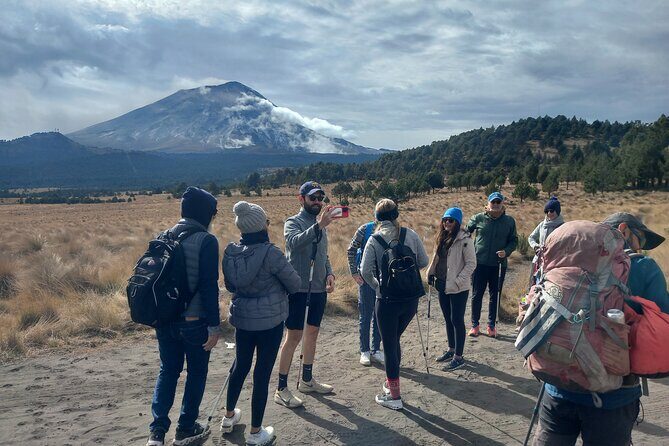
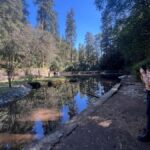
Once you’re in the park, the experience becomes about movement + learning. The guide leads you through this protected ecosystem, which is part of what makes the hike more than just a workout.
The tour is designed so you can see the beauty of both volcanoes from along the way—not only from one final photo spot. That matters because it turns the hike into a gradual payoff: you’re not waiting until the end to start enjoying the scenery.
You’ll also smell the pine trees as you hike, which sounds like a small detail until you realize it’s one of the ways the park changes your pace. Cold morning air plus pine scent has a way of making people slow down and actually look up.
A quick practical note on volcano views
Since both volcanoes are inactive, you’re hiking in a landscape built for observation rather than climbing volcanic rock. That’s good for most visitors. You’re there to walk, learn, and take in the big views.
Stop 3: Iztaccíhuatl focus—your hike’s main storyline
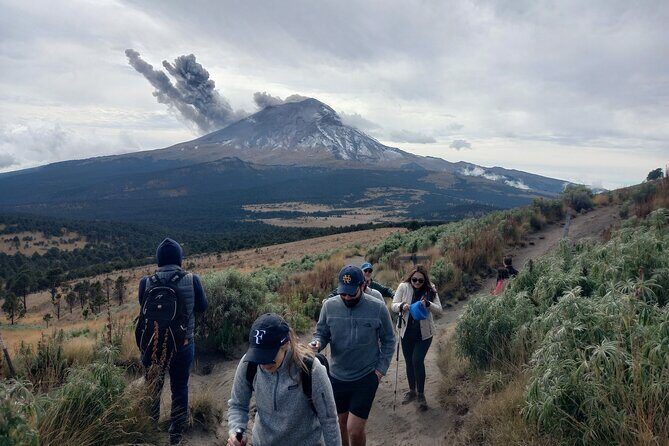
At some point the route brings you into the Iztaccíhuatl storyline. Depending on the level you choose, you’ll spend more time oriented toward Iztaccíhuatl, with Popocatépetl appearing along the way through the intended viewpoint cycle.
This is also where the altitude becomes more noticeable. You’ll be high—often in the 3,600–4,500 meter range depending on your level—so you’ll feel the climb even when the trail isn’t technically steep the whole time.
What makes this stop work well is that it’s not just “walk and hope.” The hike structure keeps you moving toward specific visual goals, and the guide helps you understand what you’re seeing and why this area looks the way it does.
Guides and safety gear: the difference between hiking and freestyling
One of the most praised parts of this day is how well the guiding feels. I love trips where guides are attentive, practical, and not just doing narration for narration’s sake.
On departures, you may hike with guides such as Luis (often mentioned as extremely competent and safety-focused) and Gloria. In some cases, there’s also mention of translation support, which is important if you want to understand the ecology and park context, not just follow the group.
Safety equipment is included, and you’ll feel it in the guide’s approach: check-ins on how you’re doing, pacing adjustments when needed, and guidance around comfort at altitude.
The value of this matters most if you’ve never hiked at high elevation before. You can take your time, ask questions, and keep the day enjoyable instead of turning it into a stubborn mission.
And the transport part is real, not an afterthought
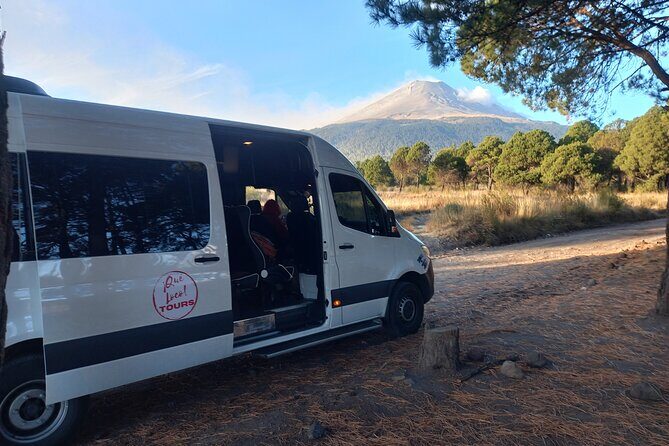
Round-trip transportation is included, and the ride is private. Reviews describe it like having an easy, helpful driver who handles the movement so the hike day starts with less stress.
That said, one review includes a hiccup where the driver led the group to a wrong path due to a parking area closure caused by a sudden fire in a small area. The key takeaway for you: if anything changes due to safety or access issues, the smarter plan is to stay flexible and trust the guide to work the route out in the moment.
Weather and altitude: your two main decision-makers
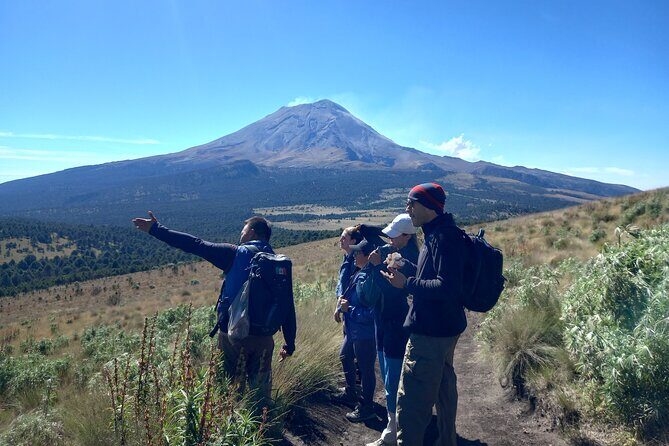
This tour explicitly requires good weather. That’s not just corporate wording. In high-altitude terrain, visibility affects what you’ll actually be able to see, and conditions can change fast.
So here’s my practical advice:
- If you’re prone to altitude issues, pick Level 1 or Level 2 first. You can always do a tougher route later.
- Wear layers. Early morning can feel sharp, and high elevation can swing from cold to chilly fast.
- Bring water and take it slow at the start. The first part of the hike sets the tone.
Also, reviews specifically flag that weather is crucial regarding volcano conditions and what you’ll be able to enjoy. Translation: if conditions are poor, don’t fight it. Choose the plan that keeps the day safe and scenic.
What’s included (and what you’ll still need)
Included
You get:
- Safety equipment
- Entrance / ticket for Izta-Popo National Park
- Certified professional guide
- Round-trip private transportation
Not included
- Breakfast
- Lunch
That means you should plan on eating before the day starts (since you’re up early) or bringing snacks. Even if you’re not a breakfast person, a small meal before pickup can help you feel better once you start climbing.
Price and value: is $186.28 worth it?
At $186.28 per person, you’re paying for more than a trail. You’re paying for a guided, ticketed, high-altitude day with private round-trip transport and included safety gear.
Is it cheap? No. But the value makes sense if you compare it to the real costs of doing this independently: getting there early, solving transport logistics, finding a reliable route, and managing a high-elevation hike without a trained guide.
Where this price feels especially fair is the combination of:
- guided learning in the park,
- small-group handling (max 10),
- and support if altitude starts to bother you.
If you already hike regularly and you’re comfortable planning your own transportation, you might find cheaper options elsewhere. But if you want your day to feel smooth from pickup to viewpoint, this price buys that comfort.
Who should book this hike
This is a strong fit if you:
- want volcano views without extreme technical climbing,
- prefer a small group with real guidance,
- like nature walking with a guide who explains the ecosystem, and
- want to choose between three levels instead of being forced into one “do it all” hike.
It’s also a good match if you’re celebrating something low-key. The vibe can turn friendly fast—some reviews even describe it like hiking with friends because the guides keep checking in and the group stays small.
If you hate early mornings, set an alarm and accept it. This tour runs at 6:00 am. Also, if you know altitude hits you badly, I’d start with Level 1, not Level 3.
Should you book this Iztaccíhuatl and Popocatépetl tour?
I’d book it if you want a guided, structured hike in Izta-Popo National Park that gives you a real chance to see both volcanoes. The route levels are thoughtfully built for different fitness levels, and the guide attention you’ll get (including real altitude support) makes the day feel safer and more enjoyable.
Skip it or reconsider if you:
- know you’re sensitive to altitude and you’re hoping for a very light walk,
- can’t do early mornings,
- or don’t trust your schedule around changing weather.
If you book, pick the level that matches your comfort, not your confidence. In thin-air hiking, confidence is cute. Consistency is what gets you to the viewpoint with energy left to enjoy it.
FAQ
What time does the tour start?
The tour start time is 6:00 am.
How long is the tour?
The total duration is listed as about 11 hours.
Is pickup and transportation included?
Yes. The tour includes round-trip private transportation and pickup is offered (pickup is described for addresses within the city of Puebla or Cholula; you’ll want to share your address when booking).
What are the hike times for each level?
Level 1 is about 3 to 4 hours, Level 2 is about 5 hours, and Level 3 is about 5 to 6 hours.
What distances are involved on Level 1 and Level 2?
Level 1 includes about 4 km toward Iztaccíhuatl and 4 km toward Popocatépetl (for a viewpoint). Level 2 is a 13–14 km trail.
What’s included in the ticket price?
Included items are safety equipment, Izta-Popo National Park entrance/ticket, a certified professional guide, and round-trip private transportation.
Is lunch or breakfast included?
No. Lunch and breakfast are not included.
How many people are in the group?
The group maximum is 10 travelers.
What happens if weather is bad?
This experience requires good weather. If it’s canceled due to poor weather, you’ll be offered a different date or a full refund.