REVIEW · MEXICO CITY
Soumaya: the greatness of Mexican & western art.
Book on GetYourGuide →Operated by José Vicente Figueroa- GM International Travel · Bookable on GetYourGuide
Art history can feel heavy. This one feels organized.
This 2.5-hour guided visit to Museo Soumaya turns a big museum into a clear story you can actually follow. You’ll start at the main gate in Polanco, then move through all six floors, with stops chosen so the art makes sense even if you are not an art student.
I especially like the Mexican-art focus inside a museum that also covers major Western names. I also like the way the guide highlights key pieces per room, so you spend less time wondering what to look at. One possible drawback: the museum is large, so you cannot fully savor every corner in 2.5 hours, and if you want only European painting, you may have to be intentional about where you spend your extra minutes.
In This Review
- Key highlights worth your time
- Soumaya in Polanco: why this museum makes sense as a story
- Meeting at the main gate: how the tour starts and what you’ll bring
- A 2.5-hour route through six floors: what each part is trying to do
- Floor one and two: Modernism (Ars & Techné) and myths that go beyond the obvious
- Old Masters and the Europa & viceroy theme: where comparisons start
- The jump from romanticism to Avant Garde: style changes you can actually spot
- 20 centuries of Mexican art: this is where the tour earns its keep
- Rodin’s era: the Western anchor you should not rush
- When your guide is Jose Vicente Figueroa (or Francisco): how it changes the experience
- Value and logistics that actually matter: small group, big museum, clear focus
- Who this tour suits best (and who might prefer a different plan)
- Should you book? Yes, if you want a guided, Mexico-centered museum read
- FAQ
- How long is the Museo Soumaya guided tour?
- Where do we meet for the tour?
- How many people are in the group?
- What languages is the live guide available in?
- Which parts of the museum will we see?
- What themed areas are included across the six floors?
- Are specific artists mentioned in the experience?
- Is the tour wheelchair accessible?
- Is there free cancellation?
- Can I reserve without paying right away?
Key highlights worth your time
- 6 floors, 1 guided narrative that helps you connect Mexican art themes to Western movements
- A clear Mexican thread across eras, not just a few quick stops
- Major names across the rooms, from Rodin and Van Gogh to Rivera and Orozco
- Small group size (up to 10), which makes questions easier
- A guide-led highlights approach, so you do not get lost in the museum’s scale
- Rodin’s era and the “other history of Mexico” angle, which keeps the tour from feeling generic
Soumaya in Polanco: why this museum makes sense as a story
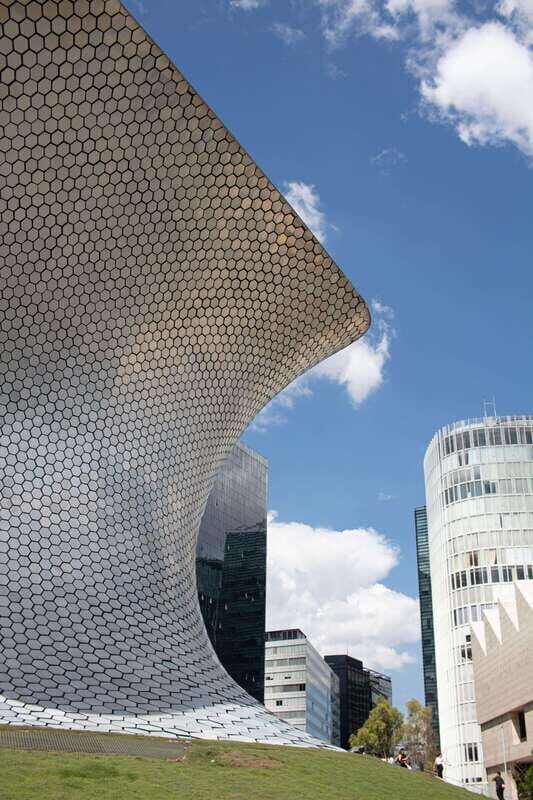
Museo Soumaya is the kind of place where you can wander for hours and still feel like you scratched the surface. The trick here is the structure. Instead of treating it like a checklist, the tour uses the museum’s own organization to build a path through Mexico and Western art expressions.
What I like about this format is that it respects your time. Six floors can feel overwhelming on paper, but the tour’s plan is designed so you leave with real takeaways instead of just photos.
You can also read our reviews of more tours and experiences in Mexico City.
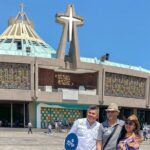


Meeting at the main gate: how the tour starts and what you’ll bring
You meet at the main gate of Soumaya in Polanco. From the start, this is meant to feel approachable: you do not have to be an expert to enjoy it, and the guide’s job is to help you read the rooms without needing a museum degree.
The group stays small, limited to 10 participants, which matters more than it sounds. In a museum, attention is everything. With fewer people, it is easier for the guide to steer you toward the main pieces and answer questions as you go.
Also check the practical side before you start: the tour is wheelchair accessible, and the guide can work in several languages (English, Portuguese, Spanish, German, Italian, and Russian). That language range is a real value if your group has mixed preferences.
A 2.5-hour route through six floors: what each part is trying to do
You’ll spend about 2.5 hours moving through the museum’s full vertical sweep, but in a guided, highlights-first way. The museum is described as complex and extensive, and that’s exactly why this tour exists: it points you to the main pieces and themes across each floor.
Your guide organizes the experience into big themed groupings, listed on the museum levels as:
- Modernism: Ars & Techné
- Myths & allegories: from the visible to the invisible
- Old Masters: Europa & viceroy
- From romanticism to Avant Garde
- 20 centuries of Mexican Art
- Rodin´s era
That lineup is smart. It gives you a framework to compare eras without needing to memorize art terms. And because the tour keeps a national-based focus, you’ll spend time connecting what you see to the Mexican story the museum is telling.
Floor one and two: Modernism (Ars & Techné) and myths that go beyond the obvious
When you hit the Modernism: Ars & Techné floor, the tour’s goal is to help you notice style shifts and ideas, not just individual paintings. The labels on these rooms matter because they push you to look at form, technique, and how artists communicate through method.
Then you move into Myths & allegories: from the visible to the invisible. This is a useful change of pace because myths and allegories ask you to slow down and interpret. The guide’s approach here is practical: rather than asking you to guess on your own, the tour points out what to pay attention to so the symbols do not feel like a locked door.
If you are the type who usually stands in front of a painting thinking, I do not know what I am looking at, these rooms are built for you. The tour’s job is to make the meaning less mysterious and more graspable.
Old Masters and the Europa & viceroy theme: where comparisons start
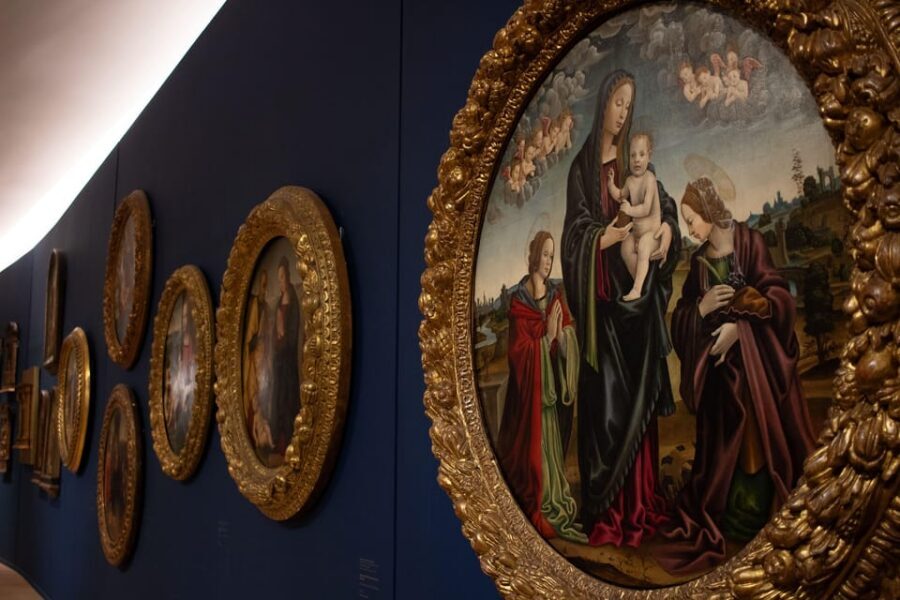
Next is Old Masters: Europa & viceroy. This floor is the museum’s way of framing a conversation between European artistic traditions and the Mexican context of power and authority. The tour treats it like more than decoration. You’re not just looking at famous names; you’re learning how the museum connects categories and historical angles.
In this part of the museum, you’ll encounter major figures that include Juan de Flandes alongside artists tied to later Mexican movements. That mix helps you see how a museum can place works into a timeline-like rhythm, even when the themes vary.
For me, this is one of the most useful sections of the entire 2.5 hours because it sets up expectations. It makes it easier to understand why the later Mexican-focused rooms feel like a continuation instead of a detour.




The jump from romanticism to Avant Garde: style changes you can actually spot
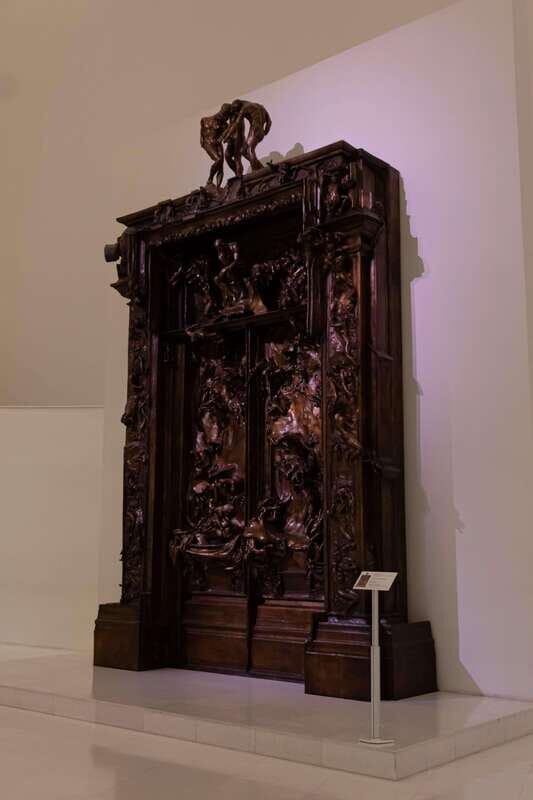
The tour then moves to From romanticism to Avant Garde. The word “Avant Garde” can sound academic, but the tour’s structure keeps it grounded. You’ll be guided through the shift from more traditional storytelling toward more experimental ways of working.
This floor includes some of the Western anchors that many people recognize, like Monet, Manet, Pissarro, and Van Gogh. Even if you only know a couple of those names, the tour helps you understand why they show up where they do in a Western-and-Mexico comparison.
Here’s the practical benefit: once you see the change in one room, the rest of the museum starts to feel less random. You begin to notice how artists react to their eras, not just what they paint.
20 centuries of Mexican art: this is where the tour earns its keep
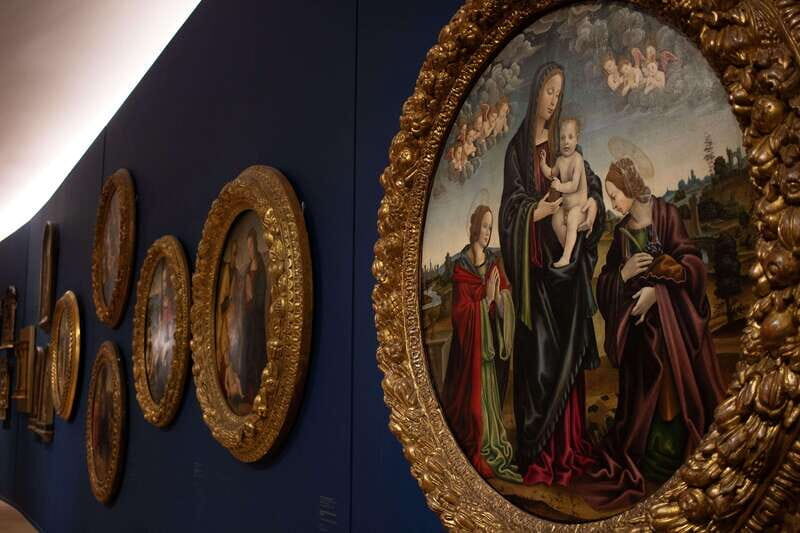
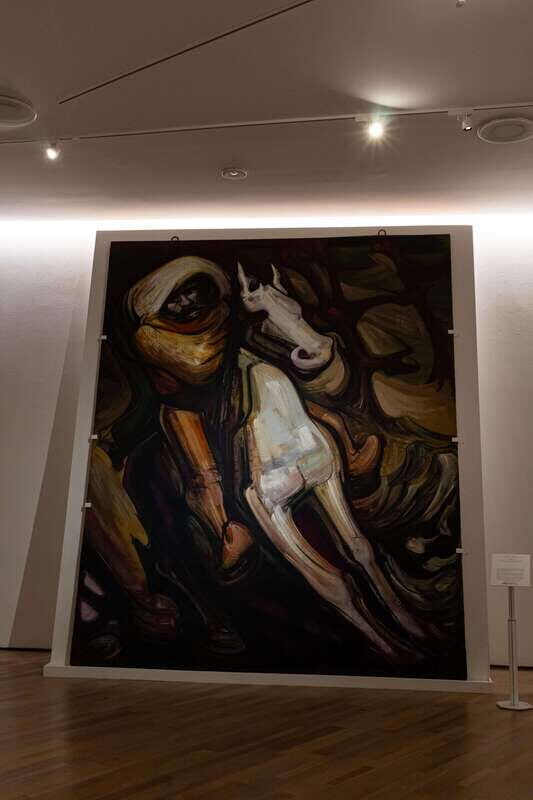
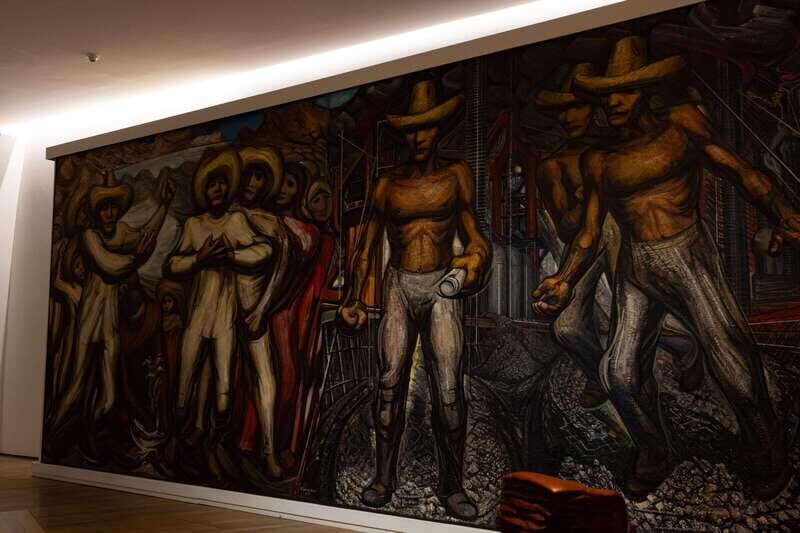
The heart of the experience is the floor labeled 20 centuries of Mexican Art. This is where the tour’s stated focus becomes most tangible, and it is the reason many people choose a guided route rather than just walking in and hoping the museum finds them.
You’ll see Mexican artists listed among the main highlights, including Rivera, Orozco, Velasco, Correa, De Echave Orio, and others named in the program. The tour emphasizes the Mexican thread room by room, so you are not stuck with a generic “here are famous works” museum tour.
From the way the tour is described, the guide also steers you toward a kind of “other history of Mexico.” That phrase matters. Instead of treating Mexican art as an isolated chapter, the tour treats it like an ongoing conversation about identity, ideas, and what history looks like through art.
If you’re bringing kids, this section can work well too, because it gives a story engine. The guide can point out what matters in each room without turning it into a lecture.
Rodin’s era: the Western anchor you should not rush
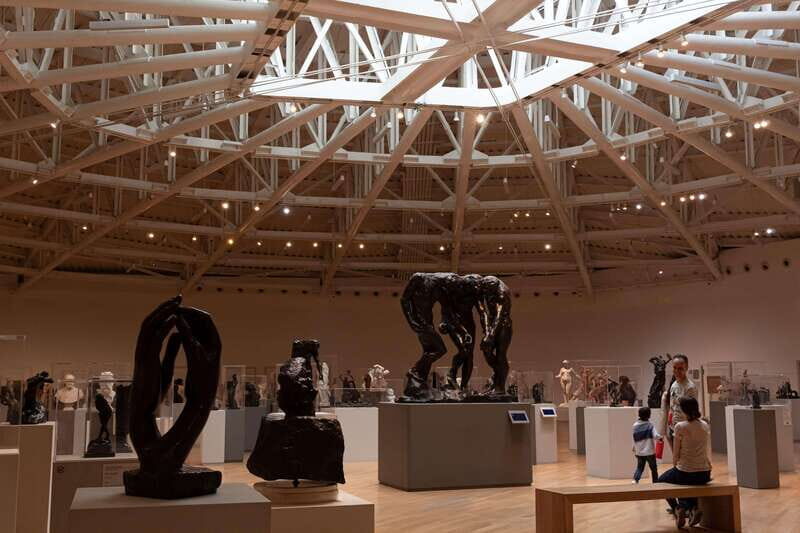
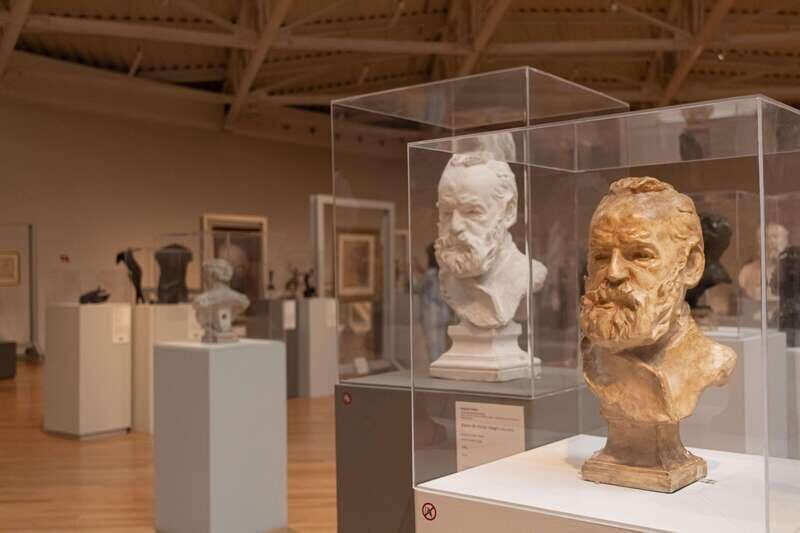
Then comes Rodin´s era. This floor gives you a Western anchor that many visitors want to see, but the tour handles it in a way that does not hijack the whole experience. You get a guided structure, so you can appreciate what you came for without abandoning the Mexican-and-Western comparison the tour is built on.
Rodin appears in the set of main artists named for the experience, and the tour’s pacing here is key. You do not want to treat it like a quick stop, because the museum’s larger theme requires contrast. Rodin’s era works as that contrast point—especially after you’ve been thinking about Mexican art themes on the previous floors.
One consideration: if you are strongly focused on Mexican art only, you should pay attention to how the guide distributes time. The tour is designed with a Mexican emphasis, but you still have to share the floor space with the museum’s Western sections.
When your guide is Jose Vicente Figueroa (or Francisco): how it changes the experience
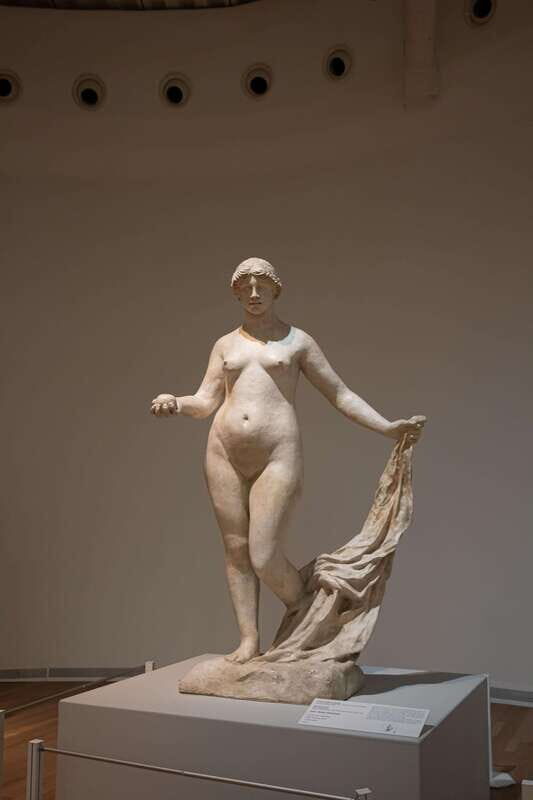
The difference between a good museum visit and a great one is often the guide’s energy and method. In the guide names tied to this experience, José Vicente Figueroa stands out for an enthusiastic, highly guided approach. People describe his style as masterful, and also very patient with mixed-group needs.
If you get Francisco, you can expect a similar benefit: knowledge paired with entertainment and fun factual details, plus pointing out curious specifics in different artworks.
What does that mean for you? It means the tour is not only about seeing art; it is about learning how to look. A strong guide helps you notice details you would otherwise miss and prevents the usual museum problem: standing in front of a piece feeling unsure what to do next.
And because the group is small, you’re more likely to get questions answered in real time.
Value and logistics that actually matter: small group, big museum, clear focus
You’re paying for three things that add up fast: time, direction, and interpretation. With a large museum, direction matters more than you think. Without it, you can easily spend 2.5 hours walking and only truly connect with a handful of rooms.
This tour gives you:
- a guided route through all six floors
- a focus on main pieces rather than scattered viewing
- multi-language support across English, Portuguese, Spanish, German, Italian, and Russian
- a small group size limited to 10 participants
The value angle is simple. If you care about Mexican and Western art expressions and you want an organized way to make connections, this format saves you from doing all the prep yourself.
Also worth noting: the tour is set up for different comfort levels. If you are traveling with kids or older adults, the guide’s patience is a big deal. Art museums can move at adult speed, but the best tours slow down without killing momentum.
Who this tour suits best (and who might prefer a different plan)
This experience is ideal if you are interested in Mexico through art and also curious about how Western art fits into that larger picture. You do not need art-school background. You just need interest, plus a willingness to look closely for meaning.
It also fits well for families or mixed ages because the guide style is described as patient and able to handle different needs in the same group.
Where it may be less perfect is if your only priority is spending all your time on Western art. The tour’s structure has a national-based focus, so you’ll still cover Western artists, but the emphasis will lean toward the Mexican storyline.
Should you book? Yes, if you want a guided, Mexico-centered museum read
I’d book this tour if you want to walk through Soumaya without losing your bearings. Six floors in 2.5 hours sounds intense, but the highlights-first method makes it doable, and the Mexican-focused lens is the key reason to choose a guide.
I would not book it if you want a slow, independent museum day where you linger for as long as you want in every room. This is a guided path. It’s meant to get you moving, learning, and leaving with a map in your head.
If your goal is to understand Mexico and Western art expressions as a connected story, this tour is a strong match.
FAQ
How long is the Museo Soumaya guided tour?
The tour lasts about 2.5 hours.
Where do we meet for the tour?
You meet at the main gate of Museo Soumaya.
How many people are in the group?
The group is small, limited to 10 participants.
What languages is the live guide available in?
The tour guide can work in English, Portuguese, Spanish, German, Italian, and Russian.
Which parts of the museum will we see?
The tour covers the museum’s six floors, organized into themed sections.
What themed areas are included across the six floors?
The floors are Modernism (Ars & Techné), Myths & allegories, Old Masters (Europa & viceroy), From romanticism to Avant Garde, 20 centuries of Mexican Art, and Rodin´s era.
Are specific artists mentioned in the experience?
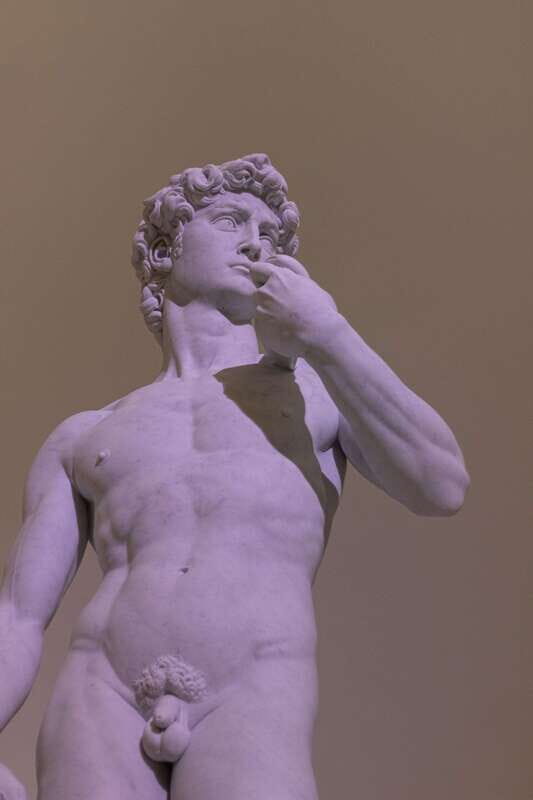
Yes. The tour highlights artists including Rodin, Dumier, Van Gogh, Pissarro, Monet, Manet, Juan de Flandes, Rivera, Orozco, Velasco, Correa, De Echave Orio, and Miguel Ángel.
Is the tour wheelchair accessible?
Yes, the tour is wheelchair accessible.
Is there free cancellation?
Yes. You can cancel up to 24 hours in advance for a full refund.
Can I reserve without paying right away?
Yes. You can reserve now and pay later.