REVIEW · MEXICO CITY
Butterfly Monarch Tour from Mexico City
Book on Viator →Operated by Paseos Turisticos, Tour Operador Tepotzotlan · Bookable on Viator
Monarch butterflies make an early start worth it. This day trip from Mexico City takes you out to the Sierra Chincua Butterfly Sanctuary for a firsthand look at monarchs in the trees and fluttering overhead, with time to pause, watch, and take photos. I like that the whole day is built around that specific viewing moment, not just a long drive for a quick stop, and the experience centers on the Sierra Chincua sanctuary and the monarch migration itself.
Two things I really like: the guide focus in a small group (up to 12 people) and the food break that feels like part of the day, not an afterthought. Names that came up again and again include Marta and Alonso/Alfonso, plus Daniel at the sanctuary, and they help you make sense of what you’re seeing while you’re still standing there with the butterflies.
One potential drawback is the physical side. The hike sits at high altitude and can feel steep and rocky, so you’ll want solid shoes and a realistic pace (or plan for horse options if you’re not up for the full climb).
In This Review
- Key highlights worth planning around
- Sunrise drive: getting out of Mexico City the right way
- Sierra Chincua Butterfly Sanctuary: what you’ll see and why it’s special
- The hike at altitude: steep, rocky, and worth it (if you prep)
- Food stop in Michoacán: the lunch break that actually feels local
- Guides make the difference: Marta, Alonso/Alfonso, and Daniel
- Price and logistics: is $250 good value from Mexico City?
- When to go, and how to pack for monarch conditions
- Who should book this monarch day trip (and who should think twice)
- Should you book the Butterfly Monarch Tour from Mexico City?
- FAQ
- How long is the Butterfly Monarch Tour from Mexico City?
- What time does the tour start?
- Is hotel pickup included?
- Where do I meet if my hotel is outside the pickup zone?
- What does the tour include?
- Is lunch included and can I request a vegetarian meal?
- Is alcohol included?
- How big is the group?
- What should I expect from the hike?
- What happens if the weather is bad?
Key highlights worth planning around
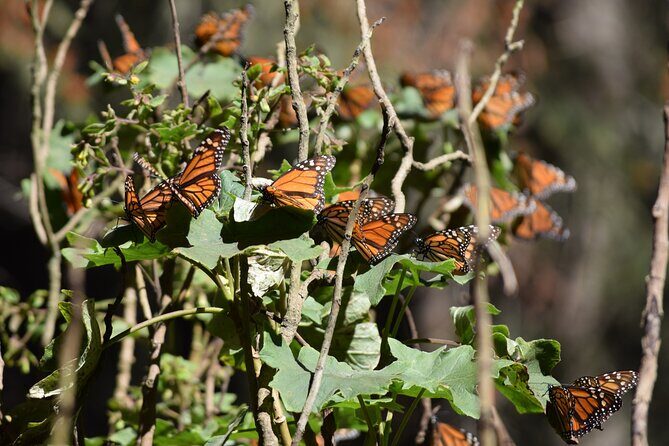
- Monarch viewing at Sierra Chincua with butterflies resting in trees and flying overhead
- Small group size (max 12) for better guide attention and easier pacing
- Guides like Marta, Alonso/Alfonso, and Daniel who explain what you’re seeing on the trail
- Lunch included, with chances to try regional Mexican favorites at the sanctuary/community
- Steep high-altitude hike, with reports of horses available for part of the ascent
Sunrise drive: getting out of Mexico City the right way
Most days start with a 6:30am pickup, because monarch butterflies are easiest to see when conditions are right and daylight has had time to warm things up. The drive to the mountains is long, roughly 3.5 hours each way in real life, so build the day around that early departure and the slow, scenic shift from city noise to mountain air.
Pickup is straightforward if you stay in the zones they list: hotels along Reforma Avenue and in Polanco. If your hotel is outside that pickup area, you’ll need to meet at the corner of Av. Horacio and Lamartine street, outside Metro Polanco (easy landmark, even if you don’t love early alarms). Either way, the tour uses private vehicle transport, and it’s designed for a tight group rather than a bus full of people.
From the reviews and the way the day is timed, the best way to think about this tour is: you’re paying for a guided, organized day trip that gets you to the one place that matters—monarch habitat—on a schedule that gives you enough time to actually look.
You can also read our reviews of more city tours in Mexico City

Sierra Chincua Butterfly Sanctuary: what you’ll see and why it’s special
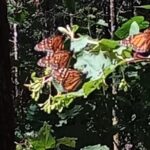
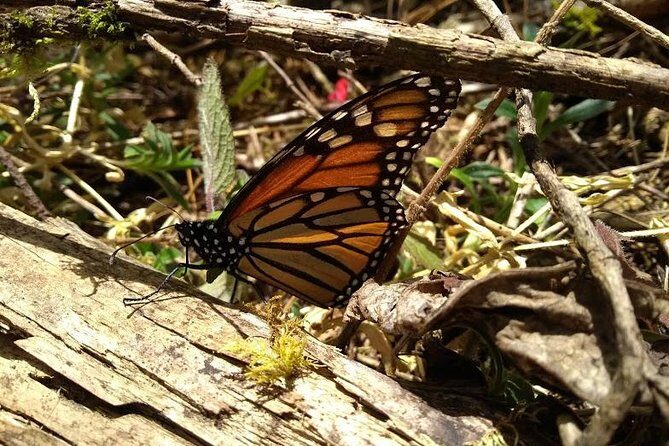
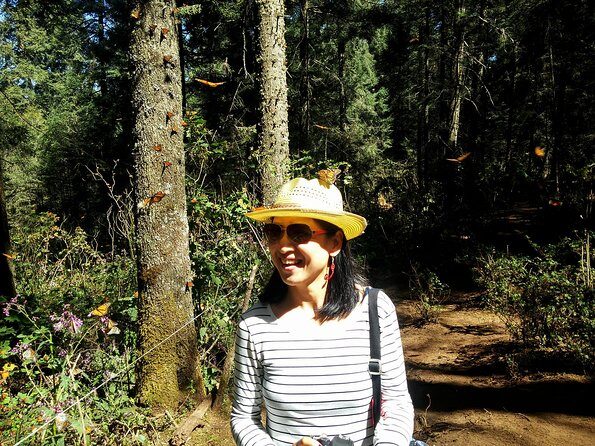
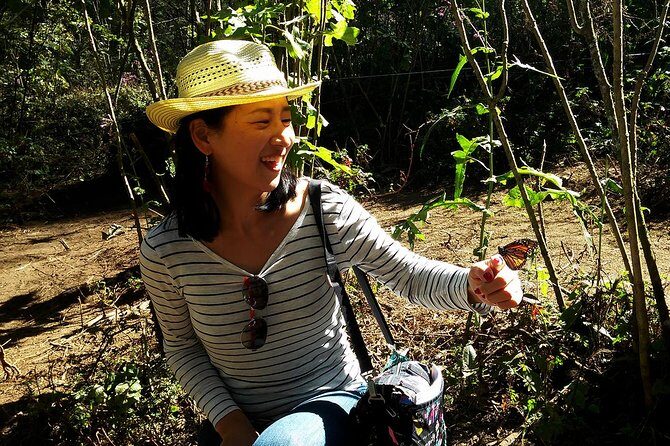
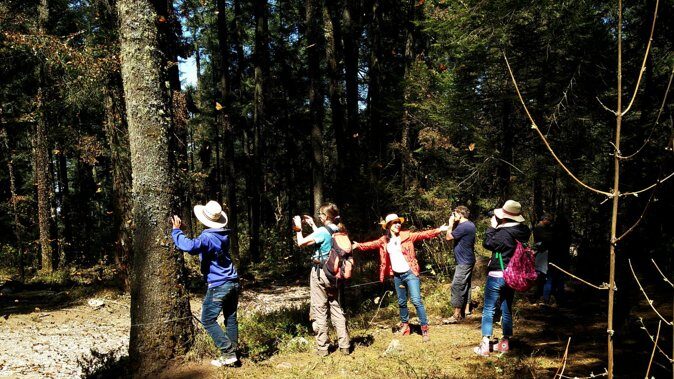
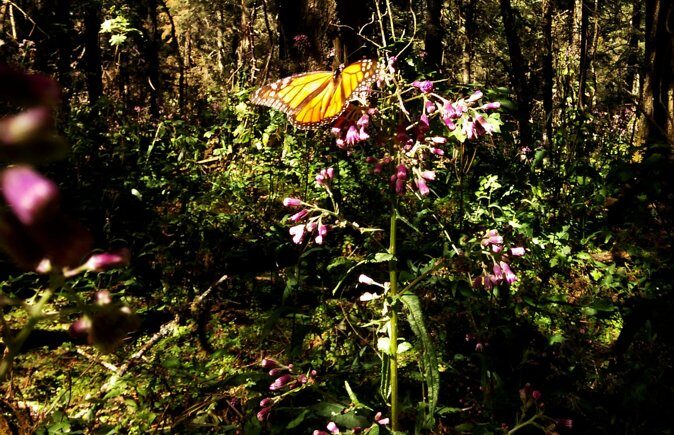
Once you arrive, the day centers on the Sierra Chincua Butterfly Sanctuary, where you can see monarchs in two key moments: hundreds of butterflies in trees and monarchs flying over you. This is the core “wow” factor, and it’s why the hike and the quiet walking matter. When you stop and look carefully, you’re not just staring at scattered insects—you’re watching a migration behavior happening right in front of you.
In good conditions, monarchs can look especially active when the sun breaks through. One account described how the butterflies seemed to warm up and respond with bursts of sun—great reminder that weather isn’t just a comfort issue here. If it’s cloudy or cold, you may still get the sighting, but the butterflies might not show as much movement.
The sanctuary time is long enough that you don’t feel rushed. Expect several hours on-site, including the viewing hike and a break for food. You’ll also get guidance on where to walk and what to look for, which helps you avoid wandering around blindly and missing the best angles.
The hike at altitude: steep, rocky, and worth it (if you prep)
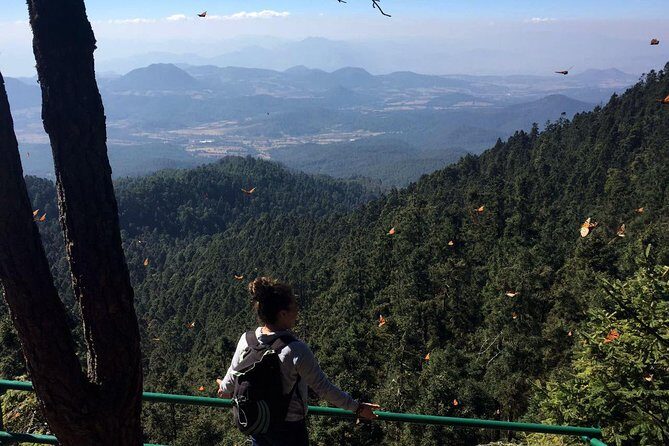
This is not a flat nature stroll. You’re going uphill at high elevation, and multiple people described the hike as strenuous or at least demanding—especially because the trail can be rocky and the slope adds to the effort. One helpful detail from the experience feedback: the practical range you may feel is roughly 9,000 to 11,000 ft, even though your exact pace will depend on the group and where you stop for viewing.
The good news is that the hike is guided and timed around the sanctuary’s viewing needs. Most reports mention a 45–60 minute guided hike portion, but you should also plan for the total walking to add up. One group reported walking about 8.5 km to reach the viewing area, so if you’re not used to uphill hiking, take that as your cue to go slow and pack for effort.
And you do have options. Reviews mention horses available to rent for part of the ascent, which can make the day work for more people. If you’re traveling with older relatives or someone with limited mobility, this “partial horse” approach can be the difference between a miserable climb and a memorable day.
Bring the basics: comfortable hiking shoes, layers (mountain weather shifts fast), and a pace you can hold without forcing it. If you’re prone to altitude discomfort, plan to slow down immediately and rest whenever the guide calls a pause.
Food stop in Michoacán: the lunch break that actually feels local
A lot of day trips claim lunch is included and then serve something that looks like an airport sandwich. This one tends to score points because the meal is tied to the sanctuary/community stop, and you’re eating regional Mexican specialties rather than grabbing something on the road.
Lunch is included, and you can request a vegetarian option when booking. People also named specific items they enjoyed, like chile relleno and blackberry atole. Even when the menu details vary day to day, the pattern is consistent: you’re fed in a way that matches the setting, and you’re not left hungry after a long hike.
There’s also mention of tasting traditional Mexican food in a workshop-style setting connected to the day’s flow. Translation: the food moment isn’t random. It’s part of understanding the place, supporting local tourism, and giving your body a reset after time on the trail.
One more practical note: alcohol is not included. If you want a beer or a drink with lunch, plan to purchase it on-site.
Guides make the difference: Marta, Alonso/Alfonso, and Daniel
The most praised part of this tour is the human factor. You’re not just getting transported to a viewpoint—you’re getting explanations while you’re moving through the environment, which helps you connect what you’re seeing to why it matters.
Marta and Alonso/Alfonso came up repeatedly for being friendly, knowledgeable, and attentive. People described them as answering questions and giving enough time for photos without turning the day into a rushed checklist. Daniel also shows up in sanctuary-day guidance in more than one account, adding that on-the-ground expertise once you reach the trail area.
There’s also a behind-the-scenes detail worth knowing: if you need more language support, some groups reported a translator being present during pickup situations. If English is your comfort language, the tour is listed as offered in English, and the guides’ goal seems to be making sure you understand what you’re seeing—not just telling you the hike exists.
Overall, guide quality matters here because monarch viewing is partly about timing and partly about observation. A good guide helps you choose where to stand, how to move quietly, and what behavior to notice while you’re staring upward.



Price and logistics: is $250 good value from Mexico City?
At $250 per person, you’re paying for a long-day operation with several built-in components: hotel pickup/drop-off (for hotels in Reforma/Polanco), private transport, a local guide, lunch, and admission ticket for the sanctuary portion.
Is it worth it? For many people, yes—mainly because you’re not just paying for the butterflies. You’re paying for the ability to show up early, hike with an expert, and spend time in the habitat without worrying about driving, directions, or timing. Small-group size (max 12) also pushes the value higher compared with bigger tour formats.
But check the logistics carefully if your hotel is outside the listed pickup zones. A couple of experiences noted that the return drop-off doesn’t always land right back at your hotel if you weren’t in the pickup area. When that happens, you may need a local ride to finish the trip home.
Comfort is another variable. One account mentioned a car that felt cramped with limited legroom. That doesn’t mean it will be like that every day, but it’s smart to dress and plan as if the ride will be long and seated for most of the day—bring water and something comfortable for the journey.
Also remember: the tour ends back at the meeting point. So even when pickup is hotel-based, think of the meeting point as the day’s anchor.
When to go, and how to pack for monarch conditions
Monarch viewing is weather-sensitive. The experience is specifically described as requiring good weather, and if it’s canceled for poor weather, you’ll be offered a different date or a full refund. That’s a big deal because your best chance of seeing lots of active butterflies comes when it’s comfortable enough for them to be moving and when you can actually stay out on the trail without freezing.
If you go in cooler, cloudier conditions, expect fewer active flights and more “watch closely” viewing rather than dramatic swirls. Still magical, just different. One reason the tour sells out in peak window months is that monarchs are viewable only during a limited season, so timing matters.
Packing tips based on the hike reality:
- Bring layers. Morning and mountain air can feel very different from midday in Mexico City.
- Wear hiking shoes with solid grip.
- Consider walking poles if you’re sensitive on steep descents.
- Bring sunscreen and a hat, especially if the day turns bright and the butterflies become more active.
- Plan for a long day: water, snacks if you’re picky, and patience for the ride.
Who should book this monarch day trip (and who should think twice)
This tour is a great match if you want a focused day dedicated to monarch viewing, with small-group pacing and guides who know how to help you look. It also suits couples and friends who like nature walks but don’t want to do the logistics math alone.
It can work for families, too. One family with kids described having a good time, but the key is that the itinerary still includes a strenuous uphill hike at altitude. If you’re traveling with children or anyone whose fitness is limited, ask about strategies like horse options and plan your pace from the start.
Think twice if:
- You have mobility limitations or health concerns that make steep, rocky uphill walking difficult.
- You’re very sensitive to altitude and long seated travel.
- You expect a relaxed, mostly flat outing. This is an active day that earns its magic.
Also, keep your expectations realistic about butterfly numbers. If you’re at the tail end of the season or the weather isn’t cooperating, you might see fewer butterflies or less flight activity. That’s not a scam—it’s nature.
Should you book the Butterfly Monarch Tour from Mexico City?
I’d book this if monarch butterflies are your top priority and you’re okay with a long day and a real hike. The value comes from the total package: private transport, English-speaking guidance, sanctuary admission, and included lunch, all wrapped into a small group where you get time to watch instead of rushing.
Don’t book it blindly if you hate altitude, struggle with steep trails, or need the comfort of short walks. In that case, the horse option (where available), solid footwear, and a slow start become essential.
If you want the best odds: pick a day with good weather, go prepared for cold mornings at elevation, and arrive with the mindset that you’re here to watch closely. When the butterflies are active, Sierra Chincua can feel like a living, moving mural you can step into for a few hours.
FAQ
How long is the Butterfly Monarch Tour from Mexico City?
The tour runs about 12 hours (approx.), with a full day away from the city.
What time does the tour start?
It starts at 6:30am.
Is hotel pickup included?
Yes, hotel pickup and drop-off are included, but it’s specifically for hotels located in Reforma Avenue and Polanco.
Where do I meet if my hotel is outside the pickup zone?
You should go to the meeting point at Av. Horacio corner with Lamartine street (outside Metro Polanco), Polanco, CDMX.
What does the tour include?
It includes a local guide, private vehicle transport, lunch, sanctuary admission, and hotel pickup/drop-off (for eligible areas).
Is lunch included and can I request a vegetarian meal?
Lunch is included, and a vegetarian option is available if you request it at booking.
Is alcohol included?
No. Alcoholic drinks are not included and can be purchased.
How big is the group?
The maximum group size is 12 travelers.
What should I expect from the hike?
You’ll hike as part of the sanctuary visit at high elevation. The trail can be strenuous and steep, and some reports mention horses can be rented for part of the climb.
What happens if the weather is bad?
This experience requires good weather. If it’s canceled due to poor weather, you’ll be offered a different date or a full refund.