REVIEW · MEXICO CITY
Monarch Butterfly Reserve: Piedra Herrada Magical Valle de Bravo
Book on Viator →Operated by Vibe Adventures · Bookable on Viator
Monarch day trips should feel magical, not complicated. This one pairs a front-row Monarch Butterfly Reserve visit at Piedra Herrada with time in Valle de Bravo, including the Velo de la Novia Waterfall and a guided walk through the town’s historic core. What I especially like is how the day is structured so you’re not spending half your vacation stuck in logistics.
The main thing you should plan around is effort. Reaching the sanctuary area typically involves 1 to 2 hours of hiking at high altitude, with a trail that climbs from about 2,800 to 3,400 meters, plus variable conditions depending on weather and where the butterflies are.
In This Review
- Key highlights you’ll feel right away
- Why Piedra Herrada is the monarch stop worth the early start
- The road to Sierra Chincua: what you do before the butterflies
- Hiking into the Monarch Butterfly Reserve: altitude, time, and horse option
- Horse rides: helpful, but not a magic bypass
- Weather affects butterfly activity (and it’s not your fault)
- Making Valle de Bravo work after the monarchs: waterfall first, then the town
- Valle de Bravo’s historic center: squares, culture stops, and good food
- Guides and small comforts that make the long day feel easier
- Price and value for a 12-and-a-half-hour day trip
- Who should book this tour, and who should skip
- Should you book Monarch Butterfly Reserve: Piedra Herrada Magical Valle de Bravo?
- FAQ
- What months can I see monarch butterflies at Piedra Herrada?
- Where is the meeting point, and what time does the tour start?
- How hard is the hike to the sanctuary area?
- Can I hire a horse to help with the hike?
- How long is the total tour?
- Does the tour include transportation from Mexico City?
- Is lunch included?
- What do I do in Valle de Bravo?
- What’s included in the ticket price?
- What happens if weather is bad for monarch sightings?
Key highlights you’ll feel right away
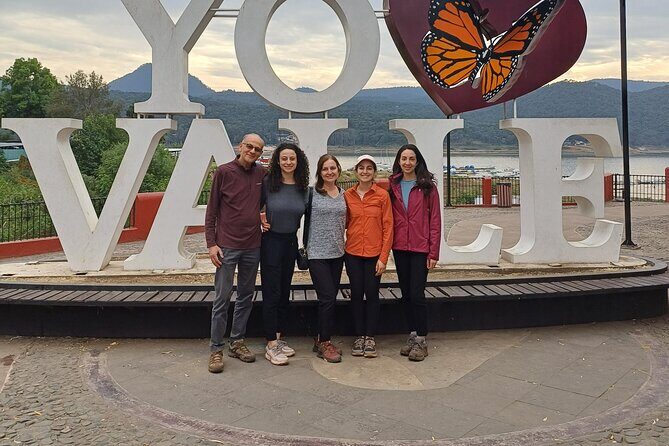
- Monarch access at Piedra Herrada during the November–March season, when sightings peak in December–February
- A real hike, not a flat stroll: elevation gain can be significant, with optional horse help for steeper sections
- Valle de Bravo time that’s actually useful: waterfall visit plus historic center stops
- Good people on the ground: guides like Andres, Alberto, Ady, Omar, Alonso, and Sal are repeatedly praised for friendly, clear explanations
- Comfort between stops: round-trip transportation from Mexico City plus drinks/snacks during the long day
Why Piedra Herrada is the monarch stop worth the early start
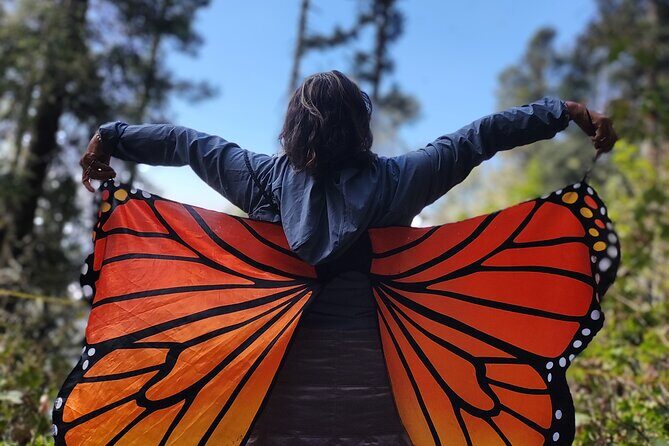
Piedra Herrada is one of the official Monarch Butterfly sanctuaries, and that matters. You’re not hunting for a sighting on your own—you’re going to a protected overwintering area where the migration actually concentrates during the season.
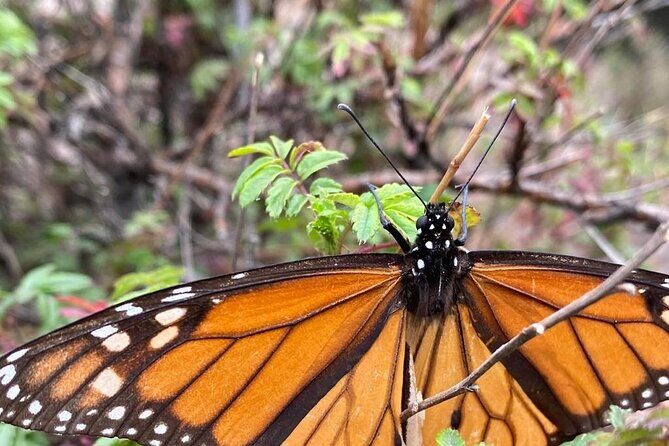
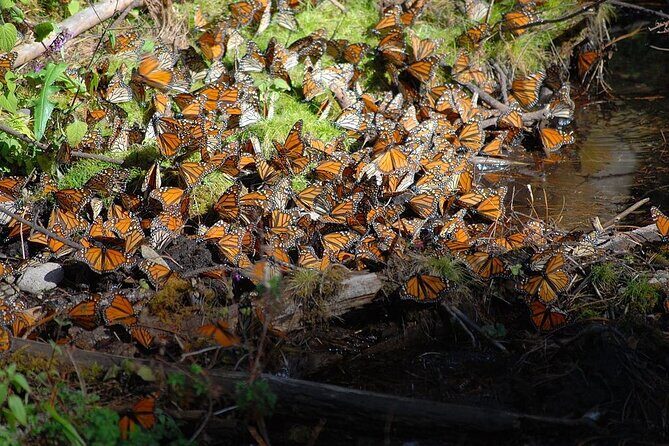
The payoff is emotional as well as scenic. The butterflies are small, but the numbers and the way they blanket trees can hit hard, especially when you spot them up close and still in the branches. One practical tip: when the morning is cold, the butterflies may stay put higher up for longer, so don’t assume a grey day means you’ll see nothing.
This tour also makes sense if you’re visiting Mexico City and want a day that feels complete: wildlife first, then a classic lakeside town afterward. You get a full “wow” factor early, then a calmer cultural finish.
You can also read our reviews of more tours and experiences in Mexico City.

The road to Sierra Chincua: what you do before the butterflies

The day starts at 7:00 am at the Angel of Independence meeting point (Av. P.º de la Reforma 342, Piso 27). From there, you ride out toward Sierra Chincua—around 3 to 3.5 hours depending on traffic.
I like that this isn’t just dead time in a van. Your guide uses the drive as a moving classroom—explaining what you’re passing and giving context for what you’ll see later. It helps you arrive with less guessing and more understanding, especially if monarch migration is new to you.
Also, plan for an early start to pay off. The sanctuary visit is time-sensitive, and monarch activity depends on temperature and weather. If you show up late, you can lose some of the most comfortable viewing hours.
Hiking into the Monarch Butterfly Reserve: altitude, time, and horse option
Here’s the honest part: the sanctuary approach is physically demanding. The information you’re given ahead of time is clear for a reason—reaching the sanctuary area typically takes 1 to 2 hours of hiking, depending on butterfly location and your fitness level.
Expect a climb. The trail ascends from roughly 2,800 to 3,400 meters (9,200–11,150 feet). Distances can range from about 1.2 to 3 kilometers (0.75–1.86 miles), but the elevation gain can be anywhere from 220 to 800 meters. In plain language: you may cover a relatively short distance, but your legs will feel the uphill push.
A moderate fitness level is the target, and you should take that seriously. One guest advice was to come prepared for a steep long hike at altitude, and that aligns with the trail profile. If it helps, think of this hike as part of the experience, not a detour. The payoff comes when you reach the viewing area and the trees turn into a living winter scene.
Horse rides: helpful, but not a magic bypass
Horses can be hired locally at an extra cost. The important detail is that they only cover about half the journey. So you’ll still hike some—and you should still pack for cool, changeable conditions.
If you’re unsure, I’d treat this as your decision checklist:
- If you can handle a steady uphill walk for a decent stretch, you’ll likely be fine without the horse.
- If steep sections and slippery mud are a concern, the horse can reduce strain while still letting you experience the sanctuary approach.
Weather affects butterfly activity (and it’s not your fault)
The tour runs during November to March, with the best odds in December to February. But daily sightings vary. Cold weather and rain can reduce butterfly activity.
So if you’re traveling in the peak months, go in with realistic expectations: you’re there for the migration spectacle, not a guarantee of exact counts every day.


Making Valle de Bravo work after the monarchs: waterfall first, then the town
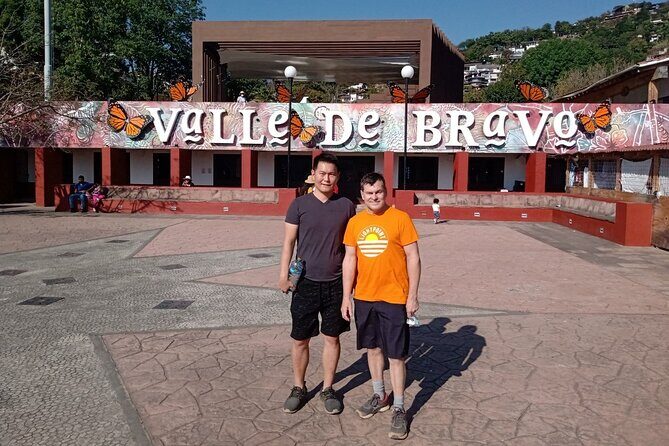
After Piedra Herrada, you head to Valle de Bravo (about a 1-hour transfer noted in the plan, though timing can shift with road conditions). The schedule then gives you a clear next target: Velo de la Novia Waterfall.
You get about 2 hours here. The timing is a smart choice—doing the waterfall before you wander the old town means you’re still warmed up from movement and not relying on energy later in the day. For many people, this waterfall stop is the emotional “breather” after the more intense monarch moment.
There’s also a good rhythm to the day: you go from nature at altitude to a town that’s easier to stroll. That contrast keeps the long day from feeling like nonstop exertion.
Valle de Bravo’s historic center: squares, culture stops, and good food
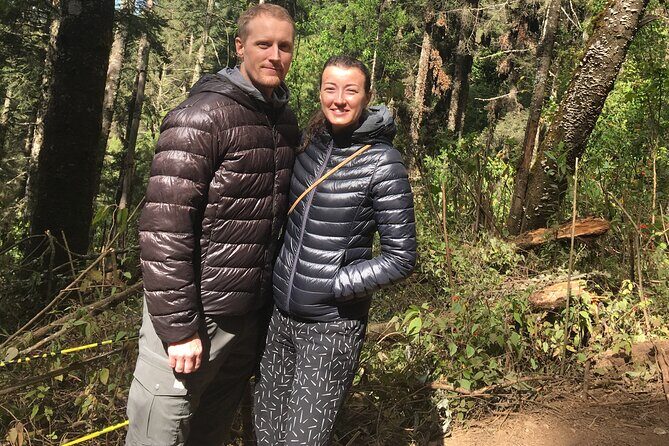
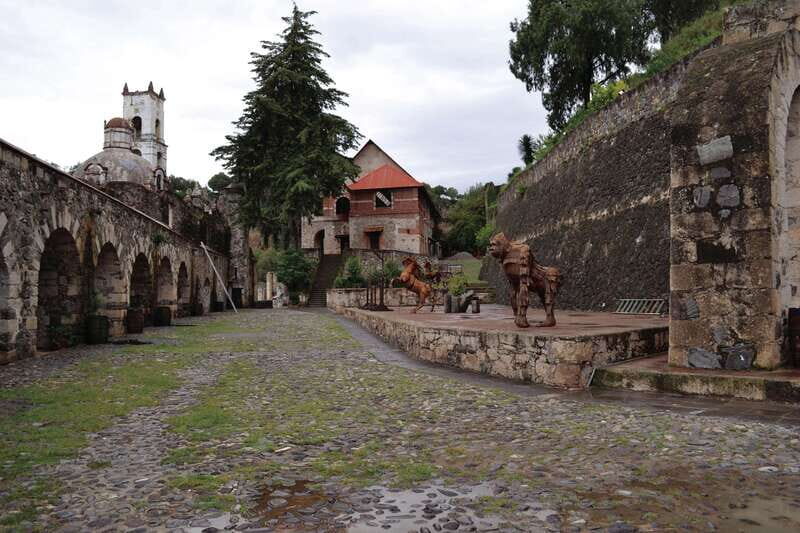
Once you’re back in town, you’re given time to explore the historic core—built largely in the 16th century—with cobbled streets, markets, and major squares. This is the part where you’ll actually feel like you’re on vacation, not on a mission.
The plan includes key landmarks such as Independence Square and the Joaquin Arcadio Pagasa Cultural Center. You’ll also have time to browse markets and enjoy local treats, including artisanal ice cream.
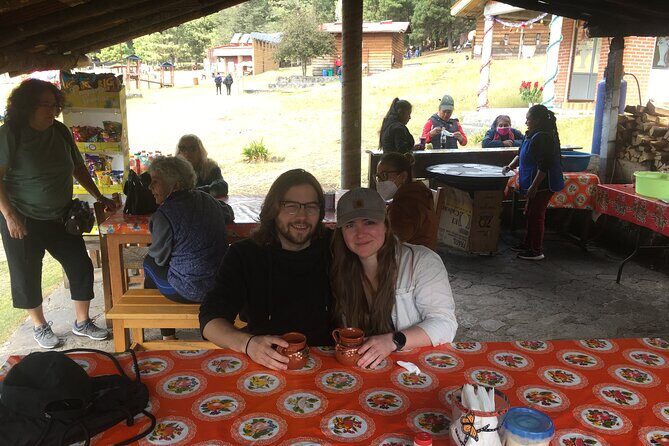
One of the strongest practical values here is food time. You’re not just “passing through” Valle de Bravo—you’re encouraged to stop, snack, and eat something local while you’re there. A guide like Sal is specifically called out for taking people to some of the tastiest options in the marketplace, and that’s exactly the kind of add-on that can make a town visit feel worth it.
Also, consider the museum component. The tour includes entrance and a guided visit related to the Museum of Popular Art. If you like local crafts, this is where the day can shift from wildlife spectacle to cultural context without turning into another museum marathon.
Guides and small comforts that make the long day feel easier
A day that starts at 7:00 am and runs around 12 hours 30 minutes needs two things: competent guidance and small comforts. This tour provides both.
First, you have a multilingual local guide. In real terms, that means you’ll get explanations you can actually use—what you’re seeing, why it’s happening, and what to do next. The guide names that show up in standout experiences include Andres, Alberto, Ady, Omar, Alonso, Guillermo, and Sal. The consistent theme is friendly, patient communication—especially on the hike.
Second, the tour includes non-alcoholic drinks and snacks. That sounds minor until you’re halfway up a cold hillside and you realize you’d rather not pay for everything with limited time.
Finally, the itinerary is designed to prevent the classic “we’re waiting around forever” problem. You have scheduled segments for travel, sanctuary time, the waterfall, and time in town—so you don’t feel like you’re guessing what’s happening next.
Price and value for a 12-and-a-half-hour day trip
At $195 per person, this is not a bargain-basement excursion—but it also isn’t a splurge for what you get.
Here’s what you’re paying for that helps the value math:
- Round transportation from Mexico City (so you’re not driving and dealing with traffic on mountain roads)
- Entrance and guided visits tied directly to the monarch sanctuary and the activities in Valle de Bravo
- A full-day structure that strings together wildlife and town culture
- Snacks and non-alcoholic drinks, which matter on long travel days
- A knowledgeable guide, which becomes extra valuable when the day depends on weather and timing
One honest note: this price can be affected by platform commissions (the provider notes the commission can be up to 30%), which can limit discount flexibility. But even without a discount, the combination of included transport + guided access is what makes the day feel efficient.
If you’re the kind of traveler who hates navigating mountain traffic or translating your way through logistics, this price starts to look more reasonable.
Who should book this tour, and who should skip
This tour fits best if you want a structured day trip that feels like two destinations in one: monarch wonder, then Valle de Bravo’s lakeside-town energy.
You should strongly consider booking if:
- You’re visiting Mexico City and want an organized way to reach Piedra Herrada
- You’re traveling as a small group and value clear guidance
- You can handle a challenging hike at altitude with a moderate fitness level
You might reconsider if:
- You don’t want uphill hiking at high elevation
- You’re very sensitive to cold or rain, knowing it can affect monarch activity
- You need a fully low-effort day (this includes both altitude and a hike)
If you’re on the fence about the hike, look closely at your comfort level with steep, possibly slippery conditions. The optional horse ride can reduce strain, but it doesn’t remove the need for some walking.
Should you book Monarch Butterfly Reserve: Piedra Herrada Magical Valle de Bravo?
I’d book this tour if you want the best odds of seeing monarchs at an official sanctuary and you also want a rewarding second half of the day in a beautiful town with actual time to explore and eat.
It’s especially worth it when you know you’ll lose time—and stress—without a guide and transport lined up. You also get a strong chance of a memorable day because the experience is built around real access: sanctuary entry, guided visiting, and a path that takes you to the right viewing area.
Just go in prepared. Wear layers for cold mornings, plan for altitude effort, and treat weather as part of the deal. If you can do that, this is one of those day trips that feels like you got something rare, not just something scheduled.
FAQ
What months can I see monarch butterflies at Piedra Herrada?
The monarch butterfly season runs November to March, with the best sightings typically in December to February. Daily activity can still vary with cold or rain.
Where is the meeting point, and what time does the tour start?
You meet your guide at the Angel of Independence at 7:00 am. The tour ends back at the meeting point.
How hard is the hike to the sanctuary area?
Reaching the sanctuary typically involves 1 to 2 hours of hiking, with the trail ascending from about 2,800 to 3,400 meters. Distances can range from 1.2 to 3 kilometers, with elevation gains between 220 and 800 meters. Moderate fitness is recommended.
Can I hire a horse to help with the hike?
Yes. Locally available horses can be hired for an additional cost, and they cover about half of the journey. You’ll still hike the rest.
How long is the total tour?
The tour runs about 12 hours 30 minutes (approx.), including transfers and time at each stop.
Does the tour include transportation from Mexico City?
Yes. It includes round transportation from Mexico City.
Is lunch included?
The schedule lists an optional lunch break of about 45 minutes. The rest of the day includes snacks and non-alcoholic drinks.
What do I do in Valle de Bravo?
You visit Velo de la Novia Waterfall, then you have time in the historic center with stops such as Independence Square and the Joaquin Arcadio Pagasa Cultural Center. The tour also includes entrance and a guided visit related to the Museum of Popular Art.
What’s included in the ticket price?
Included are a multilingual local guide, non-alcoholic drinks and snacks, round-trip transport, and entrance with guided visits connected to the Monarch Butterfly Sanctuary, the waterfall, and the Museum of Popular Art. Tips and personal expenses are not included.
What happens if weather is bad for monarch sightings?
The experience depends on good weather. If it’s canceled due to poor weather, you’ll be offered a different date or a full refund.