REVIEW · OAXACA CITY
Oaxaca Coffee Tasting
Book on Viator →Operated by Etnofood Experiencias · Bookable on Viator
Coffee can teach your senses.
This 90-minute Oaxaca tasting is built around three extraction methods and the idea that brewing style changes what you taste. You’ll also get a guided story that links coffee’s path from Ethiopia to the Industrial Revolution, plus education materials that walk you from planting to cup.
I especially like the hands-on comparison of French Press and Chemex (and a third method) because it turns coffee from background noise into something you can actually notice. I also like the strong Oaxacan focus, including specialty coffee and blends highlighted from Oaxaca.
One possible drawback: this is fast and coffee-centric, so if you’re hoping for a deep farm-by-farm walkthrough of growing practices, you may wish it spent more time on the agriculture side.
In This Review
- Quick Hits: What Makes This Tasting Worth Your Time
- At Espacio Mezcal: A Cozy Setting for Comparing Coffee
- French Press and Chemex: Where You’ll Really Notice the Difference
- The Oaxacan Bean Focus: Specialty Coffee Without the Guesswork
- Coffee as a World Story: Ethiopia to the Industrial Revolution
- From Planting to Cup: What the Educational Materials Add
- Timing and Value: Why 90 Minutes at 4:00 pm Works
- How to Get the Most From Your Cup Comparisons
- Who Should Book This (and Who Might Skip It)
- Should You Book Oaxaca Coffee Tasting?
- FAQ
- What coffee extraction methods will I taste?
- How long does the Oaxaca coffee tasting last?
- What time does the tour start?
- Where do I meet for the experience?
- Does the tour include coffee or tea?
- Is bottled water included?
- How many people are in the group?
- Is the tour offered in English?
- Can I cancel for a full refund?
Quick Hits: What Makes This Tasting Worth Your Time
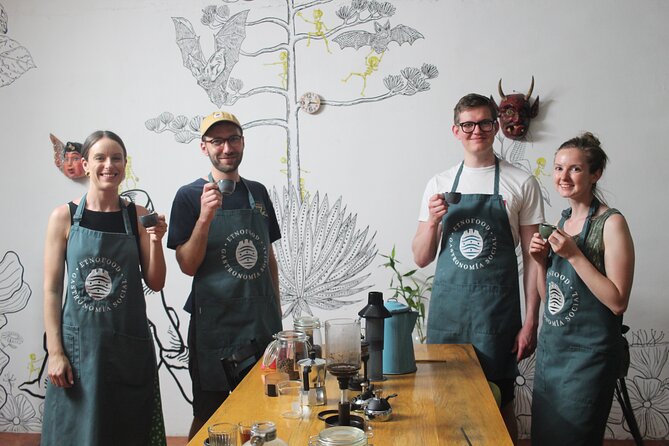
- Three brewing styles so you can taste how extraction changes flavor.
- Small group limit (max 8) for questions and slower, clearer explanations.
- English-language instruction from the barista guide.
- Oaxacan specialty coffee with multiple pours, not just one sample.
- A coffee history + production process lesson that connects the cup to the bigger story.
At Espacio Mezcal: A Cozy Setting for Comparing Coffee
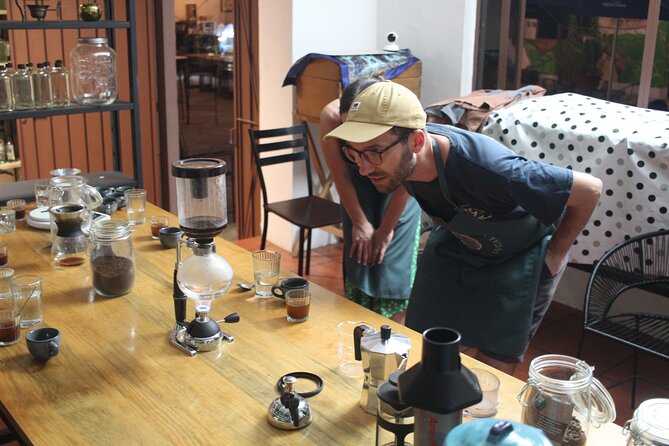
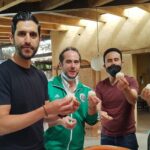
The experience is scheduled to start at 4:00 pm in Oaxaca City, and it ends back at the same meeting point. You’ll meet at EtnofoodXicoténcatl 609, Centro (68000 Oaxaca de Juárez). The setting is an intimate coffee bar inside Espacio Mezcal, which matters because you’re not rushing between sites—you’re focused on what’s happening right in front of you.
This is priced at $29.92 per person for about 1 hour 30 minutes, and the math makes sense when you compare it to what you’re actually getting: three extraction methods, specialty coffee and/or tea, and bottled water, all taught in English. For a coffee lover, that’s a lot of value for a short evening slot.
Group size is capped at 8 travelers, which is a big deal. With a smaller class, you’re more likely to get specific answers (like why one method brings out more brightness while another can feel heavier). It also keeps the tasting from turning into a quick demo where everyone grabs a cup and disappears.
You can also read our reviews of more tours and experiences in Oaxaca City.
French Press and Chemex: Where You’ll Really Notice the Difference
The centerpiece of the tasting is comparing three coffee extraction methods, with French Press and Chemex named as part of the lineup. A third method is also included; the experience materials explicitly name AeroPress, and the training discussions you may hear about often mention a traditional-pot style as one of the brewing setups used in the lesson format. Either way, the goal is consistent: taste how the method changes the cup.
Here’s the practical part for your palate: as you sample, don’t just think in terms of good or bad. Try to notice what changes. Is the cup heavier or lighter? Does it feel sharper at the front of the sip? Does bitterness show up more quickly? Those are the kinds of differences that brewing methods influence, and this tasting is designed to make those shifts obvious.
Also, you’re not stuck with one bean. The lesson focuses on a range of coffee beans, with an emphasis on highly rated blends from Oaxaca. That helps you separate what’s happening because of the coffee itself from what’s happening because of the brew method. When both are changing, it’s easy to blame everything on the beans. Here, the comparison is structured so you can learn faster.
The Oaxacan Bean Focus: Specialty Coffee Without the Guesswork
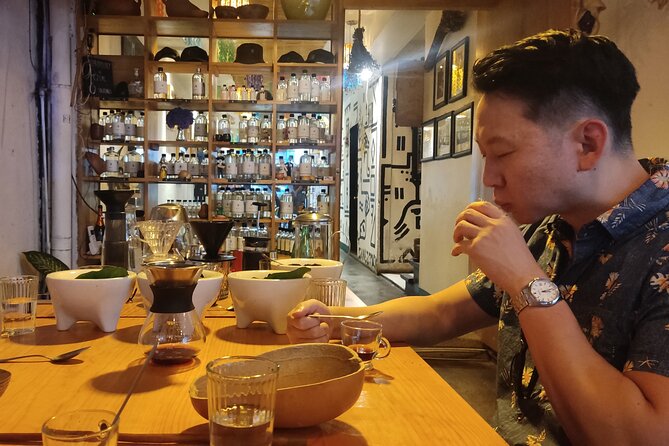
You’ll be served Oaxaca specialty coffee during the tasting. The experience is positioned around Oaxaca’s best blends, which is great for two reasons.
First, it keeps your tasting grounded in one place. Oaxaca coffee has its own personality, and you get to learn that instead of collecting random samples that don’t connect. Second, it gives the history lesson real context. When someone tells you coffee’s role in economies and daily life across centuries, tasting Oaxacan coffee makes the story feel less abstract.
The experience also includes coffee and/or tea plus bottled water. That’s useful if you want to reset between cups or if coffee intensity isn’t your thing all the way through. (Even if you’re a coffee-first person, water and a second warm option make the session more comfortable.)
Coffee as a World Story: Ethiopia to the Industrial Revolution
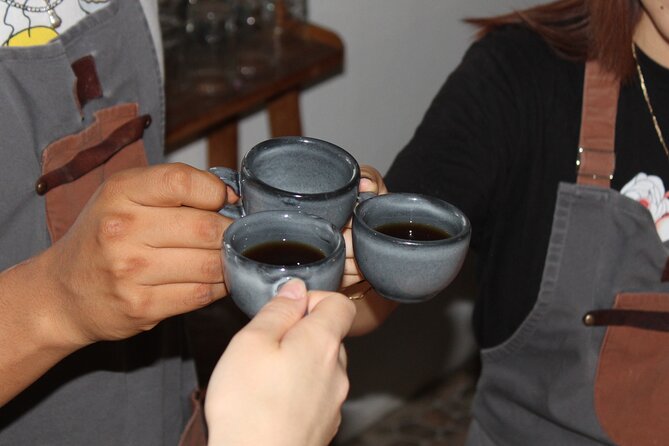
The barista guide doesn’t just explain how to brew. You’ll get a guided history arc that connects coffee’s origins in ancient Ethiopia to its role during the Industrial Revolution, including how coffee influenced cultures and economies.
This matters because coffee tasting can turn into a purely technical exercise: grind, brew style, strength, done. By layering history on top, the tour helps you understand why coffee matters beyond flavor. You’re learning not just how to extract, but why societies got so invested in coffee in the first place—and how the movement of coffee products shaped trade and daily routines.
A smaller, practical point: if you’re the type who likes knowing the why behind the what, this format tends to work well. You’ll come away with more than a few sips—you’ll have a framework for thinking about coffee as a global commodity and a local craft.
From Planting to Cup: What the Educational Materials Add
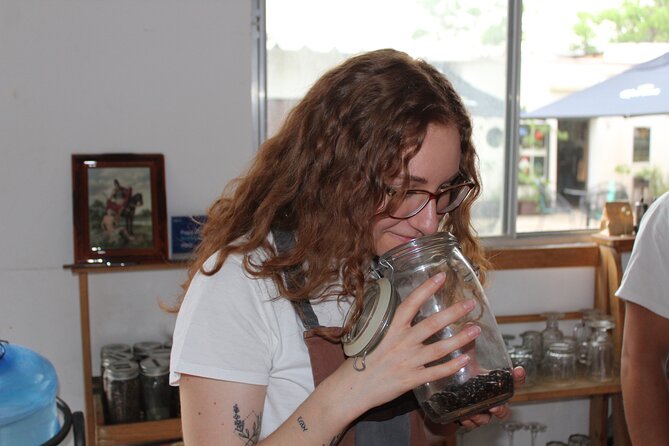
Along with the story, you’ll use educational materials that show the process from planting to cup. The tasting is built to connect effort at the beginning of the chain to what ends up in your cup at the end.
This is valuable because it prevents the most common coffee-tasting disappointment: drinking good coffee and then having no idea what parts of the process create the final result. Even if your main interest is brewing style, knowing the production path helps you understand why coffee can taste different from one origin or lot to another.
One more thing: one of the strengths of this experience is that it tries to balance both worlds—sensory tasting and process education. If you want pure agriculture detail, you might want more than a short session can provide. But as an introduction to how coffee becomes coffee, this hits a solid middle ground.
Timing and Value: Why 90 Minutes at 4:00 pm Works
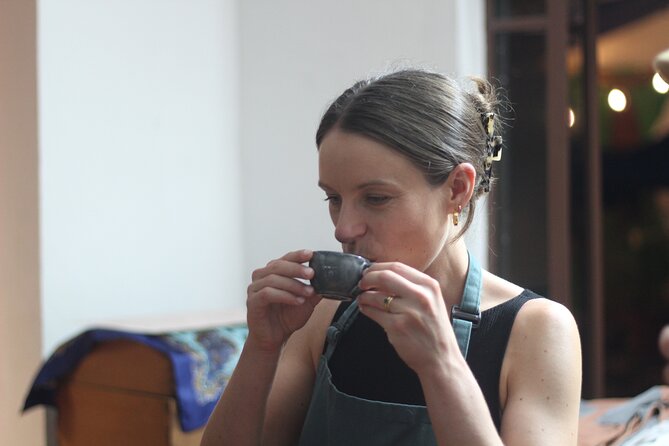
The tour runs for about 1 hour 30 minutes and starts at 4:00 pm. That late afternoon timing is convenient in Oaxaca City because you can pair it with other daytime plans without feeling like you’re scheduling your evening around coffee.
In terms of value, $29.92 isn’t just paying for cups of coffee. You’re paying for:
- Three extraction methods (more learning per minute than a single-demo class)
- Specialty coffee and/or tea
- Bottled water
- English instruction
- A guided explanation that connects brewing and history
It’s also a good sign that the experience averages bookings about 15 days in advance. That usually means it doesn’t sit on shelves forever. If you want a spot, booking earlier is the smoother move.
How to Get the Most From Your Cup Comparisons
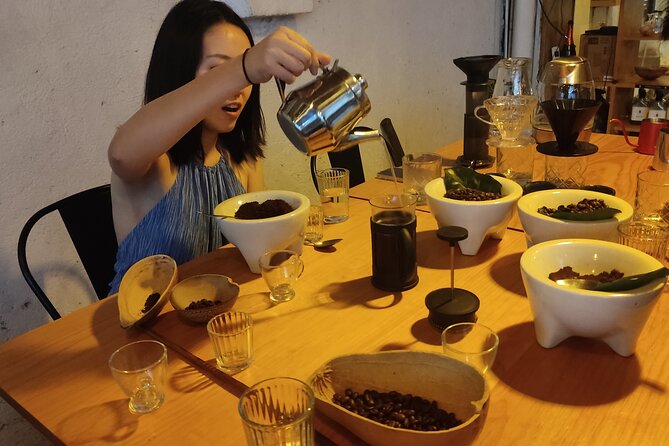
You’ll have the best time if you treat this like a guided tasting exercise, not a casual coffee break. Here are a few ways to make it click quickly:
- Slow down between methods and compare rather than judge.
- Pay attention to aroma first. Smell often tells you what your sip will do next.
- Ask one focused question each time a method changes. For example, you can ask what this brew tends to highlight.
- Take the history and production notes as anchors. They’ll help you remember why the tasting changes, not just that it changes.
Also, bring curiosity about both technique and culture. Guides in Oaxaca often explain with warmth and personality, and the experience has a track record of friendly, clear teaching styles in English. If the barista guide is Pablo, expect excellent English and a personable vibe; if you’re with Juan, the teaching style is known for patience and clear guidance.
Who Should Book This (and Who Might Skip It)
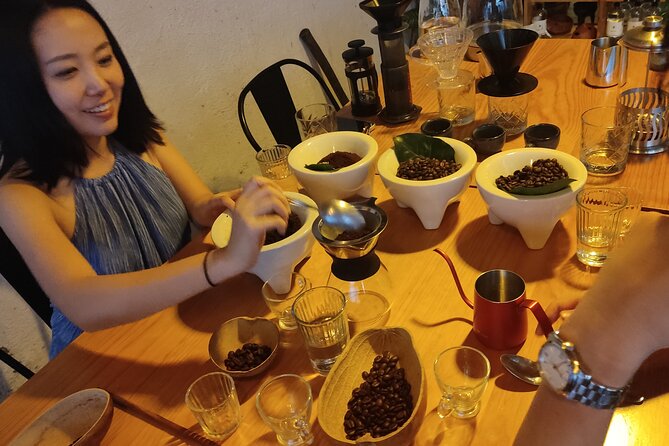
This tour is a strong fit if you:
- Love coffee and want to understand how brewing style changes flavor.
- Want an easy, English-friendly activity that’s more than just drinking.
- Prefer small-group learning where you can ask questions.
It’s less ideal if you:
- Want a heavy, farm-level agronomy focus or a long walk through agricultural practices. This is short and mostly organized around brewing methods, tasting, and an intro-level production overview.
If you fall somewhere in the middle—coffee-curious with a practical streak—this is a great “learn fast” option.
Should You Book Oaxaca Coffee Tasting?
Yes, if you want a high-value, small-group coffee learning session with three extraction methods and real Oaxacan specialty coffee in a tidy 90-minute format. The combination of brewing comparison, history context, and planting-to-cup education makes it more rewarding than a basic tasting where you just sip and move on.
If your main interest is very specific agriculture detail, adjust your expectations and think of this as a guided introduction that helps you taste and understand. For most people, it’s a smart use of an afternoon before evening plans.
FAQ
What coffee extraction methods will I taste?
The tasting focuses on three coffee extraction methods, including French Press and Chemex. AeroPress is specifically named as one of the methods.
How long does the Oaxaca coffee tasting last?
It lasts about 1 hour 30 minutes (approx.).
What time does the tour start?
The tour starts at 4:00 pm.
Where do I meet for the experience?
You meet at EtnofoodXicoténcatl 609, Centro, 68000 Oaxaca de Juárez, Oax.
Does the tour include coffee or tea?
Yes. The experience includes coffee and/or tea made with Oaxaca specialty coffee.
Is bottled water included?
Yes. Bottled water is included.
How many people are in the group?
The experience has a maximum of 8 travelers.
Is the tour offered in English?
Yes. It is offered in English.
Can I cancel for a full refund?
Yes, you can cancel for a full refund up to 24 hours before the experience’s start time.