REVIEW · OAXACA CITY
Oaxaca City Walking Tour – Markets, Textile museum & Lunch
Book on Viator →Operated by Mexico Kan Tours · Bookable on Viator
Color and food start right at dawn. This Oaxaca City walking tour strings together the city’s main sights, hands-on market time, and a textile museum—so you get context fast. I love that it’s a small group (up to 10), which makes it easier to hear your guide and ask questions, and I also love how early market timing helps you move around before it gets too crowded.
You’ll start at the Zocalo area, where the guide frames what you’re seeing—cathedral and colonial-era layers—then the tour shifts into food and craft shopping mode. I like that the stops aren’t random: there’s a plan for the market layout so you’re not just wandering, and the day ends with the textile museum in a restored colonial building.
One thing to consider: this is an active day with lots of walking, standing in markets, and time outdoors. Wear comfy shoes and plan on being ready for snacks and a light lunch when it comes around.
In This Review
- Key highlights worth your time
- A 7-hour Oaxaca walk that mixes food, plants, and textiles
- Starting at Café BienAv on Independence Avenue
- Zocalo to the cathedral area: a quick story you can use
- Markets early: Benito Juarez food market and Mercado 20 de Noviembre
- Chocolate, mezcal, and the pasillo de humo
- Being guided through the market layout so you don’t get lost
- Ethnobotanical Garden of Oaxaca: cactus and agave in a calm hour
- La Cosecha Organic Market: a clean, regional lunch reset
- Santo Domingo Church and the Textile Museum in a restored colonial space
- Guides Bruno and Jorge: what a small group changes
- Food and shopping tips you can use that same day
- Price and practical value of $59
- Who should book this Oaxaca City tour
- Should you book it
- FAQ
- How long is the Oaxaca City walking tour?
- Is the tour offered in English?
- What’s the group size?
- Are any admissions required?
- Where do I meet and where does the tour end?
- What if weather is bad or I need to cancel?
Key highlights worth your time
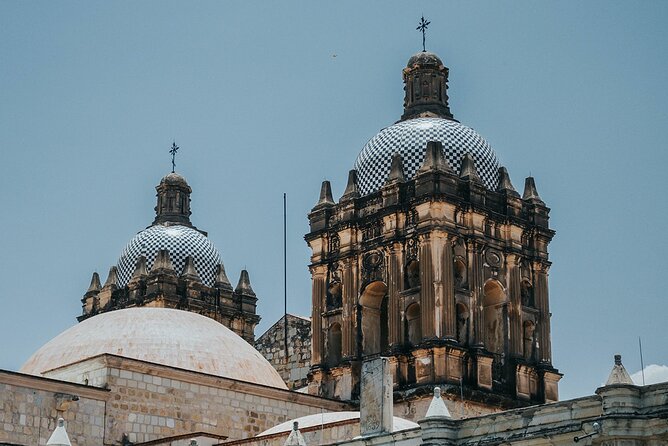
- Zocalo orientation so you understand Oaxaca’s center before markets get loud
- Benito Juarez + Mercado 20 de Noviembre with tastings and craft browsing
- Chocolate-making and mezcal stops inside the market loop
- Ethnobotanical Garden of Oaxaca for cactus and agave photos
- Textile museum visit to connect Oaxaca shopping with the region’s weaving traditions
A 7-hour Oaxaca walk that mixes food, plants, and textiles
This tour is designed for people who want more than just a checklist of sights. In about 7 hours, you cover the historic center, the city’s best market energy, and a museum that explains why Oaxaca textiles matter so much. It’s guided, small, and practical—plus the admissions listed on the day are marked free.
For first-time visitors, this is a strong way to build your bearings. For repeat visitors, it can still be worth it because the day focuses on how the city works: where to go for food, how the market sections connect, and what to look for when you see textiles and crafts.
The English-speaking guide is also a big deal. You’ll get real explanations as you walk, not just directions. And because the group max is 10, you’re less likely to get stuck behind a wall of people while you’re trying to ask questions.
You can also read our reviews of more tours and experiences in Oaxaca City.
Starting at Café BienAv on Independence Avenue
The tour meets at Café BienAv, Av. José María Morelos 402, in the Centro area. This matters because it puts you in the right zone right away—near the action, but not so far out that you waste time getting to the first stops.
From the start, the pace is set for walking and learning. You begin in the main square (Zocalo) area, where you’ll get a quick sense of Oaxaca’s layers: the modern foundations of the city and the colonial past linked to the cathedral zone.
If you’ve been to cities where the center feels like a maze, this is where the guide’s orientation helps. You’re not just seeing buildings—you’re getting the logic behind where everything sits. That pays off later when you’re moving through crowded market aisles.
Zocalo to the cathedral area: a quick story you can use
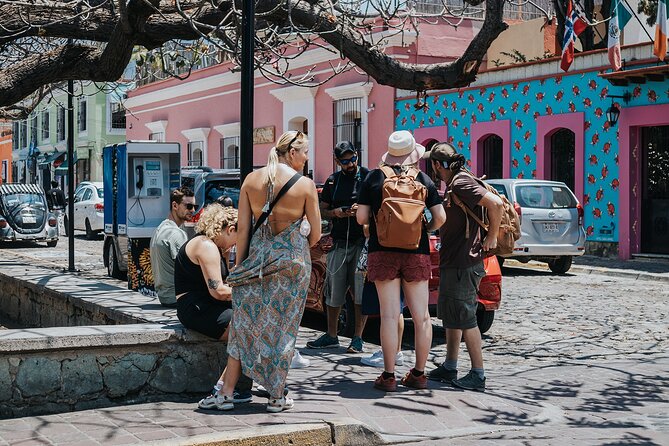
The first segment is built around a simple idea: understand the center first, then explore the markets with more confidence. The cathedral area is part of that story, tied to Oaxaca’s colonial era, but you also get explanations about the city’s layout and what you’re walking past.
This kind of early context is valuable because it changes how you view everything later. When you know why the square sits where it does, markets stop feeling like a random collection of stalls and start feeling like a connected system that evolved around the city.
It also helps if you’re planning to return on your own later. You’ll have a better sense of routes and landmarks, so you can shop without constantly checking your phone.
Markets early: Benito Juarez food market and Mercado 20 de Noviembre
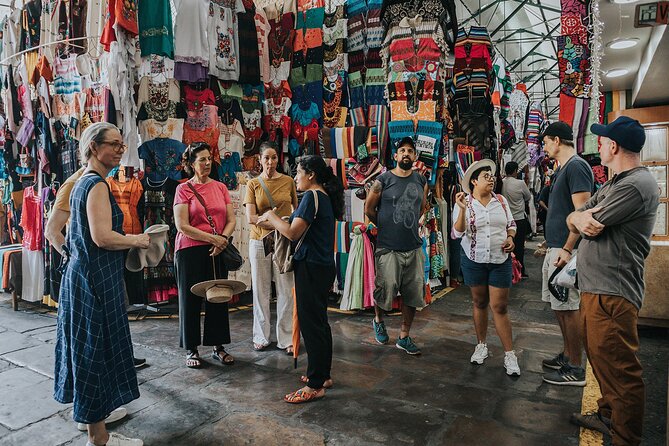
Markets are the core of this experience, and the timing is part of the value. You’ll visit the Benito Juárez food market and the Mercado 20 de Noviembre craft market before the busiest crush hits. That means you can actually look, compare, and ask questions without feeling like you’re sprinting.
At the food market, you’re in the zone where Oaxaca daily life happens. Expect an easy flow between shopping and eating. You’ll also sample typical food and drinks as part of the tour. That’s more than a snack. It’s a shortcut to tasting what the area is known for, so you’re not guessing later when you decide where to eat.
Then you shift into the craft market, where the focus becomes quality and variety. The tour highlights the range you’ll see—textiles, leather goods, shoemakers, ceramics, and even street-style foods like fried crickets. If you’ve ever walked into a craft market and felt overwhelmed, this is the format that helps: the guide points out what to look for and how the market is organized.
Chocolate, mezcal, and the pasillo de humo
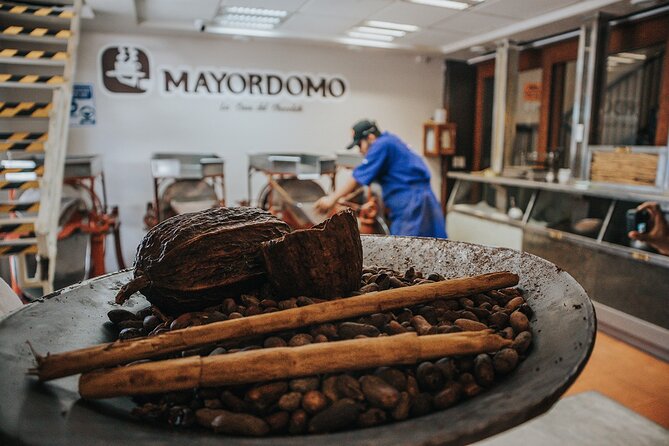
One of my favorite parts of this kind of market walk is when the guide connects everyday shopping with specific local traditions. Here, you get a closer look at how chocolate is made. Even if you’re not a chocolate expert, you’ll leave with a clearer sense of why Oaxaca’s chocolate culture is a big deal.
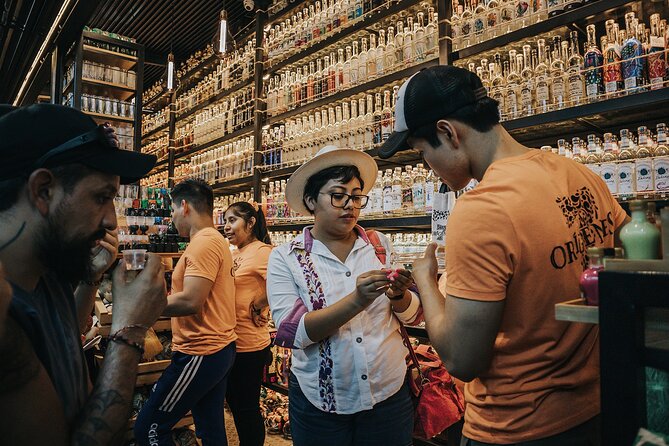
You’ll also check out a mezcal superstore. That’s useful because mezcal can be confusing if you only see bottles on shelves. Seeing how it’s presented in a specialized shop helps you understand the range of products and what you might want to compare later.
And yes, you’ll visit the famous pasillo de humo, the corridor of smoke. It’s one of those Oaxaca visuals that feels instantly memorable. More importantly, it’s the kind of spot you’ll understand better after you’ve walked the market with a guide—where you are, why the space exists, and how it fits into the market’s layout.

Being guided through the market layout so you don’t get lost
The tour doesn’t just throw you into stalls and hope for the best. A big part of the experience is learning the layout so you can return later with a plan.
This matters for two reasons:
1) You can find what you liked faster when you shop again on your own.
2) You can avoid the mental fatigue of wandering aimlessly through rows of textiles and crafts.
Oaxaca markets can move fast. And you really can get turned around among the many goods—especially textiles, where patterns and colors pull your attention in every direction. Having your guide’s structure in your head keeps the day fun instead of stressful.
Ethnobotanical Garden of Oaxaca: cactus and agave in a calm hour
After market time, you get a breather: the Ethnobotanical Garden of Oaxaca. This stop is built to feel different from the city streets—quieter, more focused, and designed for walking.
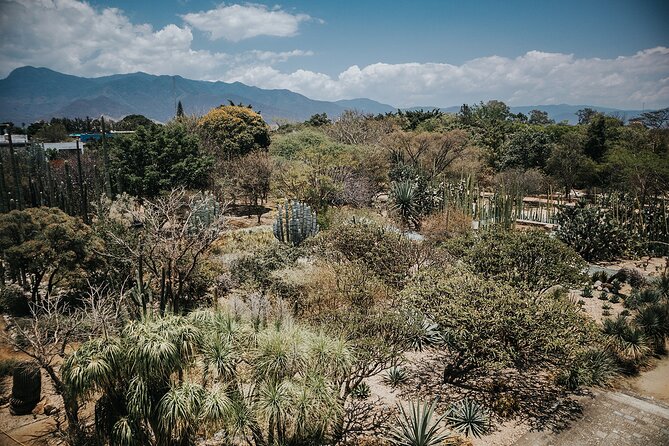
You’ll spend around one hour here, and it’s especially good for anyone who wants Oaxaca beyond food and crafts. The garden highlights the cacti and agave that grow in the region, including plants that are endemic to Oaxaca.
Even if plants aren’t your thing, the photo opportunities are easy. Think sharp shapes, spiky textures, and the kind of close-up look you rarely get while rushing through town. It’s also the kind of stop that helps you understand why agave and mezcal aren’t just products—they’re rooted in the local environment.
La Cosecha Organic Market: a clean, regional lunch reset
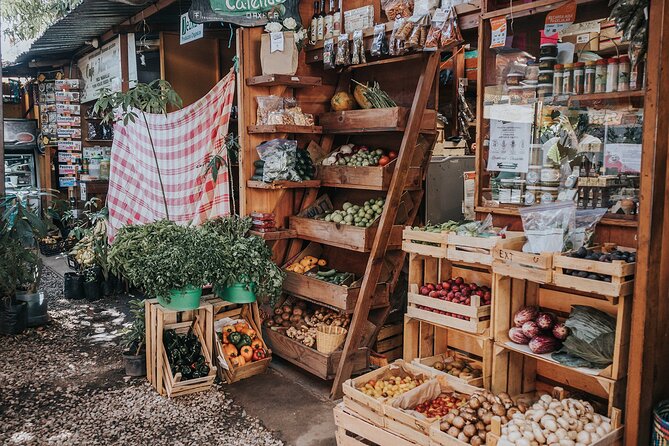
Next comes a practical, refreshing break at La Cosecha Organic Market. It’s described as relatively small, open air, and very clean—so you can sit down without feeling like lunch is chaos.
You’ll get about one hour for refreshments and a light lunch. The key detail is the food setup: vendors offer dishes from different regions of the state, and you choose from the surrounding stalls while eating in a shared area.
This format is smart for a guided tour day. It reduces decision fatigue. Instead of guessing which restaurant to trust, you get a few options in one place and you can match your mood—something warm, something lighter, something Oaxaca-style—without committing to a long meal.
Santo Domingo Church and the Textile Museum in a restored colonial space
The afternoon shifts toward Santo Domingo Church and then the Textile museum. The museum is housed in a restored colonial mansion, which gives the visit a different feel from market browsing. You’re slowing down and seeing textiles framed in a way that makes more sense.
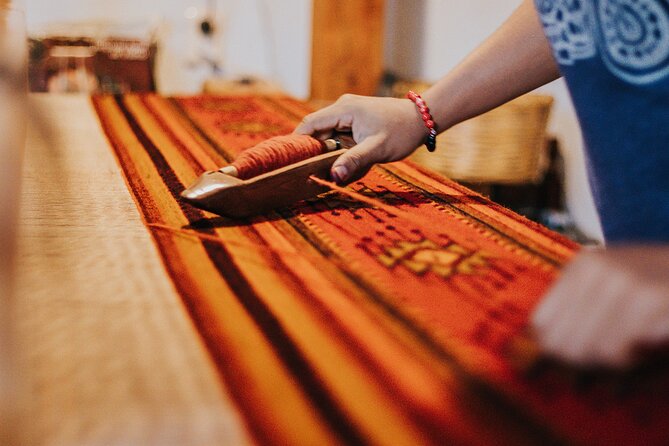
Oaxaca is famous for textiles, and this stop helps you connect the shopping you did earlier with the bigger story behind it. Instead of just looking for pretty weavings, you get a look at textiles from around the state—what they are, how they’re represented, and why they show up again and again in local craft culture.
It’s also timed well. By the time you reach the museum, your eyes have already been trained by the markets. You’ll notice details faster and understand patterns better. The museum stop is about two hours, which is enough time to actually look rather than sprint through.
Guides Bruno and Jorge: what a small group changes
On this tour, you may be led by guides such as Bruno or Jorge, who have both been praised for knowledge and friendly handling of the day. The common thread is that they don’t just point. They explain.
With a group size cap of 10, you’re more likely to get those explanations in a real way. You can hear the guide, and you’re not stuck waiting your turn to ask why something matters—whether that’s a market tradition, a plant in the garden, or how the textile museum connects to what you can buy in town.
Another thing I like about this setup: guides can also steer you beyond the tour. If you want follow-up ideas outside the city, that’s the kind of recommendation you’re more likely to get when the guide can talk directly with you.
Food and shopping tips you can use that same day
Here’s how to make the most of the day without overthinking it:
- Come hungry. The market portion includes food and drink sampling, and you’ll be thinking about snacks later too.
- Expect the garden to take real time. Plan for the hour outdoors, and don’t try to rush through it.
- Wear shoes you can stand in. Markets involve uneven ground and lots of stop-and-go walking.
- Use the layout lesson. After the guided route, try to remember landmark cues so you can shop with purpose later.
Also, this is a day where you’ll see a lot: leather goods, ceramics, shoemakers, textiles, and the fast-changing energy of food stalls. If you try to photograph everything, you’ll miss the best part—learning what matters. I suggest taking fewer photos and spending more time listening.
Price and practical value of $59
At $59 per person for about 7 hours, the real question is what you’re buying besides walking. You’re paying for:
- a guided flow through multiple key stops
- a structured market experience with samples and explanations
- time with admission-free stops (the listings mark admission ticket free for each attraction segment)
When admissions and entry time are included as free, the cost feels more reasonable because you’re not stacking paying tickets on top of a guided day. You also get a coherent route—from the Zocalo into markets, then garden, then lunch, then Santo Domingo and the textile museum.
This isn’t a “sit on a bus and see a few points” kind of tour. You’re actively involved, so the value comes from how efficiently the day is organized.
Who should book this Oaxaca City tour
This one fits best if you:
- are seeing Oaxaca for the first time and want a fast sense of place
- enjoy markets, food, and shopping with guidance
- care about textiles and want a museum stop that explains what you see
- like small groups with an English-speaking guide
It may be less ideal if you:
- want a short, low-walking outing
- prefer strict museum time over markets and food sampling
- dislike being on your feet for most of the day
If you’re on the fence, think about what you want Oaxaca to feel like. This tour leans into the everyday Oaxaca experience—food stalls, craft trading, and the plants tied to local traditions.
Should you book it
If you want an organized, memorable way to understand Oaxaca City—without spending your whole trip wandering—you should book this tour. The strongest selling points are the market guidance, the food and tastings, and the textile museum that helps you connect what you buy with what you learned.
Book it when you can. It depends on good weather, and it also runs with a minimum number of travelers. If conditions aren’t ideal or the group doesn’t meet the minimum, you’ll be offered a different date or a refund.
And if you’re traveling with limited time, this is one of those days that helps you feel oriented for the rest of your trip.
FAQ
How long is the Oaxaca City walking tour?
It’s approximately 7 hours.
Is the tour offered in English?
Yes, the tour is offered in English.
What’s the group size?
The tour has a maximum of 10 travelers.
Are any admissions required?
The tour notes admission tickets are free for the market and garden and the textile museum stops.
Where do I meet and where does the tour end?
Meet at Café BienAv, Av. José María Morelos 402, Centro. It ends at La Cosecha Organic Market, C. Macedonio Alcalá 806, Centro.
What if weather is bad or I need to cancel?
The tour requires good weather. If it’s canceled due to poor weather, you’ll be offered a different date or a full refund. You can cancel for a full refund up to 24 hours in advance.