REVIEW · MEXICO CITY
Mexico City’s Jewish Quarter: Private Tour
Book on GetYourGuide →Operated by Máan Tours · Bookable on GetYourGuide
Jewish history lives in plain sight here. This private 2-hour walk links the Zócalo to the streets of the Jewish Quarter, with stops tied to arrival stories, the Inquisition in Mexico, and a real synagogue visit.
Two things I like right away: you get tour storytelling from a professional guide accredited by the Secretary of Tourism, and you’re not just staring from the sidewalk—there’s synagogue access plus a chance to enter the Palacio de Medicina (if it’s open).
One consideration: the experience can depend heavily on guide clarity and focus. Some bookings cite English that was hard to follow and routes that felt only loosely connected to Jewish history, and both the Palacio de Medicina and synagogue entry are listed as subject to availability.
In This Review
- Key takeaways
- Starting at the Zócalo: how the tour frames Jewish arrival stories
- Santo Domingo Square and the Palacio de Medicina: the Inquisition context you can’t ignore
- Walking the Jewish Quarter streets: from first synagogue to daily life
- Teatro del Pueblo: a neighborhood landmark with a purpose
- Inside Justo Sierra Historic Synagogue (Nidje Israel): why the 1941 date matters
- The tour’s closing story: important Jewish characters in Mexico
- Price and value for $69 per person (2 hours, private group)
- Who this Jewish Quarter tour is best for
- What to bring and how to set yourself up
- FAQ
- How long is the tour, and is it private?
- Where does the tour meet?
- What language is the tour guide?
- What’s included in the price?
- Is there a cost for the synagogue donation?
- What should I bring for entry?
- What if I need to cancel?
- Should you book this Mexico City Jewish Quarter tour?
Key takeaways
- Zócalo start, tight context: You begin in the main square and connect city origins to when Jews started arriving in Mexico.
- Palacio de Medicina stop: You’ll talk about the Inquisition in Mexico just a few steps from Santo Domingo Square.
- Jewish Quarter walking route: You’ll move through the neighborhood where Jewish immigrants settled and founded the first synagogue in Mexico.
- Teatro del Pueblo near the synagogue area: You’ll see this cultural landmark as part of the day-to-day neighborhood picture.
- Justo Sierra Historic Synagogue (Nidje Israel): A 1941 synagogue visit with the community’s flourishing in mind.
- Back to the Zócalo: The tour closes where you started, so you leave with easy bearings for the rest of your day.
Starting at the Zócalo: how the tour frames Jewish arrival stories
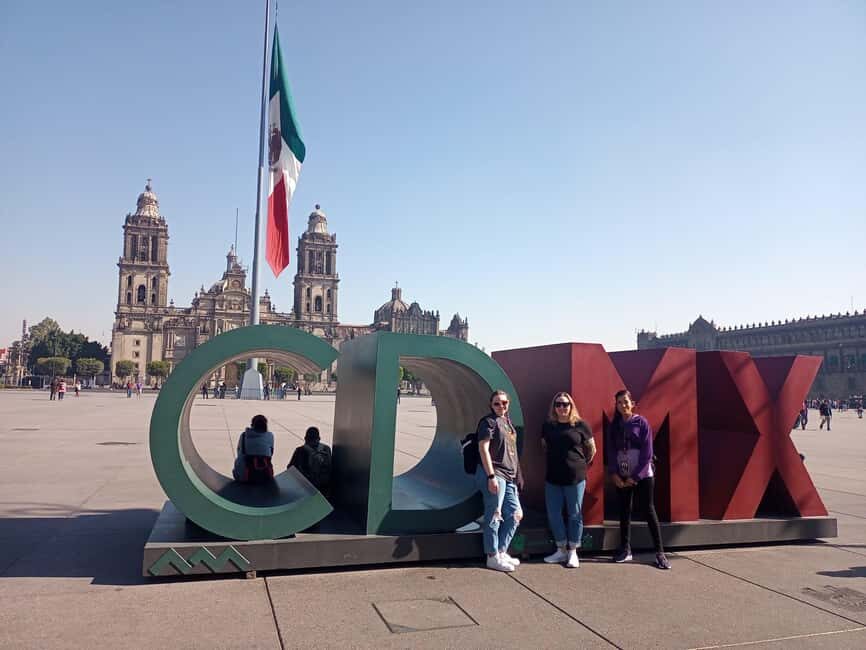
Most people think of the Zócalo as Mexico City’s postcard square. This tour uses it differently. You start right there with an introduction to the origins of Mexico City and then connect that big-picture setting to the moment when Jews began to arrive in Mexico.
That choice matters because it changes the feel of the walking portion that follows. You’re not collecting random facts about the past. You’re building a timeline in your head as the streets unfold around you, which helps you notice what you’re seeing instead of just accepting it as scenery.
If you’re the type who likes to understand how a city got its layers—who lived where, and why—this is a good entry point. If you’re expecting a long lecture in a museum room, this isn’t that. It’s history tied to walking routes and identifiable places you can point to afterward.
You can also read our reviews of more city tours in Mexico City

Santo Domingo Square and the Palacio de Medicina: the Inquisition context you can’t ignore
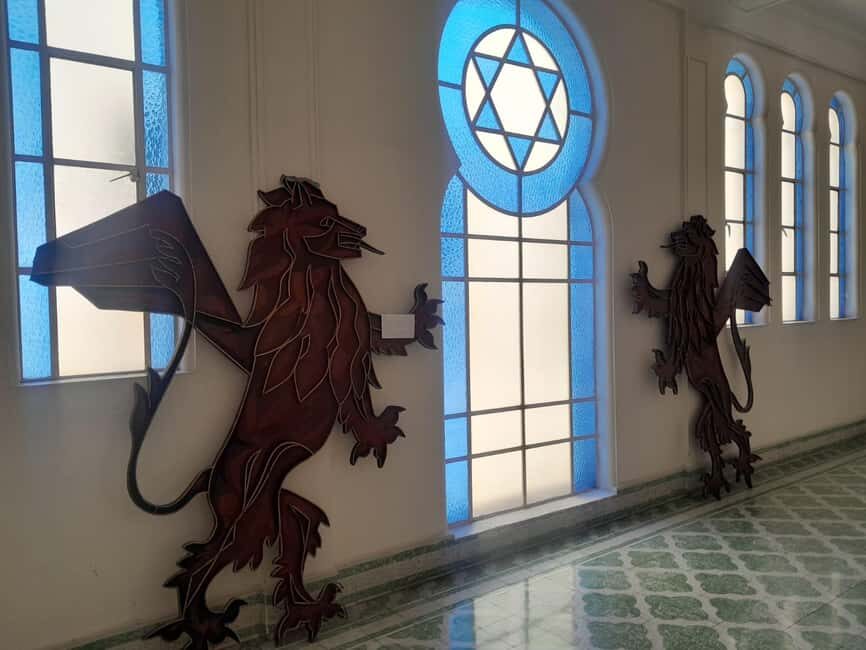
A few steps away, the tour shifts to Santo Domingo Square and (when available) enters the Palace of Medicine, a stop built around discussing the Inquisition in Mexico. Even if you don’t love grim historical topics, this part is useful because it gives context for why Jewish life in Mexico can’t be explained only by migration and community growth.
Practically, this is where you’ll switch gears from neighborhood walking to deeper historical framing. The tour doesn’t ask you to memorize dates. It’s more about connecting the dots: how power, persecution, and shifting conditions shaped what religious communities could practice openly—or had to navigate carefully.
And since the Palacio de Medicina entry is listed as subject to availability, I’d plan for a Plan B. If you can’t get in, you’ll still get the narrative value of the stop, but you might miss some of the physical impact of being inside the building.
Walking the Jewish Quarter streets: from first synagogue to daily life
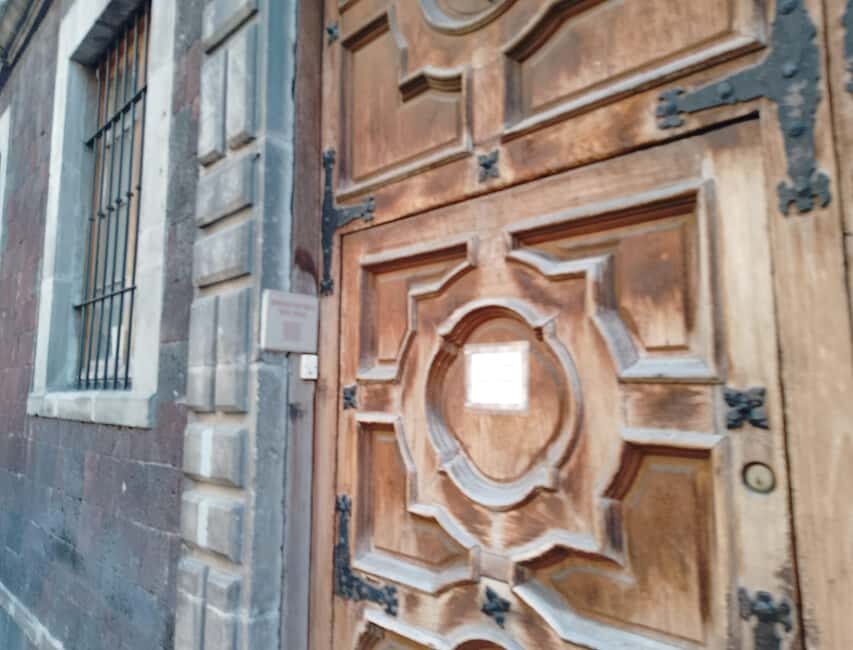
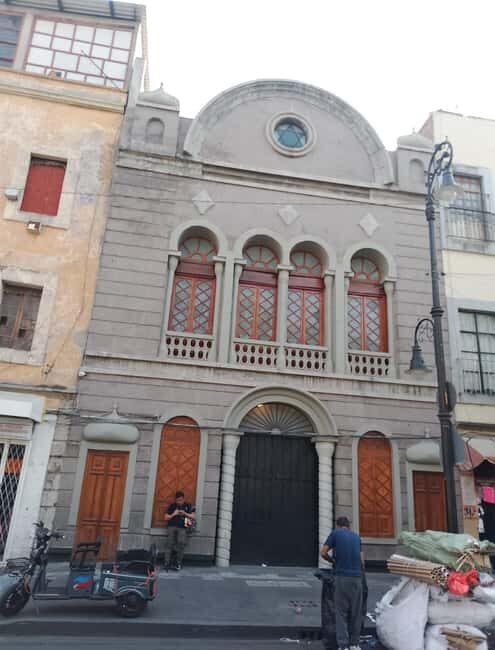
Once you’re in the Jewish Quarter area, the tour becomes a story walk. You’ll trace the route through streets where Jewish immigrants settled and founded what’s described as the first synagogue in Mexico. The guide ties this to how community life worked day to day—where people went, what the neighborhood offered, and how the area functioned as a local home base.
This is one of the places where a good guide makes or breaks the tour. The difference between a fun stroll and a real learning experience is whether the guide can translate the neighborhood into human scale. In a strong delivery, the streets stop being “old” and start becoming “lived-in,” which is exactly what this tour is aiming for.
Also, because this part includes storytelling focused on Jewish daily life, it’s a great fit if you enjoy understanding people, not just monuments. If you’re hoping for lots of names and dates with zero social context, you may find yourself wanting slightly more structure than a walking narrative provides.
Teatro del Pueblo: a neighborhood landmark with a purpose
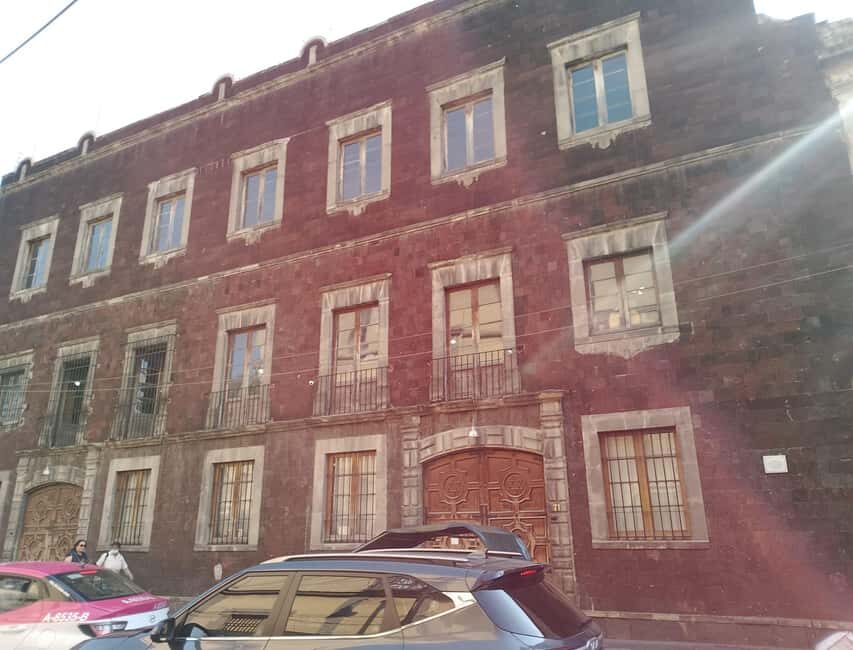
Near the synagogue area, the tour includes a look at the Teatro del Pueblo. This isn’t just a random stop to break up walking. It supports the tour’s big idea: religious community doesn’t exist in a vacuum. It grows in the same city fabric as performances, commerce, and public life.
You’ll likely leave this with a better sense of how the Jewish Quarter functioned beyond places of worship. Even without going into deep theater history, this kind of stop helps you visualize the neighborhood as a place where people worked, socialized, and attended cultural events alongside community institutions.
Inside Justo Sierra Historic Synagogue (Nidje Israel): why the 1941 date matters
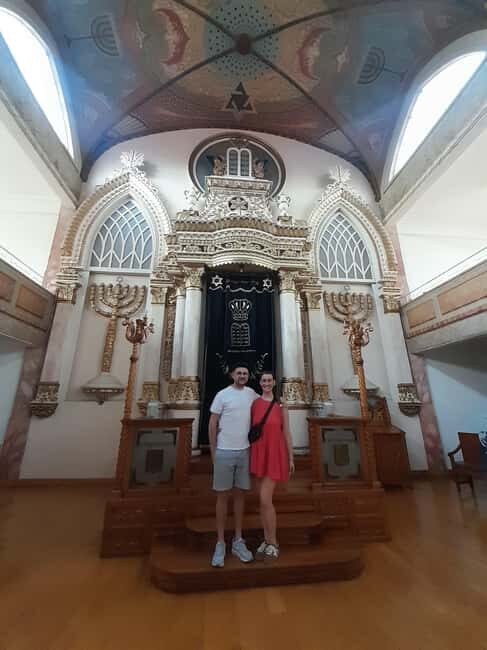
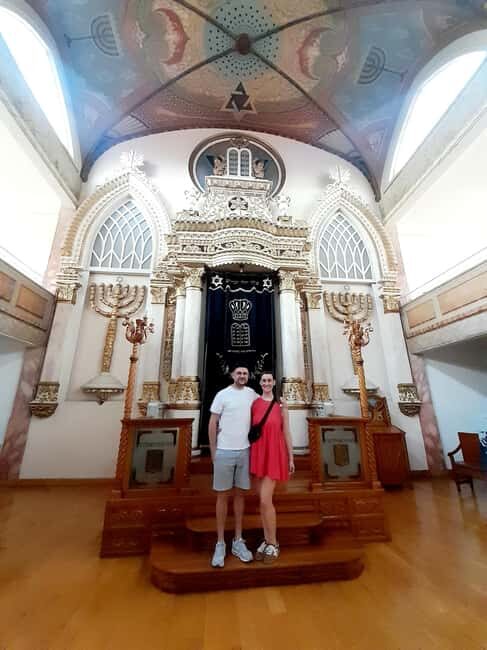
The headline moment is the Justo Sierra Historic Synagogue, described as created in 1941 and called Nidje Israel. When entry is available, you’re not just learning about Jewish history in Mexico City—you’re standing in a surviving piece of community identity.
That 1941 detail is important because it signals a period when the local community was flourishing and consolidating. The tour uses this to help you understand the synagogue as more than a building. It’s a marker of continuity and organization, built when the community felt strong enough to strengthen its institutions.
A small practical note: there’s a line item for donation to the synagogue as not included. So if you want to be respectful (and you probably do), keep some cash or a small amount set aside for that donation.
Also, since synagogue entry is subject to availability, you should treat the visit as a bonus that’s very likely—but not guaranteed. If access is limited, the guide’s explanation of what Nidje Israel represents becomes even more important.
You can also read our reviews of more private tours in Mexico City


The tour’s closing story: important Jewish characters in Mexico
After the synagogue area and neighborhood walking, the tour wraps by talking about important Jewish characters who have stood out in Mexico’s history. The value here is linking the local places you saw to broader national stories.
This ending is more than a headcount of famous names. It’s your chance to connect the geography to influence—how community life can ripple outward into politics, culture, and public life. If the morning started with the Zócalo and the first arrival stories, this is where you connect those origins to real people and legacy.
And since the tour returns to the Zócalo at the end, you get something practical: you’ll finish in a spot where it’s easy to continue your day without needing another transfer plan.
Price and value for $69 per person (2 hours, private group)
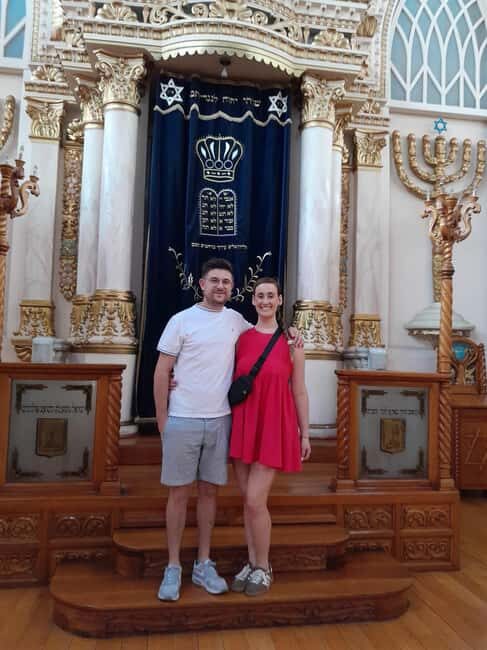
At $69 per person for a 2-hour private tour, you’re paying for guided context plus two potential paid entries: Palacio de Medicina and the Justo Sierra Historic Synagogue. You’re also getting a guide accredited by the Secretary of Tourism and a live guide in English and Spanish.
So the value question isn’t only about the walking. It’s about whether you’ll actually use what’s included. If you enter both the Palacio de Medicina and Nidje Israel, you’re getting more than an overview—you’re getting access. If one of the entrances isn’t available, the historical narrative still works, but the “full package” value drops a notch.
Private format is also part of the pricing logic. It typically means your time isn’t competing with other groups trying to ask questions at the same moment. In a tour where the focus relies on explanation—like this one—it can make the difference between hearing the story and actually understanding it.
Who this Jewish Quarter tour is best for
This tour is a good match if:
- you like city history tied to specific streets and buildings
- you want a guided explanation that connects arrival stories, community life, and major turning points like the Inquisition
- you enjoy the combination of a neighborhood walk plus an indoor stop at a real synagogue
It may be less ideal if:
- you need very strict, no-waste focus on Jewish history at every single stop
- your priority is perfectly fluent English delivery above all else (some bookings have flagged that clarity can vary)
- you prefer a longer time on one site instead of moving through multiple meaningful places in a tight 2 hours
If you want the best odds of a great experience, show up ready with questions. This kind of tour works best when you engage—especially when you care about how the story fits together.
What to bring and how to set yourself up
Keep it simple:
- Bring a passport or ID card. A copy of your ID card is accepted.
- Bring comfortable shoes. This is a downtown walk, and 2 hours disappears quickly when you’re covering more than one neighborhood zone.
- If synagogue entry happens, plan for the donation to be on you since it’s not included.
Meeting point is straightforward: the guide will be in front of the Hotel Zocalo Central.
FAQ
How long is the tour, and is it private?
The tour lasts 2 hours and is a private group experience.
Where does the tour meet?
The meeting point is in front of the Hotel Zocalo Central.
What language is the tour guide?
The live guide is available in English and Spanish.
What’s included in the price?
You get a 2-hour guided visit with stories from a professional tour guide accredited by the Secretary of Tourism, plus entrance to Palacio de Medicina and entrance to Justo Sierra Historic Synagogue, each subject to availability.
Is there a cost for the synagogue donation?
A donation to the synagogue is not included.
What should I bring for entry?
Bring a passport or ID card. An ID card copy is accepted.
What if I need to cancel?
You can cancel up to 24 hours in advance for a full refund.
Should you book this Mexico City Jewish Quarter tour?
I’d book it if you want a short, focused route that connects the Zócalo to the Jewish Quarter, includes a synagogue visit at Justo Sierra Historic Synagogue (Nidje Israel), and adds real historical framing through the Palacio de Medicina and the story of the Inquisition in Mexico. It’s a good value when you get the entries and the guide’s storytelling clicks.
I’d hesitate if you’re very sensitive to guide English clarity or if you want every stop to be 100 percent laser-focused on Jewish history with no extra context. If you’re in that camp, send a couple of questions in advance or be ready to steer the conversation right after you meet the guide.
If you’re flexible and curious, this is the kind of downtown walk that helps the city make sense.