REVIEW · MEXICO CITY
Mexico City: Ticket de entrada Museo Memoria y Tolerancia
Book on GetYourGuide →Operated by Museo Memoria y Tolerancia · Bookable on GetYourGuide
A museum can be heavy and still be useful. This one asks you to look at history, then asks you what tolerance means in real life. I really like the way the ticket covers 43 permanent rooms plus temporary exhibitions, so you get a full day that feels like a guided thought process. I also love the high-impact design choices: you’re not just reading dates; you’re facing the story through objects, documents, and installations. One thing to consider: this is emotionally serious, and the permanent exhibitions are recommended for kids over 15.
Plan on a lot of reflection, not a quick museum stroll. You’ll get an audio guide in Spanish and English, and the museum’s mission is clear: remembering crimes against humanity like the Holocaust and other genocides is meant to warn you about the danger of indifference, discrimination, and violence. If you’re sensitive to intense material, you’ll want slower pacing and breaks.
In This Review
- Key highlights you should not miss
- Getting oriented in downtown Mexico City: Plaza Juárez meets a museum with a mission
- The one-day pacing that actually works: 43 rooms without rushing
- Permanent exhibitions: the Holocaust and other genocides, mapped through objects and rooms
- The museum’s installations: Jan Hendrix, metronomes, and interactive works that make you react
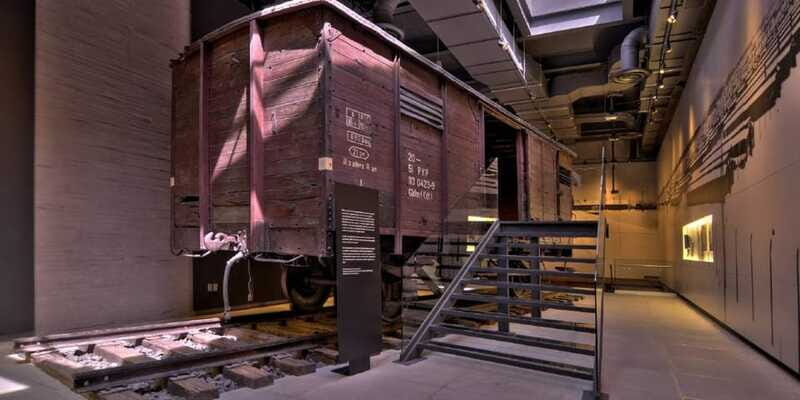
- WWII anchor points: the train wagon and the Berlin Wall fragment
- Temporary exhibitions: how to use them to change your angle
- The value of this museum ticket: why it feels like more than $13
- Who should book this, and what to know before you go
- Should you book this Museo Memoria y Tolerancia ticket?
- FAQ
- What does the ticket include?
- How many rooms and exhibits are in the permanent collection?
- Where is the museum located?
- How long is the ticket valid?
- Is the audio guide available in English?
- Are food and drinks allowed inside the museum?
- Is it appropriate for children?
- Is the museum wheelchair accessible, and can I cancel?
Key highlights you should not miss
- 43 rooms of permanent exhibitions built around the Holocaust and other crimes against humanity
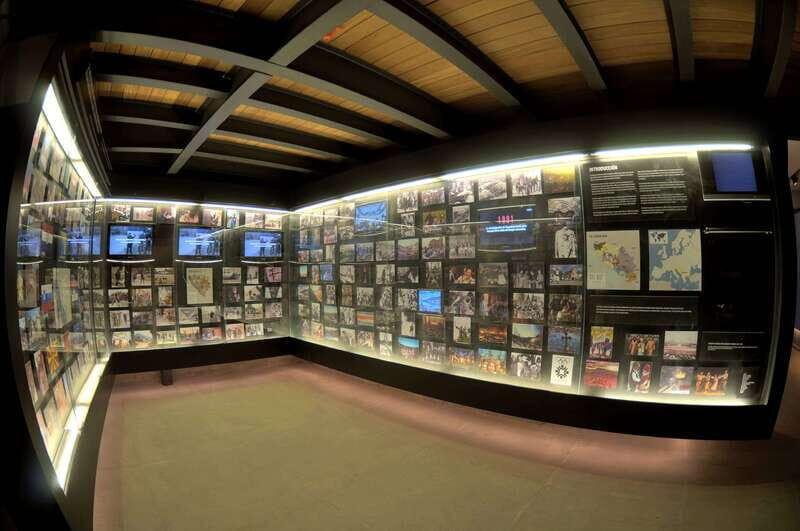
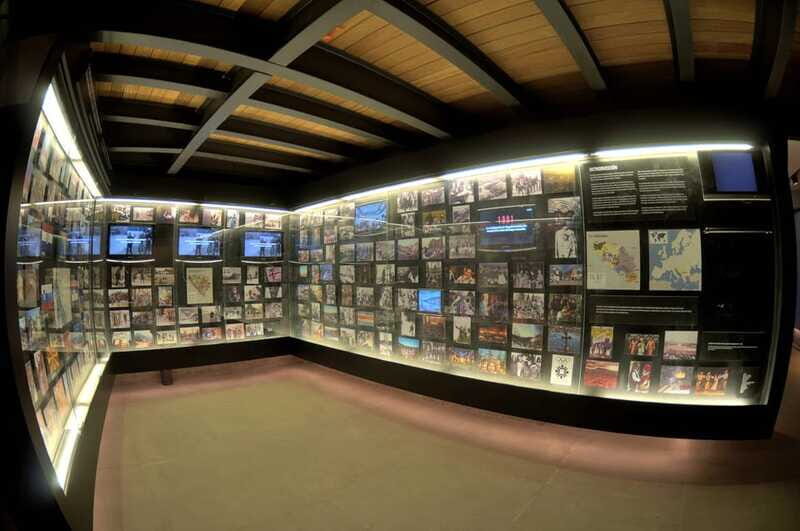
- 1,200+ objects and documents, with audiovisual pieces that help you connect the dots
- Internationally recognized installations, including works by Jan Hendrix and interactive sculptures
- WWII artifacts and memorial anchors, like a prisoner transfer train wagon and a Berlin Wall fragment
- Temporary exhibitions included, so your visit isn’t just one long permanent loop
- Audio guide in Spanish and English, included with your entry ticket
Getting oriented in downtown Mexico City: Plaza Juárez meets a museum with a mission
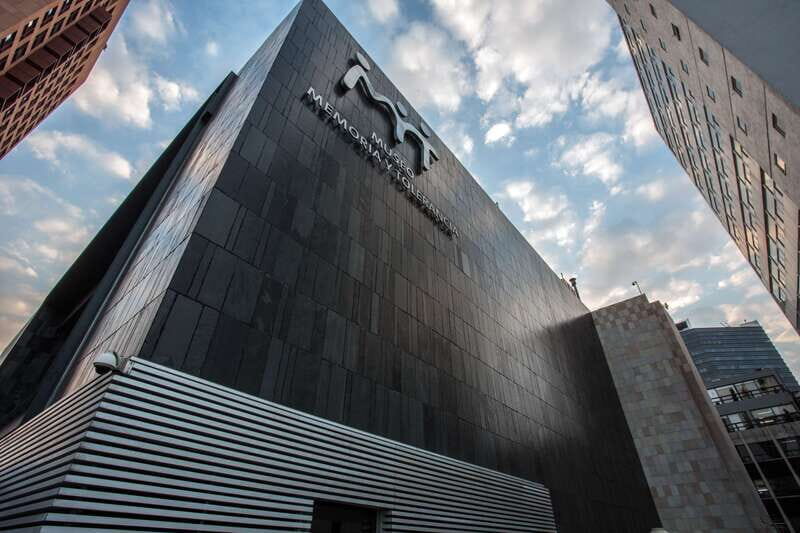
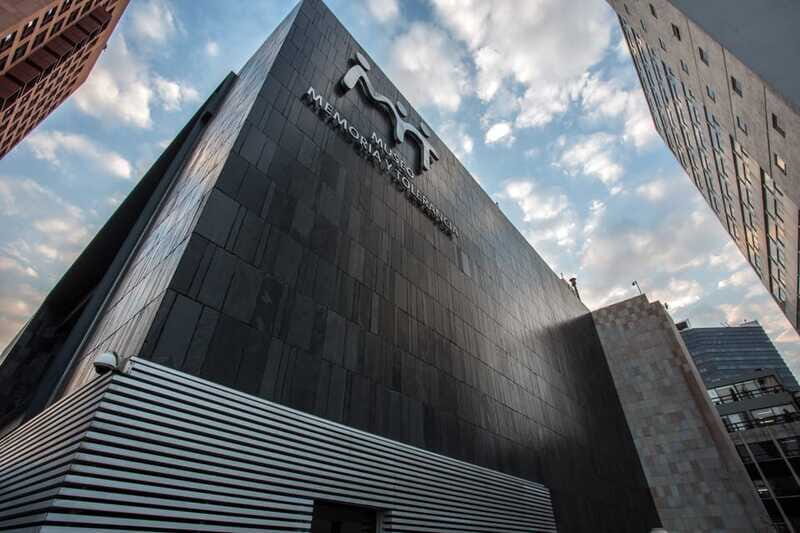
I like to start big and simple: where you’ll be and what the place is about. The Museo Memoria y Tolerancia sits at Plaza Juárez in downtown Mexico City, next to the Secretaria De Relaciones Exteriores and in front of the Hemicycle to Juarez. That puts it in the center of the city’s everyday flow, but the museum itself is deliberately designed to slow you down.
The ticket you’re buying is for a 1-day visit that gives you access to the museum’s permanent exhibition galleries and the temporary exhibitions. There’s no need to hunt for extra add-ons once you’re inside. Just show up, grab your audio guide, and be ready to spend time with material that’s meant to change how you think about human rights and social responsibility.
Practical note: the museum doesn’t allow food and drinks, so plan for a pre-visit snack or keep your meal for after. Also, wear shoes you’re comfortable walking in. Even with no “guided tour” format, 43 rooms can add up fast.
You can also read our reviews of more tours and experiences in Mexico City


The one-day pacing that actually works: 43 rooms without rushing
This museum is not built for a “see everything in 60 minutes” mindset. The permanent exhibition has 43 rooms and more than 1,200 objects and documents, plus audiovisual elements. That means your best strategy is to choose a pace and stick to it.
Here’s how I’d plan your day:
- Start with the permanent exhibition and use the audio guide to guide your attention (don’t try to read every label).
- Take intentional pauses in rooms where the museum’s installations do the heavy lifting.
- Save some time near the end for the temporary exhibitions, since they’re included and can give your visit a fresh perspective.
What you’re really doing is building understanding. The museum’s mission is to create awareness through historical memory, especially around the Holocaust and other crimes against humanity. The more rooms you cover, the more patterns you’ll notice: the progression from hatred to discrimination to violence, and the museum’s insistence that indifference is part of the danger.
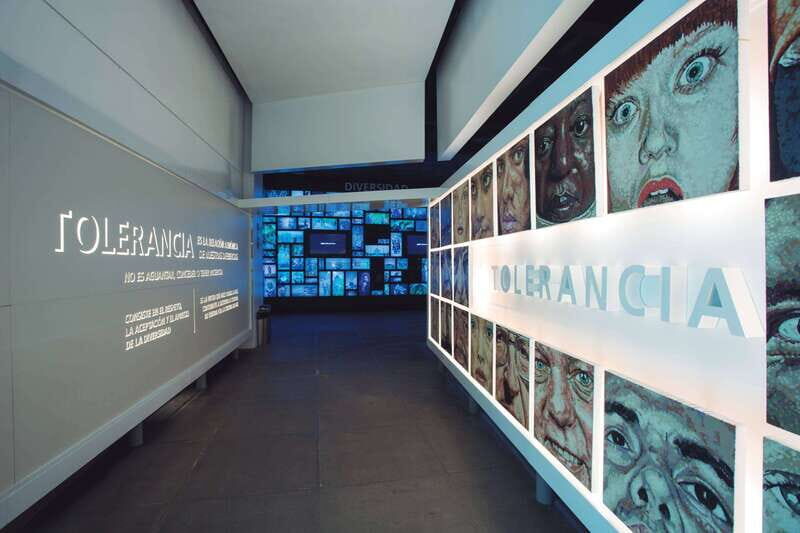
If you come in expecting only facts, you’ll leave with something else too. The museum uses art, architecture, and interactive installations to push the emotional weight of the message into your body, not just your brain.
Permanent exhibitions: the Holocaust and other genocides, mapped through objects and rooms
The core of your ticket experience is the museum’s permanent exhibition. It’s built as a human and historical journey, with 43 rooms designed to connect evidence to meaning. The museum specifically addresses the Holocaust and other crimes against humanity, including the Armenian genocides, Rwanda, Guatemala, Cambodia, Darfur, and Yugoslavia.
One of the most useful things about this setup is that it doesn’t treat genocide as a single-page topic. You see the theme of how societies can slide into violence, and you’re constantly confronted with the museum’s warning: indifference and discrimination are not harmless bystanders. That’s the point where the museum changes from “history you learn” to “responsibility you recognize.”
You’ll also notice the mix of materials. You’re not limited to timelines. There are objects, documents, and audiovisual pieces that help you understand the difference between propaganda, ideology, and lived experience. It’s the kind of content that makes you slow down and think: what people did, what people ignored, and what consequences followed.
And yes, there’s an exhibit that many visitors find especially moving: the museum includes an Anne Frank exhibit. It’s one of those moments where the museum’s message becomes personal in a way you can’t shake easily.
The museum’s installations: Jan Hendrix, metronomes, and interactive works that make you react
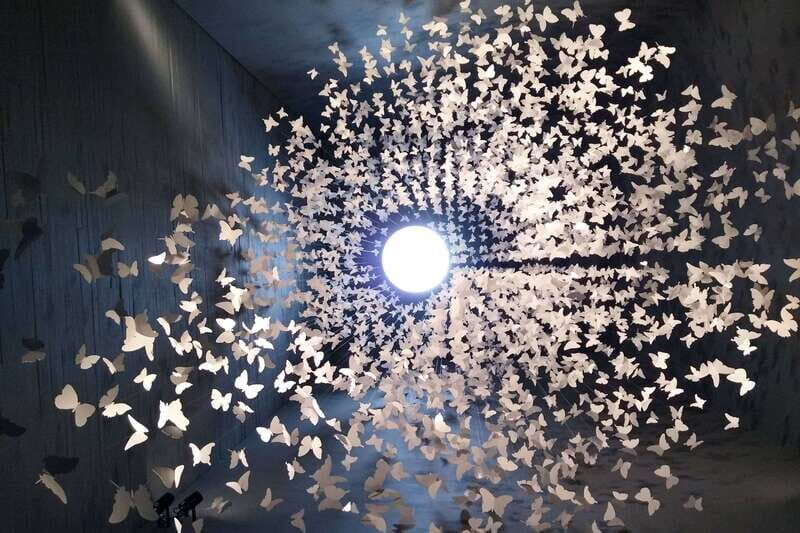
If you only cared about reading, you’d miss half the point. A big reason this museum earns such strong praise is how it uses installations to turn the theme of tolerance into something you feel.
Here are several installation works that are specifically part of the permanent art program:
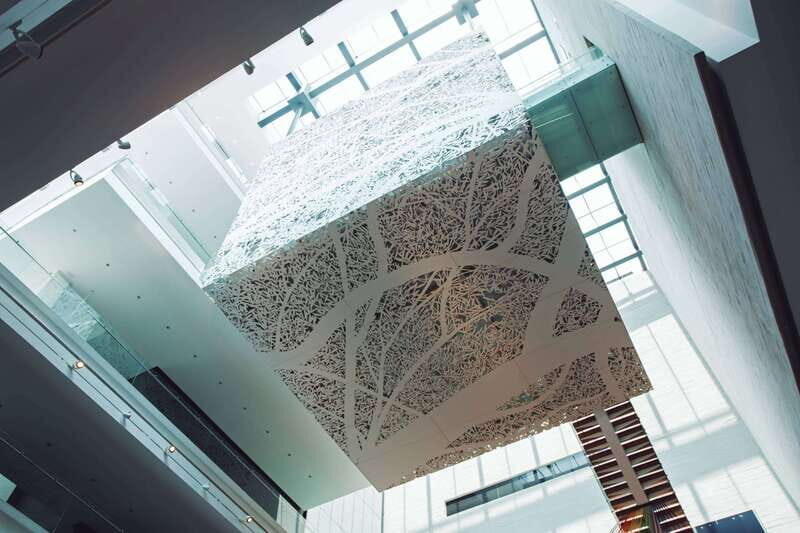
- Lost Potential and Cube by sculptor Jan Hendrix
- Metronomes by Lozano-Hemmer
- The Wings of Peace, an interactive sculptural work by Jorge Marin
- YOU, an interactive sculptural work by Rivelino
- Non-Violence Project, a sculpture by Carl Fredrik Reuterswärd
What I like about these works is that they don’t work like decoration. They behave like prompts. For example, interactive pieces make you physically participate, which is a smart way to reinforce the museum’s message about social action. The museum is essentially telling you: tolerance isn’t passive. It’s a choice, and choices have weight.
The metronomes concept also nudges you toward a steady kind of attention. Even if you don’t know the art language, the installation can help you feel time, rhythm, and repetition. And in a museum about violence, repetition is part of the story—how societies repeat patterns unless they interrupt them.
If you’re the type who likes to plan photo stops, keep this in mind: some installations are more about understanding than capturing a perfect shot. Give yourself time to experience them, not just glance through.
WWII anchor points: the train wagon and the Berlin Wall fragment
Some parts of the museum are built like moral magnets. They pull your attention because they’re so concrete.
Two examples included in the permanent installations are:
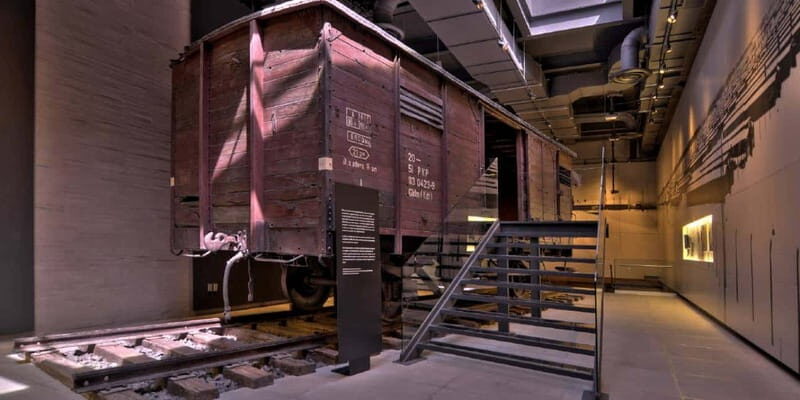
- A train wagon used in World War II for the transfer of prisoners
- A fragment of the Berlin Wall
These objects don’t need extra interpretation to land. They’re heavy with context. The train wagon is physical evidence tied to the machinery of persecution—something that makes the scale of harm harder to ignore. The Berlin Wall fragment points toward how societies divide people and how those divisions become reality on the ground.
What makes these anchor points valuable is that they help you anchor the emotional themes in specific history. The museum’s message about discrimination and violence becomes less abstract, more undeniable.
You can also read our reviews of more city tours in Mexico City




Temporary exhibitions: how to use them to change your angle
Your ticket includes a visit to the temporary exhibitions. That matters because a permanent exhibit can start to feel like one long line of facts. Temporary shows can shift the lens—sometimes toward contemporary questions, sometimes toward specific themes in a new format.
I recommend using the temporary exhibition section as a second pass on the museum’s core themes. By the time you reach it, you’ll have already absorbed a lot of the permanent exhibition context. That makes it easier to connect the temporary content to what you just learned about tolerance, human rights, and the consequences of indifference.
Also, because you only have a day, don’t treat the temporary exhibits as optional. The ticket is built to include them, and they’re part of what turns your visit into a full experience rather than a checklist.
The value of this museum ticket: why it feels like more than $13
Let’s talk value in a way that’s not just math. The price is about $13 per person for a 1-day entry that includes:
- the permanent exhibition across 43 rooms
- more than 1,200 objects and documents
- an audio guide in Spanish and English
- access to temporary exhibitions
That’s a lot of content for the cost. But the better value isn’t just quantity. It’s focus. The museum uses its rooms and art installations to push one consistent message: remembering matters because it warns you. The museum is aiming for social action and a culture of peace, built on human rights and respect for dignity.
One of the clearest reasons visitors rank this experience highly is that the purpose shows through everywhere: in the information, in the photography, in the way architecture and layout support the themes, and in the careful selection of installations. You don’t feel like you’re being marketed to. You feel like you’re being asked to witness, then think.
Who should book this, and what to know before you go
This museum is ideal if you want a thoughtful, serious visit with art and history braided together. It’s a good choice for:
- adults who want a clear education on genocide and the mechanisms of hatred
- anyone who appreciates how art can communicate ethics, not just beauty
- travelers who like structured meaning rather than random gallery wandering
It may not be the best fit if:
- you’re looking for light or entertainment-focused sightseeing
- you’re visiting with younger kids who can’t handle intense content. The permanent exhibitions are recommended for children older than 15, and children younger than 15 need to be accompanied by an adult.
For your own comfort, I’d plan breaks. This is emotionally charged material, so don’t pack your day with tight restaurant reservations. Let the museum set the pace.
Should you book this Museo Memoria y Tolerancia ticket?
If you want a museum that treats tolerance as real and urgent, book it. The ticket gives you a full day with major permanent exhibitions, included temporary exhibits, and an English/Spanish audio guide. For the money, it delivers both strong historical grounding and memorable installations.
I’d especially recommend it if you care about human rights and you’re tired of surface-level “talking about kindness” exhibitions. This one asks harder questions: what happens when discrimination becomes normal, and what you can do about the early signs.
So yes, book it, with one honest caveat: come prepared for heavy content. Then give yourself the time to process what you see. You’ll leave informed, and you’ll probably leave thinking about tolerance in a more practical way than you started.
FAQ
What does the ticket include?
Your entry ticket includes access to the museum and its permanent exhibitions, an audio guide available in Spanish and English, and it also includes a visit to the temporary exhibitions.
How many rooms and exhibits are in the permanent collection?
The permanent exhibition includes 43 rooms and more than 1,200 objects and documents, along with audiovisual pieces.
Where is the museum located?
The museum is located at Plaza Juárez in downtown Mexico City, next to Secretaria De Relaciones Exteriores, and in front of the Hemicycle to Juarez.
How long is the ticket valid?
The ticket is valid for 1 day. Check availability for starting times.
Is the audio guide available in English?
Yes. The audio guide is available in Spanish and English.
Are food and drinks allowed inside the museum?
No. Food and drinks are not allowed.
Is it appropriate for children?
The permanent exhibitions are recommended for children older than 15. Children younger than 15 must be accompanied by an adult.
Is the museum wheelchair accessible, and can I cancel?
The museum is wheelchair accessible. You also have free cancellation up to 24 hours in advance for a full refund.