REVIEW · MEXICO CITY
Mexico City: Anthropology Museum Skip-the-Line Ticket
Book on GetYourGuide →Operated by Amigo Tours LATAM · Bookable on GetYourGuide
A museum this big can swallow a day. With skip-the-line entry, you can walk straight into Mexico City’s National Museum of Anthropology and focus on what matters: the pre-Hispanic rooms, the famous Stone of the Sun (Aztec calendar), and the museum’s standout building and gardens. It’s the kind of visit where you don’t just look—you start making connections between the cultures that shaped Mexico over centuries.
What I like most is the separate entrance that helps you avoid the ticket-office bottleneck, so you can get moving fast. Second, the ticket gets you into one of Latin America’s most recognizable museum spaces for Indigenous art, including artifacts tied to the Mexicas, Mayas, and Toltecs. One possible drawback: the museum is huge, so if you’re short on time—or if you’re expecting a quick hit—you may feel a bit overwhelmed even with faster entry.
In This Review
- Key highlights at a glance
- Skip-the-line entry that actually saves time
- What the “skip-the-line” is good for
- Your 1-day plan inside the National Museum of Anthropology
- Start with the iconic pieces first
- Then move through the rooms that connect cultures
- Don’t skip the garden and Maya temple area
- What makes the architecture part of the experience
- Eating and pacing: more than just exhibits
- Getting meaning from the info: signage, language, and guides
- When a guide becomes worth it
- What about apps?
- Value check: is $15 worth it?
- Who this is best for
- Practical tips before you go
- Should you book this skip-the-line ticket?
Key highlights at a glance
- Skip-the-line entry through a separate entrance so you can head for the galleries instead of queuing
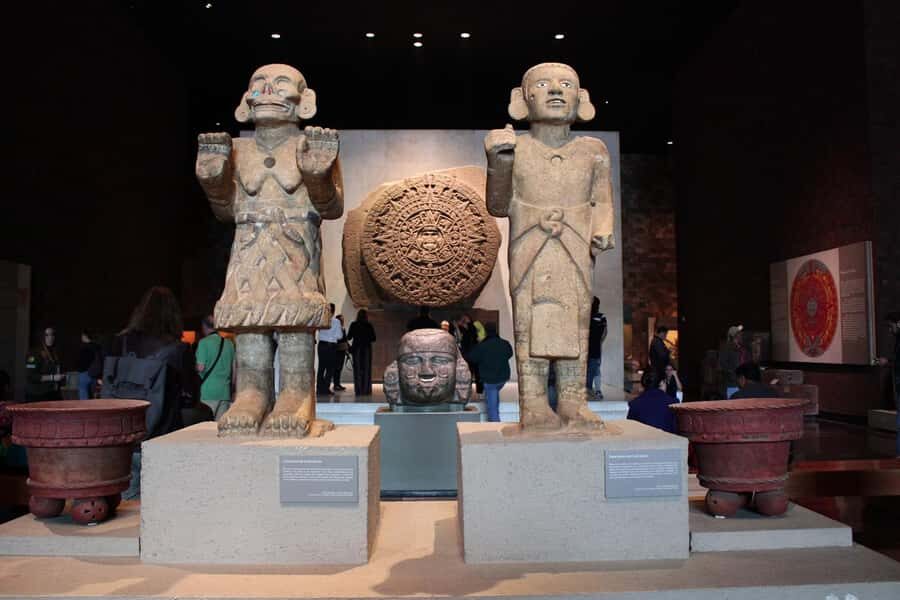
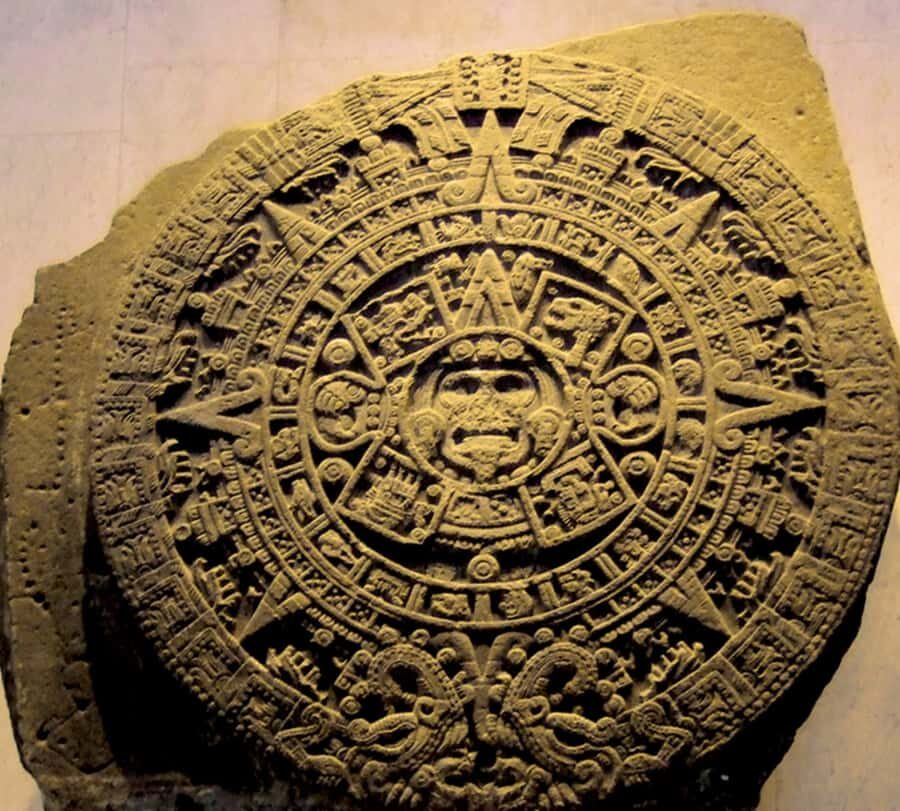
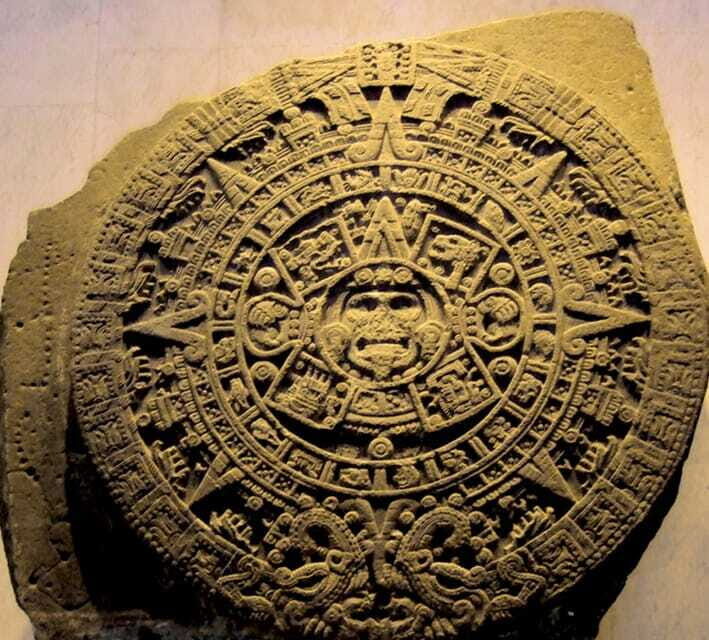
- Stone of the Sun / Aztec calendar is part of the collection you’ll see on-site
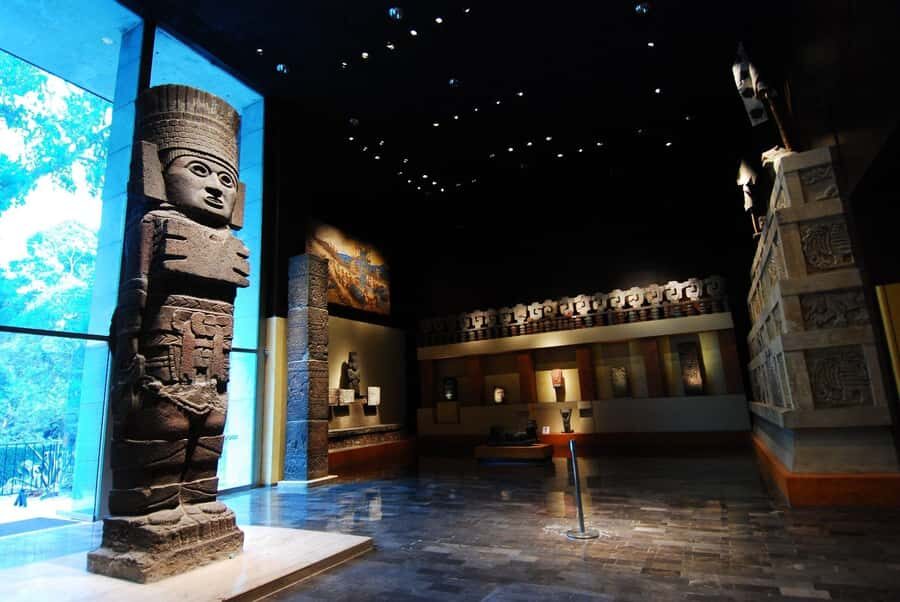
- Pre-Hispanic artifacts from across Mexico, including Mexicas, Mayas, and Toltecs
- Outdoor gardens and Maya temple area add a different feel than the indoor rooms
- Restaurant and coffee shop on site make it easier to pace your visit
- On-site language support varies, so plan for some Spanish-only signage
Skip-the-line entry that actually saves time
This experience is simple: you get a skip-the-line entrance ticket for the National Museum of Anthropology, and you use a separate entrance with direct turnstiles. The key practical point is this: don’t wait at the ticket office. Go right to the gate flow for ticket holders and get inside.
That matters in Mexico City, where a “small delay” can turn into a missed museum block. Even if you arrive on a day when the general line looks manageable, the skip-the-line setup helps you keep your day on track—especially if you’ve also planned other stops around Polanco / Chapultepec area.
You can also read our reviews of more tours and experiences in Mexico City


What the “skip-the-line” is good for
- You can start exploring earlier (or at least sooner than the main queue).
- You avoid that awkward time where your guide (if you have one) is waiting on the outside while you hunt for the right line.
- You keep momentum. This museum rewards patience, but it also punishes dithering. Once you’re in, you want to move.
A small caution from real-world experience: there can be more than one line visible, and it’s not always obvious which one is the skip-the-line gate. The fix is easy—when you see the entry situation, quickly check for the channel that matches your ticket instructions, then commit.
Your 1-day plan inside the National Museum of Anthropology
This ticket is valid for 1 day, with starting times available based on the schedule you choose. Since the museum is large, I’d think of this as a “set aside real time” activity, not a sprint.
A good rule of thumb from what many visitors report: a couple of hours can work if you focus hard, but you’ll likely want more time to absorb the indoor galleries and then still enjoy the outdoor spaces. One person found that arriving early helped them get around comfortably in about four hours. Another noted that a few hours wasn’t enough because there’s just so much to see.
Start with the iconic pieces first
If you only do one strategy, do this: get the big anchor sights early. The museum’s collection includes the Stone of the Sun—the Aztec calendar—and it’s the kind of object that helps you read the rest of the museum with better context. You’ll also get the satisfaction of knowing you didn’t “save the best for later” and then run out of energy.
Once that’s done, everything else starts to click: tools, rituals, everyday life, and political power show up across different cultures and time periods.
Then move through the rooms that connect cultures
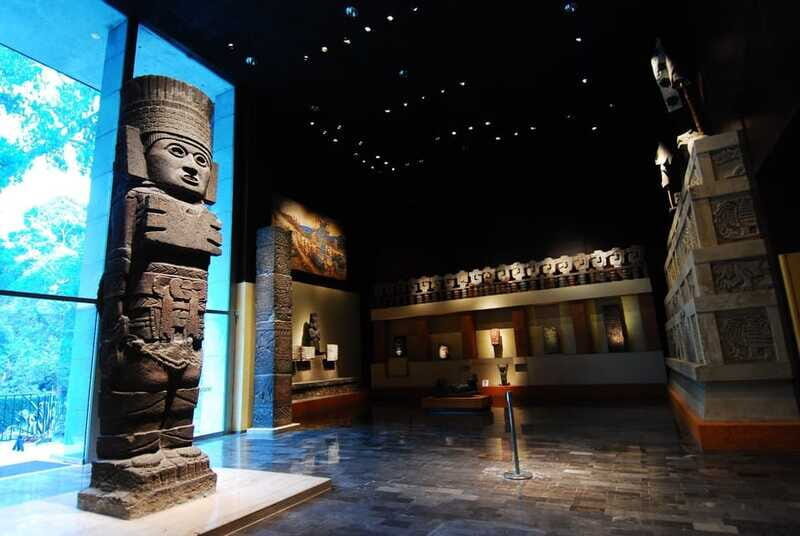
The ticket gives you entry to the museum’s pre-Hispanic collections and history areas focused on cultures that shaped what is now Mexico, including the Mexicas, Mayas, Toltecs, and more. In plain terms, the museum doesn’t just show objects—it helps you understand how Indigenous societies lived, built, and believed.
That’s why this visit is more than sightseeing. You’ll walk away with mental snapshots of how civilizations interacted with their environment, organized society, and expressed identity through art.
You can also read our reviews of more city tours in Mexico City




Don’t skip the garden and Maya temple area
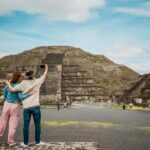
A lot of people picture a museum as indoor-only. Here, the outdoor spaces matter. The museum’s gardens and the Maya temples area create a break in pace and give you a sense of how the collection connects to place, not just display cases.
If you’ve been standing under indoor lighting for a while, the outdoor section can feel like a reset. Plan a little time for it so you’re not just “passing through” at the end.
What makes the architecture part of the experience
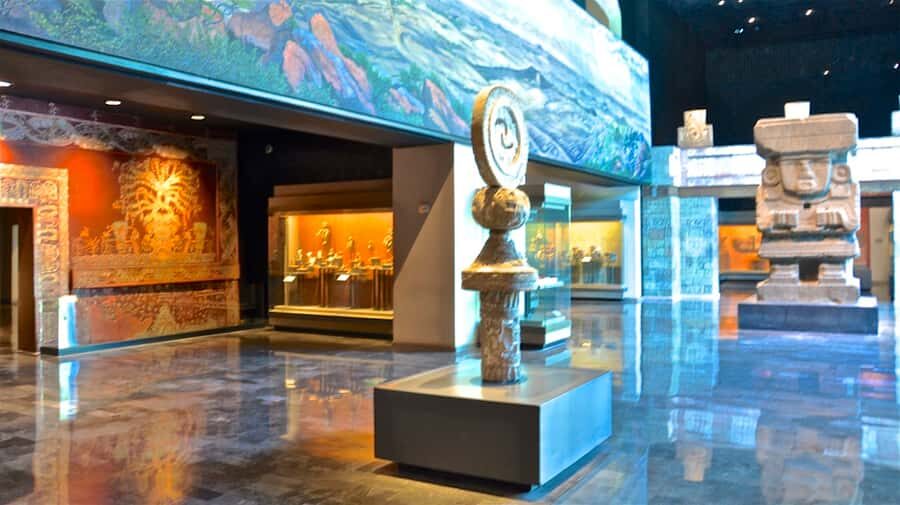
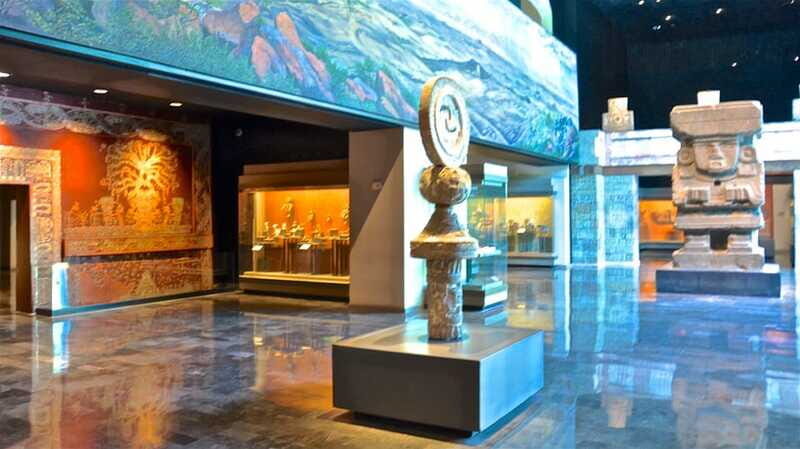
The National Museum of Anthropology isn’t just a container for artifacts. The building itself is part of the show: it’s known for an innovative design with symbolism that helped give the museum a distinctive personality worldwide.
That matters because it changes how you experience the content. You won’t feel like you’re trudging from one crowded room to the next. The museum’s layout encourages a kind of guided wandering—where you’re able to shift from major objects to supporting context, then to outdoor spaces.
And yes, the building can also make you slow down. Even if you’re focused on the big-ticket artifacts, you’ll probably pause more often than you expect just because the space nudges you that way.
Eating and pacing: more than just exhibits
A museum day can get oddly tiring. That’s where the on-site food options help. There’s a restaurant and a coffee shop, so you don’t have to plan a full meal trip outside the museum.
The best approach is to treat eating like pacing equipment:
- If you’re excited, take a short coffee break and keep moving.
- If you’re feeling stretched thin, sit down for a real break and then return with fresh energy.
This is one of those small conveniences that makes the whole visit feel smoother.
Getting meaning from the info: signage, language, and guides
Here’s the honest truth about museums in Mexico City: language can shape your experience. The collection and labels are presented in a mix of languages, and English signage is helpful for major exhibits, but you should expect some information to be Spanish-only.
That can be totally fine if you’re reading a little less and looking more. But if you want a deeper “why does this matter” layer, a guide changes the game.
When a guide becomes worth it
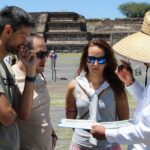
While this skip-the-line ticket does not include a tour guide, the difference between reading on your own and learning with a specialist can be huge. People have highlighted guides such as Nadia (Spanish tour guide) as especially knowledgeable and helpful for going beyond surface-level understanding. Another review specifically mentions Daniel as a guide you can be happy with.
Also, there are mentions of free guided tours in many languages on Tuesdays and Saturdays. So if your schedule lines up, you may be able to add interpretation without paying for a private guide.
If you do hire a guide, the skip-the-line entry can be extra valuable. It helps you avoid the frustrating scenario where you’re stuck outside while your group meets up.
What about apps?
There’s mention that a phone app wasn’t user-friendly, and that may affect how well you use it on the go. If you prefer a guided explanation rather than a screen, plan to rely on labels and consider an official guide option.
Value check: is $15 worth it?
At $15 per person, you’re paying for time-saving entry into a major museum with a long list of things to see. The value depends on your style:
- If you hate lines and you like controlling your schedule, skip-the-line is usually money well spent.
- If you’re visiting on a day when the ticket line is already short, the extra cost can feel less dramatic.
- If you’re going with a guide or tight plans, the ability to get in quickly is a real advantage because it protects your time.
The biggest value isn’t just the entry speed. It’s what that speed gives you: more uninterrupted museum time. For a place as large as this, time you save at the gate often becomes time you spend actually learning the material.
Who this is best for
This ticket fits you if:
- You want to see the museum’s major hits without wasting time on entry logistics.
- You’re interested in Indigenous art and the civilizations that shaped Mexico, including Mayas, Mexicas, and Toltecs.
- You like structured planning but still want the freedom to move at your own pace.
It may be less ideal if:
- You’re truly doing a “one hour and out” visit. The museum’s size makes that tough.
- You expect everything to be in English. You’ll likely encounter Spanish-only labels at points.
Practical tips before you go
These are small things that make the day smoother.
- Use the turnstiles right away. The instruction is clear: don’t queue at the ticket office.
- Arrive ready to spend time. Plan more than you think you need, especially if you want both indoor galleries and the outdoor areas.
- Check your voucher format. One note: a reviewer stated you must print your voucher and that phone codes weren’t accepted. Even if your voucher works another way elsewhere, printing is a low-effort safety move.
- Use the museum layout intentionally. Start with the big icons (like the Stone of the Sun) then build from there.
- Plan for breaks. The restaurant and coffee shop help you pace without losing momentum.
Should you book this skip-the-line ticket?
Yes—if you want a smoother, faster start at a must-see Mexico City museum.
Book it if:
- You’re planning a full museum day and want to protect time for the galleries and gardens.
- You’re going on a day when lines are unpredictable.
- You plan to add a guided layer later (either via a free tour schedule or a paid guide), because getting in quickly makes the whole plan feel less stressful.
Skip it only if:
- You’re confident you’ll be arriving at a low-traffic time and you’d rather spend that $15 elsewhere.
- You’re not interested in the museum’s indoor collection at all and only want a brief outdoor look.
If you want the best balance—iconic artifacts, major room-to-room context, and the outdoor Maya temples area—this is one of the cleanest ways to do it. Get in fast, then slow down inside.