REVIEW · MEXICO CITY
Mexico City: Roma and Condesa Neighborhoods Walking Tour
Book on GetYourGuide →Operated by Pies descalzos · Bookable on GetYourGuide
Roma and Condesa feel like a secret city.
This 3-hour neighborhood walk is all about seeing Mexico City’s style from the street: tree-lined blocks, photo-friendly corners, and stop-by-stop context that helps the architecture and street life click into place. I particularly love the way architecture details turn everyday facades into stories, not just scenery in the background.
Two things I like a lot are the local markets and the side trips to design and art spots you’d miss without a guide. You’ll get pointed toward coffee, parks, vegetarian- and vegan-friendly options, vinyl and bookshops, plus street art and little creative spaces.
The one catch is walking time. Even at a 3-hour pace, you should expect a long stroll, and some groups report covering around 6 miles in about 2 hours—so plan for comfy shoes and breaks.
In This Review
- Key highlights worth your attention
- A 3-Hour Orientation for Roma and Condesa’s Creative Streets
- Meeting at Centro Cultural Bella Época and the Walk Begins
- Architecture Stops: Facades, Street-Level Design, and Style Clues
- Mexico Park and Río de Janeiro Plaza: Breaks Built In
- Markets, Bakeries, and the Churro Factor
- Low-Profile Art Galleries and Creative Community Spaces
- Vinyl, Bookshops, and Mexican Design Stores
- Evenings, Night Lite Stops, and Local Hangout Energy
- How Much Walking Is Too Much, and What You Should Pack
- Price of $58: Is It Worth It?
- Should You Book This Roma and Condesa Walking Tour?
- FAQ
- How long is the Roma and Condesa walking tour?
- Where does the tour meet?
- How much does the tour cost?
- What languages are available for the live guide?
- Is the tour wheelchair accessible?
- What is included in the tour?
- Are meals and beverages included?
- How much walking should I expect?
- Is there free cancellation?
- Is transportation to and from the neighborhoods included?
Key highlights worth your attention
- Architecture with context: the guide explains what you’re actually looking at, not just what street it’s on.
- Roma and Condesa essentials, fast: parks, plazas, markets, and design stores in one connected route.
- Art that isn’t in a big-hype box: low-profile galleries and creative stops that feel local.
- Food stops built around neighborhood cravings: coffee, churros, tacos, and sweet breaks you can choose to buy.
- Guides that personalize: Jorge, Leila/Laila, David, and Désirée (and others) commonly tailor the walk to what you’re into.
A 3-Hour Orientation for Roma and Condesa’s Creative Streets
If you want a quick sense of Mexico City’s vibe, Roma and Condesa are where you start. They’re the neighborhoods where locals go for design shops, casual cafés, galleries, and a more relaxed pace than the city’s high-intensity center.
This tour is built like a practical “orientation plus taste” route. You’re not just passing by sights—you’re getting guidance on where to go next for the kind of day you actually want: slow morning coffee, a good lunch plan, or a lively evening stroll.
For me, the real value is how the guide ties it together. You see architecture, parks, and street art, then you also learn what each area became over time—enough to make the streets feel meaningful instead of random.
You can also read our reviews of more walking tours in Mexico City
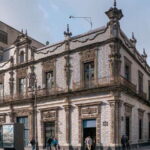

Meeting at Centro Cultural Bella Época and the Walk Begins
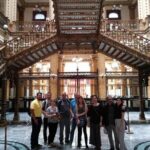
You start outside Centro Cultural Bella Época, which is a good anchoring point because it puts you in the thick of the neighborhood right away. From the first minutes, the guide’s job is to get the group oriented: what’s special here, how the streets are laid out, and what kinds of places you’ll be passing.
This matters because Roma and Condesa can feel similar block to block. With a guide leading, you learn how to spot the differences yourself—commercial pockets versus calmer streets, parks versus nightlife lanes, and where the design shops and galleries cluster.
If you’re traveling solo or you just want to move with confidence, this is a smart start. A few guides named in the experience’s feedback—like Jorge and Laila/Leila—are praised for showing up early, setting a friendly tone, and adjusting as the group warms up.
Architecture Stops: Facades, Street-Level Design, and Style Clues
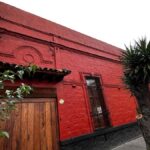
The heart of this walk is the look and feel of Roma and Condesa. You’ll notice tree-lined streets, street art, and the kind of architecture that makes you slow down without realizing it. The guide points out details so you understand why these buildings feel “of the city” rather than generic.
You’ll also spend time around the neighborhood’s creative retail world. That includes fashion and Mexican jewelry stores (not in a museum way—more like how people actually browse and shop), plus interior and design shops. Expect stops where the guide frames what you’re seeing: how style, craft, and street life connect here.
One practical tip: bring your camera and use the pauses. Some parts are photo-friendly, but the best photos are usually at angles where the guide stops for explanation. If you rush through, you’ll miss the cues that make the scene make sense.
Mexico Park and Río de Janeiro Plaza: Breaks Built In
You get real break points in the route, not just constant walking. Mexico Park is on the schedule for a longer pause, and Río de Janeiro Plaza follows later, giving you two chances to reset.
These pauses do two things. First, they help your legs. Second, they give your brain room to absorb the neighborhood’s rhythm. Roma and Condesa isn’t only about buildings—it’s also about everyday life in public spaces.
I like these types of stops because you can actually “watch” the area. You’ll see how people move through the neighborhood, where they sit, and what areas feel calmer versus more social. If you want to pick your own route after the tour, parks and plazas are the best compass points.
Markets, Bakeries, and the Churro Factor
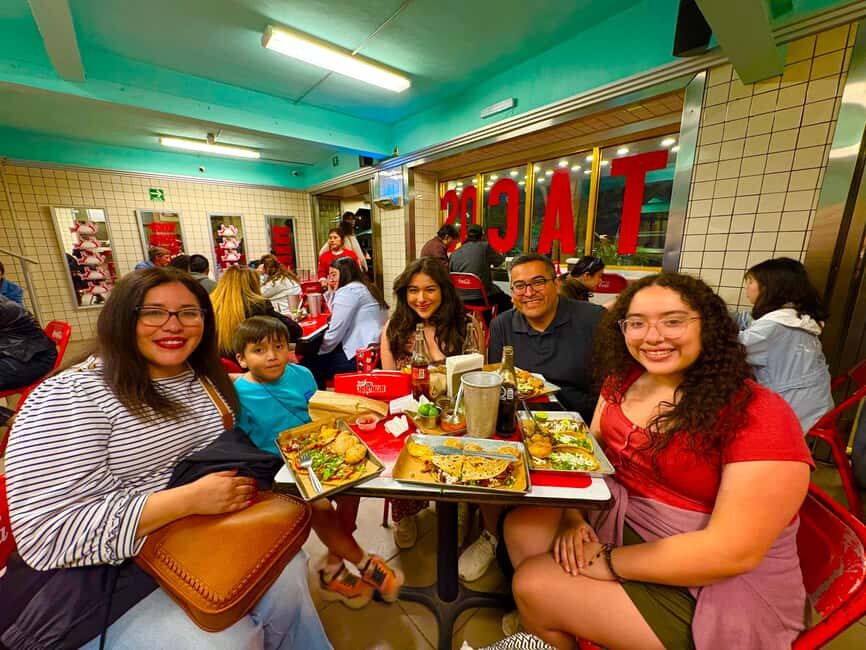
Food is part of the tour vibe even though meals and drinks aren’t included. The guide’s job is to help you find the best moment for a snack, and the right kind of place for it.
A standout theme in feedback is the pleasure of small, local food stops—like churros at Churrería El Moro. Some groups also share treats (churros plus hot chocolate), and the timing is usually perfect: a short break before you head back into the streets.
Depending on your guide and what’s happening that day, you might also hear about or stop for more substantial cravings. One participant highlights a pastor taco stop, plus indigenous fruits along the way. Another mentions a more adventurous food experience, including a grasshopper dish—so if you like trying new things, tell your guide early and you’ll likely get more options.
Here’s the practical advice: don’t plan a heavy meal before you go. This walk can turn into a chain of “just one thing” purchases, and you’ll enjoy it more when you’re hungry at the right times.
You can also read our reviews of more city tours in Mexico City

Low-Profile Art Galleries and Creative Community Spaces
Roma and Condesa have art, but not all of it is big-ticket and loud. The tour specifically includes time for low-profile art galleries, which is a great strategy if you like contemporary work without the pressure of a museum crowd.
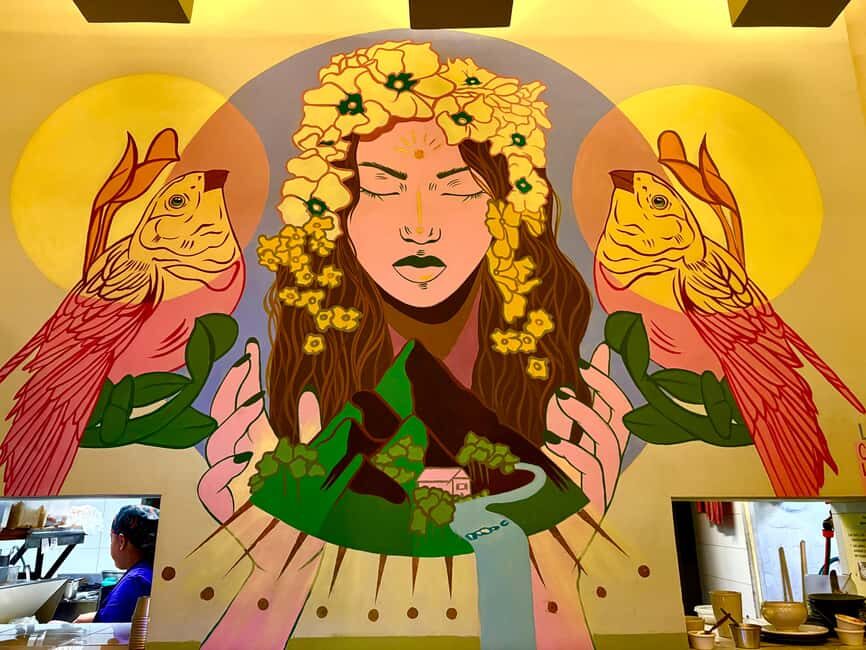
The guide also tends to steer you toward creative spaces tied to local life—things you’d walk past without realizing what they are. In feedback, Huerto Roma Verde shows up as one of the memorable community stops: a shared space with market areas and a community garden feel.
This is one of those parts of the tour that changes the way you see the neighborhood. After a few art-related pauses, street art stops looking random. You start noticing themes, creative expressions, and even the environmental angle behind certain community spaces.
If you enjoy design and culture as “living things” (not just framed objects), this portion is likely to be a highlight.
Vinyl, Bookshops, and Mexican Design Stores
Roma and Condesa are catnip for people who like to browse. During the walk, you’ll have opportunities around vinyl records, interior and design stores, bookshops, and Mexican design retail. The tour also mentions fashion and jewelry stops, plus antiques and traditional market areas.
I like this style of tour browsing because it doesn’t turn into a shopping mission. Instead, the guide shows you where the neighborhood’s tastes live—so you can decide what’s worth a second visit later. It’s also useful if you’re looking for souvenirs with actual local flavor, not mass-produced copies.
Quick sanity check for your budget: even if you don’t plan to buy, be ready for the temptation. Design stores and vinyl shops can be dangerous in the best way. If you want to limit spending, set a small goal for what you’d like to buy—one record, one print, one piece of jewelry—and keep it simple.
Evenings, Night Lite Stops, and Local Hangout Energy
Some departures in the experience’s feedback include an evening feel, and the tour is described as suitable for stepping into nightlife rhythms. That lines up with the neighborhoods themselves: even when you’re not going out, you’ll pass bakeries, casual bars, and places where people gather.
This is where the guide’s taste matters. In feedback, guides like David and Désirée are praised for being flexible and attentive—sometimes even extending time beyond the scheduled window when the group is getting along and the pace fits.
You may also hear about more local drinking culture. One participant mentions a tequila house and a pulquería stop, plus a family bar brought back to life by an adoring grandson. That kind of story is why a guided walk can feel more human than a typical checklist.
If you’re not into nightlife, you’ll still get value. You can treat these as optional detours—use them for atmosphere and recommendations, and then choose your own next stop.
How Much Walking Is Too Much, and What You Should Pack
The tour is listed as 3 hours, and the pace is active. One participant specifically reports walking about 6 miles in roughly 2 hours, which tells you the route can run longer than your “sit and see” instincts.
So plan like you’re going to be outside for most of the day. Wear comfortable shoes. Bring a reusable water bottle. Also dress for changing weather—Mexico City can shift fast, and you’ll feel it when you’re on foot.
If you have mobility needs, the experience is marked as wheelchair accessible. Still, your best move is to check how the route is handled for your specific needs with the operator ahead of time, especially if you’re bringing a wheelchair.
Price of $58: Is It Worth It?
At $58 per person for a 3-hour guided walk, this isn’t a bargain-price “just walk and point” situation. It’s priced like a real neighborhood experience: a live guide, multiple stop types, and a structure that covers architecture, parks, galleries, markets, and design browsing.
The best way to think about value: you’re paying for saved time and better choices. In Roma and Condesa, there are lots of cafés and shops, but a guide helps you select ones that match the neighborhood’s character. That’s why the “food and recommendations” side shows up so strongly in participant feedback—people leave with a short list of where to go next.
Also, the guides are often described as friendly, attentive, and proud of their city. That’s not fluff. When the guide asks what you want—food style, art interests, shopping preferences—you get a walk that feels less generic.
If you want to spend your Mexico City days efficiently and with taste, the price makes sense.
Should You Book This Roma and Condesa Walking Tour?
Yes, if you want an organized way to learn Roma and Condesa fast—without turning your trip into a museum day. This tour is especially good for design lovers, people who enjoy street art and architecture, and anyone who likes browsing cafés, markets, and small galleries.
Book it if you’re:
- First-timers who want orientation you can reuse on your own
- Foodies who like snacks and local recommendations rather than a formal meal
- Travelers who enjoy art and neighborhood culture at a slower, human pace
Skip it only if you:
- Hate walking for extended stretches
- Want only one type of stop (like museums only), since the route mixes parks, markets, galleries, and shopping streets
If you’re aiming to get your bearings fast and start exploring like you live nearby, this one is a solid pick. Just be ready to put in steps—and let your guide lead the way.
FAQ
How long is the Roma and Condesa walking tour?
The tour lasts 3 hours.
Where does the tour meet?
You meet outside Centro Cultural Bella Época.
How much does the tour cost?
The price is $58 per person.
What languages are available for the live guide?
The live tour guide is available in Spanish, English, French, and German.
Is the tour wheelchair accessible?
Yes, the tour is marked as wheelchair accessible.
What is included in the tour?
It includes a guided tour of Roma and Condesa neighborhoods, visits connected to architecture, restaurants, cafés, bookstores, art, fashion, Mexican jewelry stores, plus markets and parks. You also get recommendations (including vegetarian and vegan options), and exploration of vinyl, interior, and design stores.
Are meals and beverages included?
No. Meals and beverages are not included.
How much walking should I expect?
The tour is a walking experience, and one verified participant reported walking about 6 miles in about 2 hours, so comfortable shoes are important.
Is there free cancellation?
Yes. You can cancel up to 24 hours in advance for a full refund.
Is transportation to and from the neighborhoods included?
No. Transportation to and from the neighborhoods isn’t included.