REVIEW · MEXICO CITY
Mexico City: Entry Ticket to Acuario Michin
Book on GetYourGuide →Operated by ACUARIO MICHIN CIUDAD DE MEXICO · Bookable on GetYourGuide
Acuario Michin is a solid, one-day plan in Mexico City. What makes it interesting is its focus on aquatic life and the cultural idea that people and nature are linked. I especially like how the exhibits cover both Mexico’s aquatic species and beyond, and I like that the learning doesn’t stop at animals—it pushes you toward conservation habits you can actually take home. The only real drawback: there are a lot of rules for what you can bring or wear, so you’ll want to follow them closely to keep your visit smooth.
For many people, this is a calm break from the city noise. It’s also a great choice if you want something educational without feeling like a classroom day. Just don’t show up expecting food inside, and don’t plan on bringing pets.
In This Review
- Key highlights you’ll feel right away
- Acuario Michin at Parque Tepeyac: what to expect from this 1-day visit
- Timing tip
- Ticket value and what’s included (and what isn’t)
- Is it worth $22?
- Enter the exhibits: marine and freshwater life in one route
- What I like about the way it’s taught
- A small planning note
- Indigenous-inspired sections: nature, culture, and conservation in the same space
- Why this matters for you
- Expect the learning to build
- Interactive sustainability displays: learning that isn’t just reading
- What to watch for during your walk
- Kid-friendly add-ons: arcade, trampoline beds, and gateadero
- A balanced expectation
- Ticket validation and entry flow: the one thing that can trip you up
- Staff are there to help
- Practical rules you must follow (so you don’t lose time)
- Footwear and basic attire
- Bags, backpacks, and the storage fee
- Electronics and items restrictions during activities
- Smoking, pets, and outside food
- Cameras
- Support, upkeep, and how it feels on the ground
- How to plan your route inside (so you don’t rush the message)
- Where people often waste time
- Who should book Acuario Michin?
- Should you book Acuario Michin?
- FAQ
- Where is Acuario Michin located?
- What does the entry ticket include?
- How long is the experience valid?
- Are pets allowed?
- Can I take photos, and is flash allowed?
- Do I need to store a backpack or large bag?
Key highlights you’ll feel right away

- Indigenous-inspired conservation perspective: nature is taught as part of daily human responsibility
- Marine and freshwater exhibits: you’ll see species from Mexico plus more, including reptiles
- Interactive sustainability learning: you’re shown practices and research aimed at protecting habitats
- Conservation messaging that sticks: the end of the visit nudges you toward real-world action
- Family-friendly energy: the site includes arcade, trampoline beds, and gateadero for kids
Acuario Michin at Parque Tepeyac: what to expect from this 1-day visit
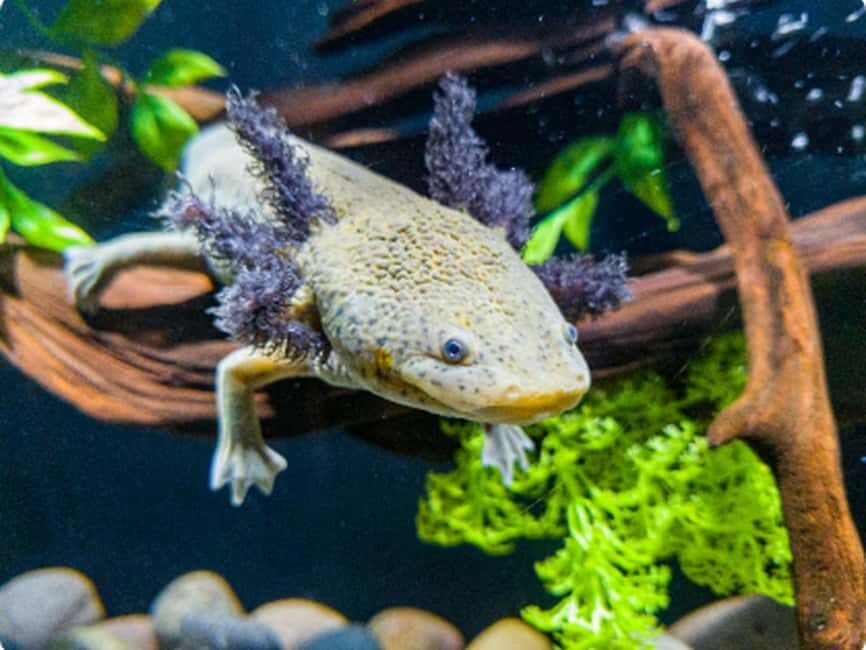
Acuario Michin sits inside Parque Tepeyac, so you’re not wandering through a random strip mall location. The ticket is for 1 day, which is helpful because you can treat it like a full activity block rather than a rushed stop.
When you walk in, you’re basically signing up for two experiences at once: the animal viewing (marine and freshwater) and the interpretation (culture, conservation, and sustainable practices). The place is designed so you can move at your own pace, but you should still expect to spend enough time to actually read the signs and participate in interactive elements.
You can also read our reviews of more tours and experiences in Mexico City



Timing tip
If you want a calmer visit, try to arrive when you can still get your bearings fast and avoid any bottlenecks around entrances or validation. This is especially true if you’re going with kids, because families tend to move in clusters.
Ticket value and what’s included (and what isn’t)
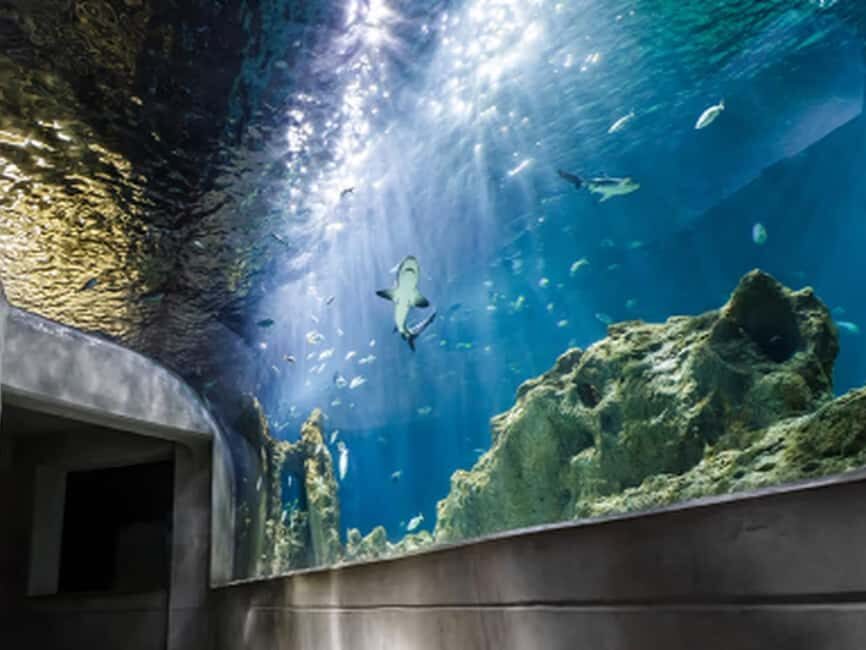
The price is $22 per person, and the key value point is that your ticket includes access to all exhibits. That matters because aquariums can get expensive when you start paying for add-ons or special areas. Here, you’re paying for the whole core experience.
What’s not included is also pretty clear: meals and beverages, plus any souvenirs you choose to buy. Plan on either eating before you go or bringing your own plan for hunger outside the site (outside food is not allowed inside, so don’t try to solve the problem last minute).
Is it worth $22?
For most people, it’s worth it if you’ll do the reading and the interactive parts, not just the photo stops. The conservation angle is one of the best parts of this day, and that only works if you’re there long enough to connect the animals to the message.
Enter the exhibits: marine and freshwater life in one route
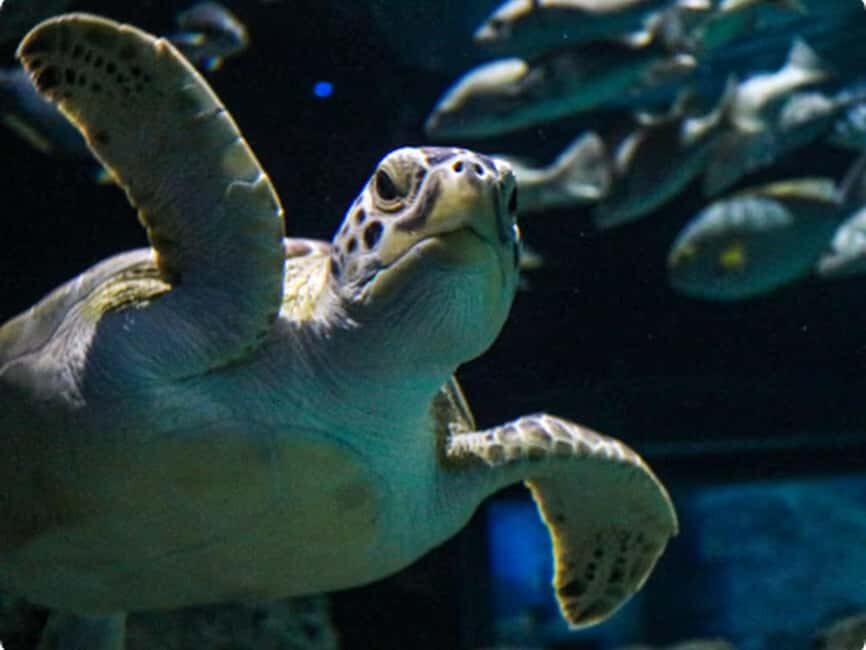
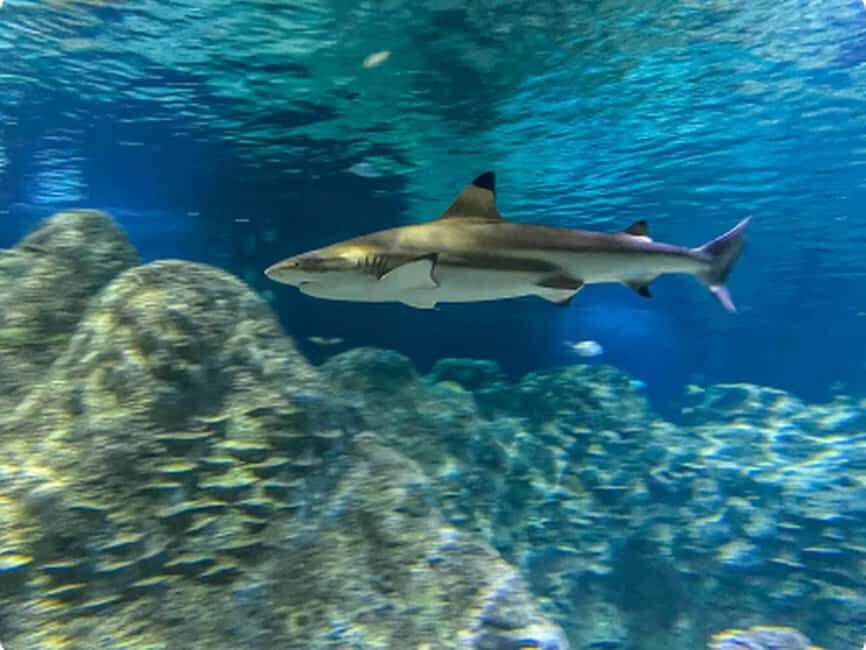
The main flow is built around aquatic species from Mexico and beyond. You’ll move through themed areas that help explain what each species needs and what role it plays in preserving habitats. That means you’re not just looking for colorful fish—you’re learning why the fish matter.
You can also expect a range of animal types. The exhibits include marine life like colorful fish, and they also cover fascinating reptiles. That mix helps if your group has different interests: some people want strictly fish and tanks, while others enjoy the broader wildlife view.
You can also read our reviews of more city tours in Mexico City






What I like about the way it’s taught
The exhibits explain the importance of each species in a way that feels practical. You’re not left with vague facts—you get an idea of why habitats matter and how different species connect to conservation.
A small planning note
Aquariums can tire you out fast because of lighting, walking, and crowd movement. If you’re sensitive to sensory overload, take short breaks. The site layout supports that better than you might think, since the experience isn’t designed as a single sprint.
Indigenous-inspired sections: nature, culture, and conservation in the same space
One of the standout ideas at Acuario Michin is the worldview behind the visit. The experience is inspired by indigenous perspectives that treat humans and nature as interconnected, not separate.
In the themed sections, the message leans into the cultural significance of nature in Mexico’s heritage. Instead of presenting conservation as a modern tech problem, it’s framed as something rooted in relationships—with water, land, animals, and ecosystems.
Why this matters for you
If you’ve visited aquariums before, you’ve probably seen plenty of animal facts and not much motivation. Here, the conservation story gets a cultural lens. That tends to land better because it gives you a reason to care that feels local, not generic.
Expect the learning to build
The end of your visit should leave you with a clearer sense of how you can contribute to protecting ecosystems. It’s not just about knowing what lives in the tanks; it’s about learning what the species are trying to tell you about their environment.
Interactive sustainability displays: learning that isn’t just reading
Acuario Michin includes interactive displays focused on sustainable practices and scientific research aimed at protecting biodiversity. This is where the visit shifts from passive viewing to active engagement.
These parts are useful if you’re traveling with kids or if you learn best by doing rather than reading. Even as an adult, interactive elements help you remember the message because you’re involved, not just watching.
What to watch for during your walk
Look for the areas that explain how sustainability shows up in real habits—especially anything that connects species to habitats and habitats to human choices. That’s where the site’s educational goal becomes most practical.
Kid-friendly add-ons: arcade, trampoline beds, and gateadero
Acuario Michin is not only for aquarium lovers. If you’re bringing children, you’ll be happy to know there are family activity options inside the venue area, including an arcade, trampoline beds, and gateadero.
Those extras are especially good when kids start to lose focus around tanks. They give you a way to burn energy after the animal exhibits, instead of dragging your group through every room no matter how tired they are.
A balanced expectation
Yes, you might feel like you’re doing a “full day” because there’s both education and play. But that’s exactly why the experience can feel worth it: it keeps families engaged without needing separate tickets for every activity.
Ticket validation and entry flow: the one thing that can trip you up

Here’s a practical tip that can save you time: even with your entry ticket through the platform, you need to go to the ticket booth to validate it when you arrive. If it’s your first time, ask at the booth and mention you have tickets through the platform so they can help you correctly.
I like that this is mostly simple once you know it. The main issue isn’t the aquarium—it’s the avoidable confusion at the start.
Staff are there to help
The staff are generally friendly and quick about answering questions. If something doesn’t make sense, stop and ask. This is one of those places where five minutes of clarity can prevent twenty minutes of wandering.
Practical rules you must follow (so you don’t lose time)
Acuario Michin comes with a detailed set of rules. Some are about safety and some are about protecting the animals and your own belongings. Here’s how to plan so you don’t end up frustrated.
Footwear and basic attire
For the Michin Extremo adventures, you need closed-toe shoes with traditional laces, along with sneakers with laces and pants. The minimum height is 1.2 m. Also expect rules like short nails, and follow the staff instructions.
Even if you’re not doing the Extremo activities, wearing the recommended outfit helps because you won’t be scrambling to “fix” your look once you’re already inside.
Bags, backpacks, and the storage fee
Backpacks and large bags must be stored. The cost is 20 MXN, and storage is unlimited in time. This is a big one. If you’re traveling with a daypack or anything bulky, you’ll want to handle this right away so you can move freely through exhibits.
You’re also responsible for your own valuables, so keep your essentials organized for what you need later.
Electronics and items restrictions during activities
For activities, you’ll see restrictions like no bracelets, no cellphones, no watches, no jackets, no bags, and no backpacks. That means you might need a simple plan: bring only what you must, and keep a spot ready for small items once you reach the activity zone.
Smoking, pets, and outside food
- Pets are not allowed
- Smoking is prohibited inside and outside the aquarium
- Outside food or drinks are not allowed
- Don’t feed unauthorized species
There’s also a clear rule set around handling tanks: no hitting tanks.
Cameras
Cameras are allowed, but without flash. If you’re a photo person, remember that you can still take plenty of pictures, you just need to respect the no-flash rule.
Support, upkeep, and how it feels on the ground
What stands out about Acuario Michin is the care given to the whole setting. The place feels well maintained, and the staff are able to resolve questions smoothly.
That might sound minor, but it matters. A clean, organized aquarium makes it easier to focus on the animals and the conservation message rather than worrying about logistics. It also makes the kid-friendly areas feel more comfortable for families.
How to plan your route inside (so you don’t rush the message)
Because the ticket gives access to all exhibits, the best strategy is simple: don’t try to see everything in one straight line.
Instead, think in “chapters”:
1) Aquatic species sections (marine and freshwater, plus reptiles)
2) Indigenous-inspired themed areas that frame nature as cultural responsibility
3) Interactive sustainability displays
4) Family activity areas if you’re traveling with kids
5) Finish with the conservation-focused wrap-up so the day ends with a takeaway
If you do it this way, you’ll naturally build understanding rather than just collecting tank photos.
Where people often waste time
The most common time sink is starting without validating your entry ticket. Once you handle that step, your day will move more smoothly.
Who should book Acuario Michin?
This is a strong pick if you want:
- A one-day indoor plan in Mexico City that’s family-friendly
- Aquatic life viewing paired with conservation education
- A cultural framing for environmental protection that feels tied to Mexico
- An experience that doesn’t require extra paid add-ons for the main exhibits
It might not be ideal if you:
- Hate places with lots of rules about what you can bring or wear
- Want a purely passive aquarium visit with zero learning components
- Need food included in the ticket price (meals and beverages aren’t included)
Should you book Acuario Michin?
Yes, I’d book it if you’re looking for a meaningful one-day stop that mixes animal viewing with conservation learning. The price is reasonable for the all-exhibits access, and the cultural angle gives the visit more staying power than a standard tank tour.
If you’re going with kids, I’d lean even more toward booking. The aquarium experience plus arcade, trampoline beds, and gateadero makes it easier to keep everyone engaged.
Just go in with the mindset that you’ll follow the no smoking / no pets / storage rules and you’ll validate your ticket at the booth. Do that, and you’ll have a day that feels organized, educational, and genuinely fun.
FAQ
Where is Acuario Michin located?
It’s located inside Parque Tepeyac in Mexico City.
What does the entry ticket include?
Your ticket includes entry to Acuario Michin and access to all exhibits.
How long is the experience valid?
The ticket is valid for 1 day. Starting times depend on availability.
Are pets allowed?
No, pets are not allowed.
Can I take photos, and is flash allowed?
Cameras are allowed, but without flash.
Do I need to store a backpack or large bag?
Yes. Backpacks and large bags must be stored for 20 MXN, and the storage time is unlimited.