REVIEW · MEXICO CITY
Mexico City: Guided Volcano Trek with Lunch
Book on GetYourGuide →Operated by Travesías México · Bookable on GetYourGuide
A day with volcano views beats museum time. This guided trekking day heads into Iztaccíhuatl–Popocatépetl National Park so you can get close to two famous volcanoes and learn what’s behind their activity. I love how the route mixes big viewpoints with quieter natural stops. I also like the small-group size, capped at 13 people, which keeps the pace human and the guide attentive.
The hike starts in the lower parts near Paso de Cortes, then goes up toward Cerro Altzomoni for a front-row feel of Popocatépetl and its fumaroles. A good drawback: altitude matters. Even if the walking isn’t “technical,” the climb can still feel serious, especially if you arrived in Mexico City without a couple days to adjust.
In This Review
- Key things that make this tour work
- Escape Mexico City by stepping into the volcano belt
- Getting going: where to meet and how the day starts
- Paso de Cortes: the warm-up that also sets expectations
- Cerro Altzomoni: where Popocatépetl gets real
- Amalacaxco Ravine: nature walking without rushing
- The long drive back makes lunch feel earned
- How hard is it, really? The altitude is the boss
- Guides make or break the experience
- Small-group value: why 13 people matters
- What’s included (and what you’ll still handle)
- Weather reality: when volcano views are clear vs cloudy
- Price and value: does $105 make sense?
- Should you book this volcano trek?
- FAQ
- FAQ
- Where is the meeting point?
- How long is the tour?
- How many people are in the group?
- Is lunch included?
- What’s included in the price?
- What languages do the guides speak?
- What should I bring for the hike?
- Is this hike suitable for everyone?
- Are alcoholic drinks included?
- What if I need to cancel?
Key things that make this tour work
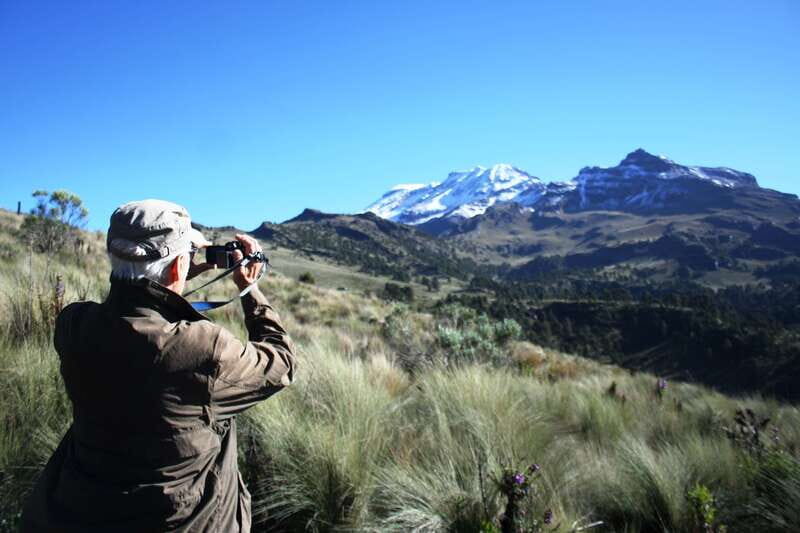
- Paso de Cortes to Cerro Altzomoni: you’re not just looking from afar; you’re walking to real view points.
- Popocatépetl fumaroles and activity talk: the guide explains what you’re seeing, not just what the map says.
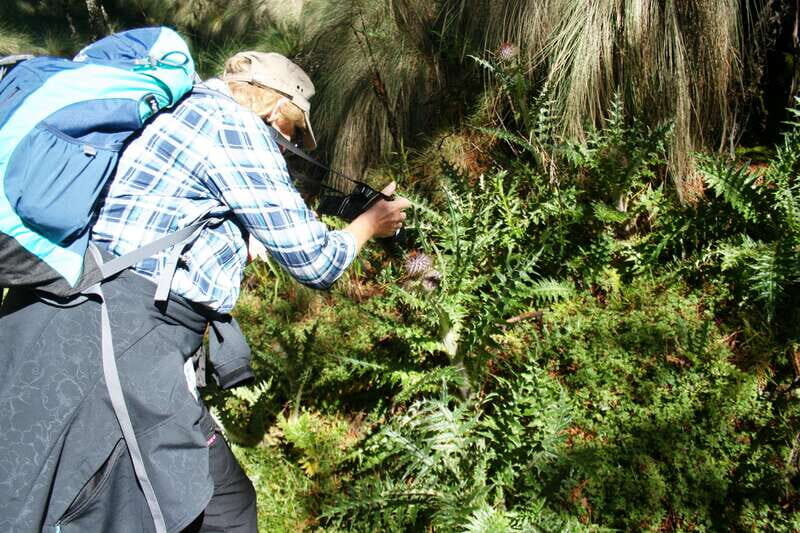
- Amalacaxco Ravine nature time: you slow down for native flora and fauna along the descent.
- Small group (13 max): easier questions, more patience on breaks, less crowding.
- Lunch at a traditional market: you get local food instead of a forgettable roadside stop.
- Comfort-focused support: rucksack rental and safety equipment are included, and guides like Alan, Juan, Cesar, and Bernardo are known for pacing with the group.
Escape Mexico City by stepping into the volcano belt
If you want a day away from cars, crowds, and traffic noise, this trip is a solid fix. You leave Mexico City behind and head to Puebla state for a guided hike inside Iztaccíhuatl–Popocatépetl National Park. The setting changes fast: you trade city air for mountain air, and you trade street-level views for wide-open volcano horizons.
What I like most is that the day feels purposeful. You’re not just trudging up for a photo and then calling it a win. You start at Paso de Cortes, move toward Cerro Altzomoni, then descend through areas where you can spot native plants and wildlife. And because it’s guided, you get context on what you’re seeing—especially around Popocatépetl.
One practical thing to keep in mind: this is a high-altitude hike. Expect a workout even if you’re fit. The difference here is that your lungs do some of the work, not just your legs.
You can also read our reviews of more guided tours in Mexico City
Getting going: where to meet and how the day starts
The day begins at México Travesías, right in front of the Michoacan Market. That matters because it makes the morning simpler: you’re not hunting for a random pickup point on a side street while half-awake and lugging your day bag.
From there, you ride out into the countryside toward the national park. The trip length is listed at 9 hours, which usually means you’ll be on the move early and you’ll still have a full afternoon back in the city after lunch. If you’re the type who gets cranky when plans run long, keep your expectations friendly: this is a guided day with driving, changing elevations, and a real lunch stop.
Also note the guide language: you’ll have a live tour guide in English or Spanish. If you want the most from the experience, try to listen for explanations on volcano history and activity while you’re walking—not only during stops.
Paso de Cortes: the warm-up that also sets expectations
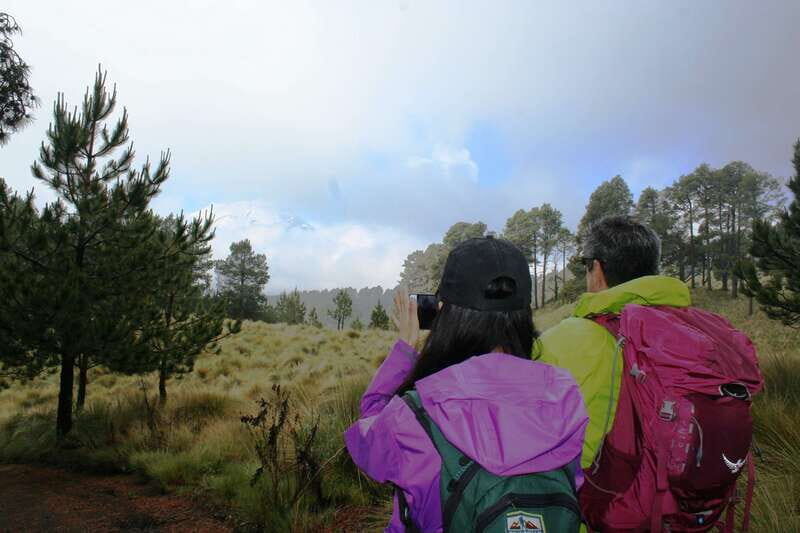
Your first “real” walking time starts around Paso de Cortes. Think of this as both a warm-up and a tone-setter. The lower parts give you early glimpses of the volcanoes and the park setting, so you’re not shocked later when the views suddenly get bigger.
This is where you’ll feel the altitude most. Many people expect hiking to be about legs. Here, your breath will remind you it’s about altitude too. Guides who have run this route—like Alan, Juan, and Bernardo—are often praised for managing pace and encouraging breaks. That’s important because it changes the hike from a race into a steady climb.
What to watch for in this section:
- The shift from city pace to mountain pace (slow down early)
- How the guide places you in the group for comfort and timing
- Where you feel altitude first so you can adjust your effort
If you arrive in Mexico City right after landing, I’d plan on taking altitude seriously. One review explicitly advised not doing it immediately after arrival—good advice if you want to enjoy the day rather than fight it.
Cerro Altzomoni: where Popocatépetl gets real
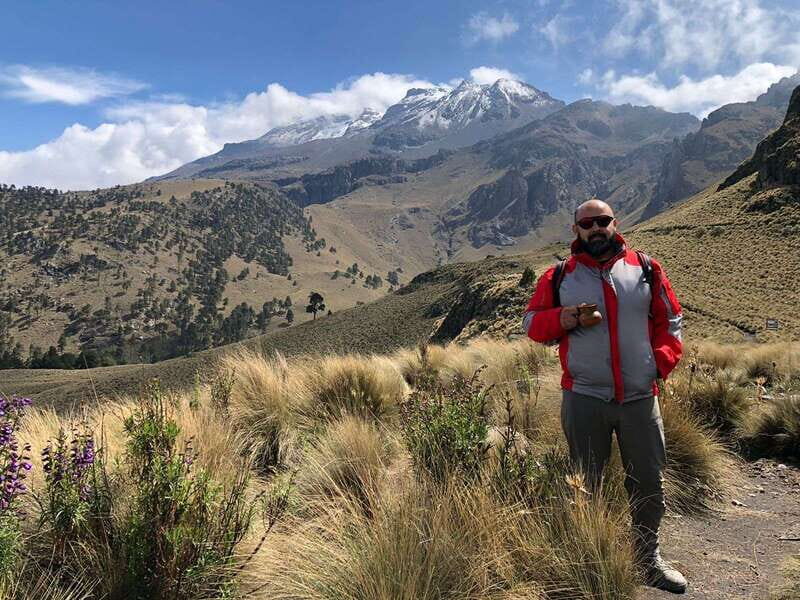
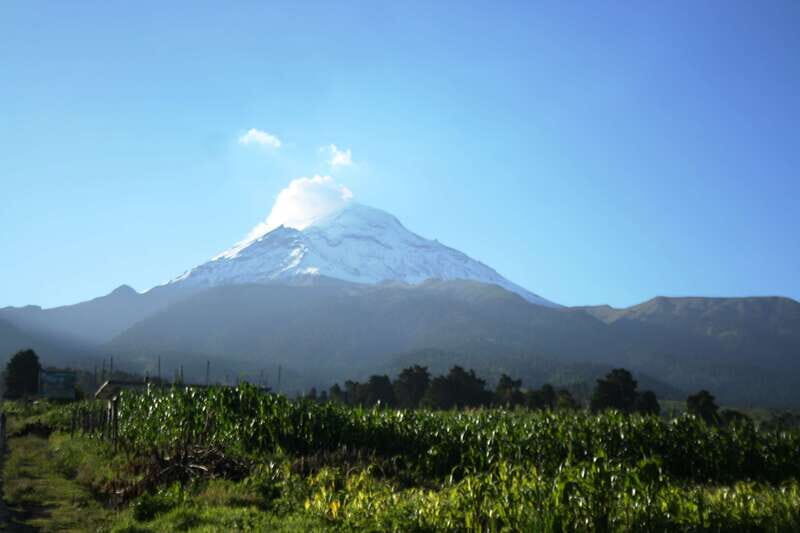
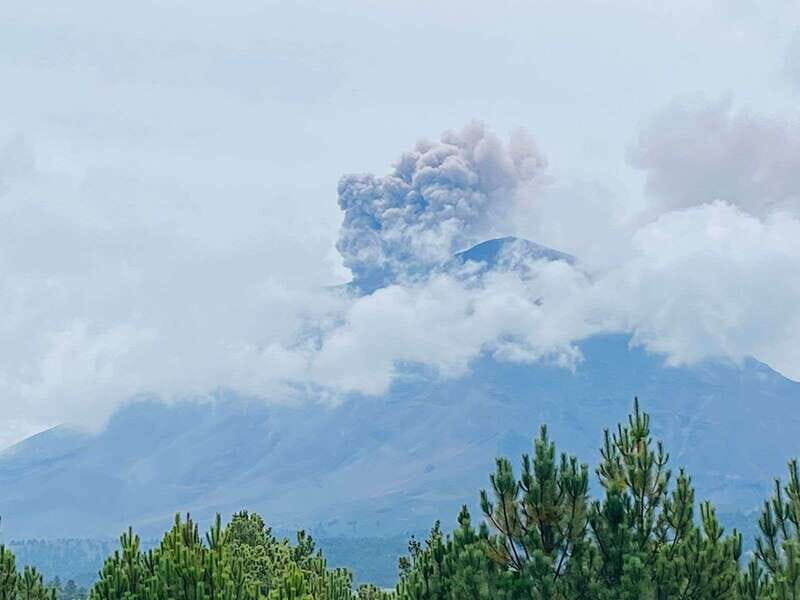
Next comes the big viewpoint portion: walking up toward Cerro Altzomoni. This is where the day earns its reputation. You get to marvel at Popocatépetl and the fumarole activity (steam and gas emissions from the volcanic vents). The guide explains the volcano’s history and activity while you’re at elevation, which turns the scenery into something you understand.
Here’s the part that’s worth paying attention to: volcanic views are partly about weather and partly about timing. When visibility is good, you get sharp sightlines. When clouds roll in, you might see less of the volcano peak—but you can still benefit from the experience through the hike itself and the nature you pass.
Also, you might be surprised by what you learn at this stop. Several guides on this route are known for pointing out details along the way, like vegetation changes and mountain features you’d otherwise miss. The value isn’t only the “wow” moment—it’s the “now I get it” moment.
A fun and slightly awe-inducing possibility: on some days, people have reported seeing Popocatépetl release a cloud of ash. You can’t bank on it, but it’s the kind of reminder that you’re hiking near a living system.
Amalacaxco Ravine: nature walking without rushing
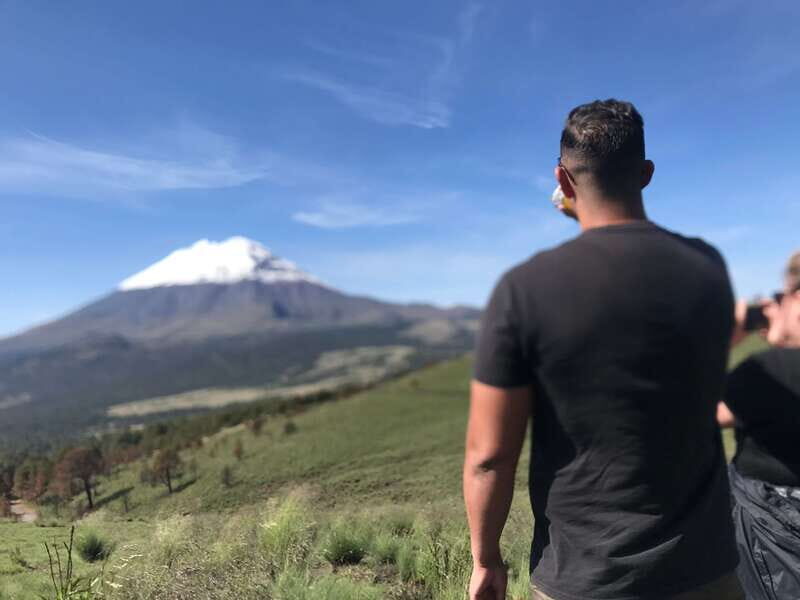
After the main climb, you descend toward Amalacaxco Ravine. This section is a nice contrast: the walking feels less like a goal and more like exploration. The goal is to see native flora and fauna as you move through the park’s natural corridors.
This is where the guided part shows its value. A good guide doesn’t just say “look at the plants.” They help you notice differences: types of vegetation you wouldn’t recognize on your own, and signs of wildlife presence. If you like photos, this is also where you’ll find lots of interesting angles that aren’t just the same volcano shot over and over.
Some hikers also mentioned optional route variations, including a stop near a small waterfall. The official route mentions the ravine area, while the experience can include extra natural stops depending on what the day allows. Either way, this is usually the portion where you start feeling like you’re finally in the park, not just hiking through it.
You can also read our reviews of more city tours in Mexico City

The long drive back makes lunch feel earned
You return toward Paso de Cortes, then ride back to Mexico City. On the way back, you stop at a traditional market for lunch, included in the price. This is one of those smart details: many tours give you a quick meal that’s convenient, not local. Here, you get food that fits the place and the day.
From what I’ve learned about how this outing runs, lunch is typically the “reward” moment that helps the hike feel complete. You’ll probably be hungry in a good way. The altitude plus hours of walking creates that appetite that makes simple food taste better.
What to do at lunch:
- Eat like you’re rebuilding energy, not like you’re just filling time.
- Keep it practical: choose something you can digest well after exertion.
- If there’s time, ask your guide for a couple local picks before you order.
Also, alcoholic drinks aren’t included. If you want a beer or something similar, plan to purchase it separately.
How hard is it, really? The altitude is the boss
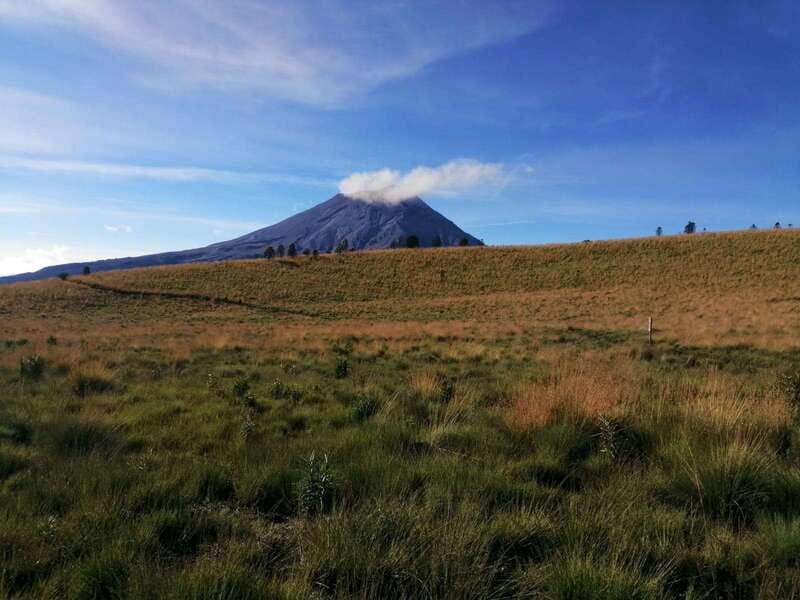
The tour is designed for hiking, not technical climbing. Many people describe it as doable for an average fitness level, with the main challenge coming from elevation. Reviews mention distances around 13 km to 14 km, and you may see differences based on the route your guide chooses and the conditions of the day.
So how should you judge effort?
- If you’re active and used to walking, you’ll likely manage.
- If you’re not used to high altitude, you’ll feel it even if you’re fit.
- Wear shoes that can handle uneven, rocky trail sections and long walking hours.
You should bring:
- Hiking shoes (not flip-flops, and not thin soles)
- Sunscreen
- A jacket (mountain weather changes fast)
- Gloves
- Comfortable clothes
A practical trick: bring layers even if the city feels warm. People often underestimate how quickly it can cool at altitude.
If you’re thinking about going, also pay attention to who the tour isn’t suitable for. It’s listed as not suitable for pregnant women, people with back problems, people with mobility impairments, people with heart problems, and people with haemophilia. That’s not paperwork fluff; it’s about safety on a mountain hike where walking and exertion can’t be reduced to zero.
Guides make or break the experience

A hiking day is only as good as the guide’s control of pace, safety, and explanation. This one is run by Travesías México, and the standout pattern is that guides tend to be friendly, attentive, and good at keeping everyone comfortable.
You might encounter guides like Alan, Juan, Cesar, Carlos, Bernardo, Carlos, or Marco—names that show up repeatedly. Common themes in how these guides are described:
- Clear instructions at the start
- Patient encouragement during climbs
- Attention to different fitness levels
- Extra care when someone needs slower walking or extra rest
One example to take seriously: Bernardo was mentioned as adjusting the hike pace so different fitness levels could finish together, even on longer walking days around 13 km. That’s exactly what you want in a guided mountain trek, where everyone experiences altitude differently.
Small-group value: why 13 people matters
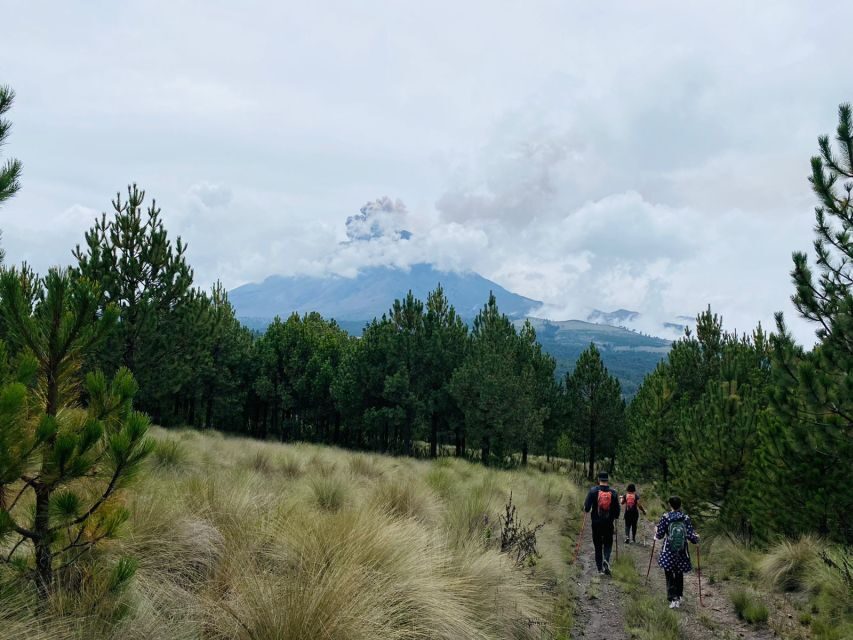
This tour limits the group to 13 participants. That number seems small because it works. On a mountain hike, it’s the difference between “everyone gets attention” and “you’re just trying not to get lost.”
With a smaller group you usually get:
- More time to ask questions without feeling rushed
- Better spacing for safety on uneven trail sections
- Easier regrouping after viewpoints and photo stops
If you like a guided day but hate the feeling of being herded, this size is a sweet spot.
What’s included (and what you’ll still handle)
Here’s the practical breakdown.
Included:
- Transportation
- Qualified guides
- Entrance fees
- Rucksack rental
- Safety equipment
- Lunch
- Accident insurance
Not included:
- Alcoholic drinks
What you provide:
- Hiking shoes, sunscreen, jacket, gloves, and comfortable clothes
One note on the rucksack rental: it’s included, which can save you from bringing your own pack if you traveled light. But still bring your own day essentials (like water if you’re told to carry it, plus personal items). If you’re unsure about what you’ll be carrying, ask your guide at the meeting point so you don’t show up overloaded.
Weather reality: when volcano views are clear vs cloudy
This tour’s star power is the volcano scenery, especially Popocatépetl from Cerro Altzomoni. But mountain weather can change quickly. Some people have had days where clouds reduced what they could see, and the trip still felt worthwhile because of the hike, the nature sections, and the overall experience.
If clear views are your top priority, aim for calmer weather and be mentally flexible. Even without peak visibility, a guided hike through a major volcano national park can still be a strong day out.
Price and value: does $105 make sense?
At $105 per person for a 9-hour, guided, entrance-fee-included trek with lunch and transport, the value is mostly in the “organized safety” and the “local food payoff.”
You’re paying for:
- Round-trip transportation out of Mexico City
- Entrance fees into the national park area
- A guide who knows the route and helps you handle altitude pacing
- Safety equipment and accident insurance
- A real lunch at a traditional market
If you try to do this independently, you’d spend time coordinating transport, permits/entry, and a safe route up to view points. Independent DIY can be cheaper on paper. The problem is that it’s harder to make it feel like a smooth day.
So for most people, this price is fair—especially if you want a guided day that still includes authentic food at the end.
Should you book this volcano trek?
I think you should book it if you want a true nature escape near Mexico City, and you like guided hiking that teaches as you go. The combination of Popocatépetl views, a knowledgeable guide, and a lunch stop at a traditional market is a strong mix for one full day.
You might skip it if:
- You know altitude affects you badly
- You have limitations with walking or exertion that make a mountain hike unsafe
- You’re hoping for a relaxed stroll with no real physical effort
If you’re in the “I can hike and I want volcano history plus fresh air” camp, this is a great fit.
FAQ
FAQ
Where is the meeting point?
You meet at México Travesías, in front of the Michoacan Market.
How long is the tour?
The duration is 9 hours.
How many people are in the group?
It’s a small group, limited to 13 participants.
Is lunch included?
Yes. Lunch is included, with a stop at a traditional market.
What’s included in the price?
Transportation, qualified guides, entrance fees, rucksack rental, safety equipment, lunch, and accident insurance are included.
What languages do the guides speak?
The live tour guide is available in English and Spanish.
What should I bring for the hike?
Bring hiking shoes, sunscreen, a jacket, gloves, and comfortable clothes.
Is this hike suitable for everyone?
No. It is not suitable for pregnant women, people with back problems, people with mobility impairments, people with heart problems, or people with haemophilia.
Are alcoholic drinks included?
No. Alcoholic drinks are not included.
What if I need to cancel?
You can cancel up to 24 hours in advance for a full refund.