REVIEW · SAN MIGUEL DE ALLENDE
A fascinating Walking Tour of San Miguel
Book on Viator →Operated by J. Jesus Rodriguez · Bookable on Viator
San Miguel de Allende works best on foot.
This 2-hour walk is an easy way to connect the historic center to the stories behind it, with an expert guide who keeps things clear and English-friendly. Guides such as J. Jesus Rodriguez, plus well-liked stand-ins like Jesus, Jalal, and Emma, get praise for a relaxed pace and the ability to answer questions on the move.
I especially love how the route hits both sides of SMA: the monumental church stops and the arts-and-theater moments. You’ll also get practical, human context for why the town’s urban layout, 18th-century wealth, and 1810 insurgent-era role still matter today.
One consideration: this is a short tour, and it can feel more like frequent stops to listen than a long, continuous stroll. If you like to linger quietly in churches or wander off the path for extra photo time, plan to do that after the walk.
In This Review
- Key takeaways for your San Miguel walking tour
- Why a 2-hour Centro walk pays off in San Miguel de Allende
- The feel of the walk: easy pace, frequent stops, and real conversation
- Stop 1: Parroquia de San Miguel Arcángel to set the historical tone
- Stop 2: Casa del Mayorazgo de Canal and the 18th-century wealth story
- Stop 3: Bellas Artes—how art became part of everyday SMA
- Stop 4: Teatro Ángela Peralta—performance as a city signal
- Stop 5: Templo y Ex Convento San Francisco—church orders and the long view
- Stop 6: Templo de Nuestra Señora de la Salud—devotion and meaning in details
- Stop 7: Temple of the Immaculate Conception—one more layer of the same central theme
- Stop 8: Jardin Allende—where the story turns into your next move
- Guides make the difference: Jesus Rodriguez, Jalal, Emma, and the art of pacing
- Price and value: why $35 can feel like a steal in SMA
- Timing, start point, and how to avoid day-of stress
- Who this walking tour fits best
- The one “watch out” item to consider
- Should you book this San Miguel walking tour?
- FAQ
- How long is the walking tour?
- What’s the price per person?
- Is the tour offered in English?
- Where do I meet, and where does it end?
- Does the tour use a mobile ticket?
- How big is the group?
- Is confirmation provided after booking?
- Are service animals allowed?
- What is the cancellation policy?
Key takeaways for your San Miguel walking tour
- A compact 2-hour loop that helps you get your bearings fast in Centro
- Church-and-convent focus with context for what you’re seeing (not just names)
- Arts stops built in through Bellas Artes and Teatro Ángela Peralta
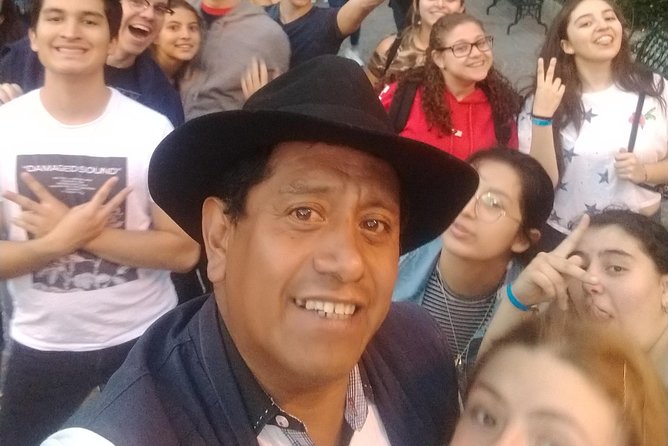
- Small group size (max 20 people) makes questions feel easy
- English-first guiding, with praise for helpful, friendly explanations
- Jardin Allende as a breathing spot near the end of the route
Why a 2-hour Centro walk pays off in San Miguel de Allende
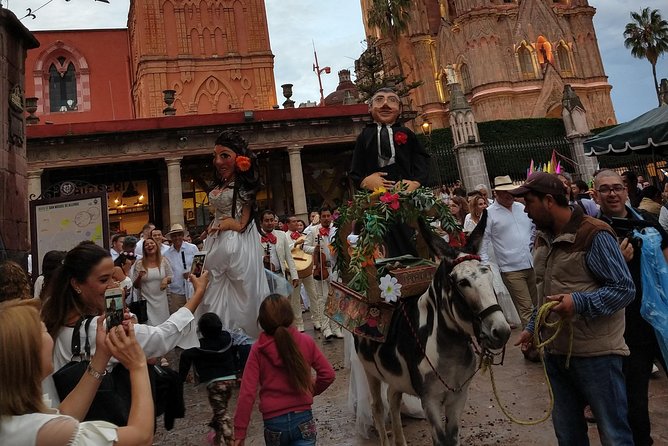
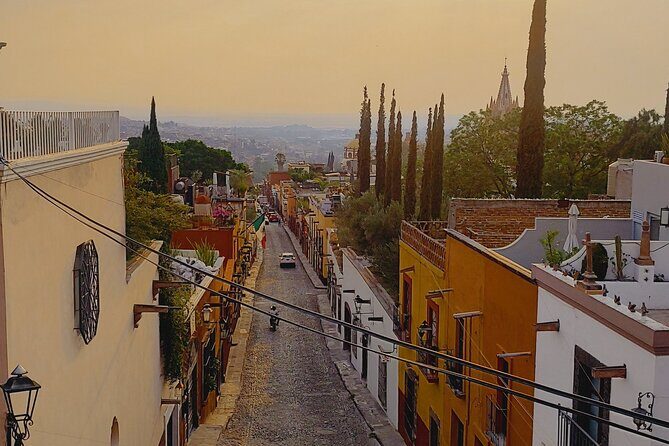
San Miguel de Allende can feel like a maze at first, all stone streets, bright corners, and church domes pulling your eyes in different directions. This tour helps you understand the town’s structure quickly, so your next walk feels less like wandering and more like exploring with purpose.
At $35 for about two hours, you’re paying for two things: a guide who can connect sites to stories, and a route that keeps you from bouncing randomly between landmarks. A lot of the value here is time-saving. Instead of spending your first day trying to decode what matters most, you start with a guided line through the pieces of the historic center.
The group stays limited (up to 20 people), which matters. In a big group, you tend to fall behind or miss details. Here, the pace is often described as comfortable, and people mention the guides can adapt—one guide specifically slowed things down for seniors.
You can also read our reviews of more tours and experiences in San Miguel de Allende.
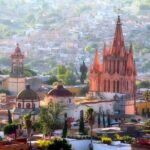

The feel of the walk: easy pace, frequent stops, and real conversation
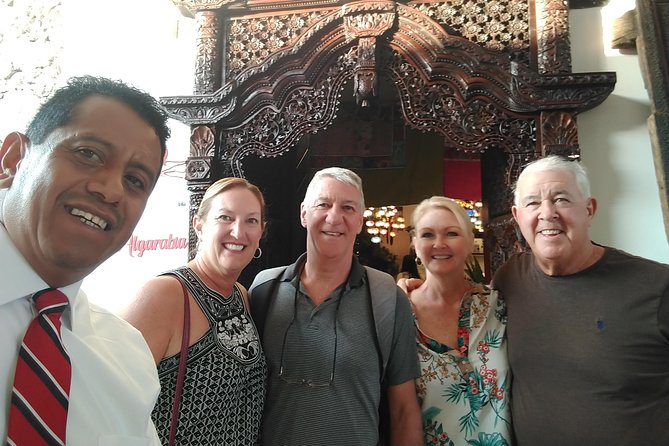
This isn’t a sprint tour. It’s built around stopping, looking up, and learning why certain facades and buildings ended up where they did. Expect a comfortable walking pace with lots of narration at key points.
English is offered, and several guides are praised for being easy to talk with—answering questions and keeping the tone friendly. There’s also a pattern of humor in the guiding style. That matters more than it sounds, because when you’re on cobblestones for a couple of hours, a guide who keeps the mood light helps you stay focused.
What to bring: comfortable walking shoes and a camera you can reach quickly. The city center includes uneven surfaces, so don’t count on this being a “quick stroll in sneakers that never slip.” A hat helps too, since you’ll be outside most of the time.
Stop 1: Parroquia de San Miguel Arcángel to set the historical tone
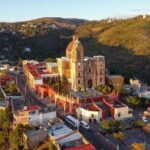
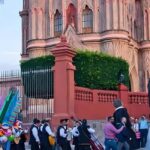
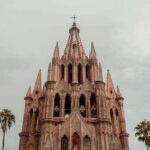
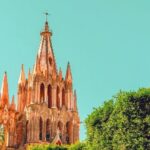
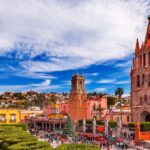
You start at Parroquia de San Miguel Arcángel in the Zona Centro area, right in the heart of the historic center. This is a smart first move because it gives you a clear visual anchor. Once you’ve seen the church, the rest of the tour makes more sense: you understand the role religion played in shaping the town’s public face and community rhythms.
Your guide’s job at this first stop is to set context—how SMA grew, how its urban layout developed, and why the historic center became so important in later centuries. Even if you’ve been reading guidebooks, a good guide helps you connect the buildings you see with the wider story.
The drawback at the very first stop is simple: if you’re sensitive to crowds or you arrive right at the start time, you might spend a moment in a busy area before the explanation begins. Arriving a few minutes early helps.
Stop 2: Casa del Mayorazgo de Canal and the 18th-century wealth story
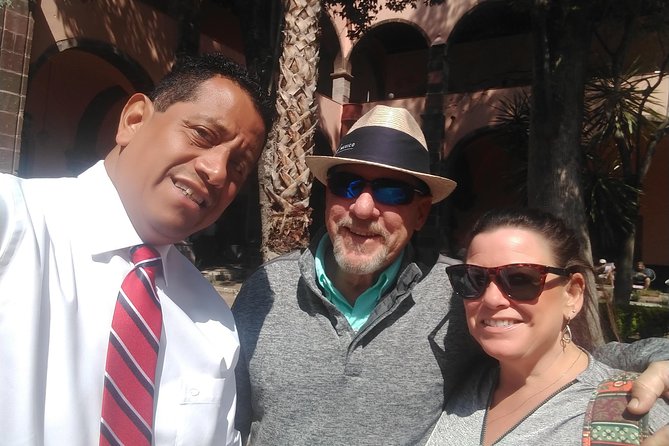
Next you’ll head to Casa del Mayorazgo de Canal. This kind of stop matters because it shifts your focus from religious power to money, property, and civic growth. SMA didn’t become important by magic; it grew because older town fortunes and social structures fed the built environment you’re walking through now.
Your guide explains the town’s 18th-century economic boom and what that meant for the look and organization of the center. This is where you start seeing patterns: where wealth shows up in architecture, and how buildings reflect the people who controlled resources and influence at the time.
You might also notice how your eyes change. At first you look at facades. Later, you start noticing details—doorways, placement, and how buildings relate to the street. That’s the “aha” moment this stop tends to create.
Stop 3: Bellas Artes—how art became part of everyday SMA
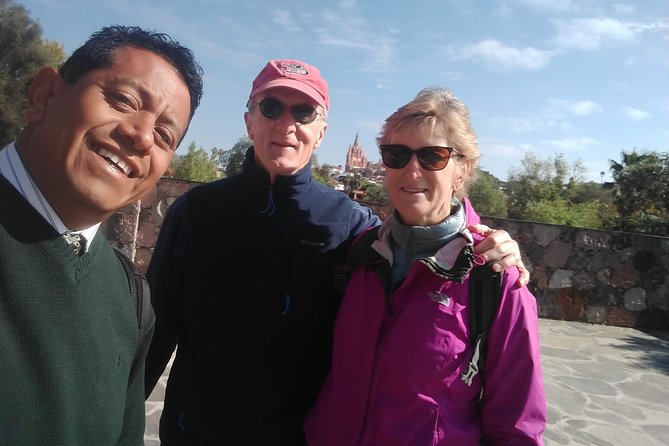
Bellas Artes is one of the tour’s clear hints that San Miguel’s identity isn’t only religious or colonial. Your guide ties the story to SMA becoming an art capital in Mexico, and how that reputation helped attract an international, cosmopolitan crowd.
This is also a good point to slow your brain down and think like a visitor from earlier eras. If a town becomes known for the arts, people come, commissions follow, and cultural life becomes part of daily routine. The result is you walk through streets where art and community were never fully separate.
If you’re an architecture fan, this stop gives you a chance to compare the “stage” of art spaces with the grandeur of churches. You’ll leave with a better sense of how different kinds of public buildings competed for attention—and why the town managed to make both feel essential.


Stop 4: Teatro Ángela Peralta—performance as a city signal
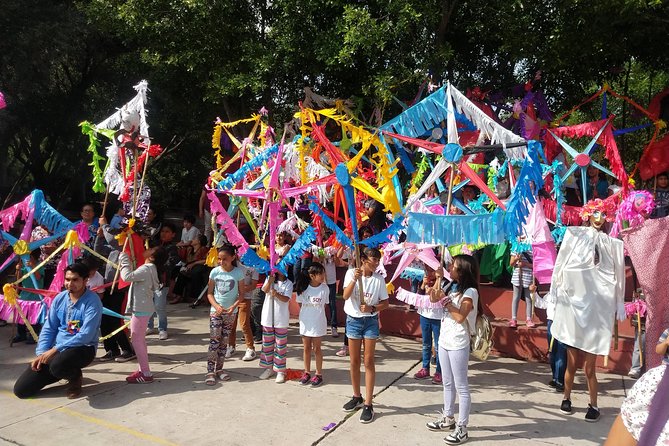
Teatro Ángela Peralta brings the tour into the performing arts, and it’s more than just a pretty exterior. Your guide connects these cultural institutions to how SMA evolved into an international city, not only a local hub.
The practical value here is that it helps you place the arts in the town’s timeline. You stop treating the theater as a random landmark and start understanding it as proof that culture was organized, supported, and taken seriously.
One small tip: if you like to plan ahead, take note of the theater stop and then check the hours and events on your own after the walk. A walking tour can point you toward what to follow up with, but it won’t replace choosing a show that fits your dates.
Stop 5: Templo y Ex Convento San Francisco—church orders and the long view
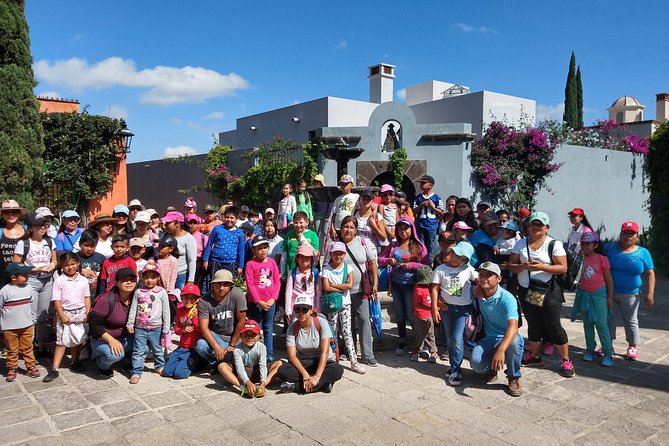
At Templo y Ex Convento San Francisco, the story turns to the Franciscan presence and how convent life shaped the center. Convents and ex-convents often show up as landmarks that look purely architectural at first. With the guide’s context, they become something more: a window into how religious communities organized work, learning, and daily life.
You’ll also get help connecting the town’s wider history to the built environment. The tour frames the evolution of SMA, including its role during the 1810 insurgent movement. Even when the connection isn’t spelled out for every stone, your guide keeps the narrative stitched together.
Drawback to consider: ex-convents can mean stairs, shaded corners, and sometimes areas where you’re standing while listening. If you prefer minimal standing during explanations, tell your guide early. A few people noted guides could adjust their pace when needed.
Stop 6: Templo de Nuestra Señora de la Salud—devotion and meaning in details
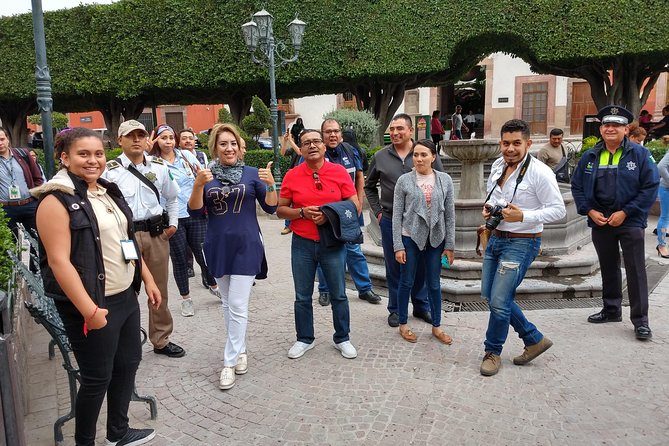
Templo de Nuestra Señora de la Salud adds a more specific devotional identity to the walk. This is a great stop if you want to understand how different churches reflect different emphases, not just repeated styles.
Your guide helps you read the symbolism and the reasons people invested in these spaces. This turns your time inside or near the church into more than photo-taking. You start noticing what a town celebrates, prays for, and gathers around.
If you’re worried about getting tired, pace yourself here. It’s mid-tour, when shoes might start talking back a little. A quick rest, a sip of water, and a slower look around is worth it before the route continues.
Stop 7: Temple of the Immaculate Conception—one more layer of the same central theme
The Temple of the Immaculate Conception keeps the tour centered on the power of religious architecture in the city’s identity. When you reach this stop, the explanations often land better because you’ve already absorbed earlier context about how the historic center developed and why so many major buildings cluster where they do.
Your guide’s goal is to make you see the common thread: why these sites are tied to SMA’s status as Cultural Heritage of Humanity. The tour doesn’t treat the buildings like isolated monuments. It treats them like chapters in a single ongoing story.
Practical note: churches sometimes have lighting that changes the look of stone and altars. Bring your camera, but also take a moment to look without it. You’ll remember the shape and mood more clearly.
Stop 8: Jardin Allende—where the story turns into your next move
Jardin Allende is the tour’s calm, open-air feeling point. It’s a smart ending or near-ending stop because a park gives you space to breathe and reorient. After hours of facades and explanations, you get a little pause to watch daily life around the historic center.
In some versions of the tour, people mention a side element like a park-like stop and a look at older local routines. Even if your exact detour varies, Jardin Allende works as a natural place to reflect on what you learned and decide what you want to explore again on your own.
This is also a spot to ask one last set of questions. Guides are praised for sharing tips for what to do next, including where to eat and what to look for in the center. If you want to catch the right vibe for your afternoon, this is when to do it.
Guides make the difference: Jesus Rodriguez, Jalal, Emma, and the art of pacing
The biggest strength of this experience is not just the list of stops. It’s the guide style. Many people praise clear English, a calm pace, and a friendly willingness to answer questions.
Names that show up positively include J. Jesus Rodriguez (the provider), plus Jesus, Jalal, and Emma. Different guides bring different personalities, but the consistent theme is storytelling that helps you connect the city’s buildings to its social and political timeline.
One more practical benefit: because the tour is small, you’re more likely to get personal attention. People mention being able to ask lots of questions, even when they were the only ones on the tour that day. That’s not guaranteed, but it tells you the format supports interaction.
And yes, humor appears. One guide is praised for keeping the mood fun, including light cultural tips like how to roll a taco the local way. You may not learn a new life skill, but you’ll likely leave with a better sense of everyday Mexican culture beyond the postcard.
Price and value: why $35 can feel like a steal in SMA
At $35 per person for about two hours, this tour often feels like good value for a few reasons. First, you get a focused route through major historic and cultural anchors—churches plus art-and-performance stops. Second, you’re paying for interpretation, not just walking from point A to point B.
Some people specifically call out the price as better than other options they checked. Even if you don’t compare rates, you can judge the math: you’re effectively hiring a guided storyteller for a morning window, and you walk away with context that makes later self-guided exploring easier.
If you’re on a budget, this is one of those “buy one good guide moment” experiences. It won’t replace deeper tours if you want to spend all day in museums, but it’s a strong first stop for anyone who wants the why behind the wow.
Timing, start point, and how to avoid day-of stress
The tour starts at 10:00 am at Parroquia de San Miguel Arcángel, Principal S/N, Zona Centro, Centro, 37700 San Miguel de Allende, Gto., Mexico. It ends back at the meeting point, so you’re not stuck figuring out a later rendezvous.
Most people can participate, and service animals are allowed. The tour is also listed as near public transportation, which helps if you’re combining it with other plans.
My advice: arrive with time to spare and be ready to move. Cobblestones don’t forgive last-minute rushing. If you’re sensitive to standing, tell the guide early and choose what you want to linger at later, especially if you want to return for interior details.
Who this walking tour fits best
This tour fits you if:
- you want a structured introduction to the historic center without overplanning
- you like churches and architecture but want the story behind them
- you care about the arts side of San Miguel, not only the religious landmarks
- you prefer small-group guiding with English explanations
It may not fit you as well if:
- you dislike frequent stops and prefer fewer, longer breaks
- you want a super long walk with lots of free wandering
- you’re hoping for a museum-heavy day with no outdoor time
The one “watch out” item to consider
One outlier situation was reported where a guide reportedly didn’t show up due to a date mix-up, and the provider apologized and discussed a refund. It’s the exception, but it’s a reminder to confirm your exact date and be at the correct meeting spot on time.
If you do that, your odds of having the kind of experience people consistently describe are strong.
Should you book this San Miguel walking tour?
Yes, if you want a smart, organized way to understand San Miguel de Allende fast. The short duration is a feature for first-timers: you get the big ideas about the historic center, the role of churches, and SMA’s rise as an art-focused city, all without burning your whole morning.
Book it if you appreciate English guiding, small groups, and stops that turn into questions answered on the street. Skip it only if your style is slow wandering with long quiet time inside churches, because this is built around guided stops and moving through the center.
If you want to make it even better, plan a follow-up visit to 1–2 places you liked most after the tour. That’s how you turn a great intro into a great day.
FAQ
How long is the walking tour?
It’s listed as approximately 2 hours.
What’s the price per person?
The price is $35.00 per person.
Is the tour offered in English?
Yes, English is offered.
Where do I meet, and where does it end?
You start at Parroquia de San Miguel Arcángel (Principal S/N, Zona Centro, Centro) and the activity ends back at the meeting point.
Does the tour use a mobile ticket?
Yes, it’s a mobile ticket.
How big is the group?
The tour has a maximum of 20 people.
Is confirmation provided after booking?
Confirmation is received at the time of booking.
Are service animals allowed?
Yes, service animals are allowed.
What is the cancellation policy?
Free cancellation is available. You can cancel up to 24 hours in advance for a full refund.