REVIEW · SAN MIGUEL DE ALLENDE
Learn how to weave with natural fibers in San Miguel de Allende
Book on Viator →Operated by Aprende A Tejer Con Fibras Naturales · Bookable on Viator
Loom time in San Miguel is surprisingly calming. This hands-on weaving class is all about working with natural fibers and building real confidence as you learn basic techniques at a steady pace with Citlalli. I also love the practice-heavy approach, including multiple patterns you can actually use while designing your own piece.
The group stays tiny, with a maximum of 4 people, which helps you get attention when you hit a tricky moment. The only real drawback is timing: it’s about 2.5 hours, so come ready to focus rather than treat it like a quick photo stop.
You’ll meet in the Zona Centro area of San Miguel de Allende, weave a textile piece, and then take your work home. The experience wraps back at the meeting point, so it’s easy to build into a day exploring the city.
In This Review
- Key things I think you’ll enjoy most
- A small-group weaving class with real hands-on time
- Where you meet in San Miguel de Allende (and how to plan your arrival)
- Citlalli teaches loom setup, stitches, and the weaving basics
- The patterns: how you go from basics to your own design
- Working with natural fibers: what you gain beyond the finished piece
- What the 2 hours 30 minutes feels like in real time
- Price and value: why $77.31 can make sense
- The practical side: tickets, confirmation, and getting there
- Who this weaving class is best for
- Should you book this San Miguel de Allende natural-fiber weaving lesson?
- FAQ
- What time does the weaving class start in San Miguel de Allende?
- How long is the experience?
- Where is the meeting point?
- How many people are in the class?
- What will I be making?
- Do I need a printed ticket?
- When do I get confirmation?
- Is it suitable for beginners?
- What is the cancellation policy?
Key things I think you’ll enjoy most
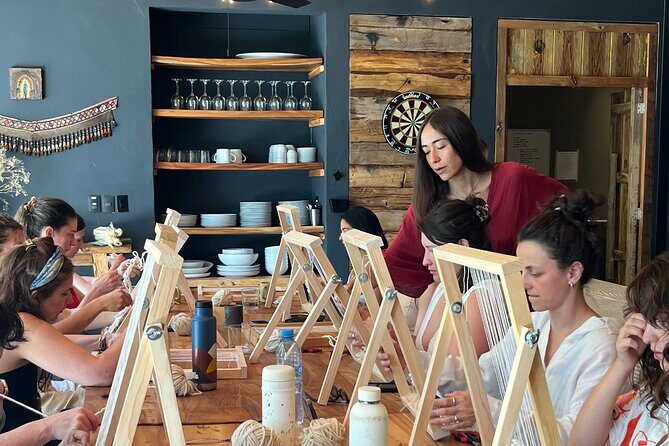
- Citlalli’s step-by-step teaching from loom setup to weaving patterns
- Natural fibers and basic weaving techniques you can keep using later
- Four different patterns practiced during the class
- Small-group format capped at 4 people for real guidance
- A take-home textile piece you can hang or further embellish
A small-group weaving class with real hands-on time
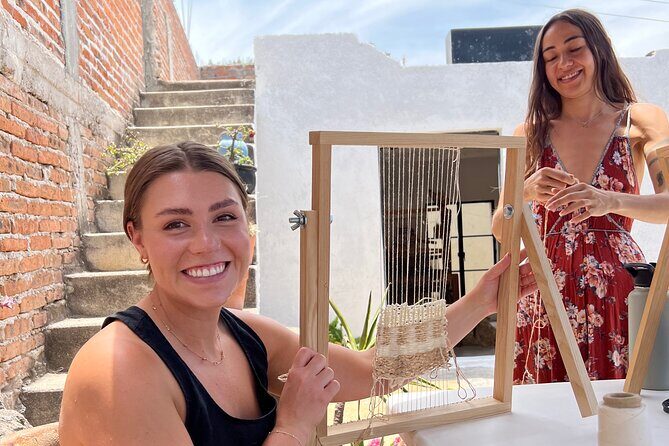
If you like making things with your hands, this San Miguel de Allende weaving experience is a great pick. It’s not a “watch and leave” kind of activity. You’ll sit down, work the loom, and learn how weaving actually works—threads, tension, rhythm, and design—using natural fibers.
What makes it feel special is the teaching style. In the class, you’re not rushed through jargon. Citlalli leads the process from the start, including how to set up the loom and how to handle stitches without getting lost. It’s ideal if weaving is new to you, because you’re allowed time to practice each step.
There’s also a big creativity component. You don’t just copy one sample and call it done. You learn basic techniques, then use them to create a textile piece that feels like your own. That matters because weaving is part craft, part problem-solving, part design—so your brain stays engaged the whole time.
One more practical win: the group is small (up to 4). That means when your fingers get tangled or your pattern doesn’t look right yet, you’re more likely to get quick help.
You can also read our reviews of more tours and experiences in San Miguel de Allende.



Where you meet in San Miguel de Allende (and how to plan your arrival)
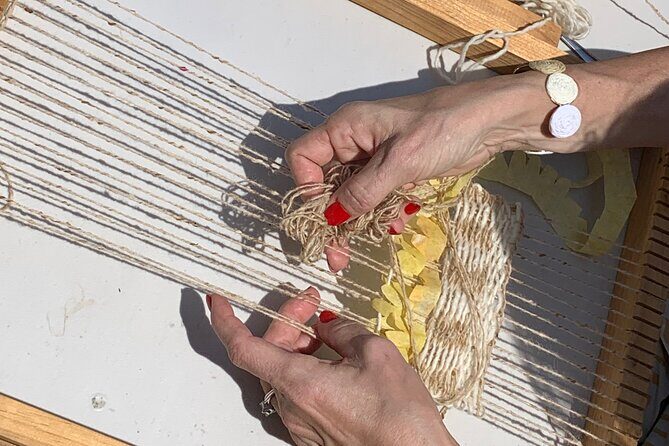
The class meets at Cjon. Ojo de Agua 27, Zona Centro, Ojo de Agua, 37777 San Miguel de Allende, Gto., Mexico. It starts at 11:00 am and ends back at the meeting point.
Because the location is described as near public transportation, you don’t have to rely on a private ride. Still, since you’re heading to a specific address, plan to arrive a bit early. In a small class, being late can throw off the pacing.
Dress for fiber work. Even when you’re careful, weaving can involve handling materials and moving your hands a lot. You don’t need anything fancy, but I’d skip anything that’s hard to move in or that you’d hate getting a little rumpled.
Also, the class runs about 2 hours 30 minutes. Build your other plans around that block. If you’re the type who likes to keep shifting from activity to activity, this one asks for a calmer pace while you learn.
Citlalli teaches loom setup, stitches, and the weaving basics
This experience is provided by Aprende A Tejer Con Fibras Naturales, but the standout element you’ll hear again and again is the instruction from Citlalli. The way the class is structured makes a huge difference for first-timers.
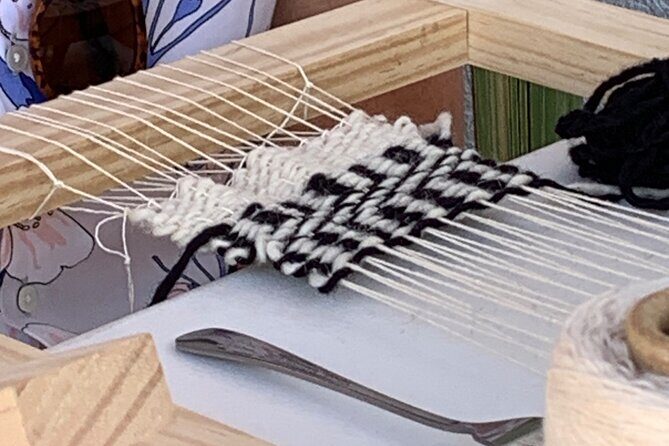
You start with loom setup. That’s not just a formality—it’s where most people struggle later. Getting the loom prepared correctly affects tension and how clean your pattern will look. Then you move into weaving basics, including demonstrations of the steps and stitches.
What I like about this teaching approach is that it balances structure and freedom. You’ll get guided practice with each technique, then you’ll have time to try it yourself. That’s how you stop feeling like weaving is some mysterious skill reserved for other people.
Citlalli also keeps the tone encouraging. Weaving has a learning curve, and your confidence grows fast once someone breaks the process down clearly and gives you space to practice. You’re also given options for incorporating other types of media into the weaving process, which adds a personal touch if you want to experiment beyond the base technique.
Finally, the class teaches design thinking—not just “how to weave,” but how to decide what to make. You work on your textile piece using what you learned, with enough structure to keep you from feeling overwhelmed.
The patterns: how you go from basics to your own design
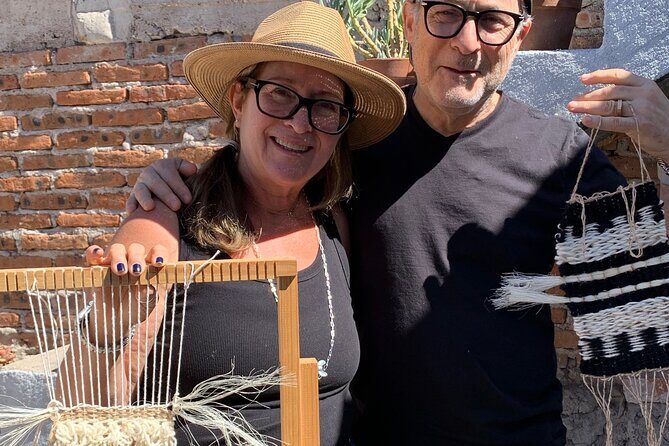
A big reason this class gets such high marks is that you don’t leave with only one tiny result. You’ll learn multiple techniques and patterns, including four different patterns.
Here’s why that matters for you: weaving is easier to understand when you see how changes in technique create different visual effects. Each pattern is like a lesson in structure. As you practice, you start to notice how small adjustments influence the final look.
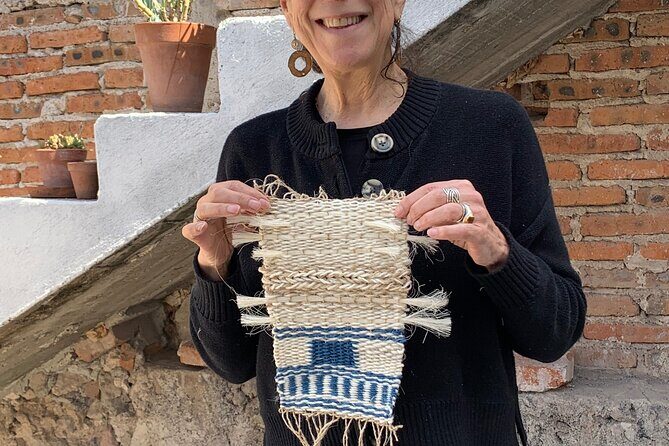
In your design phase, you can use what you practiced to create a piece you can take home. That might sound like a vague promise, but it’s more than that in practice: you’ll actually leave with a weaved art piece you can hang and further embellish if you want to keep going later.
If you’re a “I want to learn a skill, not just make a souvenir” person, this hits the sweet spot. The class gives you enough repetition and guidance so the learning sticks, not just the final product.
Working with natural fibers: what you gain beyond the finished piece
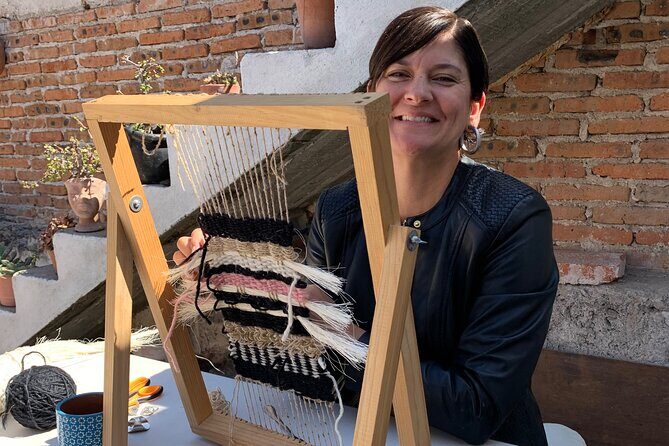
Natural fibers are the heart of this class. That may sound like a simple detail, but it changes how weaving feels and looks.
Natural fibers tend to be forgiving in the sense that you can adjust your technique and see the immediate impact of tension and placement. You’ll also understand why fiber choice matters when you start manipulating threads and building your fabric. Even if you never weave again, you’ll walk away with a clearer sense of how textile craft works.
There’s also a satisfaction angle that’s hard to fake: when you can physically feel the fibers and watch your weaving take shape, the process becomes mindful without turning into slow boredom. You learn by doing.
Citlalli’s approach includes creativity, too. Some people want to keep it simple. Others want to experiment. You’re given choices for incorporating other media into the weaving process, so the class doesn’t force one look.
One more thing to know: the class atmosphere is welcoming and organized. That combination matters. Organized teaching keeps you moving, and a welcoming vibe makes it safe to make mistakes while learning.



What the 2 hours 30 minutes feels like in real time
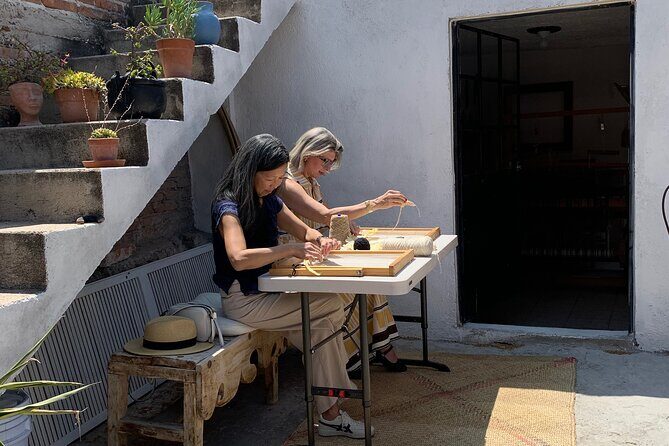
This is a 2 hour 30 minute session, so the timing is structured. While exact minutes can vary, the flow usually follows a clear pattern:
First, you arrive and get oriented at the meeting point location. Then you begin loom setup and get the first demonstrations. This stage is about understanding how the loom and fibers work together.
Next comes technique practice. You’ll work through basic weaving steps with guided instruction and time to repeat. This is where your hands start to “get it,” and where you build the confidence to try patterns.
After that, you shift into learning multiple patterns. Since the class covers four different patterns, you get more than one visual outcome and more than one technique lesson. You’ll then apply what you’ve learned to designing and weaving your textile piece.
Finally, you finish and leave with your creation. Many people feel a real sense of pride here because it’s not a quick craft project—it’s a piece you built through repeated technique practice, then carried home.
Because it’s small-group (maximum 4), the instructor can adjust the pace based on how the class is going, especially for beginners.
Price and value: why $77.31 can make sense
The price is $77.31 per person, with the class lasting about 2 hours 30 minutes. On paper, that might look like “just a workshop.” In practice, it’s better to think of it as tuition for a hands-on skill you can take home in a tangible form.
Here’s why the value can be strong:
- You get real instruction: loom setup, stitches, and technique practice.
- You learn multiple patterns: four patterns, not just one.
- You take home your textile piece: you’re not leaving empty-handed.
- You’re not in a large crowd: with a max of 4 people, guidance is more likely to stay personal.
If you’ve ever paid for a class and felt like you only made one small thing, this one is different. The teaching method aims to get you to competence during the session, not just completion.
Also, the booking lead time averages 9 days in advance. With a small group size, it’s smart to reserve sooner rather than later if you want a specific day and you don’t want to plan around availability.
The practical side: tickets, confirmation, and getting there
You’ll receive confirmation at the time of booking. The activity uses a mobile ticket, which is convenient because you don’t need to print anything.
The meeting point is near public transportation, so you can likely fit it into a normal San Miguel day without needing a complicated logistics plan.
And the session ends back at the same meeting point, which is helpful if you’re trying to keep your afternoon simple.
Who this weaving class is best for
I think this experience is perfect for people who want:
- A small-group, hands-on art lesson
- A chance to learn weaving basics with real guidance
- Something creative that results in a take-home textile piece
- A calm activity that still feels productive and skill-based
It can also work well for couples. One common theme is that two people often learn together and both leave with a piece they’re proud of.
If you dislike sitting still or learning by practice, it may feel like too much focus. But if you’re curious about crafts and enjoy making things step-by-step, this is a strong match.
Should you book this San Miguel de Allende natural-fiber weaving lesson?
Yes, you should book it if you want a skill you can actually build during the session. The combination of loom setup, stitches, multiple patterns, and encouragement from Citlalli makes it feel like real learning, not a one-off craft stop.
I’d also book it if you like the idea of taking home something that’s more personal than a store-bought souvenir—especially because you weave it yourself with natural fibers and apply what you practice to your own design.
Book earlier if your schedule is tight. With a maximum of 4 people, availability can be limited, and the class is often scheduled with some planning time.
FAQ
What time does the weaving class start in San Miguel de Allende?
The class starts at 11:00 am.
How long is the experience?
It lasts about 2 hours 30 minutes.
Where is the meeting point?
The meeting point is at Cjon. Ojo de Agua 27, Zona Centro, Ojo de Agua, 37777 San Miguel de Allende, Gto., Mexico.
How many people are in the class?
The activity has a maximum of 4 travelers.
What will I be making?
You’ll weave a textile piece using different basic weaving techniques with natural fibers, and you’ll take your creation home.
Do I need a printed ticket?
No. The tour uses a mobile ticket.
When do I get confirmation?
Confirmation is received at the time of booking.
Is it suitable for beginners?
It says most travelers can participate, and the class includes step-by-step demonstrations and practice time.
What is the cancellation policy?
Free cancellation is available up to 24 hours in advance for a full refund. If you cancel less than 24 hours before the start time, the amount paid is not refunded.