REVIEW · GUANAJUATO CITY
Guanajuato: Culture & History Private Guided Tour – Day Trip
Book on GetYourGuide →Operated by Mooti · Bookable on GetYourGuide
Guanajuato has gravity, and the tour helps you feel it.
This private day trip strings together some of the city’s most memorable spots in about 5 hours, with expert storytelling in Spanish or English. You’ll see how mining money, religion, and local rules shaped what you walk past today.
I especially like two things: the tight, well-paced route through underground streets and tunnels, and the guide-led explanations that connect each stop to the bigger Guanajuato story. The mine and mummies museum are also standout contrasts—gritty industry on one side, strange human history on the other.
One heads-up: museum entry fees aren’t included, so your total cost will rise at the door. Also, if you’re visiting on a Sunday, the baroque church stop may not happen for tour groups, depending on access.
In This Review
- Key highlights worth building your day around
- The day plan: how this private tour keeps Guanajuato making sense
- Meeting point and getting around without the hassle
- El Pipila Monument: the viewpoint that turns the city into a map
- Modern tunnels and the underground street: the engineering side of Guanajuato
- Temple of San Cayetano: baroque gold altarpieces and one scheduling risk
- Inside a tourist mine: quartz and the real mechanics of wealth
- The Inquisition Museum: a darker chapter that changes how you read the rest
- Crafts made with extracted minerals (quartz): what to buy, and what to ask
- The Mummies Museum: naturally preserved bodies and local burial traditions
- What makes the guide factor so important here
- Price and value: when $116 per group makes sense
- Timing and pacing: how to avoid rushing the important parts
- Who this private Guanajuato tour is best for
- Should you book it: my practical decision guide
- FAQ
- FAQ
- How long is the Guanajuato Culture & History private guided day trip?
- What does the $116 price include?
- How many people are in the private group?
- Do I need Spanish to enjoy the tour?
- Are museum entry fees included?
- Is pickup offered?
- Will I definitely visit the Temple of San Cayetano?
- What are the main stops on the route?
- What’s the value of covering eight places in one day?
- Is there free cancellation?
Key highlights worth building your day around
- Eight iconic stops in about 5 hours, so you’re moving but not guessing
- El Pipila viewpoint with big-city scale and clear context for why the statue matters
- Modern tunnels + the underground street that show how the city was engineered around terrain
- Temple of San Cayetano and its gold baroque altarpieces (when access allows)
- A tourist mine tied to Guanajuato’s quartz and mining legacy
- Mummies Museum for naturally preserved bodies and unusual burial practices
The day plan: how this private tour keeps Guanajuato making sense
Guanajuato can feel like a puzzle box at first. Streets climb and drop, you pass stacked architecture, and everything seems older than it should be. This tour does a smart job of ordering the chaos, so you get explanations while you’re still standing in the right place.
You’re paying for a guide plus transport, for a private group size of up to four. At $116 per group, the value is strongest if you care about context and you want less time spent navigating than photographing. If you’re the type who likes to “just wander,” you may find yourself paying extra for structure. But if you want your walking time to turn into real understanding, it’s a solid fit.
The tour runs about 5 hours, described as 4–5 hours. That time window matters: it’s long enough to hit eight stops, but short enough that you won’t be trapped in one museum forever.
You can also read our reviews of more guided tours in Guanajuato City


Meeting point and getting around without the hassle
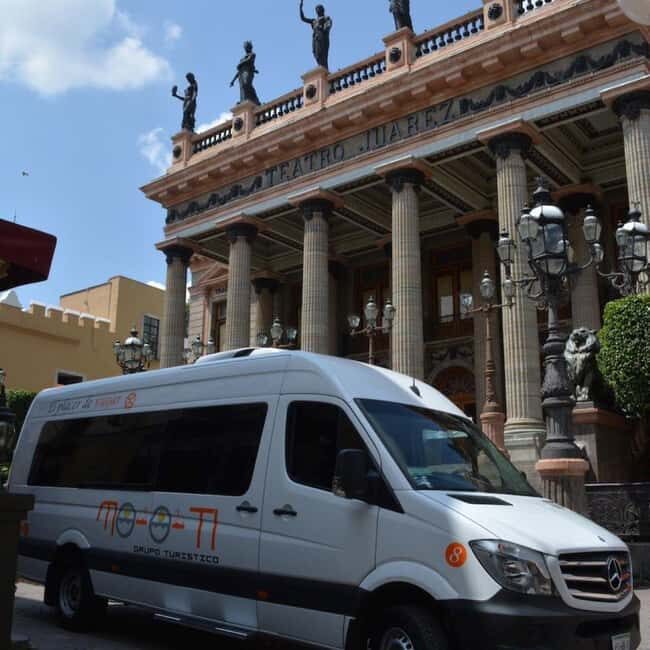
Pickup is optional, centered around the Explanada de la Alhondiga in the Centro area of Guanajuato. If that’s not convenient, pickup is available at a nearby hotel, which is a big deal when you’re balancing shoes, heat, and hill climbs.
Transportation is included, and the vehicle gets top marks. That sounds like a small detail, but in Guanajuato it helps: the city’s tight hills and uneven streets mean you don’t always want to drag your energy around on foot first thing. The transport also helps you arrive at viewpoints and museums without spending your day doing map math.
You also get vehicle traveler insurance and a specialist guide. The insurance line is mostly about peace of mind, but the guide part is what changes the day.
El Pipila Monument: the viewpoint that turns the city into a map
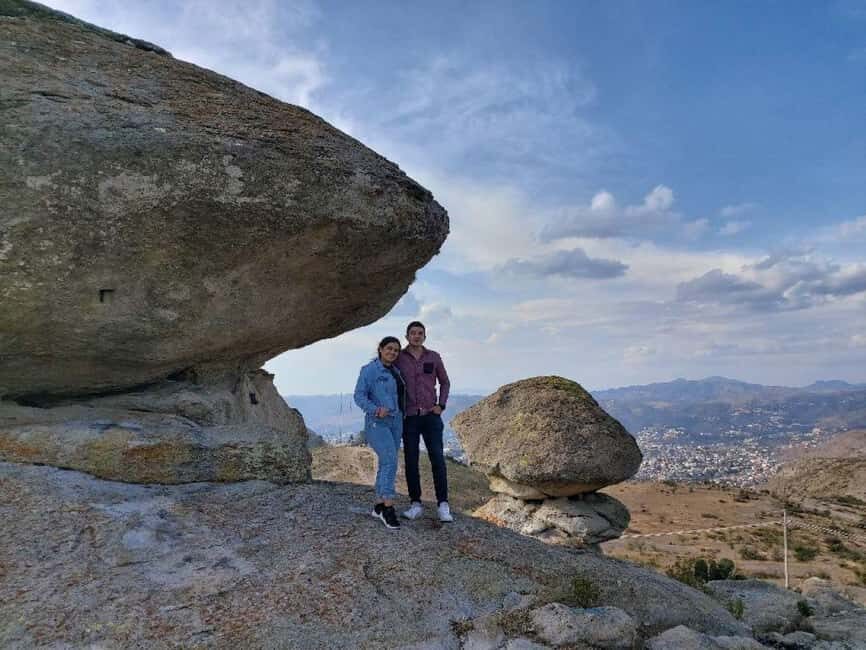
The tour starts with the Pipila Monument, a 20-meter-tall statue of El Pipila built in 1953 from pink sandstone. Even if statues aren’t your thing, this stop is about scale. From up there, Guanajuato stops looking like random streets and starts reading like a city shaped by its geography and its economy.
What I like about this first stop is that it sets expectations. You learn what you’re looking at before you start moving. You also get the historical significance of El Pipila—enough to make the monument feel connected instead of decorative.
Practical note: viewpoints mean you’ll likely feel the sun and the slope. Wear shoes you trust and keep water handy.
Modern tunnels and the underground street: the engineering side of Guanajuato
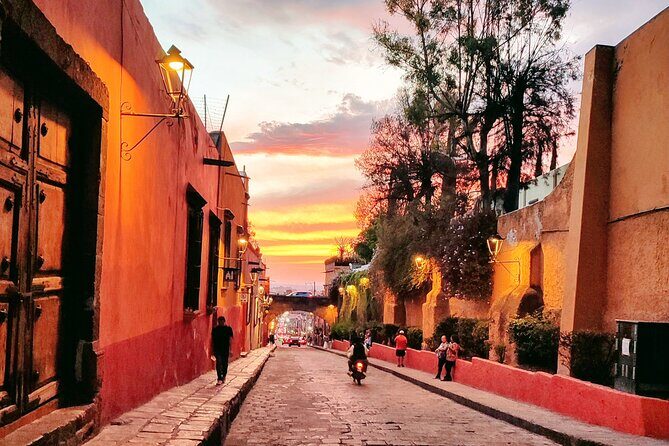
After the viewpoint, the tour drops into a more surprising Guanajuato. You’ll go through modern tunnels that run under the city, giving convenient access and offering a different architectural perspective. Then comes the more cinematic part: the underground street, where Guanajuato’s unusual layout and historical importance come into focus.
This is the part I’d call the “wow, now I get it” segment. Guanajuato’s streets aren’t just quirky streets; they’re part of a city that had to adapt to mines, water, and elevation. When you see the underground connections, it stops being an abstract story and becomes physical reality.
If you don’t like tight indoor spaces, pay attention to how the underground street feels on the day you go—some areas can be cooler and others can feel crowded depending on timing. The tour keeps you moving, though, which usually helps.
Temple of San Cayetano: baroque gold altarpieces and one scheduling risk
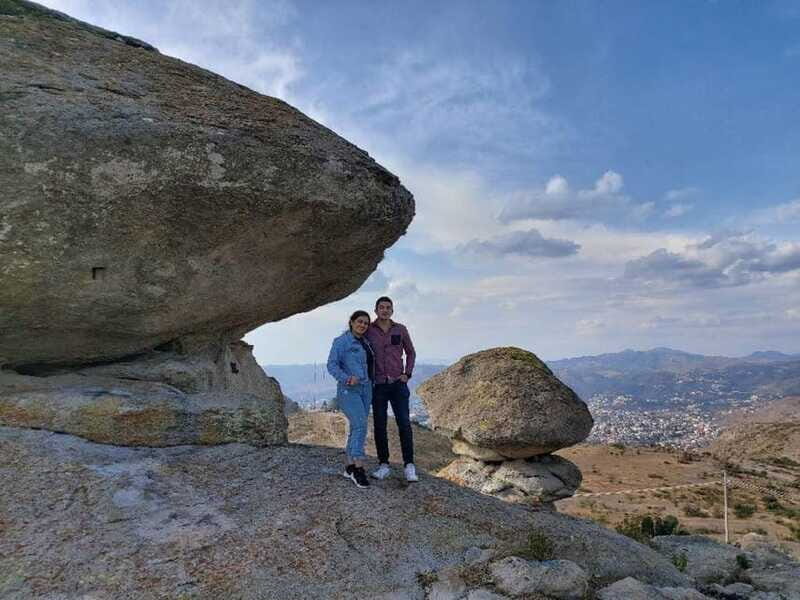
The Temple of San Cayetano is famous for baroque-style architecture and intricate gold altarpieces. This is a religious site, so the atmosphere is different from the mining and museum stops. You’re looking at craftsmanship that was meant to impress and persuade—gold details designed to hold your attention long after the crowds thin out.
There is one consideration. The baroque church stop can be affected by access rules for tour groups. On Sundays, a guide explanation indicated that this temple may be closed to groups, leading to an omission. If your dates land on a Sunday, it’s worth mentally preparing for a plan adjustment. A good guide will handle it calmly, but your day might shift a little.
You can also read our reviews of more private tours in Guanajuato City



Inside a tourist mine: quartz and the real mechanics of wealth
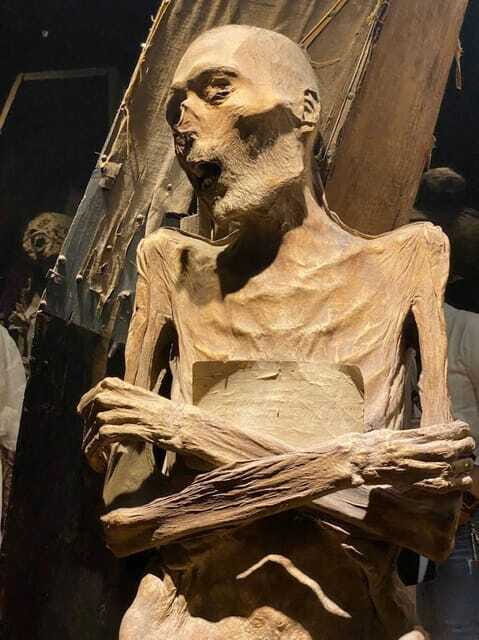
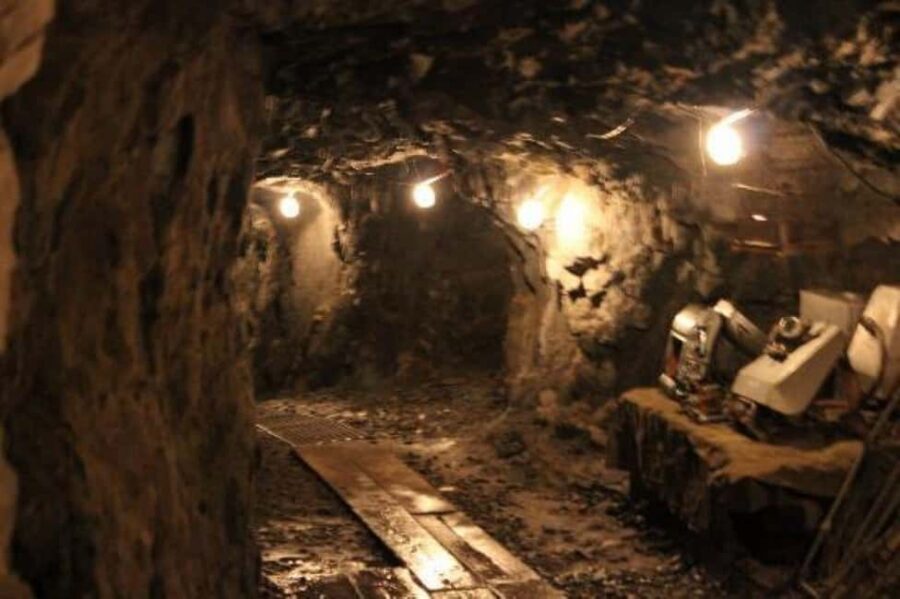
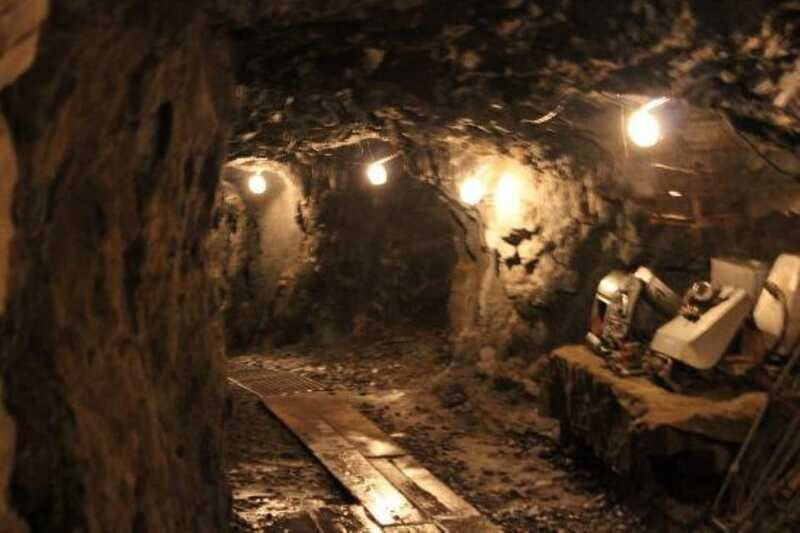
Next is an interior of a tourist mine, where you learn about Guanajuato’s mining history and the extraction of valuable minerals like quartz. This is not just a photo stop. You get explanations that connect why the city grew where it grew and why so much of the cultural landscape carries mining fingerprints.
I like this stop because it anchors the story in everyday realities: labor, extraction, and the resource that drove demand. And it turns the earlier “city shaped by geography” idea into something more concrete.
Mines can involve uneven ground and tighter paths. Wear closed-toe shoes and don’t assume you’ll have the room you’d have in a museum corridor.
The Inquisition Museum: a darker chapter that changes how you read the rest
Then you step into the Inquisition Museum, learning about darker chapters tied to trials and tribulations faced by people accused during Inquisition-era periods. It’s a heavy stop, but it matters because Guanajuato isn’t only church facades and mining wealth. Power and fear were also part of the social machinery.
This is also where having a real guide helps. Without context, it can turn into a list of artifacts and dates. With context, you start seeing the themes that connect to what you just saw in religious art and institutional authority.
If you prefer lighter days, go at your own pace here. You don’t have to race through.
Crafts made with extracted minerals (quartz): what to buy, and what to ask

The tour then moves to crafts made with locally extracted minerals, particularly quartz. This is where your understanding of mining history becomes something you can take home.
If you want to buy, I suggest you ask about what the piece is made from and what the finish involves. Since quartz is the theme, look for clarity on whether the item is carved, polished, or assembled from multiple components. You’ll feel better about the purchase when you understand the material process.
Even if you don’t buy, this stop is a reminder that mining history isn’t only in museums. It becomes design, trade, and family income.
The Mummies Museum: naturally preserved bodies and local burial traditions
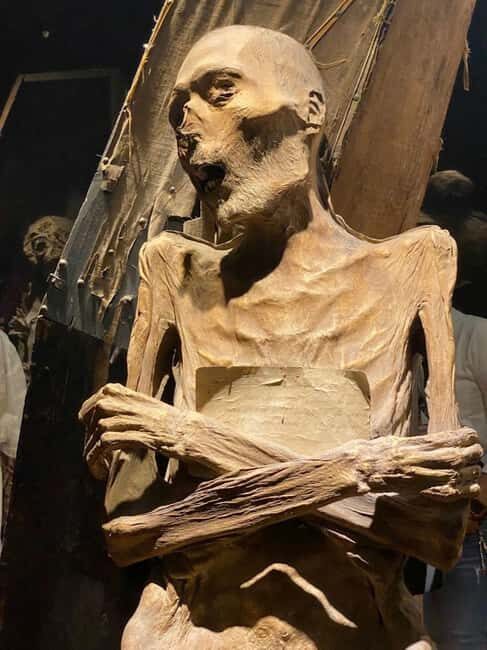
The day finishes at the Mummies Museum, where you see naturally preserved mummies and get a look at unusual burial practices and cultural traditions. This stop is a strong closer because it’s both memorable and specific to Guanajuato’s story.
The key word here is natural preservation. You’re not seeing “stage makeup” history; you’re seeing a scientific and environmental twist that helped bodies last. The result is a museum experience that stays with you.
A practical note: this is a museum-style visit, so plan for indoor time and follow staff guidance. If you’re sensitive to displays, you can still appreciate the context while choosing how long you spend in each area.
What makes the guide factor so important here
Across the experience, one theme shows up: the guide is central. I’m talking about punctuality, clear explanations, and pacing that doesn’t feel like a race.
Guides named Mario and Santiago have been highlighted for personal, detailed history sharing and patient communication. Mario was praised for professionalism and for going out of his way, including making sure someone was safe and even helping with small practical needs like food on the way. That’s the kind of attention that makes a private tour feel less like a script and more like a day plan tailored to your comfort.
There’s also a language reality check: while the live guide can speak Spanish and English, some museum narration inside specific exhibits may run Spanish-only. If Spanish is not your strong suit, it helps to choose the tour time when you can relax and absorb the visuals. A calm, clear guide makes a big difference.
Price and value: when $116 per group makes sense
At $116 per group (up to 4) for about 5 hours, you’re paying for three things: transport, a specialist guide, and a structured route that hits eight major stops. Museums entries are extra, since entry fees aren’t included.
So when does this feel like good value?
- If you want the guide to explain the “why” behind Guanajuato’s layout, religion, and mining.
- If you’re short on time and don’t want to plan transit between scattered sights.
- If you’d rather not buy tickets and coordinate navigation while also climbing hills.
When might it feel pricey?
- If you prefer to wander alone and already know the historical framework.
- If you’re visiting with a group bigger than four (since this is per private group up to that size).
- If you’re the type who hates museum time; the schedule is structured and museum entries add cost.
My take: the cost is reasonable if you care about context and you’re using the whole 5-hour window.
Timing and pacing: how to avoid rushing the important parts
The tour is designed to cover a lot: eight locations in about 4–5 hours. That works best when you treat the stops as “learn and look,” not “read every sign slowly.”
You’ll move from viewpoint to tunnels, to church, to mining, to museums, then back to craft and finally the mummies. It’s efficient. But if you want long pauses in every exhibit, build that expectation into how you experience the day. Ask questions, take photos fast, and save your deeper attention for the stops you care about most—often the mine and the mummies museum.
Who this private Guanajuato tour is best for
This day trip works especially well if you:
- Want a private guide and a more personal pace than group bus tours.
- Like history that connects architecture, industry, and cultural rules.
- Want to see underground features without figuring out routes on your own.
- Are traveling with family or mixed ages (private groups can help nervous kids feel steadier; one guide handled this well with clear Spanish delivery).
It may be less ideal if you:
- Hate museums and prefer outdoors only.
- Have mobility limits that make slopes and indoor transitions hard.
- Expect every stop to be 100% guaranteed on every day of the week (access can change).
Should you book it: my practical decision guide
Book this tour if you want Guanajuato to feel intelligible fast. The route gives you viewpoints, unusual underground structures, mining history, baroque religious art, and two very different museum experiences in one go. The fact that transport and guide service are consistently praised makes it a dependable way to spend a limited day.
Skip or consider alternatives if you’d rather self-navigate, you’re allergic to extra museum fees, or you’re visiting on a Sunday when the baroque church stop may not be available for tour groups. In that case, you still might enjoy the day, but you should expect some flexibility.
FAQ
FAQ
How long is the Guanajuato Culture & History private guided day trip?
It runs about 5 hours, listed as 4–5 hours depending on timing.
What does the $116 price include?
Transportation and a specialist live guide are included, along with vehicle traveler insurance. Museum entry fees are not included.
How many people are in the private group?
It’s a private group for up to 4 people.
Do I need Spanish to enjoy the tour?
No. The live tour guide speaks Spanish and English. Some museum narration may be Spanish-only, so English may not apply inside every exhibit.
Are museum entry fees included?
No. You’ll pay entry fees separately for the museums.
Is pickup offered?
Pickup is optional, with the main pickup point at Explanada de la Alhondiga, Zona Centro in Guanajuato. Nearby hotels may be used as pickup points.
Will I definitely visit the Temple of San Cayetano?
The tour includes it in the plan, but access for tour groups can change. On Sundays, it may be closed to tour groups, depending on local rules.
What are the main stops on the route?
You’ll visit the Pipila Monument viewpoint, modern tunnels, an underground street, the Temple of San Cayetano, a tourist mine interior, the Inquisition Museum, quartz crafts, and the Mummies Museum.
What’s the value of covering eight places in one day?
You get context while you’re seeing Guanajuato’s key sights, without spending your day planning transit between scattered locations.
Is there free cancellation?
Yes, you can cancel up to 24 hours in advance for a full refund.