REVIEW · GUANAJUATO CITY
3-Hour Guided Walking Tour of Guanajuato
Book on Viator →Operated by Mariana Castillo · Bookable on Viator
Guanajuato starts talking fast. This 3-hour guided walking tour of El Centro ties together the city’s mining past, Catholic influence, and famous stories in a way that makes the stones feel alive. I like how the guide points out details you’d miss on your own, from Porfirista-era influence to the way the city’s culture grew around faith and industry.
Two things I really love: first, the small group size (maximum 10) keeps the pace human, with time for questions and photo moments. Second, you’re given practical extras like binoculars and a magnifier, so the architecture isn’t just explained, it’s actually seen up close.
One thing to consider: expect hill walking and some uneven streets, plus two museum stops where admission is not included in the tour price. If you’re sensitive to stairs or slopes, wear good shoes and plan on a slower pace.
In This Review
- Quick highlights you should care about
- Entering Guanajuato by foot: why this route clicks
- Plaza de la Paz: Porfirista and Catholic influence in one stop
- The Alley of the Kiss: a legend tied to class
- Plaza de San Fernando: festival spirit and Cervantino context
- Mercado Hidalgo: typical food and the town’s economic engine
- Alhóndiga de Granaditas: where independence becomes real
- Museo Casa Diego Rivera: a short stop with a big cultural link
- University of Guanajuato: Jesuit education, legends, and architecture
- Included extras: binoculars, magnifier, and the photo bonus
- Price and value: what $48.99 gets you (and what it doesn’t)
- Pacing, terrain, and how to make it comfortable
- A guide-led experience, not a checklist
- Should you book this Guanajuato walking tour?
- FAQ
- How long is the 3-Hour Guided Walking Tour of Guanajuato?
- Where does the tour start and end?
- Is the tour in English?
- What’s the maximum group size?
- Is anything included besides the guide?
- Are museum tickets included in the price?
- What if the weather is bad?
Quick highlights you should care about
- Legends with context at the Alley of the Kiss, not just a spooky story
- Festival energy in Plaza de San Fernando, plus how Cervantino fits in
- Market time at Mercado Hidalgo for typical food and the town’s economic story
- Independence at Alhóndiga de Granaditas, with an emphasis on the first battle
- Diego Rivera and Jesuit learning, both treated as part of Guanajuato’s identity
- Real guide attention, including photography help and pacing that works for the terrain
Entering Guanajuato by foot: why this route clicks
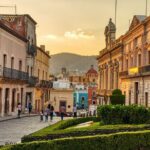
This is a smart way to start a Guanajuato visit because it doesn’t just hit pretty squares. It links the city’s layout to the reasons people settled here in the first place: mining wealth, religion, and political change. You walk through the heart of El Centro where the streets feel like chapters, and the guide keeps you oriented as you climb and turn.
The tour runs about 2 hours 30 minutes to 3 hours, depending on questions and the pace of the group. And you’ll benefit from the small size. With a group that stays under 10, you get more than a lecture. You can ask, point, and adjust as the city reveals itself street by street.
You’ll start at Baratillo, Alameda (36000 Guanajuato, Gto.) and finish near Zona Centro, close to the University of Guanajuato central area (many people end right by the Central Building steps). That ending matters because it’s a natural springboard for the rest of your day—cafés, photos, and more exploring are all right there.
You can also read our reviews of more walking tours in Guanajuato City



Plaza de la Paz: Porfirista and Catholic influence in one stop
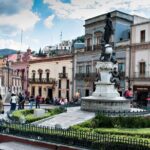
You begin at Plaza de la Paz, where the guide sets up two big threads of Guanajuato. The first is the Porfirista period—how that era left a visible stamp on institutions and public life. The second is the Catholic influence, which shows up not just in churches, but in the rhythm of festivals and community behavior.
This stop works well because it’s a mental warm-up. Before you start climbing into smaller lanes and legend sites, you get a framework for what you’re seeing. If you like history you can map to real streets, this part will feel practical, not abstract.
A small drawback: it’s a plaza stop, so if you’re hoping for dramatic “wow” architecture in every minute, this one is more about context than scenery. Still, it makes the next stops land harder.
The Alley of the Kiss: a legend tied to class
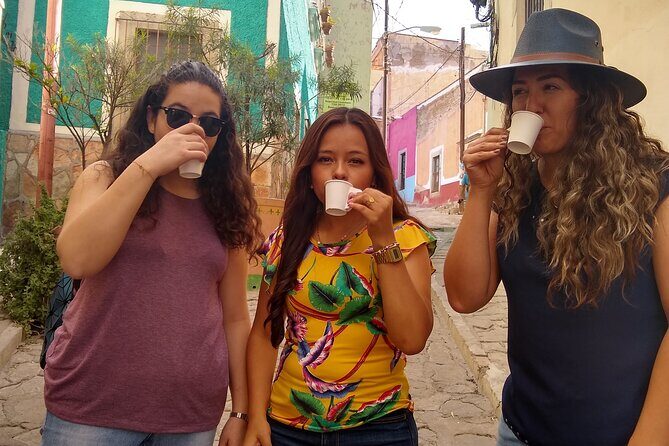
Next comes one of Guanajuato’s best-known stories: the Alley of the Kiss. Here the guide narrates the legend in an entertaining way, but the real value is interpretation. It’s not told as a random romance. The story connects to the colonial-era divide between social classes, and that theme helps you understand why certain streets and building styles feel so intentional.
This is also a fun photo stop because the alley setting naturally frames people and details. If you like taking pictures of old-world corners, you’ll appreciate that the guide keeps an eye on angles and timing.
Consideration: alleys can be busy at times, and the lane is tight. You’ll want patience and space-awareness, especially if your group is taking photos at the same moment.
Plaza de San Fernando: festival spirit and Cervantino context
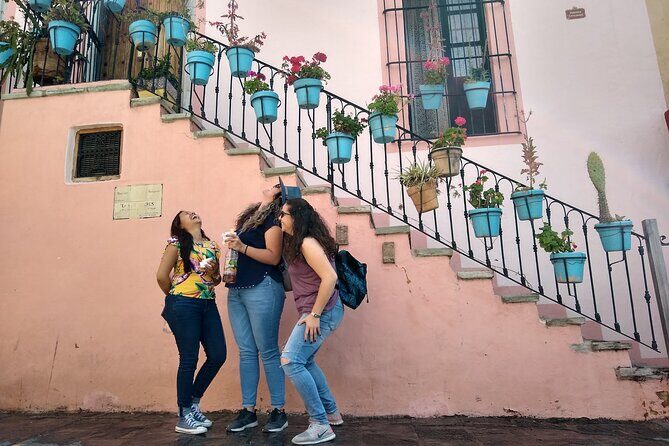
At Plaza de San Fernando, the tour shifts into a more bohemian, lively mood. The guide introduces the “magic and mysticism” tied to a local festival atmosphere, with nearby bars and restaurants shaping the feeling of the area.
Even if you’re visiting outside peak festival dates, this stop helps you understand what makes Guanajuato’s culture tick. You’ll also learn how the Cervantino International Festival connects to local origins, so later if you see posters, costumes, or references around town, you’ll recognize the thread.
Why this works for you: Guanajuato isn’t just museums and murals. It’s people gathering, eating, and celebrating in public spaces. This stop gives you permission to enjoy the city beyond the monuments.
One practical note: plazas are open and exposed. If the weather is hot, you’ll feel it. Bring water and plan on slowing down when the sun hits.
Mercado Hidalgo: typical food and the town’s economic engine
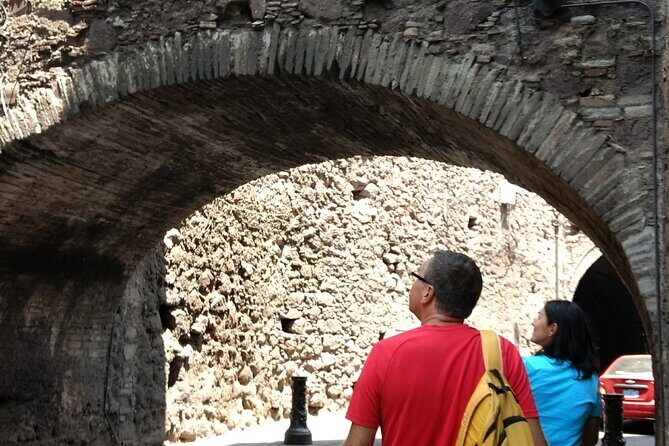
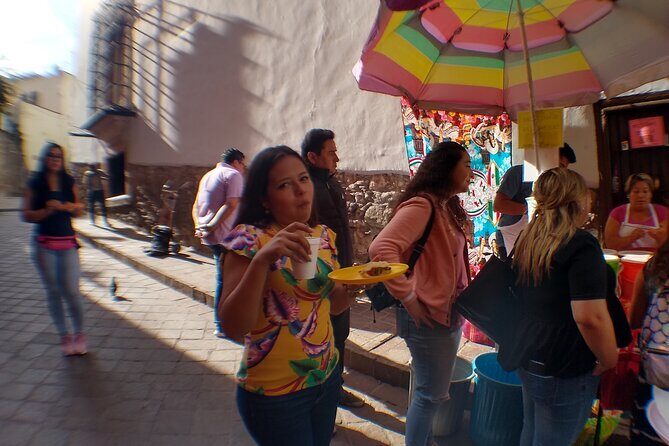
Mercado Hidalgo is where the tour becomes deliciously grounded. You’ll discover typical food of Guanajuato and also hear the story behind a monument tied to commemoration and the local economy.
This stop is valuable because it connects “why Guanajuato exists” to what locals eat and how they live. Mining created wealth, but it also created patterns—labor, markets, and community infrastructure. The guide links those ideas to what you see in and around the market.
If you have a sweet tooth, keep your timing flexible. Many guides in Guanajuato are quick with recommendations, and this one uses the walk as a launchpad for where to eat afterward. (In the same spirit, I love that the guide’s suggestions often go beyond the obvious.)
Drawback: food costs here are on you. Lunch and additional beverages are not included, so set aside budget for snacks or a meal if you want to eat while you’re out.
You can also read our reviews of more guided tours in Guanajuato City

Alhóndiga de Granaditas: where independence becomes real
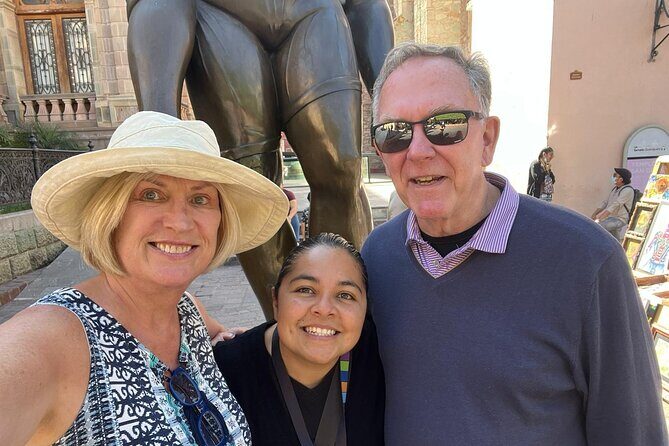
The tour’s weighty moment lands at the Museo Regional de Guanajuato Alhóndiga de Granaditas. This is one of the deepest stops because it focuses on the beginning of Mexico’s fight for independence, including the first battle involving Spanish forces. The guide also encourages reflection on the origin of the movement, and the tone includes open dialogue rather than one-way talking.
You’ll also connect Guanajuato’s role to the global economic impact of mining during that era. That matters because it explains why this city wasn’t just a random stop on a map. It was a key economic engine, and that makes the politics feel less distant.
A practical consideration: museum admission here is not included. You should expect to pay entry separately. It’s still worth planning for, but it changes the “all-in” cost versus the first part of the tour, where most stops are free.
Museo Casa Diego Rivera: a short stop with a big cultural link
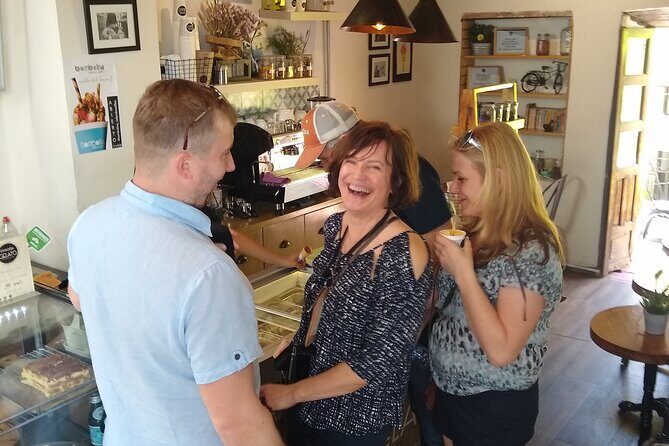
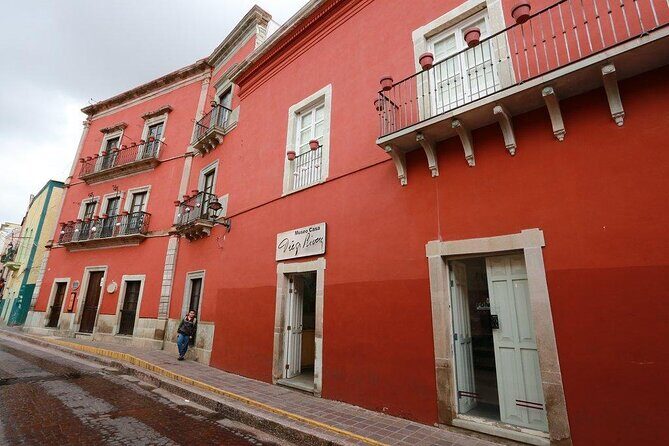
Then you head to Museo Casa Diego Rivera. This stop is shorter (about 10 minutes), but the guide uses that time to connect Diego Rivera’s involvement in historical events with his place in contemporary Mexican art and the post-revolutionary educational system.
What I like about this kind of stop is efficiency. You’re not asked to spend hours inside. Instead, you get a guided “why this matters” briefing that you can carry into future art museums and even everyday street details.
Consideration: again, museum admission is not included, so plan for that cost. Also, if you’re a serious Rivera fan, you might want extra solo time afterward.
University of Guanajuato: Jesuit education, legends, and architecture
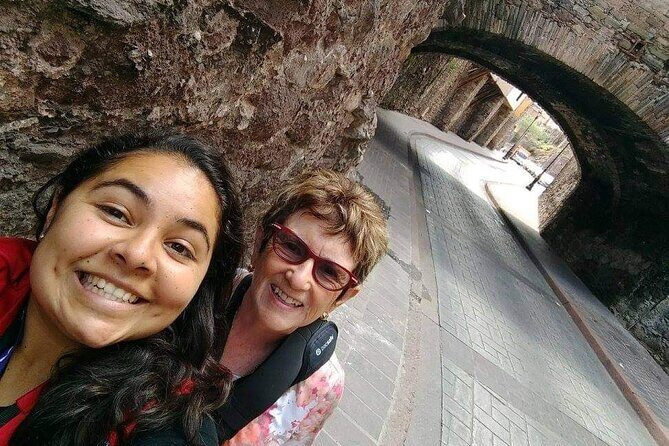
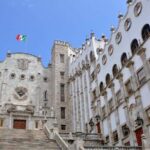
You finish at University of Guanajuato, where the guide shares legends and events tied to the Jesuit education of the city. You’ll also learn about traditions connected to the student body and get an interpretation of the site’s architecture.
This ending makes the whole tour feel connected. You started with plazas and religion, then moved through legends, markets, independence, and art. Ending with a university is a smart way to show how learning and ideas shaped Guanajuato’s long-term identity.
This is also where your route naturally makes sense for photos, especially around the Central Building area. If you like taking architectural pictures, aim to linger a bit after the tour ends.
Included extras: binoculars, magnifier, and the photo bonus
The tour includes some small tools that make a real difference: binoculars, a magnifier, and an album. That’s not just a gimmick. It encourages you to look closely at textures, facades, and details the guide calls out.
You’ll also get discounts on other tours and activities. That matters if you’re doing more than one thing during your Guanajuato stay, since it can help you build a full itinerary without overpaying.
One more thing I picked up from guide behavior in these walks: the guide often helps with photography. People mention great photos from the experience, and I can see why. When the guide knows which angles matter, your pictures improve without you needing to be a pro.
Price and value: what $48.99 gets you (and what it doesn’t)
At $48.99 per person, you’re paying for three things: a guided narrative, a route that hits key neighborhoods efficiently, and access to the guide’s ability to connect sites to meanings.
The value rises because the tour is priced like a “city orientation” experience, not like a single attraction visit. You go through multiple free stops (plazas and legend areas) and only a couple of paid museum entries. That usually means your spending is predictable: you know you’ll add museum admissions, but you’re not paying admission over and over.
What the price does not cover is lunch and additional food and beverages, plus museum tickets for the Alhóndiga de Granaditas and Casa Diego Rivera. If you keep your expectations straight, the budget feels fair.
Also, the tour’s maximum group size helps your value. In a big crowd, a walking tour becomes a shuffle. Here, you’re more likely to actually hear the story and get answers.
Pacing, terrain, and how to make it comfortable
Guanajuato has hills, and this route uses them. Reviews and the walking rhythm point to hill climbing and some uneven steps. If you have moderate mobility concerns, don’t try to “push through” with stiff legs. Bring water, pace yourself, and lean on the fact that the guide can slow down.
A helpful detail from experience: the walk includes periodic stops for breaks like drinks/snacks and bathroom time. That makes a big difference on a half-day tour where you still want energy for the rest of your plans.
If you’re sensitive to high elevation, take it easy at the start. Short climbs feel easier after you warm up. You’ll enjoy the tour more when you aren’t trying to conquer the city.
A guide-led experience, not a checklist
One reason this tour earns top marks is the guide attention. People describe guides like Mariana Castillo as engaging and fun, with strong English. Others mention guides such as Frida, also praised for personality and storytelling.
The best guides do two things: they teach facts, and they adjust to you. Here you’ll see that kind of flexibility. For example, one account notes that when someone mentioned being a musician, the guide arranged tickets for an orchestra concert at Teatro Juárez that evening, plus recommendations for dining and ice cream. That’s not required, but it shows how the tour can serve as a smart start to your trip rather than a closed session.
If you like a tour that helps you plan your next hours, this fits.
Should you book this Guanajuato walking tour?
Yes, if you want a fast, story-driven way to understand El Centro. This is especially good on your first visit because it connects mining, religion, legend, markets, and independence in a route you can remember.
I’d skip or reconsider if you hate museum stops and don’t want extra ticket costs, or if you struggle with hills and stairs. You can still enjoy Guanajuato, but this specific walk is built for people who don’t mind steady movement.
If you book, do this:
- Wear comfortable walking shoes with grip.
- Bring water and plan for breaks.
- Budget a little extra for museum admissions and snacks.
- Come with one question you want answered about Guanajuato’s past or culture.
FAQ
How long is the 3-Hour Guided Walking Tour of Guanajuato?
It runs about 2 hours 30 minutes to 3 hours.
Where does the tour start and end?
The start is Baratillo, Alameda, 36000 Guanajuato, Gto., Mexico. The end is C. Pedro Lascurain de Retana 3, Zona Centro, 36000 Guanajuato, Gto., Mexico.
Is the tour in English?
Yes. It is offered in English.
What’s the maximum group size?
This tour has a maximum of 10 travelers.
Is anything included besides the guide?
Yes. You get binoculars, a magnifier, and an album, and there are discounts on other tours and activities.
Are museum tickets included in the price?
Not all admissions are included. The tour notes admission not included for the Museo Regional de Guanajuato Alhóndiga de Granaditas and the Museo Casa Diego Rivera.
What if the weather is bad?
This experience requires good weather. If it’s canceled due to poor weather, you’ll be offered a different date or a full refund.