REVIEW · PUEBLA
From Puebla: Hiking in the Iztaccíhuatl all included
Book on GetYourGuide →Operated by Unlimited Experiences Puebla · Bookable on GetYourGuide
This is a hike with real altitude drama.
From the moment you leave Puebla, you’re headed for Iztaccíhuatl-Popocatépetl National Park and a route that follows the historic Paso de Cortés pass. The day mixes serious mountain walking at 3,500m with stop-and-learn moments about the area’s geology, plus views that make even experienced hikers slow down and look around.
I especially like the guided pacing and encouragement. You’ll hike with a professional bilingual guide (English/Spanish) who sets a steady pace, keeps you moving safely, and explains what you’re seeing as you climb from pine forests into higher meadows.
One thing to consider: your best volcano view depends on weather. If clouds roll in, you may not get the crisp look at Popocatépetl that you were hoping for, even though the hike itself stays challenging and rewarding.
In This Review
- Key highlights at a glance
- Why this Paso de Cortés hike from Puebla feels like a mountain mission
- Getting to the national park: pickup, timing, and comfort vs. rough roads
- The 7-hour trek: 14 km round trip from park entry to La Joya
- What La Joya delivers—and how clouds can change the day
- Flora, geology, and the stuff your guide will point out on the trail
- Gear and safety: what’s included, and what you must bring yourself
- Pace, motivation, and why bilingual guiding is more than translation
- Price and value: is $110 worth it for this kind of altitude hike?
- Who should book this hike—and who should skip it
- Should you book this Iztaccíhuatl hike from Puebla?
- FAQ
- How long is the hike day from Puebla?
- How far do you hike and where do you go?
- What altitude should I expect?
- What languages are the guides?
- Is lunch included?
- What’s included for safety gear and monitoring?
- Is the park open every day?
Key highlights at a glance
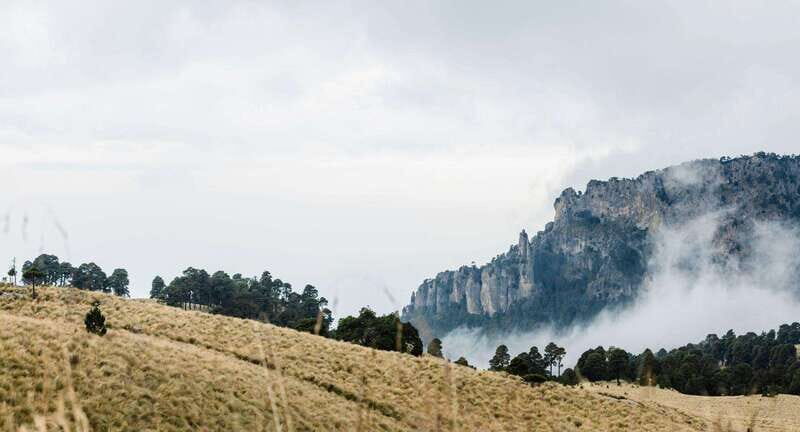
- Paso de Cortés route: a historic 14 km round-trip trek
- High-altitude walking: start around 3,500m and reach La Joya at 3,900m
- Guide support all the way: steady pacing plus motivation and context on plants, wildlife, and geology
- Altitude safety kit: first-aid kit and an oximeter, plus adventure insurance
- Safety gear included: trekking poles and a helmet
- Bilingual, English and Spanish: easier if you want explanations, not just directions
Why this Paso de Cortés hike from Puebla feels like a mountain mission
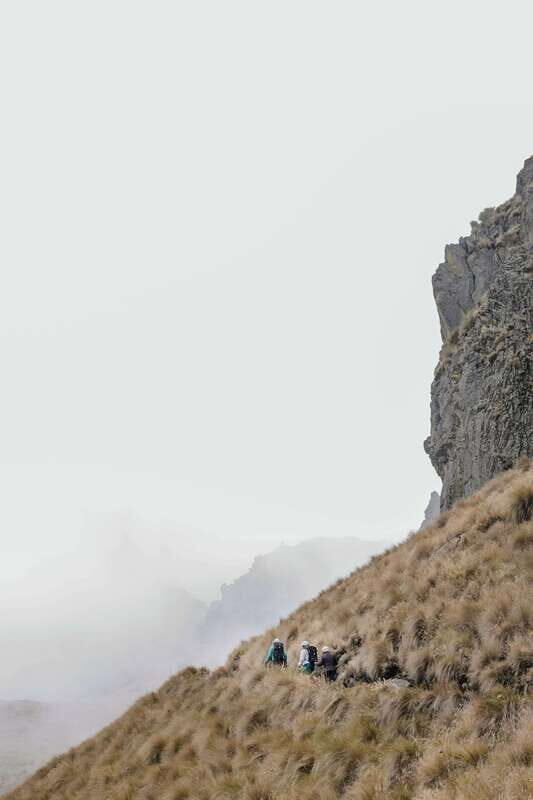
This is one of those Puebla day trips that doesn’t feel like a casual outing. The vibe is “show up ready,” because the altitude and the uneven footing demand effort from the start.
You’ll walk a historic pass named after Hernán Cortés, which adds a layer beyond scenery. As you climb, your guide talks about endemic flora and fauna, plus the volcanic setting around the Valley of Mexico. It’s not just walking for walking’s sake—you’re learning as you go.
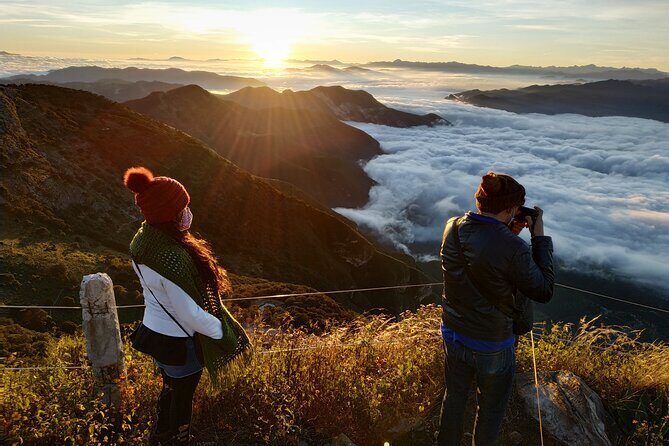
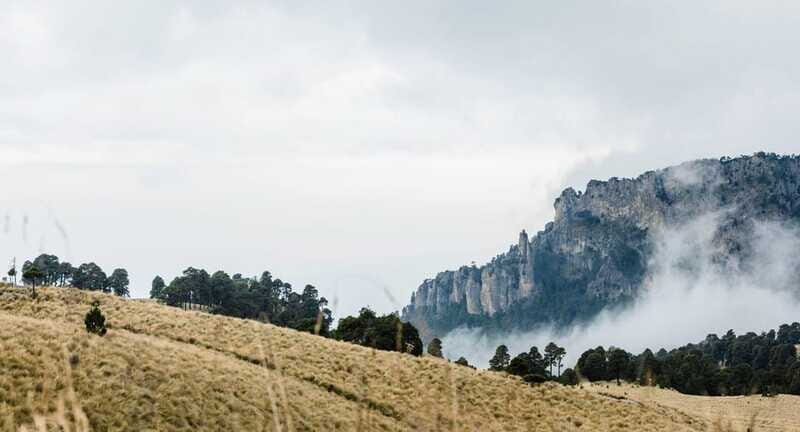
And then you get the payoffs. The route is designed around the dramatic viewpoint at La Joya (3,900m), with the potential for sweeping views toward both Iztaccíhuatl and the active Popocatépetl. Even on less-than-perfect days, the high-elevation air and the constant change in terrain make it feel like an “event,” not a stroll.
You can also read our reviews of more hiking tours in Puebla
Getting to the national park: pickup, timing, and comfort vs. rough roads
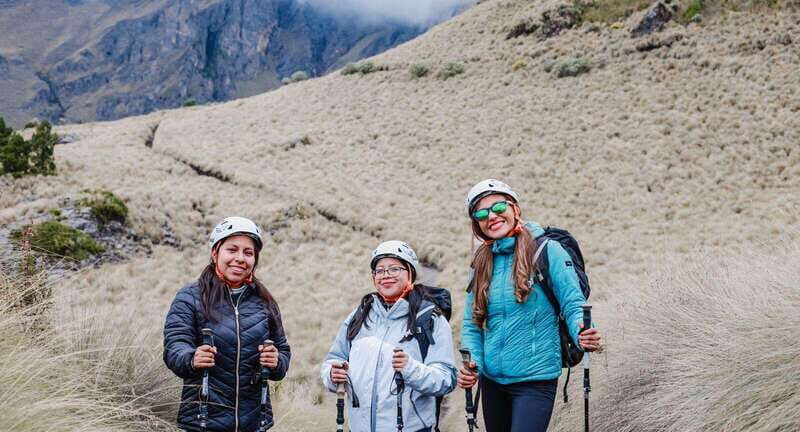
The day begins with pickup in Puebla city center. You’ll meet your guide at your hotel lobby if you choose optional pickup, then head out to the Iztaccíhuatl-Popocatépetl National Park area in a comfortable vehicle.
This is a long day—plan on about 11 hours total—so you’ll want to treat the ride like part of the adventure. One thing I’d flag: mountain-road conditions can be bumpy, so if you’re sensitive to road shock, consider bringing something for comfort (light snack, water, and maybe a hoodie you can wear or stash).
The park side of the day starts when you register at the checkpoint. That matters, because it keeps the walk organized and sets you up to start the trail with a clear plan and proper timing.
The 7-hour trek: 14 km round trip from park entry to La Joya
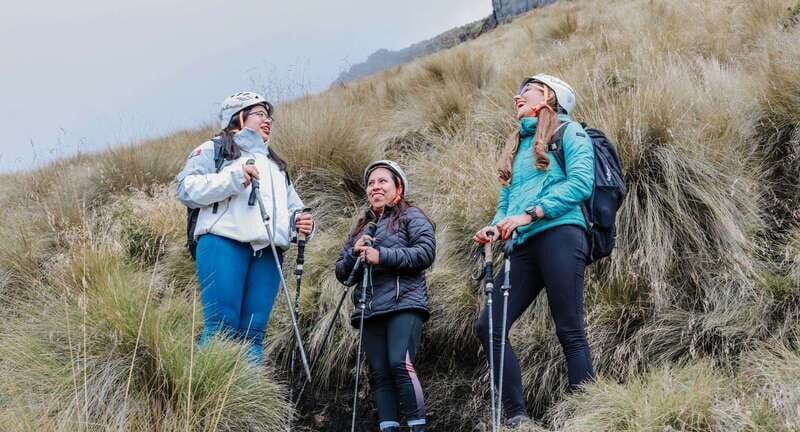
Inside the park, the guided hike portion runs about 7 hours, and the total walking distance is 14 km round trip. The goal is reaching La Joya at 3,900m, after climbing from roughly 3,500m.
What makes this trek feel good (even when it’s hard) is the variety. You move through pine forests, then higher and more open areas where the air feels thinner and the views start showing themselves in larger slices. At elevation, even short rests feel different—your body notices the altitude, and you’ll understand quickly why the tour includes altitude monitoring tools.
Your guide’s job is more than storytelling. Expect a supportive, practical rhythm: slower where the terrain steepens, breaks when you need them, and frequent chances to stop for photos. You’re also not racing to the top; you’ll have time to rest, take pictures, and soak in the panorama before you start back down.
Along the way, the names and the history behind Paso de Cortés aren’t just trivia. You can feel that you’re walking a corridor used to move through difficult mountain terrain. It gives the hike a sense of direction and meaning beyond the climb itself.
What La Joya delivers—and how clouds can change the day
La Joya is the checkpoint where the hike turns into a viewpoint experience. At 3,900m, you’re high enough to see far, and the day’s big visual moments are aimed at that summit-area panorama.
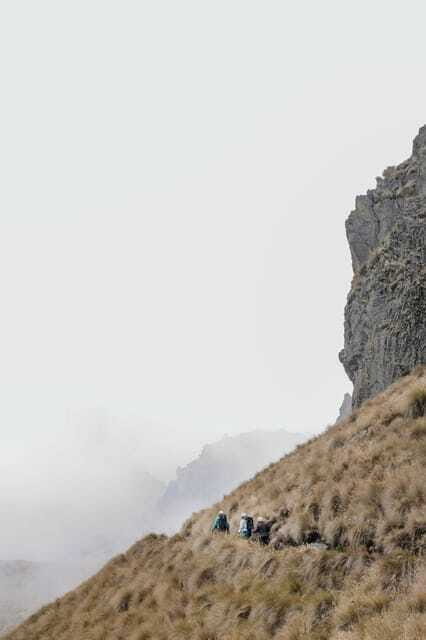
Here’s the reality check: visibility depends on the day. If it’s cloudy, you might lose the sharp volcanic outlines you were chasing. That said, the elevation still does its job. The mountains still loom, the air still feels intense, and the surrounding peaks and valleys still give you that “I’m really up here” feeling.
If you care about photos of Popocatépetl specifically, give yourself a little patience with the weather. This hike is worth doing even if the volcano view isn’t perfectly clear, because the walk itself has enough variety and altitude “stickiness” to carry the day.
Flora, geology, and the stuff your guide will point out on the trail
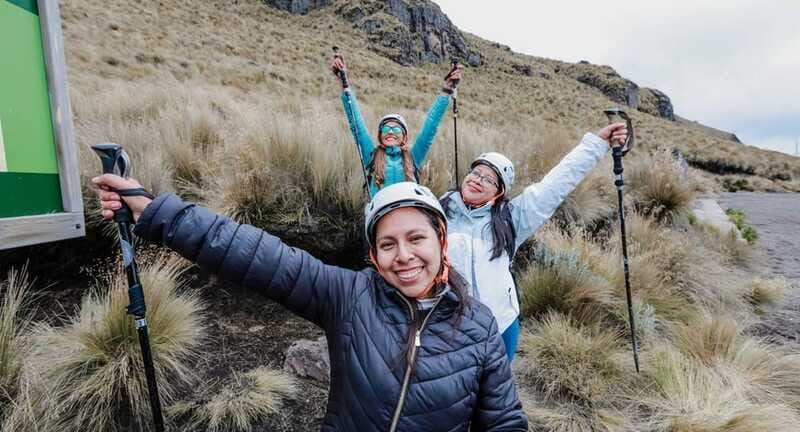
One of the best parts of this tour is that the guide doesn’t just count steps. You’ll get explanations about the region’s geology and biodiversity, including talk about endemic plants and wildlife you might not notice on your own.
You also learn how the volcanic environment shapes what you see. At this elevation, the vegetation patterns change quickly, and the guide helps you understand why. It turns the hike into a moving science lesson—short, practical, and tied to what’s right in front of you.
Guide names that come up on past departures include people like Hiram, Arron, Ariel, Pablo and Olivia, Juan Pablo, and drivers like Eduardo. Even when guides differ in style, the common thread is clear: they help you feel like you belong on a high-mountain trail.




Gear and safety: what’s included, and what you must bring yourself
Safety on a high-altitude hike is not optional. This one includes several elements I really like on paper and that make the day feel more controlled on the ground.
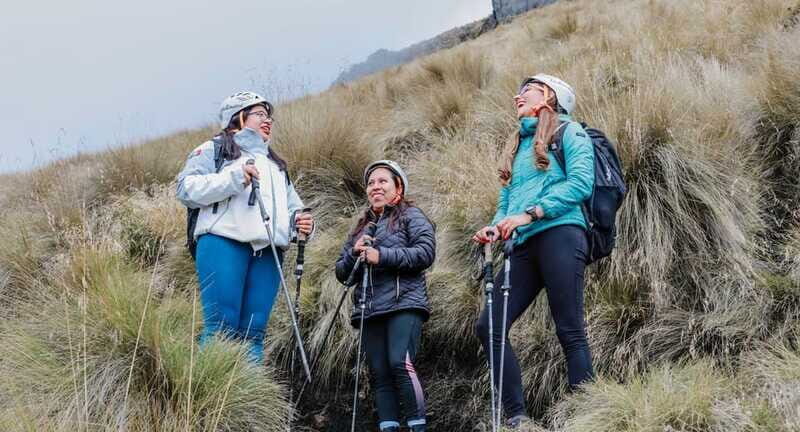
You get trekking poles and a helmet, plus a first-aid kit and an oximeter for altitude monitoring. There’s also adventure insurance, which matters when you’re far from easy help.
Still, you do need to show up with the right basics. Bring:
- Food and drinks
- Water
- Waterproof shoes
And don’t show up in the wrong footwear. Hiking boots are required. Tennis shoes aren’t suitable for this terrain, and the rules specifically say you should avoid jeans and sports shoes.
I’ll be blunt: packing the right shoes is the difference between enjoying the hike and spending hours wondering why your feet feel miserable. Go for comfortable, broken-in hiking boots with good grip, and make sure they handle wet spots and cold air.
Pace, motivation, and why bilingual guiding is more than translation
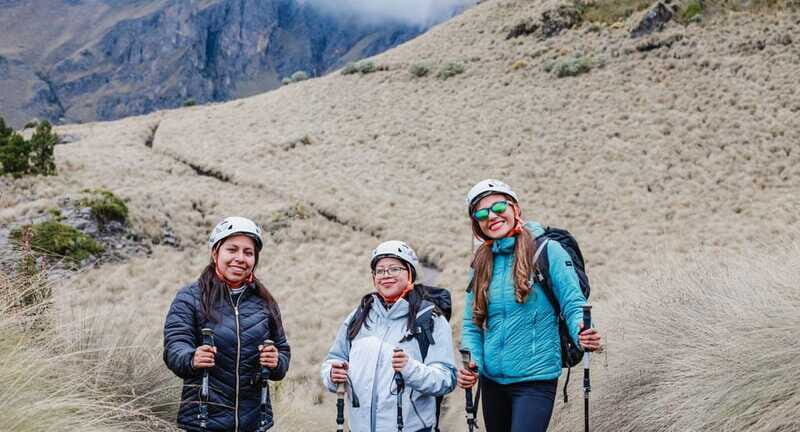
The tour is led by a professional bilingual guide in English and Spanish, and that changes the whole experience. You’re not just hearing instructions. You’re learning what the route means and why the guide wants you to pace a certain way.
The hiking part includes guided ascent & motivation, with the guide setting pace and staying supportive. On a trek like this, that matters because altitude fatigue can creep in fast, and motivation is often the difference between pushing hard and pushing smart.
Some departures have guides described as friendly and easygoing, like Arron and Juan Pablo, while others include strong English with deep background explanations, like Hiram. Different personalities, same core idea: you walk with a plan and feel looked after without being treated like a fragile tourist.
Price and value: is $110 worth it for this kind of altitude hike?
At $110 per person, the price lands in the range where you should ask: what’s truly included?
Here’s what you get in that base value:
- Puebla hotel pickup and drop-off
- Round-trip transportation by vehicle
- Park entrance fees and registration
- A professional bilingual guide
- Trekking poles and helmet
- First-aid kit plus an oximeter
- Adventure insurance
- Guided hike along Paso de Cortés (14 km round trip)
- Access to La Joya viewpoints
That’s a lot of logistics and safety components rolled into one price. The biggest thing not included is lunch, so factor in your meal plan.
A practical note from real-world experience: one solo traveler felt food add-ons were expensive for what was offered, and that’s exactly the kind of cost you can avoid by packing your own lunch and snacks. Bring enough calories and water so you’re not forced into overpriced convenience at elevation.
Also, if you’re booking on your own, watch for final-price details. A past booking included a last-minute single person supplement that caused stress. You can reduce that risk by checking the final checkout total carefully before you confirm.
Who should book this hike—and who should skip it
This is for people who want a serious day of hiking and can handle altitude. It’s not a casual nature walk.
This tour is not suitable for:
- Children under 13
- People with back problems
- People with mobility impairments
- People with heart problems
- People with respiratory issues
If you have any medical uncertainty, take it seriously. The altitude alone—starting around 3,500m and going to 3,900m—puts extra demand on your body.
Who will love it:
- Active adults who enjoy long climbs on uneven terrain
- Hikers comfortable walking about 14 km in the mountains
- People who want guide-led explanations about volcano country, not just views
And one more scheduling reality: the park is closed on Mondays. If you’re planning around a specific date, build your itinerary so you’re not stuck.
Should you book this Iztaccíhuatl hike from Puebla?
Book it if you want:
- A structured, guide-led hike with real altitude
- Safety and monitoring support built into the day
- A route that mixes forest, high meadows, and viewpoint payoff at La Joya
Skip it if:
- You can’t manage altitude or prolonged walking
- You’re dealing with back, heart, respiratory, or mobility concerns
- You want an easy day with guaranteed volcano clarity (weather can blur the Popocatépetl views)
If you do book, pack like a mountaineer. Get proper hiking boots, bring your own food and water, and dress for cold air changes as you climb. Do that, and this turns into one of those Puebla-to-mountains days you remember for the rest of the trip.
FAQ
How long is the hike day from Puebla?
The full experience runs about 11 hours, with roughly 7 hours guided inside the national park.
How far do you hike and where do you go?
You hike a total of 14 km round trip along the Paso de Cortés route, aiming to reach La Joya at 3,900m.
What altitude should I expect?
You start around 3,500m and reach 3,900m at La Joya. The route is within the Iztaccíhuatl-Popocatépetl National Park area.
What languages are the guides?
The guide speaks both English and Spanish.
Is lunch included?
No. Lunch is not included, so you’ll want to bring food and drinks.
What’s included for safety gear and monitoring?
You’ll get trekking poles and a helmet, plus a first-aid kit and an oximeter for altitude monitoring, along with adventure insurance.
Is the park open every day?
No. The Iztaccíhuatl-Popocatépetl National Park is closed on Mondays.