REVIEW · CUERNAVACA
Cuernavaca: Museo Robert Brady Entrance Tickets
Book on GetYourGuide →Operated by Museo Robert Brady · Bookable on GetYourGuide
A museum inside a real old convent house.
This visit is interesting because you’re not walking through a purpose-built gallery. You’re touring the Robert Brady House Museum, a home created from a section of a 16th-century Franciscan convent behind the Cuernavaca Cathedral, where American collector Robert Brady lived for more than two decades. I love the way the house itself feels like part of the collection, and I also love the scale: 1,300+ pieces spanning Mexican colonial furniture, pre-Hispanic figures, and art that stretches across Africa, the Americas, Oceania, India, and the Far East.
One practical snag: no parking available.
So if you’re driving, plan on dropping people off and walking, or arranging another way to get there.
In This Review
- Key things that make this ticket worth your time
- Museo Robert Brady: a real house that became a gallery
- Where to go in Cuernavaca: behind the cathedral, inside Casa de la Torre
- The Brady idea: turn one man’s home into an art map
- What’s inside: 1,300+ works across Mexican colonial and world art
- Following the highlights: Tamayo, Frida Kahlo, and the modern art layer
- How the visit flows: a self-guided route in a house
- House rules that matter more than you think
- Parking and getting there: plan for the walk
- A realistic time plan for a 1-day visit
- The onsite coffee question: hot chocolate is not the star
- Pricing and value: why $3.81 feels like a bargain
- Who this is best for
- Should you book Museo Robert Brady tickets?
- FAQ
- FAQ
- Where is Museo Robert Brady located?
- What does the ticket include?
- Is a guided tour included?
- Can I re-enter after I leave?
- How much are the tickets?
- What is not allowed inside the museum?
- Is parking available?
- FAQ
- Is wheelchair accessibility available?
Key things that make this ticket worth your time
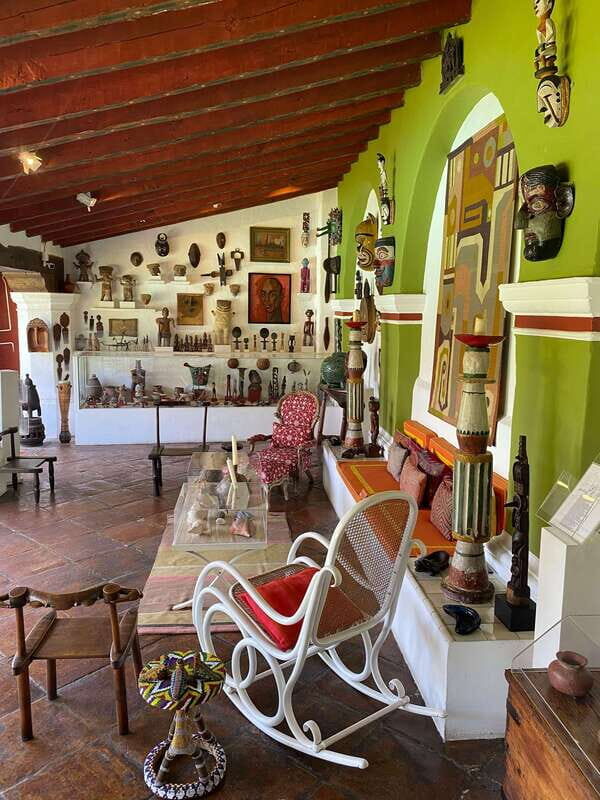
- A house-museum setting: the art is staged inside a home carved from a Franciscan convent section
- Robert Brady’s collected world: pieces gathered during his long life of collecting and travel
- Big range, not a single theme: Mexican colonial and pre-Hispanic items side by side with global art
- A star-studded artist lineup: Rufino Tamayo, Frida Kahlo, Maurice Prendergast, and more
- No guided tour included: you get to move at your own pace through 1,300+ works
Museo Robert Brady: a real house that became a gallery
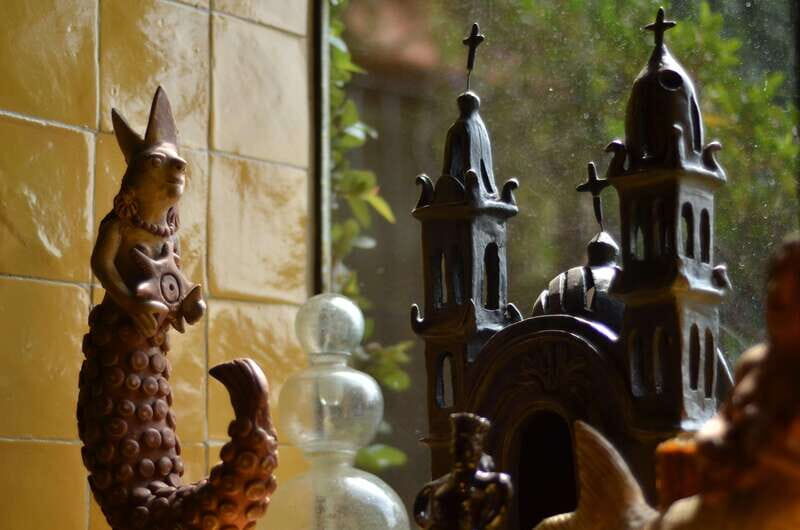
Cuernavaca has plenty of things to see, but the Robert Brady House Museum plays in a different league. Instead of feeling like a warehouse of artworks, the place feels like you’re stepping into a collector’s life—one where the walls, rooms, and corners all matter.
What makes it especially good value is that the ticket gets you access to a lot: more than 1,300 pieces. That number isn’t just marketing. When you’re looking at thousands of years of art influences and then switching from Mexican colonial to works tied to Africa, the Americas, or Asia, you start to understand why Brady’s house worked as a meeting place for artists and thinkers.
You can also read our reviews of more tours and experiences in Cuernavaca.
Where to go in Cuernavaca: behind the cathedral, inside Casa de la Torre
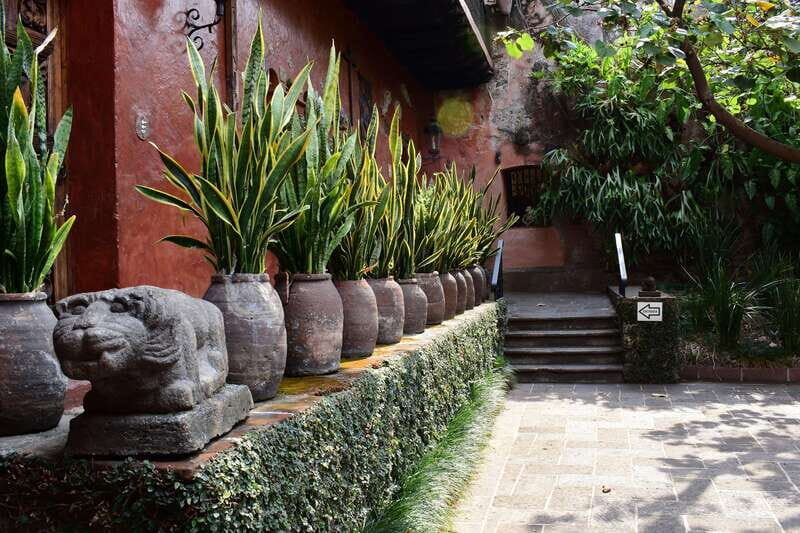
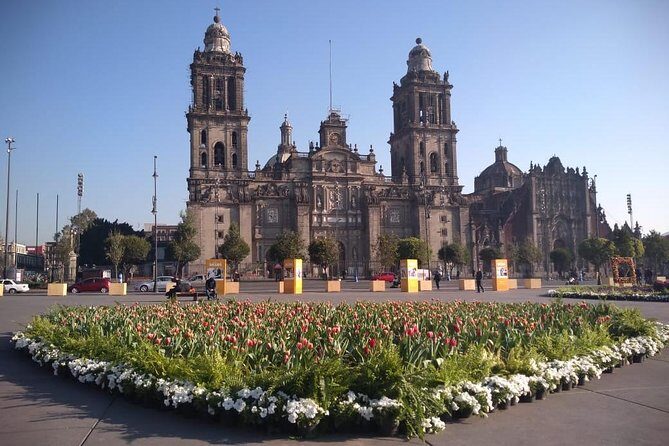
You’ll find the museum behind the Cuernavaca Cathedral, in the Casa de la Torre. The location is a major part of the experience because it ties the house-museum directly to the older religious complex that shaped the area.
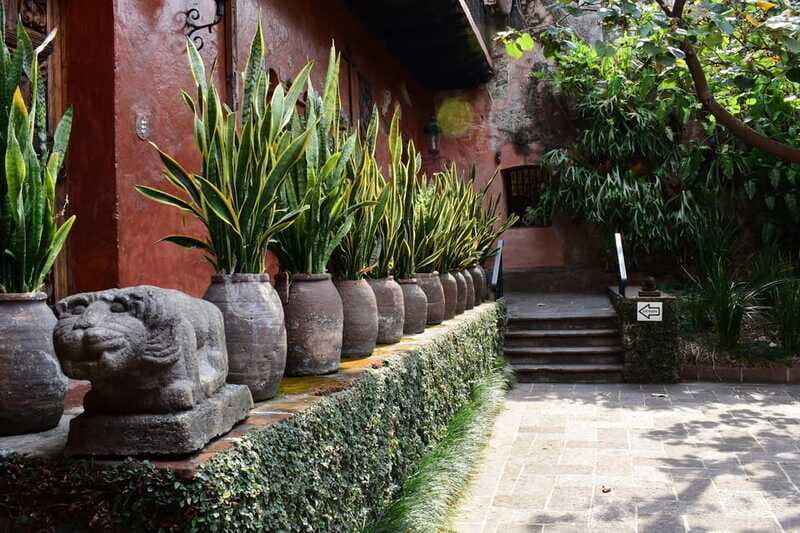
The museum’s home base is also worth noting: this isn’t a one-room display. The museum is housed in part of a 16th-century Franciscan convent section, which means the building’s bones are part of the story. Even if you’re not a big architecture person, the setting helps you read the art differently—less like objects in glass, more like parts of a personal worldview.
The Brady idea: turn one man’s home into an art map
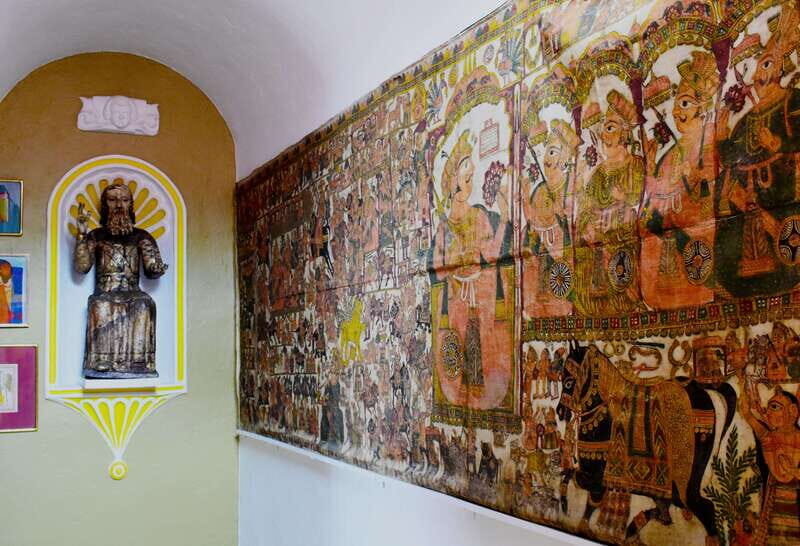
Robert Brady was an American artist and collector (1928–1986), and his life is at the core of what you’re seeing. He lived in this house for more than two decades, traveled to build his collection, and then left behind a space designed so others could experience it.
That matters for your visit because the museum doesn’t feel like it’s trying to force you into a single message. Brady’s rooms were carefully designed, and the result is that the collection feels organized by vision, not just by curator labels. The house is basically the curator, guiding your route as you move from room to room.
And there’s another layer: Brady’s home became a meeting place for cultural names such as Josephine Baker, Rufino Tamayo, Octavio Paz, Peggy Guggenheim, and Tamara de Lempicka. You don’t need to memorize names to enjoy that fact, but it does add weight. It explains why the display feels like more than a storage unit for masterpieces.
What’s inside: 1,300+ works across Mexican colonial and world art
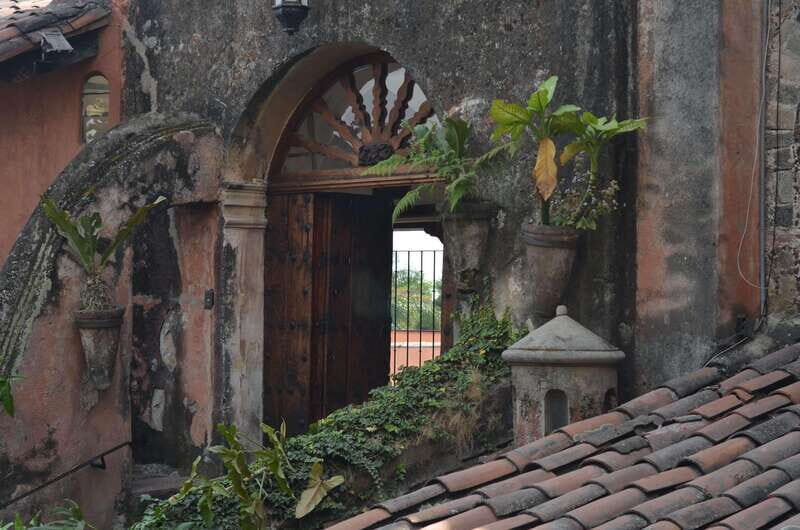
Your ticket covers entry to the full museum collection, which is described as more than 1,300 pieces. The range is wide enough that you can shape your own experience—if you like Mexican history, you’ll have plenty. If you’re more into global modern art, you’ll also find enough to keep you busy.
Here’s the breadth of what you should expect to see:
- Mexican colonial furniture and objects that reflect earlier craftsmanship
- pre-Hispanic figures that connect the region to older artistic traditions
- art from Africa, the Americas, Oceania, India, and the Far East
I like that this mix doesn’t feel like a checklist. It helps you notice patterns—how artists and collectors connected cultures through style, materials, symbolism, and subject. Even if you don’t know the backstory behind every piece, the contrast still teaches you something about how art travels.
Following the highlights: Tamayo, Frida Kahlo, and the modern art layer
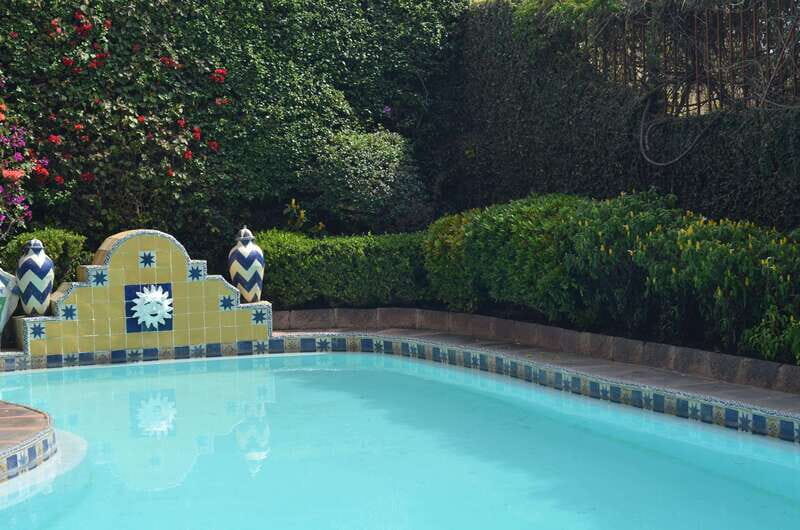
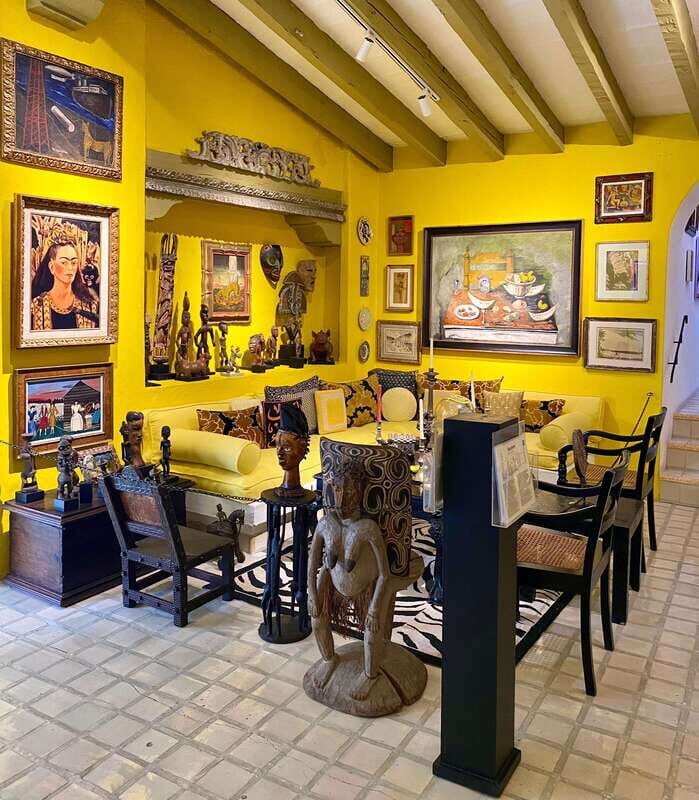
One reason the museum stands out is the list of artists linked to Brady’s collection. You’ll see works by or associated with Rufino Tamayo, Frida Kahlo, and other major names including Maurice Prendergast, Miguel Covarrubias, Marsden Hartley, and Graham Sutherland.
What I think you’ll enjoy most is not just seeing famous names, but noticing how the collection places them in dialogue with other influences. Brady didn’t collect modern art to isolate it; he collected it as part of a bigger visual conversation. So when you hit a room with Tamayo or Kahlo, it can feel like a focal point—but not a disconnected island.
If you’re the type who likes to take your time, this is a great stop because the house-museum layout makes it easier to slow down. You can spend more time with a set of works that grabs you and then move on when you feel done, rather than being herded through a fixed route.
How the visit flows: a self-guided route in a house
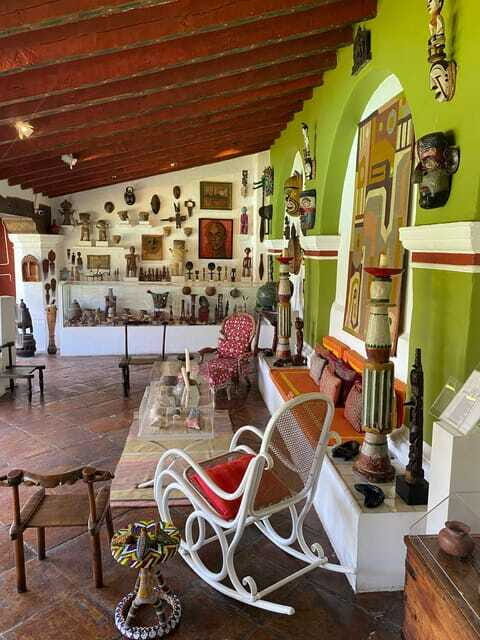
This ticket doesn’t include a guided tour, so you’ll be visiting on your own. That’s a plus for many people because you control the pace. It’s also helpful if you’re traveling with kids or friends who have different attention spans, since you can each linger where your interest goes.
A simple way to think about the flow:
1) Start with the rooms that frame Brady’s vision—because the display choices make more sense once you understand that it’s his house turned museum.
2) Work through the art categories you’re most drawn to: Mexican colonial/pre-Hispanic pieces, then modern and global works.
3) Slow down for the famous artists layer (Tamayo, Kahlo, Prendergast and others) so the big names don’t turn into a quick glance.
Also plan for the fact that re-entry isn’t included. Once you leave, you may not be able to come right back in under the same ticket. So if you step out for a moment, think of it as a one-way move during your visit.
House rules that matter more than you think
Museums often have rules. Here, a few of them can affect your comfort and your time, so check them before you show up. The museum does not allow baby strollers, non-folding strollers, backpacks, luggage or large bags, pets (assistance dogs allowed), selfie sticks, and chewing gum. Food and drinks are also not allowed.
Flash photography is not allowed either. That may sound basic, but it’s worth remembering if you’re used to taking tons of phone photos. Plan on normal lighting photos only—or just enjoy the works without trying to capture everything.
One more practical point: no strollers can be a deal-breaker for some families. If you’re traveling with a stroller, you’ll want an alternative plan for getting around comfortably.
Parking and getting there: plan for the walk
“No parking available” is one of the clearest logistics notes, and it affects how you should plan. If you’re relying on a car, build in extra time for drop-off and walking, especially in a central area near a major cathedral.
I’d treat this stop like a walk-friendly museum location, not like a drive-in attraction. Even a short walk in the right shoes will feel easy; showing up unprepared can feel annoying fast.
A realistic time plan for a 1-day visit
The ticket is valid for 1 day, and you should check availability for starting times. That’s your hint that you’re not buying a flexible all-day pass without limits. In practice, this museum works best when you give it a solid block of time rather than treating it like a quick photo stop.
If you want a balanced visit, aim to spend enough time to see multiple rooms and then linger on the highlights. Because this is a house with a collection of 1,300+ works, the value comes from sustained looking, not a rush.
If you have only an hour or two, you can still enjoy the key parts, but it won’t feel like you experienced the full Brady idea. With modern art and global collections, you often need those pauses to connect what you’re seeing.
The onsite coffee question: hot chocolate is not the star
One small note from the experience is about the coffee-shop area. The hot chocolate is described as not great. I don’t take that as a deal-breaker, but it’s useful because it sets expectations: if you want a treat, you might choose something else first, or just go for hydration and a quick break.
Also remember the general rule: food and drinks aren’t allowed. If the museum has coffee options, it’s likely meant for inside purchase rather than bringing your own snacks in.
Pricing and value: why $3.81 feels like a bargain
The price is listed at $3.81 per person. That is low for a museum with a stated 1,300+ pieces and a collection that includes major names like Frida Kahlo and Rufino Tamayo.
So the value isn’t just the ticket cost. It’s what that ticket buys: you’re paying to enter a house-museum where the setting, the collection, and Brady’s vision all reinforce each other. You’re also not paying extra for a guided tour, since one isn’t included. In other words, you get a meaningful museum experience without the usual add-ons.
If you’re building a Cuernavaca day, this ticket can anchor your schedule. It gives you culture with a sense of personality, and it doesn’t require a big budget to do it right.
Who this is best for
This museum fits best if you like art that has context—art displayed in a place with a story. It’s also a good match if you enjoy collections that blend categories rather than splitting everything into separate time periods.
I’d especially recommend it if:
- you want a quieter, thoughtful stop rather than a loud landmark sprint
- you’re curious about Mexican modern art and global influences
- you like the idea of a collector’s worldview made physical
If you’re the type who needs a guide to explain what you’re seeing, you might find the lack of a guided tour a little limiting. But the house itself and the big-name artists listed in the collection give you plenty to work with.
Should you book Museo Robert Brady tickets?
If you want strong value, a real house setting, and a collection that reaches beyond Mexico, I’d book it. At $3.81, you’re not taking a big risk, and the museum is built around a single compelling figure’s vision—Robert Brady—plus the scale of 1,300+ pieces.
I would only hesitate if you’re counting on parking close by. With no parking available, you’ll need a plan for how you’ll get there and how you’ll handle drop-off and walking. If you can solve that logistics piece, this is one of the easiest “yes” choices in Cuernavaca.
FAQ
FAQ
Where is Museo Robert Brady located?
It’s behind the Cuernavaca Cathedral, in the Casa de la Torre, inside a section of a 16th-century Franciscan convent.
What does the ticket include?
The ticket includes entry to Museo Robert Brady.
Is a guided tour included?
No. A guided tour is not included with these tickets.
Can I re-enter after I leave?
Re-entry to the facilities is not included.
How much are the tickets?
The price is listed as $3.81 per person.
What is not allowed inside the museum?
Food and drinks, flash photography, selfie sticks, backpacks, luggage or large bags, pets (assistance dogs allowed), strollers (including baby strollers and non-folding strollers), and chewing gum are not allowed.
Is parking available?
No parking is available.
FAQ
Is wheelchair accessibility available?
Wheelchair accessibility is not available.