REVIEW · MEXICO CITY
Diego Rivera Studio & UNAM Murals Tour with Admission Tickets
Book on Viator →Operated by City Art Tours · Bookable on Viator
Art in motion is the theme here. This tour pairs the Diego Rivera & Frida Kahlo Studio Museum with UNAM’s jaw-dropping Biblioteca Central mural—two very different spaces that still tell the same bigger story: how art, politics, and national identity get built into everyday life. You’ll follow along with a bilingual guide, plus you get admission handled for you.
My favorite part is the focus on how to look. In the studio museum, you’re not just seeing famous works—you’re getting the context behind Rivera’s creative vision, political ideology, and personal life. I also like that the experience is designed to feel comfortable and efficient: you’re spending your time in two major sites rather than piecing together tickets and directions.
One consideration: timing can be tricky in Mexico City. Traffic and street closures can stretch the transfer time between the two stops, and the museums can have occasional closures without warning—so plan with a little flex in your schedule, especially on busy event days.
In This Review
- Key things worth knowing before you go
- A 2.5-hour art plan from San Ángel to UNAM
- Stop 1: the Diego Rivera studio museum and how to read Rivera
- Practical tip for the studio museum
- Stop 2: UNAM Central Library and Juan O’Gorman’s mosaic mural
- Quiet rooms and speaking rules
- The guides: when your art guide is the difference-maker
- How to get more out of your guide
- Transportation and timing: how to keep the day from feeling like commuting
- Watch the meeting point carefully
- What you’re paying for: value at $86 per person
- Who should book this tour (and who might not)
- Should you book it? My honest take
- FAQ
- How long is the Diego Rivera Studio & UNAM Murals Tour?
- What’s included in the price?
- Is the tour offered in English?
- Where does the tour start and end?
- Is it a private tour?
- Are tickets mobile?
- What should I know about luggage and speaking rules inside the museums?
Key things worth knowing before you go
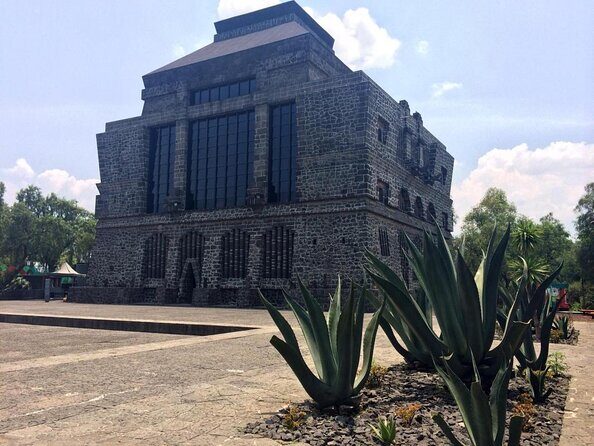
- Two major stops in one stretch: the Diego Rivera Studio Museum and UNAM Central Library’s mosaic mural.
- Admission tickets included at both locations, so you avoid the ticket-purchase puzzle.
- Private, English-guided experience means you can ask questions without a crowd.
- Comfortable between-sites transfer, but city traffic can add time.
- Bag rules matter: no large bags or suitcases; only small thin backpacks or handbags through security.
- Quiet/limited speaking rooms: your guide will point out where to keep it down.
A 2.5-hour art plan from San Ángel to UNAM
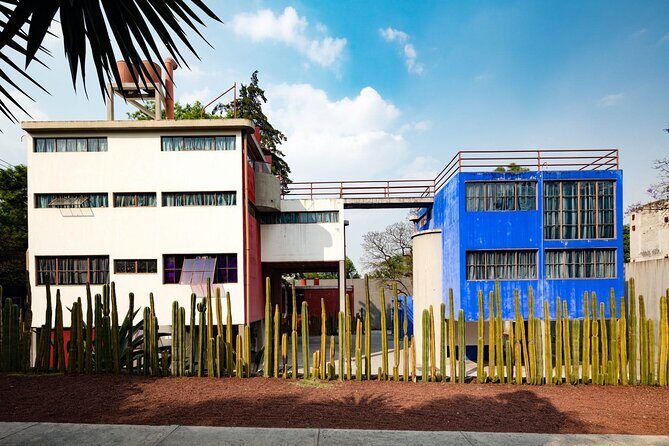
This is a 2.5-hour, two-stop format that’s built for people who like culture but don’t want their day chopped up. You start at the Museo Casa Estudio Diego Rivera y Frida Kahlo area in San Ángel Inn (Diego Rivera s/n, Álvaro Obregón). You end at Biblioteca Central UNAM in C.U., Coyoacán (Escolar S/N), so your last step is basically walking into one of Mexico City’s most distinctive mural spaces.
The big value here is that you’re not managing logistics while trying to absorb art. You get admission included, you get an expert art guide, and you get a private setup with just your group. Add mobile tickets, and the whole thing feels more like a guided appointment than a scavenger hunt.
You should still treat the schedule as approximate. One review noted that the day’s traffic and event-related road closures can slow down travel between sites. If your tour falls near big city celebrations, give yourself a mindset of, okay, we’ll likely spend a bit more time in the car than the ideal plan.
You can also read our reviews of more tours and experiences in Mexico City


Stop 1: the Diego Rivera studio museum and how to read Rivera
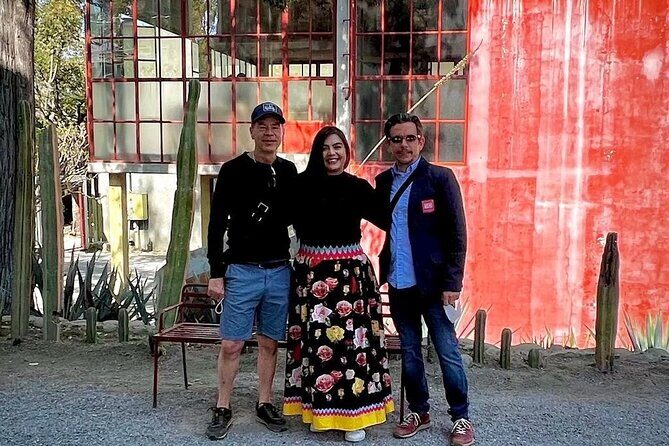
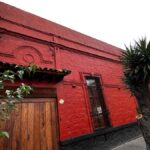
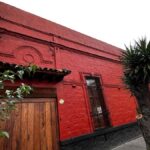
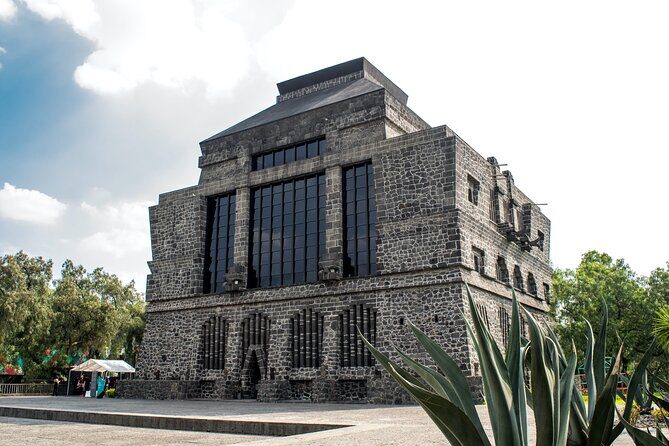
The first stop is the Museo Estudio Diego Rivera y Frida Kahlo, housed in an iconic 20th-century functionalist architecture setting. This matters more than it sounds. When the building’s design is part of the story, you start noticing how art connects to ideas about modern life, structure, and public meaning.
Here’s what you’ll focus on during the visit:
- Rivera’s creative universe
- His artistic vision
- His political ideology
- His personal life
That’s a useful framework. It turns famous images into something you can interpret rather than just admire. You’re not left guessing, because the guide is actively connecting the artwork to the beliefs and experiences that shaped it.
Also, listen for the “how to look” cues. In a guided setting like this, the best payoff often comes when your guide helps you slow down: not every detail will hit you instantly, but you’ll know where to put your attention and why it matters.
Practical tip for the studio museum
Security has rules: no large bags or suitcases, and only handbags or small thin backpacks are allowed. If you’re carrying a big daypack, shift what you bring so you don’t lose time later. This is one of those details that can make the experience feel smooth—or frustrating.
Stop 2: UNAM Central Library and Juan O’Gorman’s mosaic mural
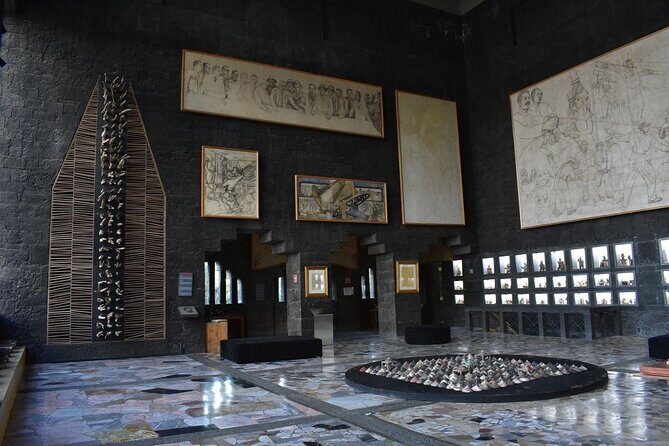
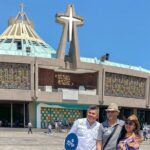
The finish line is Biblioteca Central UNAM, and it’s the kind of place where you instantly understand why people remember it. The central feature is Juan O’Gorman’s mosaic mural, which narrates Mexico’s history—from pre-Hispanic civilizations through the modern era.
What I like about ending here is the scale of the message. The studio stop is more personal and ideological, anchored to Rivera’s creative world. Then the UNAM library brings you to a monumental, public-facing story. You leave the day with a sense of how mural art can function like a living textbook—visible, political, and built for crowds.
This stop also benefits from the guide’s role. A mural like this can easily become just “big and colorful” unless someone helps you connect the sections and the theme. With a bilingual guide leading the way, you’re more likely to walk out feeling like you understood the mural’s storyline, not just its surface.
Quiet rooms and speaking rules
At certain points inside the museums, you may encounter areas that are very quiet or restricted for speaking. The guide will warn you before entering those rooms. Treat it as a respect signal: keep your voice down, and you’ll likely get a smoother, more focused experience.



The guides: when your art guide is the difference-maker
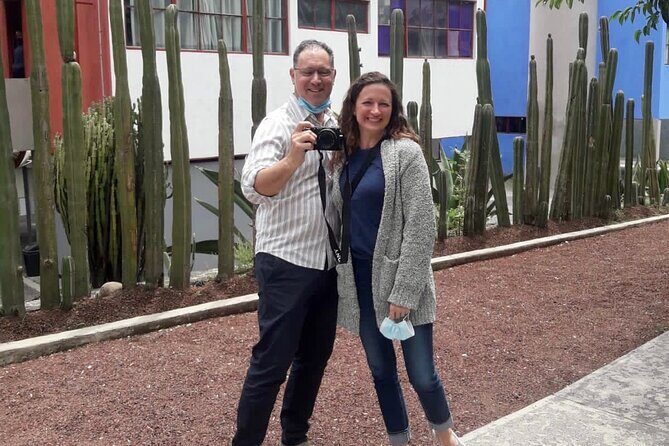
The tour’s quality really rides on the guide. The names that came up strongly in real experiences include Neene, Armando, and Estefania—and the consistent theme is that they made the art understandable, not just described.
Neene is mentioned as someone who shared everything clearly and answered questions in a way that kept the pace moving. Armando is described as friendly and highly effective at turning what you see into what it means. Estefania is noted for going above and beyond with a personalized guided tour, making both sites feel connected rather than like two separate visits.
This is exactly the kind of tour where the guide can save you from the common mistake: looking at famous artwork without having a handle on why it exists. With the right guide, you start noticing Rivera’s ideas in the details and you can read the mural as a deliberate narrative.
How to get more out of your guide
Go in with at least one question ready. For example:
- What’s the relationship between Rivera’s art and his politics?
- What does the UNAM mural try to teach in its overall sequence?
- What should I pay attention to first so the rest makes sense?
If you ask early, your guide can shape the explanation around your interests.
Transportation and timing: how to keep the day from feeling like commuting
No hotel pickup or drop-off is included. The practical recommendation is to use Uber (or another rideshare) on your own. That’s usually the easiest way to manage a day with two sites in different parts of the city.
Under normal conditions, the ride between the two museums is described as about 20 minutes. The reality check comes during high-traffic times and city events. One experience specifically pointed to Día de los Muertos conditions, when streets can be closed and driving time stretches.
Here’s the simple strategy:
- Start on time at the meeting point.
- Keep your next plan flexible.
- Assume you might spend a little extra time in the car, then focus on learning context during the ride.
A smart bonus of a well-run guided tour is that transit time isn’t wasted. Instead of treating it as downtime, the guide typically keeps the storyline moving with context so you feel like you’re still doing the tour.
Watch the meeting point carefully
One key caution from real experiences: a mix-up can happen if you end up at the wrong nearby location. To avoid that, check your maps twice and confirm you’re at the right address for the Diego Rivera studio museum entrance. If you’re traveling with your phone, arrive a few minutes early so you can confirm you’re in the right place before the group starts moving.
What you’re paying for: value at $86 per person
At $86 per person, this is priced like a guided art visit rather than a self-guided museum day. And honestly, that’s the point. You’re paying for:
- Admission tickets at both stops
- An expert art guide
- A private experience (just your group)
- The between-site transfer included in the tour flow
- Mobile tickets handled for you
If you tried to replicate it on your own, you’d spend your time (and mental energy) on ticket lines, museum access rules, and coordinating a route. Here, you get a planned structure with two high-impact destinations.
Is $86 a steal? Not automatically. But if you care about understanding the art and you want less hassle, it’s strong value—especially because the content is aimed at helping you interpret what you’re seeing.
Who should book this tour (and who might not)
This fits best if you:
- Love art + architecture
- Want context, not just photos
- Prefer a private format for questions and pacing
- Like your day organized into two meaningful stops
It may be less ideal if you:
- Hate any chance of schedule drift due to traffic
- Need strict minute-by-minute timing
- Travel with big luggage you don’t want to reorganize (the security bag limits are real)
Also, if you’re visiting during a period when museums sometimes close for operational reasons, keep a flexible mindset. The tour notes occasional closures without warning. In cases where a museum opening is delayed more than an hour from start time, the provider will offer an appropriate alternative—but refunds or discounts are not available in those cases. That policy is worth understanding ahead of time so there are no surprises.
Should you book it? My honest take
Book this tour if you want two major Mexico City art stops tied together by a guide who helps you understand what you’re looking at. The combination is the hook: Rivera’s personal and political creative world in a studio museum, then the sweeping historical mural narrative at UNAM Central Library.
Skip—or at least reconsider—if your schedule is too tight to tolerate traffic and occasional museum hiccups. This city can throw curveballs, and this tour is built to run smoothly when conditions cooperate, not to guarantee clockwork timing.
If you do book, set yourself up for success:
- Travel light for museum security.
- Arrive early at the meeting point to avoid location confusion.
- Bring one or two questions so your guide can shape the experience around you.
FAQ
How long is the Diego Rivera Studio & UNAM Murals Tour?
The tour lasts about 2 hours 30 minutes.
What’s included in the price?
Admission tickets are included for both stops, along with an expert art guide and a private experience.
Is the tour offered in English?
Yes, the tour is offered in English.
Where does the tour start and end?
It starts at Museo Casa Estudio Diego Rivera y Frida Kahlo (Diego Rivera s/n, San Ángel Inn) and ends at Biblioteca Central UNAM (Escolar S/N, C.U., Coyoacán).
Is it a private tour?
Yes. It’s a private experience, meaning only your group participates.
Are tickets mobile?
Yes. The tour includes mobile tickets.
What should I know about luggage and speaking rules inside the museums?
No large bags or suitcases are allowed inside the museums—only handbags or small thin backpacks through security. Some rooms have quiet or restricted rules for speaking, and your guide will let you know before entering.
If you’d like, tell me your travel dates and whether you’ll be using Uber, and I’ll help you plan a realistic buffer around the 2.5-hour window.