REVIEW · CUERNAVACA
Cuernavaca: Museo Robert Brady Guided Tour
Book on GetYourGuide →Operated by Museo Robert Brady · Bookable on GetYourGuide
Art, in a lived-in home.
What makes the Museo Robert Brady special is that you’re not touring a white-box gallery. You’re walking through the actual house setting of American artist and collector Robert Brady, who lived here for more than two decades, and the whole place is arranged to match his eye. I especially love how the tour connects the artwork to the rooms themselves, and how the guide can talk through details piece-by-piece. One drawback to note: the collection pieces aren’t marked in the way you may expect, so without a guide you’ll miss a lot of what you’re looking at.
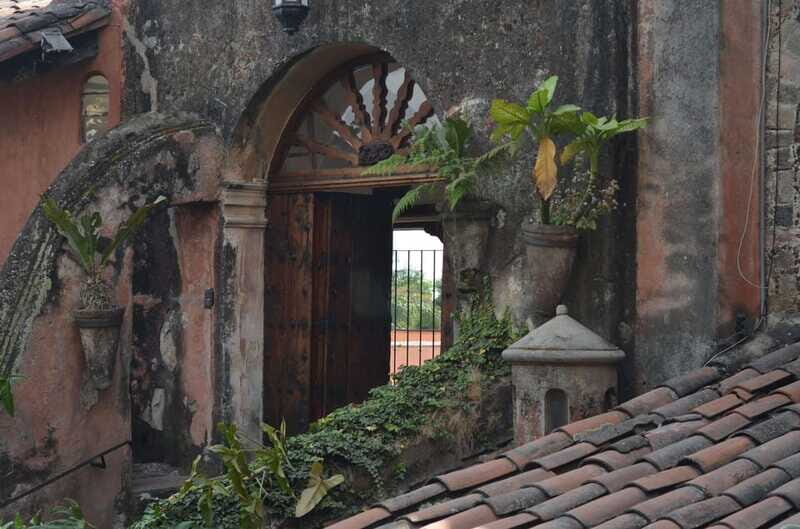
Behind Cuernavaca Cathedral, the museum sits in the Casa de la Torre, carved out of a section of a 16th-century Franciscan convent. That mix of old architecture and world-travel collecting creates a setting that feels both grounded and surprising. There’s also a practical upside: the tour is only 1.5 hours and offered with an English or Spanish live guide, so you can get a lot of meaning without losing your whole afternoon.
In This Review
- Casa de la Torre: a 16th-century convent turned art home
- Your guided walk through Brady’s 1,300+ piece collection
- The world in one house: Mexican, African, Asian, and more
- Why the guide matters: Sergio and piece-by-piece context
- Rules, pace, and photo do’s for a smooth visit
- Value check: is a $20 private 1.5-hour tour worth it?
- Should you book the Museo Robert Brady guided tour?
- FAQ
- Where is the Museo Robert Brady located in Cuernavaca?
- How long is the guided tour?
- What is included in the price?
- What collection will I see?
- What languages does the live guide speak?
- What items are not allowed during the visit?
- Is there parking or wheelchair accessibility?
Casa de la Torre: a 16th-century convent turned art home
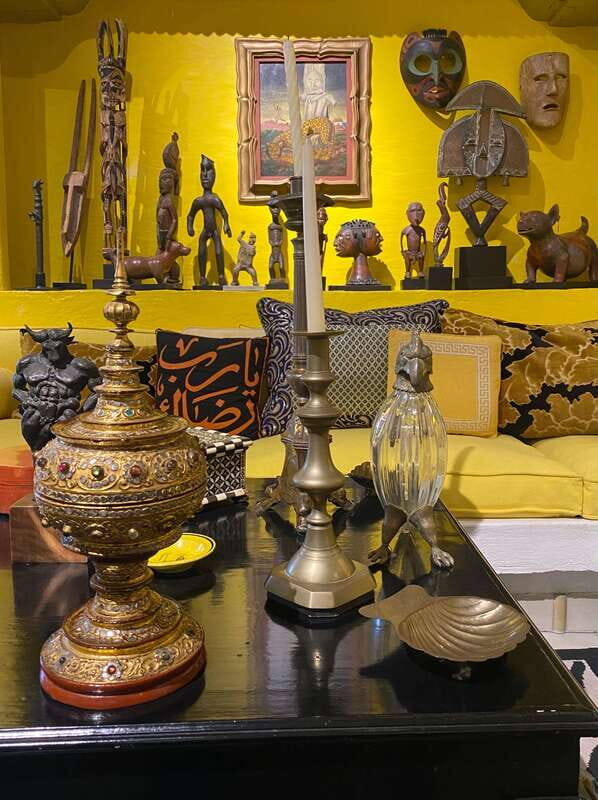
This isn’t a museum that feels distant. It feels like someone invited art into their everyday space and then kept expanding it, decade after decade.
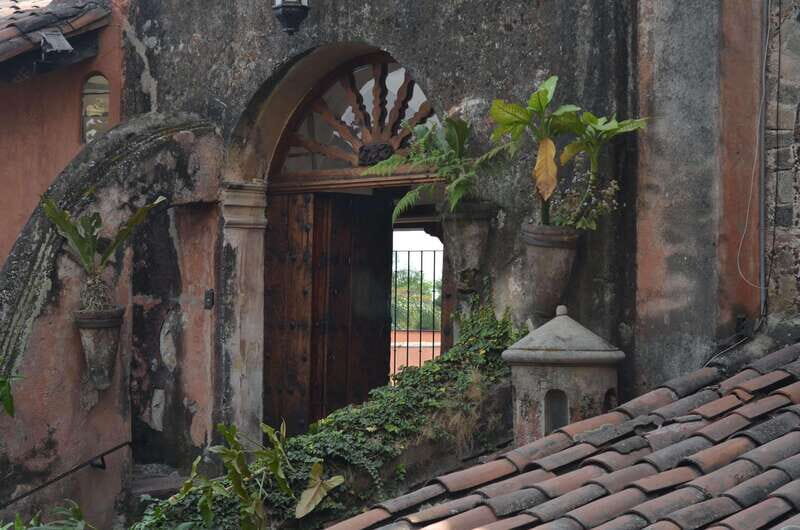
Casa de la Torre was created in a section of a Franciscan convent dating to the 1500s. You can feel that layering as you move through the house-museum: the architecture carries age, while Brady’s choices bring in modern conversation. It’s one reason I like this tour for first-timers. Even if you’re not a scholar of art, the setting helps your brain understand what you’re seeing.
You’ll also be dealing with an intimate scale. The tour format is a guided walk through the collection inside the home, not a wide, open museum route. That makes it easier to ask questions and get real explanations, rather than reading labels at arm’s length.
Your guided walk through Brady’s 1,300+ piece collection
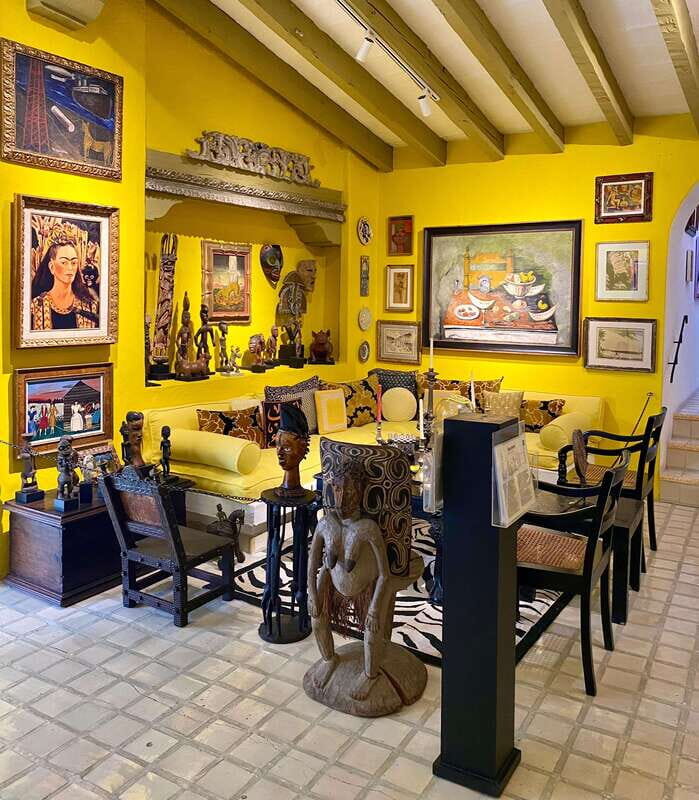
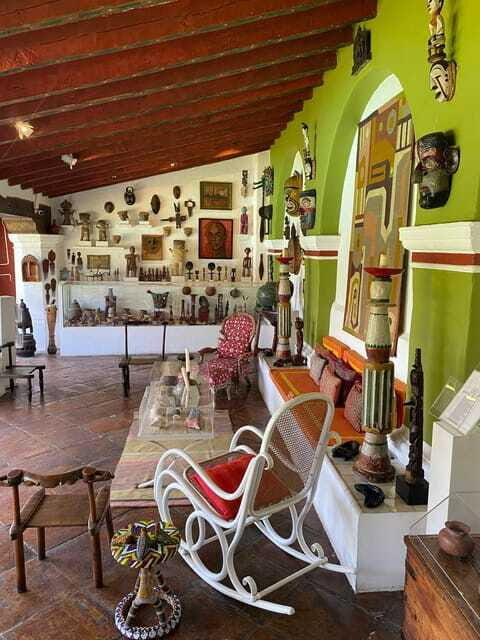
The heart of the experience is the collection, which totals more than 1,300 pieces. Expect to see Mexican colonial furniture and pre-Hispanic figures alongside works from across the world, all arranged within the house.
The guided part is the main event. One review I found especially helpful mentioned that because it’s a home museum, many pieces aren’t marked, so the guide’s knowledge matters a lot. That matches what you should plan for: you’re paying for interpretation, not just access.
As you move from room to room, your guide should connect the objects to Brady’s collecting habits and artistic friendships. Brady didn’t just acquire art. He traveled and built relationships, and the house reflects that social side too. The guide helps you notice patterns: what gets grouped together, what’s placed where, and how certain themes show up again and again.
You’ll hear about major artists tied to the collection, including Rufino Tamayo, Frida Kahlo, Miguel Covarrubias, Maurice Prendergast, Marsden Hartley, and Graham Sutherland. And you’ll likely get context for why those names sit here, in Cuernavaca, in a former convent section.
You can also read our reviews of more tours and experiences in Cuernavaca.
The world in one house: Mexican, African, Asian, and more
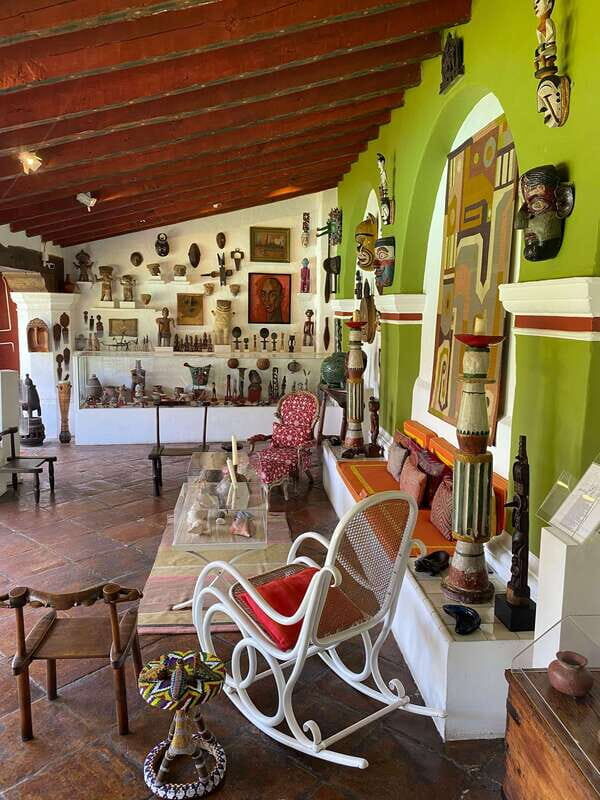
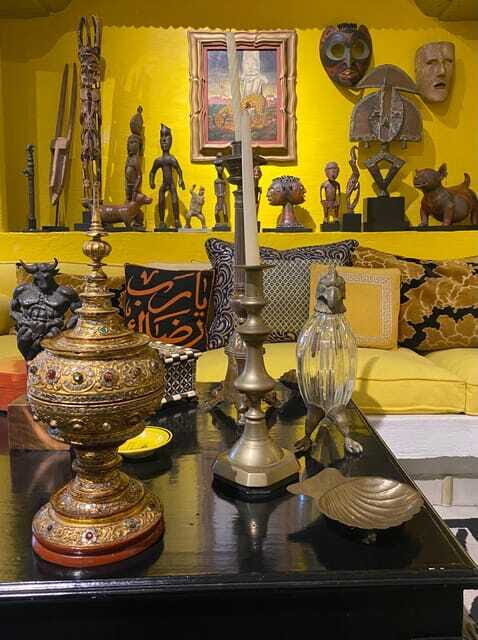
Brady’s collection is global on purpose. You’re not only looking at Mexico or only looking at European or American art. You’ll see works and applied arts spanning Africa, the Americas, Oceania, India, and the Far East, alongside Mexican colonial pieces.
That wide range can be the most fun part, if you like making connections. Your guide can help you compare materials, styles, and symbolism without turning it into a lecture that never ends. Think of it like a private study session in a home where the answers are already on the walls.
At the same time, it’s good to keep expectations realistic. This is not the kind of museum where everything is explained by a label in your line of sight. Instead, you get meaning through conversation. If you like to ask questions, the tour format is made for you.
One more detail I like from the background of the house: Brady’s home became a meeting place for major cultural figures, including Josephine Baker, Octavio Paz, Peggy Guggenheim, and Tamara de Lempicka. That matters because it frames the collection as something social and alive, not just a hoard of objects.
Why the guide matters: Sergio and piece-by-piece context
In a collection that’s not heavily marked, a skilled guide is the difference between seeing and understanding. One guide stood out in a review: Sergio, who answered questions and shared lots of information that made the visit feel more complete.
Here’s what you should do to get the best results during your 1.5-hour tour. When something catches your eye, pause and ask what it is and why it’s here. Don’t worry about sounding basic. The entire point of the experience is that the guide can interpret objects that don’t come with the usual wall text.
Also, be ready for specifics. The guides here are described as knowing the history and artist information about furniture and art—down to the individual pieces. That’s exactly what you want, because “a bunch of cool art” is fun for five minutes, but “now I understand what I’m looking at” is what turns it into a highlight.
If you’re the type who likes to learn fast, this museum rewards that habit. The tour is designed to translate Brady’s vision into something you can actually see and absorb.
Rules, pace, and photo do’s for a smooth visit
The museum experience has some clear boundaries, and you’ll want to respect them so your tour stays stress-free. No baby strollers, and pets aren’t allowed (assistance dogs are allowed). Don’t bring selfie sticks, don’t eat inside, and skip flash photography.
Backpacks also aren’t allowed, so travel light. If you’re carrying a day bag, consider leaving bulk at your hotel or plan to use a small, permitted item if the museum staff allows it. Since rules are strict, it’s smart to plan your wardrobe and gear around museum visits.
Photo notes are simple: flash is out, so if you’re photographing, rely on natural light and your phone camera settings. The goal is to keep the visit comfortable for everyone else too, not to chase perfect shots.
Timing matters because re-entry to the facilities isn’t included. In plain terms: once you’re done with the visit, you’re done. I’d treat the 1.5 hours as your window to look carefully, ask questions, and take photos without rushing.
One other practical point: there’s no parking available, and there’s no wheelchair accessibility. If you’re relying on a car, plan alternative transport. And if mobility access is a concern, consider that limitation before booking.
Value check: is a $20 private 1.5-hour tour worth it?
Let’s talk value in real terms. The price is $20 per group up to 1, for a 1.5-hour private guided tour that includes entrance tickets. On paper, it’s not a long visit, so you’re paying for interpretation efficiency.
For this specific museum, that makes sense. Because the house museum environment doesn’t position every piece for instant self-guided reading, you’re buying the shortcut to understanding. A good guide can make you feel like you saw twice as much, even though the time stays the same.
This is also a good setup if you prefer fewer people and more focus. It’s a private group experience, which usually means fewer distractions and more room to ask follow-ups. If you’ve ever wandered through a museum reading labels and still felt confused, this is the opposite approach: you get real-time explanations tied to what’s in front of you.
Who gets the best value?
- Art lovers who like context, not just objects.
- People who enjoy Mexico’s culture but want a global comparison in the same place.
- Anyone short on time in Cuernavaca who still wants a real museum moment.
Who might feel less satisfied?
- If you want to wander silently without a guide, you may feel the lack of clear markings.
- If you need step-free or wheelchair access, this option isn’t built for that.
Should you book the Museo Robert Brady guided tour?
I’d book it if you want a museum visit that feels personal and explained. The setting alone is interesting—Casa de la Torre behind the cathedral, built within a 16th-century Franciscan convent—but the strongest part is the way a live guide can translate the collection for you. With pieces that aren’t easily labeled, the tour turns the house from a visual experience into an understood one.
Skip it if you’re counting on self-guided interpretation with lots of signage, or if your plan depends on parking. Also skip if your group needs stroller access or wheelchair accessibility, since both are limited here.
If your goal is a high-meaning, low-time commitment stop in Cuernavaca, this is a solid pick. A focused 1.5 hours with an English or Spanish guide should leave you walking out seeing not just what’s there, but why Brady arranged it the way he did.
FAQ
Where is the Museo Robert Brady located in Cuernavaca?
The museum is in downtown Cuernavaca, in the Casa de la Torre, located behind the Cuernavaca Cathedral.
How long is the guided tour?
The guided tour lasts 1.5 hours.
What is included in the price?
The tour includes a guided tour and entrance tickets.
What collection will I see?
You’ll see more than 1,300 pieces, including Mexican colonial furniture and pre-Hispanic figures, plus art from Africa, the Americas, Oceania, India, and the Far East.
What languages does the live guide speak?
The live tour guide is available in English and Spanish.
What items are not allowed during the visit?
The tour does not allow baby strollers, pets (assistance dogs allowed), selfie sticks, food, flash photography, or backpacks.
Is there parking or wheelchair accessibility?
No parking is available, and wheelchair accessibility is not available.