REVIEW · MEXICO CITY
Authentic Mexican Salsas Workshop
Book on GetYourGuide →Operated by Mexican Salsas · Bookable on GetYourGuide
Salsa makes Mexico make sense fast. In this Tacuba workshop, you start at a local market, then cook multiple Mexican salsas with chefs using traditional methods. I like that it is a small group class, not a scripted demo, so you can ask questions and adjust as you go.
What really wins me over is the hands-on flow: market ingredients first, then cooking salsas in four distinct ways (raw, fried, boiled, roasted), with plenty of tasting. The second thing I love is the food afterward: you cook and eat quesadillas while you’re still in learning mode, plus you leave with a jar of fresh salsa and recipes.
One heads-up before you book: the walk around the market area can feel uncomfortable for some people. It is still manageable, but if you’re sensitive to rougher street scenes, plan to keep your group together and move with confidence.
In This Review
- Key points worth circling
- Tacuba market start: where the salsa lesson actually begins
- Meeting at an ancient church in the heart of Tacuba
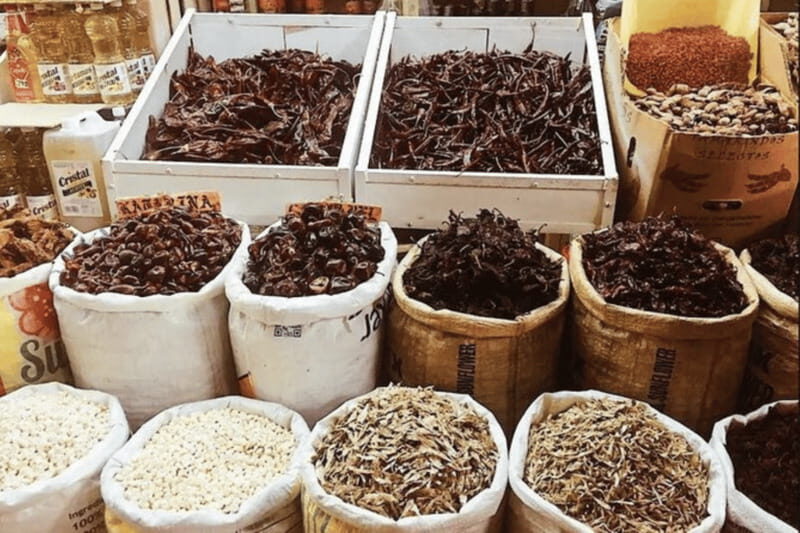
- The market shopping: what you’re really learning to look for
- Four ways to cook salsa: raw, fried, boiled, roasted
- Cooking, tasting, and laughing: how the class stays fun
- Agua de Jamaica, totopos, and unlimited quesadillas
- Plant-based salsas in traditional formats
- What you take home: a jar of salsa plus real recipes
- Price and value: what $93 buys you in Tacuba
- Who should book this Mexican salsa workshop?
- Should you book this Mexican Salsas Workshop in Tacuba?
Key points worth circling
- Tacuba Market ingredient hunting first, so you learn what to buy and why
- Four salsa techniques: raw, fried, boiled, and roasted for different flavors and chile levels
- Unlimited jamaica water while you cook and taste
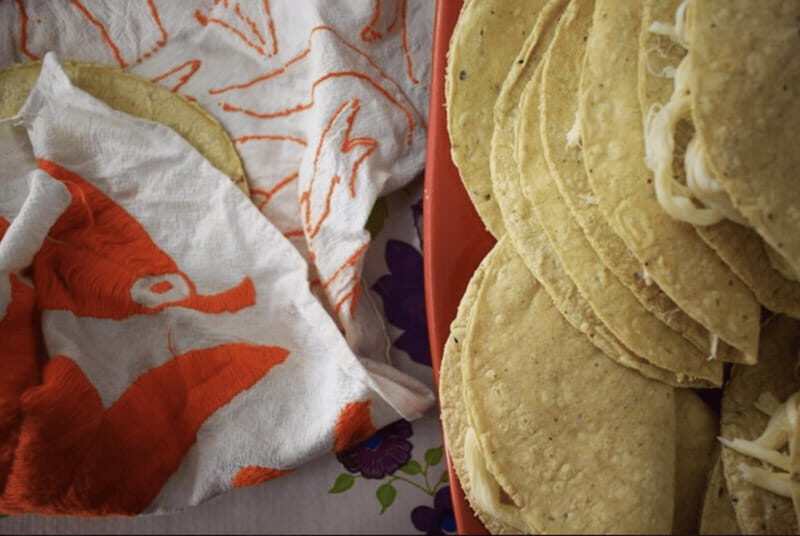
- Quesadillas and snacks included, so you are not hungry during the lesson
- Plant-based salsas, made in traditional styles without a meat-first mindset
- Small group limit of 10, which makes the class feel personal
Tacuba market start: where the salsa lesson actually begins
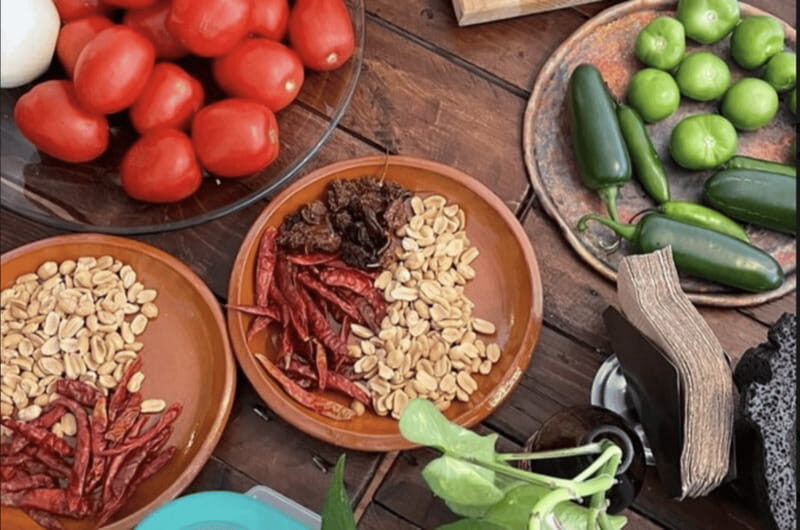
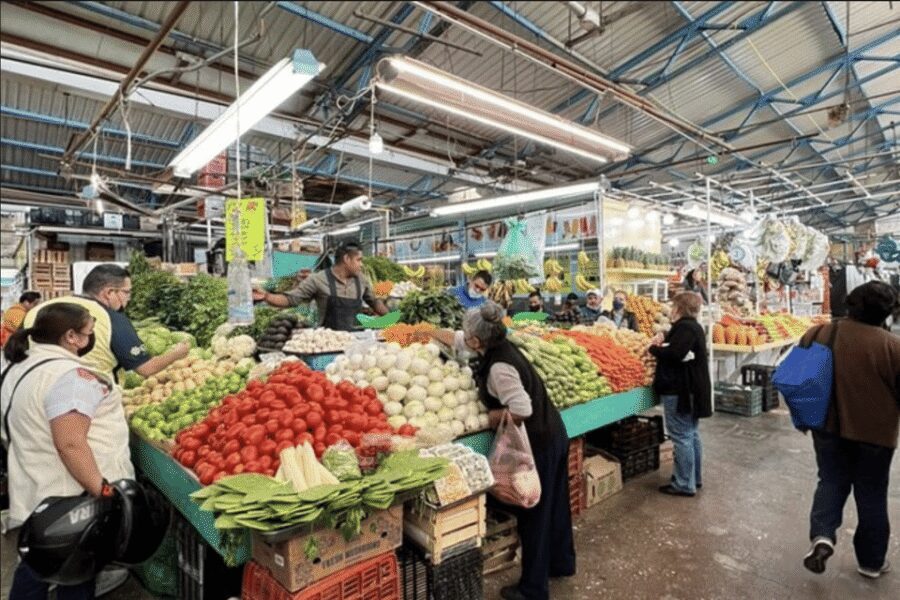
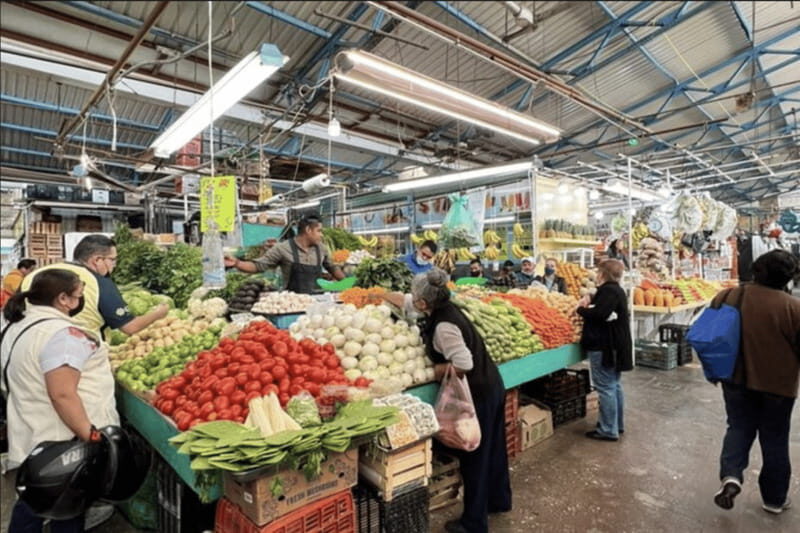
A salsa workshop is often taught like a science project. This one starts like a real meal starts: with ingredients. You meet at an ancient church in the heart of Tacuba, then you head to the Tacuba Market just a short distance away to shop for what you’ll use later. That first step matters, because salsa is not just a topping. It is built from choices: the chile, the tomato (when you use it), the aromatics, the textures, and how fresh everything is.
If you like food travel that feels grounded, this is a good fit. You’re not only learning a recipe, you’re learning how to spot quality where locals shop. And since the salsas here are plant based, the focus stays on flavor building through ingredients and technique instead of cooking around meat.
Practical expectation: you’ll be walking between the meeting spot and the market/cooking area. The neighborhood around markets can include people who are not part of the tour flow, so keep your head up, stick with your group, and treat it like any other city market stroll.
You can also read our reviews of more tours and experiences in Mexico City
Meeting at an ancient church in the heart of Tacuba
Your start point is an ancient church at the center of Tacuba. It’s a nice anchor, because you’re already in a part of Mexico City with older layers that feel different from the more tourist-clean zones. Nearby, you’re in reach of the Tacuba Market, which is where the ingredient hunt begins.
The group is capped at 10 participants, so you’ll likely get direct attention from the chefs and instructors instead of waiting your turn in a crowded kitchen line. The class also runs in Spanish and English (and it can be held in more than one language at the same time), which makes it easier if your group has mixed language comfort.
From a comfort standpoint, here’s what helps: arrive a few minutes early, and don’t let the first walk stress you out. Once you’re cooking, the pace becomes friendly and hands-on, and the early neighborhood stuff fades into the background.
The market shopping: what you’re really learning to look for
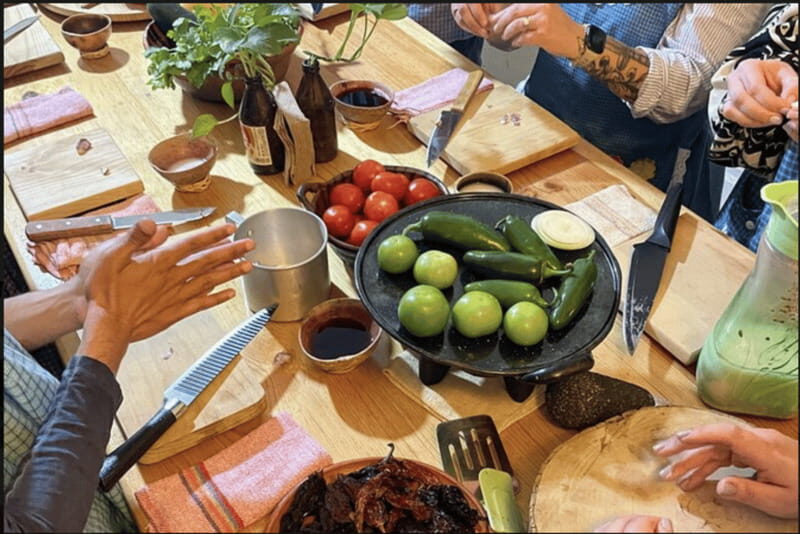
Shopping with the group is more than a quick photo stop. This is where you learn how ingredients drive salsa flavor and chile heat.
Here’s what you can expect in the spirit of the market phase:
- You’ll shop for fresh items used for the salsas you’ll make later.
- You’ll get guidance on what to choose and how different ingredients behave when you change cooking methods.
- You’ll build a practical sense of taste and freshness, not just memorize a list.
In my opinion, this is the part you’ll thank yourself for later. When you cook salsa at home, you won’t have the same exact ingredients you used in Mexico City. But if you understand what to look for (freshness, chile type, balance between acidity and depth), you can adapt.
Also, this is one of those experiences where the local economy angle feels real. You’re buying ingredients locally as part of the activity, so your money is doing something besides funding a kitchen photo op.
Four ways to cook salsa: raw, fried, boiled, roasted
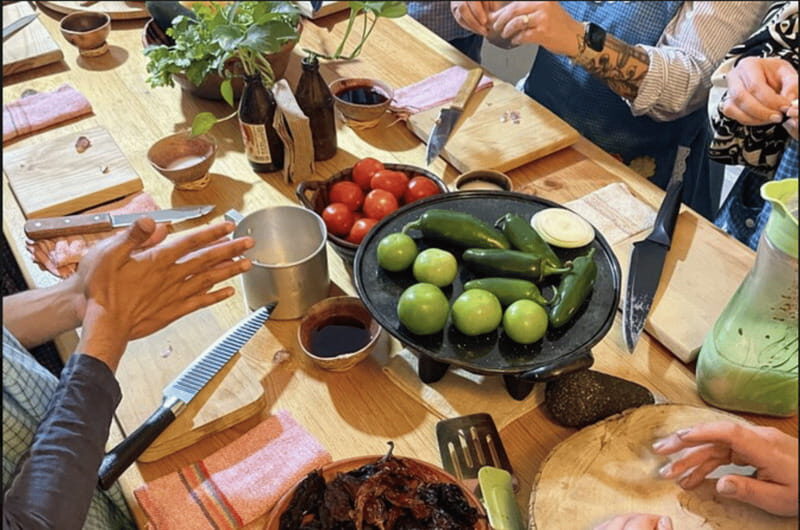
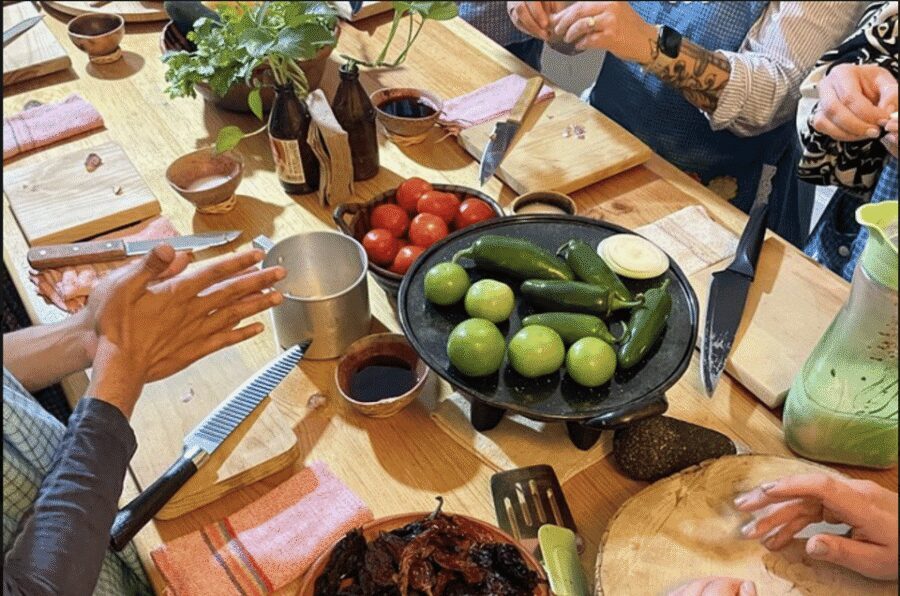
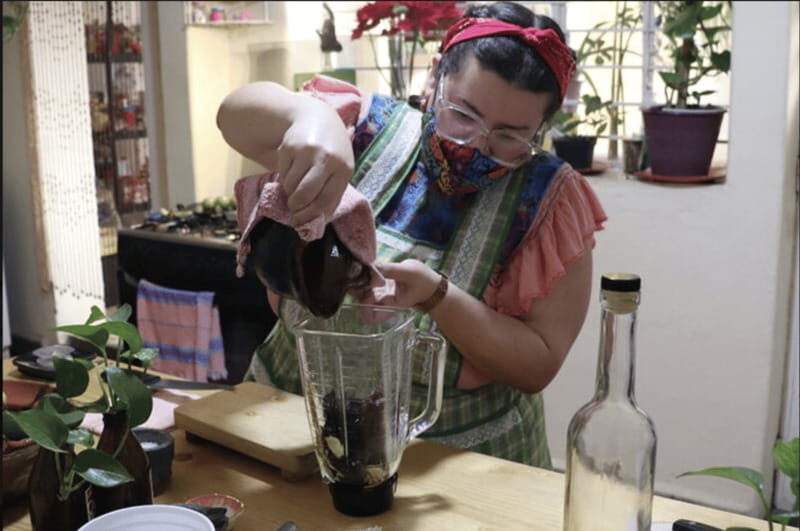
The main event is making salsa using four traditional techniques. Each method changes flavor and texture in a way you can taste immediately.
Raw salsa tends to feel bright and punchy, with sharper chile presence and fresher aromatics.
Fried salsa adds depth and rounds off bite, often making flavors feel more “cooked together.”
Boiled salsa leans softer and more mellow, with ingredients blending into a cohesive base.
Roasted salsa brings a deeper, smoky edge that can make chiles taste more complex.
You’ll also notice that spicy level is not one fixed number. The class is designed so each salsa has a different personality, including differences in chile flavor and heat. That means you don’t leave with one salsa recipe. You leave with a set of strategies.
Why this matters: most people think salsa is one thing. It isn’t. Salsa is technique plus ingredients plus timing. By cooking all four styles, you get a shortcut to understanding your own preferences. If you like smoky over sharp, or mellow over fiery, you’ll know what to repeat at home.
Hands-on tip: pay attention to the order you add ingredients and how the texture changes as you mash or mix. That texture detail is often what separates bland salsa from salsa you actually want to eat with everything.
Cooking, tasting, and laughing: how the class stays fun
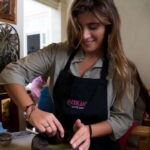
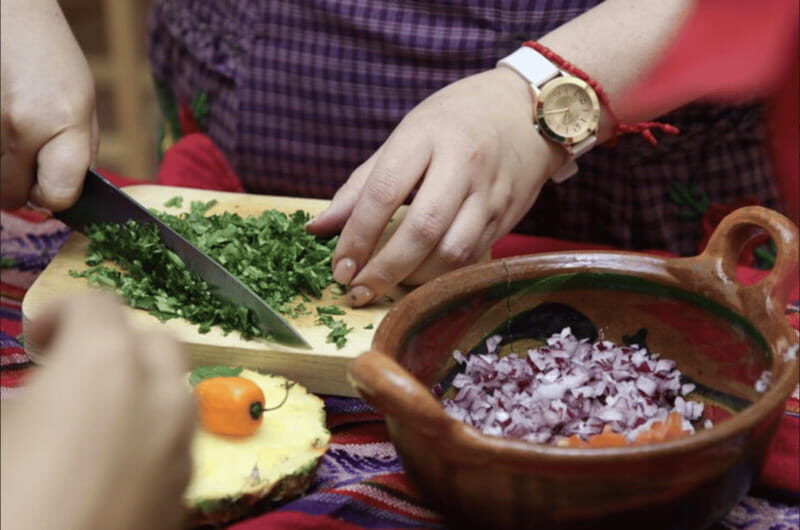
This is not a sit-and-watch class. The structure is very interactive: you’ll get hands-on instruction, then taste-test as you go. You’ll also make sure there’s enough “what if we do it this way” conversation for the group to learn together.
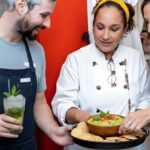
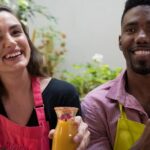
One thing that comes through strongly is the tone the hosts bring. Oscar and Messli are specifically mentioned as exceptional, warm, and memorable in how they guide the session. That kind of hospitality makes the lesson easier to follow, especially if your kitchen confidence is limited.
You’ll also likely feel the pace. It’s guided, but you aren’t rushed. And since you keep eating while you learn, the energy stays positive. That matters because salsa needs focus. If you’re tired or hungry, you’ll miss the little texture and taste cues that make the learning stick.






Agua de Jamaica, totopos, and unlimited quesadillas
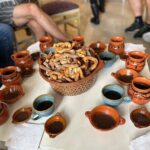
This workshop is built around food, not just teaching. You’ll have snacks and totopos, plus a real meal component: quesadillas cooked together with the salsas.
The class includes unlimited quesadillas made with the salsas you’re preparing, so you can taste the differences across the four styles without getting stuck with small portions. It’s one of the smartest ways to learn. Taste comes before perfection. You’re allowed to enjoy the process.
And yes, there’s unlimited agua de Jamaica (hibiscus tea). That drink is more than a beverage. It’s a palate partner. Hibiscus brings tart fruit notes that can cut through chile heat and make the salsa tasting feel clearer. If you like pairing drinks with food, you’ll appreciate how the class thinks about balance.
If you’re wondering what you should do during tasting: start with the milder options, then move toward the spicier ones. Your tongue adapts faster than you think, but it helps to keep some order so you can actually compare flavors.
Plant-based salsas in traditional formats
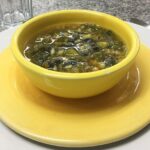
A key detail: all of the salsas are plant based. That doesn’t mean they feel watered down or “substituted.” It means the chefs build flavor through chiles, aromatics, and technique.
If you usually expect salsa to include meat drippings or fat, this class will reset your expectations. You’ll learn that salsa’s depth comes from roasting, frying, boiling, or keeping it raw, plus the ingredient quality. It is a useful lesson for anyone who wants food that tastes bold but doesn’t rely on heavy components.
This is also a good angle for groups with different diet preferences. Since the salsa base is plant based, it reduces the “who can eat this” friction while keeping the flavors front and center.
What you take home: a jar of salsa plus real recipes
You finish with a practical souvenir, not just a snack memory. You leave with:
- a jar of fresh salsa
- recipes you can use later
That combination is what makes cooking classes worth it. If you only get recipes, you’ll forget the taste differences that the cooking methods create. If you only get a jar, you might enjoy it once and then struggle to recreate it.
Having both helps you get closer to the real learning goal: repeat the flavor at home. Even if your ingredients vary slightly, the technique understanding stays with you.
Price and value: what $93 buys you in Tacuba
At $93 per person for 2.5 hours, you’re paying for more than ingredients. You’re paying for:
- chef-led instruction (hands-on coaching)
- market time with guidance on fresh selections
- cooking time across four salsa methods
- tastings plus included snacks
- unlimited quesadillas and totopos
- unlimited agua de Jamaica
- take-home jar and recipes
The best way to think about value: you’re not just buying salsa. You’re buying practice. Salsa is hard to learn from a printed recipe alone, because chile type, roasting/frying/boiling effects, and texture matter. This workshop teaches those variables in a short, structured format with built-in eating.
One practical note: transportation is not included. So you’ll want to factor that in if you’re staying farther from Tacuba. If you’re already close, the deal feels better. If you’re crossing town, add your transit time and costs.
Also, this is a small group class. That tends to justify the higher price because you’re getting more attention per person compared to larger group sessions.
Who should book this Mexican salsa workshop?
I’d send you to this class if you:
- want a hands-on Mexican cooking experience in Mexico City that feels local
- enjoy market-to-kitchen food travel
- like learning techniques, not only repeating one recipe
- have a group and want something interactive for all of you
It’s also a solid fit for team-building. People naturally talk while they cook, taste, and compare versions of the same ingredient.
You might consider something else if:
- you’re uncomfortable with less polished street scenes during the walking segments near the market
- you strongly prefer cooking instruction in a more formal, quiet setting (this one is social by design)
If you’re traveling with others, note that private groups can be arranged, including other dishes like burritos, tamales, pozole, ceviche, and fish tacos. So if salsa isn’t the only thing your group wants, this provider can flex.
Should you book this Mexican Salsas Workshop in Tacuba?
If you’re hungry for a real food lesson in Mexico City, I think you’ll be happy you booked. The combination of Tacuba Market ingredient shopping, four salsa techniques, unlimited food, and a take-home jar plus recipes is exactly how you turn a “cool experience” into something you can repeat.
Just go in with one clear expectation: you’ll be walking in a normal city market area, which can look rough in spots. If that’s not a dealbreaker for you, the payoff is big. You’ll leave with taste memory, technique understanding, and salsa you can open at home and recreate without guessing.