REVIEW · MEXICO CITY
Day of the Dead in Mixquic Visit the Houses and Altars Pantheon
Book on Viator →Operated by Huapango Travels · Bookable on Viator
Day of the Dead in Mixquic feels personal. This guided trip in Mexico City takes you through local ofrendas at homes and shows you the pantheon where families remember their loved ones. It’s a very human way to experience the holiday, with a route planned for seeing the key moments without you having to piece it all together yourself.
Two things I really like: the small group size (up to 20) makes it easier to follow your guide, and the guidance from friendly experts like Tan and David adds context so the sights land with more meaning. One thing to consider: this is a walking-heavy experience through tight spaces with crowds and smoke at times, so if you struggle with mobility or claustrophobia, it’s smart to think twice.
In This Review
- Key highlights you’ll feel during the visit
- Mixquic after 2 pm: what makes the timing work
- Price and what you actually get for $107.04
- Tour rhythm: how the route shapes what you see
- Entering Mixquic: houses, ofrendas, and the meaning of personal remembrance
- The pantheon visit: a different atmosphere than the street scenes
- Candle lighting and the crowd factor: the part you should plan for
- Guide-led storytelling: why Tan and David matter
- Transportation and how to prepare so the tour stays fun
- Who this tour is for (and who should think twice)
- The group size (up to 20) and how to stay with your guide
- What to expect emotionally: respect, attention, and a little awe
- Should you book this Day of the Dead in Mixquic tour?
- FAQ
- How long is the Mixquic Day of the Dead tour?
- Is the tour in English?
- What does the price include?
- Where do we meet?
- What is the group size?
- Is it a good option if I have mobility issues?
Key highlights you’ll feel during the visit
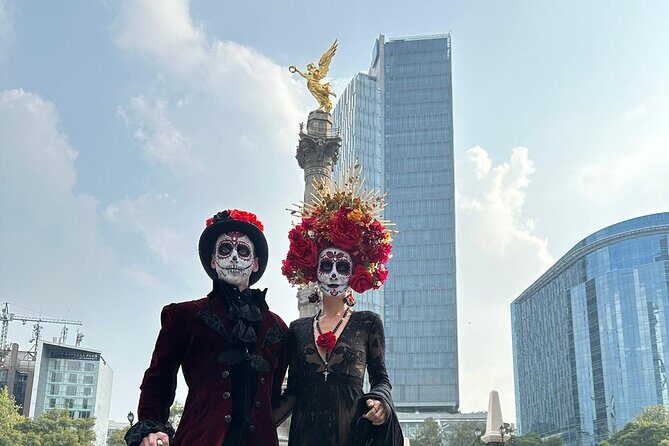
- Home altars and ofrendas: You get a rare look at how families set up remembrance in their own spaces.
- Pantheon time: Seeing the cemetery atmosphere changes how you understand the holiday.
- English-guided experience: Clear storytelling keeps you oriented, especially if you’re not fluent in Spanish.
- Small group (max 20): Helpful for keeping together, though the route can still be compact.
- Guide talent (Tan, David): Reviews mention humor, patience, and practical explanations.
Mixquic after 2 pm: what makes the timing work
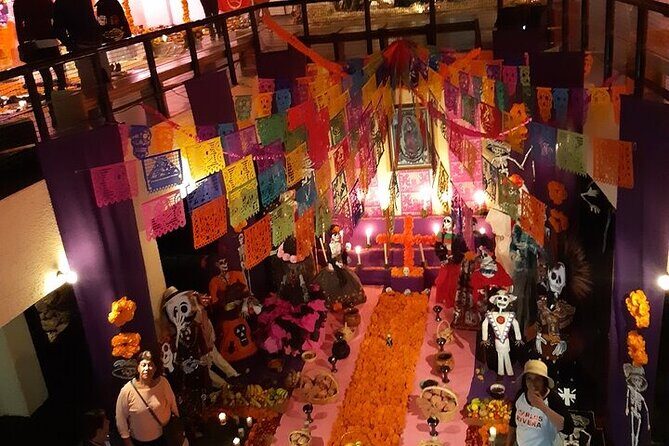
Your tour starts at 2:00 pm and runs about 4 to 6 hours. That afternoon window matters more than you’d think. Day of the Dead energy builds as people light candles and head out, and by the time you’re walking Mixquic’s key areas, you’re more likely to see the mood fully switched on.
You’ll meet at Av. de la República, Tabacalera, Cuauhtémoc (Punto de reunión TIEMPO DE VIAJAR06030). Since it’s near public transportation, you can plan to arrive without stress, which helps when you’re dealing with an event that’s scheduled and time-sensitive.
You can also read our reviews of more tours and experiences in Mexico City.

Price and what you actually get for $107.04
The price is $107.04 per person. For what you’re doing—transport, a guide, and an admission ticket included—the cost can feel reasonable, especially if you want the Day of the Dead experience without navigating it on your own.
Here’s what’s covered:
- Transport
- Guide
- Admission ticket included (as listed in the tour details)
What’s not:
- Tips (not included)
In my opinion, the value comes from the combination of planning and interpretation. Mixquic isn’t something you casually “drop into.” A guide helps you understand what you’re seeing—like the difference between the pantheon setting and the home altar atmosphere—so your time doesn’t feel like you’re just collecting photos.
Tour rhythm: how the route shapes what you see
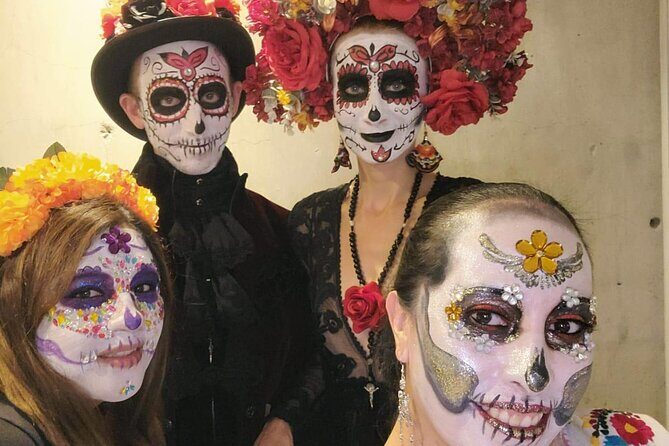
The itinerary is simple: one main stop in Mixquic, with you visiting the houses and altars, plus the pantheon area as part of the Day of the Dead celebrations.
That simplicity is a good sign. It means fewer transfers, less wasted time, and more focus on the real point: seeing how the holiday is practiced locally. It also helps explain why a 4-hour visit can feel complete—because the route is meant to hit the most meaningful places in a short window.
A key practical note from the experience vibe: the route can involve crowds and narrow walking areas. One review specifically flagged issues with losing group members and needing to regroup. That tells me your best move is to stay close to your guide, follow instructions the first time, and plan for occasional slowdowns.
Entering Mixquic: houses, ofrendas, and the meaning of personal remembrance
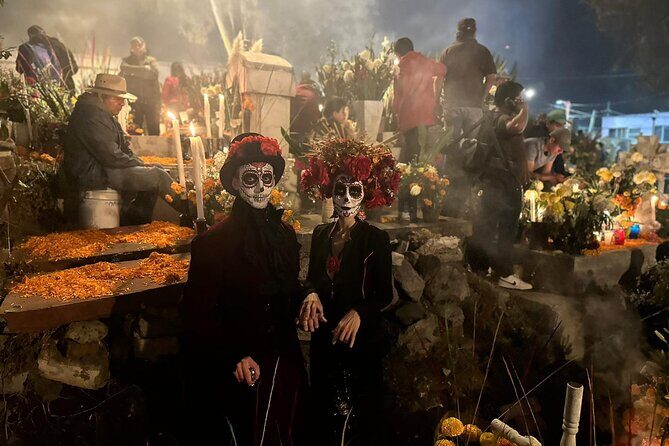
Mixquic is known for the way families create altars and set up remembrance in everyday spaces. In this tour, you’re taken to see altars of the locals and the Day of the Dead party atmosphere in town.
One review described the impact of seeing an ofrenda in someone’s home, calling it an experience they wouldn’t forget. That’s the difference between this kind of guided visit and the more typical “look-but-don’t-touch” approach. You’re not just seeing decorations; you’re getting closer to the ritual side of the holiday—how families communicate memory through candles, offerings, and the care put into each setup.
What you’ll want from a visit like this:
- Respectful attention (keep your voice down, move as directed)
- A willingness to pause and watch
- Comfort with people and close quarters, since home-altars and community celebrations don’t happen in empty streets
If you’re expecting a quiet museum style visit, you might feel the contrast. If you’re looking for lived-in tradition, this is the right kind of chaotic.
The pantheon visit: a different atmosphere than the street scenes
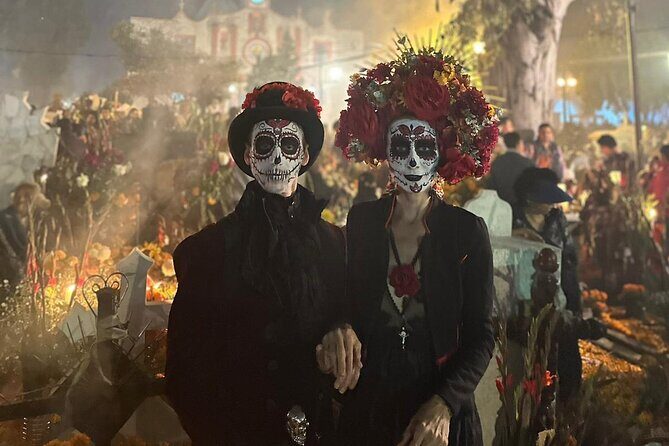
You’ll also see the pantheon as part of the experience. In Day of the Dead traditions, the cemetery setting changes the emotional tone. Instead of a purely party-like environment, it becomes more about the gathering of families and the presence of candles and offerings tied to loved ones.
Even without turning it into a lesson, a pantheon visit tends to slow your pace. You’re more aware of how light and silence can work together, and that’s often when the holiday feels most grounded.
One caution from a review: the candle lighting moment in the cathedral area was when the crowds were the thickest. If your plan involves the tightest areas, it’s likely those are the places where you’ll feel the most crowd pressure. If you need personal space, aim to keep steady footing and stay anchored to your group plan.



Candle lighting and the crowd factor: the part you should plan for
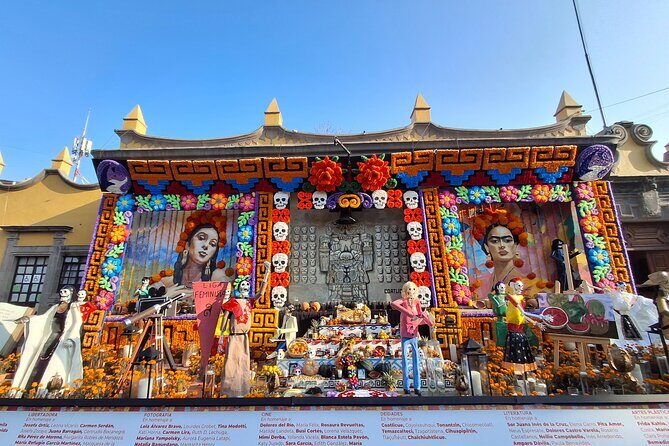
This tour includes the kind of candle-lit moments that make Day of the Dead so visually powerful. One review said candle lighting was beautiful, and that same person warned about crowding and smoke.
That’s a big practical point. Even if the sights look amazing, your comfort matters. Here’s what that means for you:
- Expect smoke at some point
- Expect busy areas where it’s harder to keep momentum
- Expect some tight walking through markets or close streets
And yes, if you have claustrophobia, it’s worth paying attention to the review’s specific warning about the most populated candle lighting area. Even if you’re not claustrophobic, you’ll be happier if you treat this like a walk through an event crowd—not a relaxed stroll.
Guide-led storytelling: why Tan and David matter
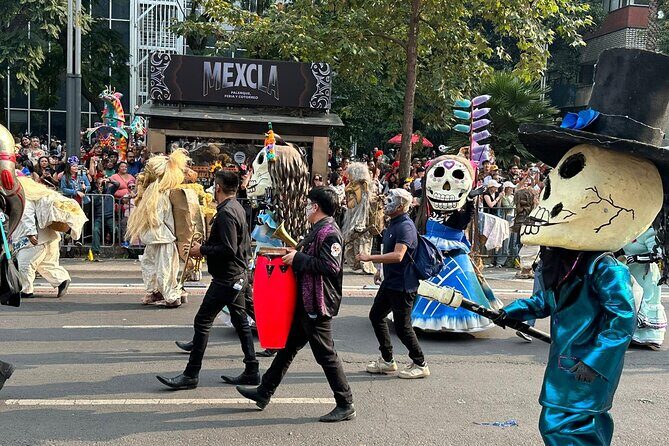
What really makes this tour work is the human factor. Reviews call out guides who bring the story to life and keep things moving without losing patience.
One guide named Tan was described as a wealth of knowledge, humor, and patience. Another guide named David was described as kind and creative, with useful information and a fun vibe. That’s exactly what you want on a holiday like this, because Day of the Dead can look like simple decoration until someone explains the intent behind it.
A good guide also helps you navigate the choreography of an event. With small groups, your guide’s pace and callouts matter. If the route gets tight or slow, the guide becomes your reference point for where to go next and what to watch for.
Transportation and how to prepare so the tour stays fun

Transport is included, which takes one big stress off your plate. You don’t have to figure out where to meet the right person later, and you avoid the extra time cost of getting across the city on your own.
When you arrive at the meeting point (Av. de la República, Tabacalera), give yourself a few extra minutes. Even when things are well organized, Day of the Dead means people are already outside and moving around.
What I’d do to keep things smooth:
- Wear shoes with good grip (you’ll be walking)
- Bring a light layer (events run late enough that temperatures can shift)
- If smoke bothers you, consider a simple face mask—useful in crowded, smoky areas
- Keep your phone accessible, not dangling in a crowd
You’ll also want a mindset shift: this is a cultural experience with people right in your path. You’ll get more out of it if you focus on watching and listening, not just photographing.
Who this tour is for (and who should think twice)
This tour is best for people who want a guided, respectful look at Day of the Dead in a real community setting—especially if you care about seeing home altars and the pantheon, not only street scenes.
It’s a good match if you:
- Like guided interpretation that helps the holiday make sense
- Are comfortable walking in crowds
- Want an experience that feels local rather than staged
It’s a harder match if you:
- Have mobility issues or fatigue easily (tight spaces and regrouping can happen)
- Get anxious in dense crowds
- Strongly dislike smoke
One review was very clear about losing group members and regrouping due to pace, and another flagged claustrophobia concerns tied to the most crowded area. Those aren’t deal-breakers for everyone, but they are honest data points. Use them to decide whether you’ll feel in control during the busiest parts of the visit.
The group size (up to 20) and how to stay with your guide
With a maximum of 20 travelers, you’re not stuck in a giant swarm. That helps. But small groups still get stretched out in tight streets, especially around candle lighting moments.
Use this simple approach:
- Stay close when the guide gives a direction.
- Don’t drift to the side to take one more photo if others are moving.
- If you need a bathroom break or you’re slowed by space, tell the guide so you don’t accidentally vanish from the group plan.
That advice isn’t about fear. It’s about getting your money’s worth. If the group has to regroup, you lose time for the places you came for.
What to expect emotionally: respect, attention, and a little awe
Day of the Dead in Mixquic can feel surprisingly intimate. Even if you’re just a visitor, you’re seeing how families place offerings and light candles to honor loved ones. That can tug at your emotions more than you expect, especially when you’re close enough to understand this isn’t Halloween cosplay.
I also like that the experience isn’t only about one viewpoint. You see both the home altar side and the pantheon side. That combination gives you a fuller sense of how the holiday connects everyday life and remembrance.
And yes, the holiday energy includes party moments. It’s not all solemn. The point is that both moods can exist at the same time, in the same town, guided by tradition.
Should you book this Day of the Dead in Mixquic tour?
I’d book it if you want a guided, English-friendly way to see houses and altars plus the pantheon in Mixquic. The small group size, transport included, and the solid guide reputation (Tan and David are specifically mentioned in reviews) make it a smart value for a short 4–6 hour outing.
I’d skip or think hard first if you know you struggle with crowds, smoke, claustrophobia, or walking difficulties. This tour can involve tight spaces and a busy candle lighting area, and one review noted regrouping issues that happen when people can’t keep the same pace.
If you’re somewhere in the middle—generally fine in crowds but not thrilled about them—go anyway with a plan. Stay close to your guide, wear comfortable shoes, and treat the route like part of the experience, not an inconvenience.
FAQ
How long is the Mixquic Day of the Dead tour?
The tour runs about 4 to 6 hours (approximately). One portion of the experience is listed as 4 hours with the admission ticket included.
Is the tour in English?
Yes. The tour is offered in English, and you’ll receive a guide to help you follow the experience.
What does the price include?
The price includes transport, a guide, and an admission ticket. Tips are not included.
Where do we meet?
You’ll meet at Punto de reunión TIEMPO DE VIAJAR06030, Av. de la República, Tabacalera, Cuauhtémoc, 06030 Ciudad de México, CDMX, Mexico. The tour ends back at the meeting point.
What is the group size?
This activity has a maximum of 20 travelers.
Is it a good option if I have mobility issues?
Most travelers can participate, but the experience involves walking through crowds and tight spaces, with mentions of smoke. If you have walking difficulties or strong claustrophobia, you should consider whether you can comfortably handle that kind of environment.