REVIEW · OAXACA CITY
Tour of the Towns of Oaxaca with Artisan Experiences
Book on Viator →Operated by Craft Experiences Oaxaca · Bookable on Viator
Craft day, but with real hands-on meaning. This private route takes you from Oaxaca City into craft towns where makers explain the process, not just the product. You’ll spend a long day in an air-conditioned van with a guide, then see traditions at work in workshops and marketplaces.
I especially liked two parts: watching how black mud pottery is made in San Bartolo Coyotepec, and learning how alebrijes are carved and colored from copal wood in San Martín Tilcajete. When the explanations connect materials to culture, it clicks fast—and the day never feels rushed.
One possible drawback: it’s a 6 to 8 hour day with multiple stops and a lot of listening. Also, the wild mezcal tasting is not included, so you’ll want some extra cash ready if you want to try it.
In This Review
- Key highlights you can plan around
- A private Oaxaca craft route that actually feels like a visit
- Getting picked up at 10:00 and riding in an air-conditioned van
- San Bartolo Coyotepec: black mud pottery, ancient tools, oxygen ideas
- San Martín Tilcajete: a lunch break that keeps the day realistic
- Alebrijes in Tilcajete: copal wood, tones, and nahuales
- Santo Tomás Jalieza waist loom textiles and the women’s cooperative market
- Santa Catarina Minas mezcal palenque: clay-pot distillation and optional wild tasting
- Price and value: what $214.08 covers for up to 3 people
- Who this suits best (and who should think twice)
- What to bring for a smoother craft day
- Should you book this Tour of the Towns of Oaxaca?
- FAQ
- What time does the tour start?
- Do I get hotel or Airbnb pickup?
- Is this a private tour?
- How many people can be in a group?
- What language is the tour offered in?
- How long does the tour last?
- Is lunch or dinner included?
- Is the mezcal tasting included?
- What’s included in the price?
- What’s the cancellation policy?
- Are service animals allowed?
Key highlights you can plan around
- Private, small-group feel: up to 3 people with hotel pickup
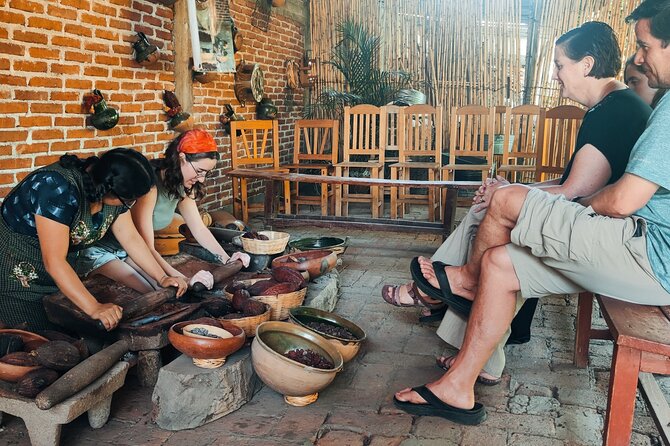
- Black mud technique in San Bartolo Coyotepec using pre-Hispanic tools and oxygen reduction ideas
- Alebrijes beyond carving: you’ll hear about tones, nahuales, and natural dyes
- Textiles at Santo Tomás Jalieza with women’s waist-loom craft and a cooperative market
- Mezcal in Santa Catarina Minas at an ancestral-style palenque, plus optional wild tasting
A private Oaxaca craft route that actually feels like a visit
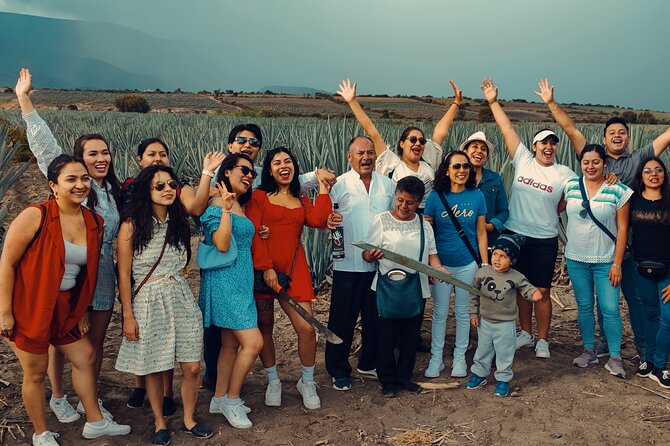
This is the kind of tour where you’re not just dropped off to shop. The day is built around makers explaining why they do things a certain way—materials, tools, and the cultural meaning tied to the craft.
The best part is the pacing. You get time at each stop to watch demonstrations, ask questions, and absorb the details without feeling herded. In a good day like this, the difference is obvious: you’re learning processes, not collecting souvenirs.
Also, I really liked the human touch. The hosts—Ricardo and David—were described as so welcoming that the day started like a tour and ended more like spending time with friends. That makes it easier to relax, pay attention, and actually enjoy the stories.
You can also read our reviews of more tours and experiences in Oaxaca City.

Getting picked up at 10:00 and riding in an air-conditioned van
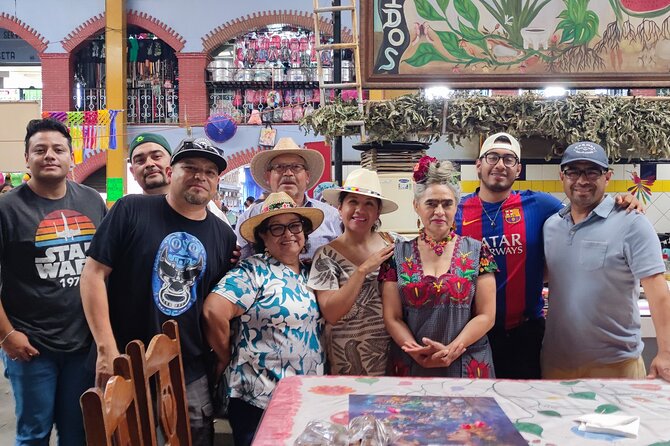
You start at 10:00 am with pickup directly from your hotel or Airbnb in Oaxaca City. The tour is private, so you’re not sharing your ride or your guide with random strangers who might speed-run the stops.
Transportation is included, along with parking fees, fuel surcharge, and booth payments on federal highways. That matters because you avoid surprise charges and you keep the schedule moving smoothly between towns.
Bring water needs in mind. There’s a cooler with water for the group, which helps on a long craft day when you’re outside, walking, and watching demonstrations.
San Bartolo Coyotepec: black mud pottery, ancient tools, oxygen ideas
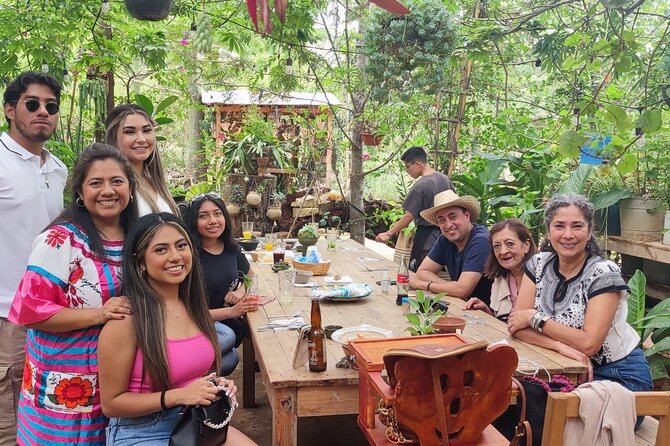
San Bartolo Coyotepec is famous for pottery—and the focus here is the process behind the look. You’ll step into a family workshop where teachers show you how the black mud is made and how the craft progresses from there.
The details are what you’ll remember. You’ll hear about the famous black mud and the methods used to create it, including references to a pre-Hispanic lathe and an oxygen reduction technique. That’s not just technical trivia—it explains why the finished pieces have their signature tone and texture.
You also get cultural context while you’re in town. The community is described as known for warriors and potters, and the craft is linked to older Zapotec traditions. If you’re curious about how art, identity, and ritual overlap in Oaxaca, this stop delivers.
Practical note: plan for a workshop-style visit. You’ll likely do some walking around the working area and watch hands-at-work demonstrations. Wear comfortable shoes so you can focus instead of fussing with your feet.
San Martín Tilcajete: a lunch break that keeps the day realistic
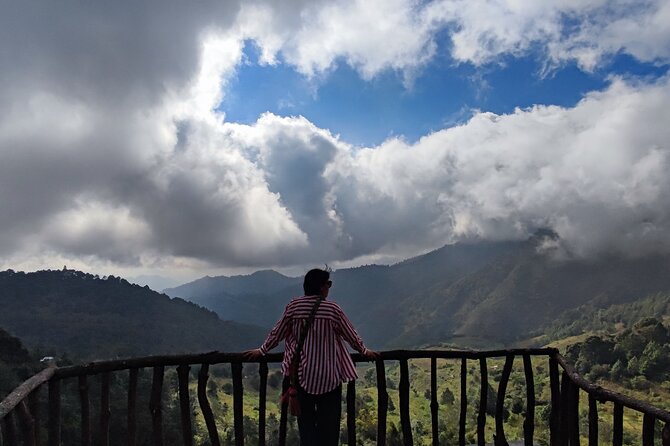
Midday, you’ll reach San Martín Tilcajete for a food stop and a change of pace. Lunch timing is built into the schedule as a 1-hour break, which is smart on a long day of artisan visits.
Food itself isn’t included, so you’ll be making your own choice where you stop. The good part: you’re already in the right area for lunch, and you don’t have to fight the logistics of finding a place between workshops.
If you’re the type who likes to keep energy steady, use that hour intentionally. Grab something simple, then reset your brain for the afternoon craft focus.
Alebrijes in Tilcajete: copal wood, tones, and nahuales
After lunch, the tour pivots into one of Oaxaca’s most recognizable crafts: alebrijes—those dreamlike, imaginative animal forms. The visit is designed around learning how they’re made and what they represent.
Here’s the core material story. Alebrijes are described as being elaborated from copal tree wood, then shaped into figures that feel both physical and symbolic. You’ll also hear about the makers’ palette of meaning: tones and nahuales—spiritual guides in the culture that accompany people through life.
The process doesn’t stop at carving. You’ll learn how makers approach a “clean copal” step and how they work with natural dyes. That matters because it explains why colors look the way they do and why the finish is not just decoration.
This is a strong stop for anyone who thinks of crafts as just aesthetics. The tour frames alebrijes as storytelling in wood, color, and spirit, not as mass-produced items.


Santo Tomás Jalieza waist loom textiles and the women’s cooperative market
Next comes Santo Tomás Jalieza, a town tied to textiles made on the waist loom. This stop is special because it’s about learning technique and seeing how it’s taught across generations—not a one-time skill.
One of the key details you’ll hear: women begin learning the ancient technique very young, with the craft starting at around age 3. That early training is part of why the results look so consistent—skills built through repetition and real family instruction.
In the visit, you’ll see women knitting with their raw material—cotton—using the waist loom. The tour also highlights how the market functions as a support system for women makers, pointing to a cooperative made up of women textile community members.
The takeaway: you’re not just buying textiles. You’re stepping into a system that funds family work and sustains craft knowledge.
Shop smart in this stop. If something catches your eye, ask about the process you just saw in motion. When you connect the yarn work to what you’re holding, the purchase feels more meaningful—and less like a random impulse buy.
Santa Catarina Minas mezcal palenque: clay-pot distillation and optional wild tasting
This is your mezcal stop in Santa Catarina Minas. You’ll get a guided tour of a factory connected to Mezcal Ancestral—a community that’s described as important for distillation of agave or maguey.
The visit centers on meeting the master mezcalero in his palenque and learning how mezcal is made using an older approach, passed down from ancestors. You’ll hear the process tied to distillation with clay pots, and you’ll get tasting as part of the experience.
Important for budgeting: the wild mezcales tasting is listed as not included, at $100 MXN per person. The tour notes tasting more than 10 wild mezcales, so if you want the full experience, plan for that extra cost.
This is also where your guide’s context makes a big difference. When you understand the role of clay distillation and how the town’s makers frame wild mezcales, the tasting becomes more than a sip. It turns into a way to compare what you heard in the workshop to what you taste.
If you don’t want to drink, you can still enjoy the tour component. Just know that the tasting cost is separate.
Price and value: what $214.08 covers for up to 3 people

The price is $214.08 per group for up to 3 people. On paper, that can feel like a lot—until you look at what’s bundled.
You’re paying for private transportation, an English guide, parking fees, fuel surcharge, and the payment for booths on federal highways. Those are the boring-but-real parts of the day that add up quickly if you’re trying to DIY.
You also get the tickets handled for the stops. That means fewer lines, fewer questions, and less fiddling with entrances while you’re trying to watch demonstrations.
And you’re not paying per person for each town stop. The group pricing is a key value play here, especially for couples or friends traveling together who want a custom-feeling day rather than a bus tour.
The only obvious extra costs you should budget for are meals (breakfast and dinner aren’t included) and the optional wild mezcal tasting ($100 MXN per person).
Who this suits best (and who should think twice)
This tour fits best if you like crafts with context. If you enjoy seeing how something is made—clay preparation, wood carving, dye sources, loom technique—this day will feel rewarding.
It also works well if you want a break from Oaxaca City’s typical pattern of quick stops and shopping-only visits. The schedule is structured around process and people: you see workshops, watch demonstrations, and spend time where makers teach.
Think twice if you dislike a packed schedule. Even though it’s comfortable with a/c and water, it’s still multiple towns in one day and a lot of explanations. You’ll want to bring patience for listening time.
What to bring for a smoother craft day
You don’t need fancy gear, but you do want to be comfortable and ready for outdoor walking.
- Comfortable shoes for workshop areas and marketplace walking
- A light layer if the vehicle gets cool
- Any small cash you might need for the optional wild mezcal tasting
- A phone with enough battery for your mobile ticket
If you’re sensitive to strong smells, note that copal and workshop environments can have distinct aromas. It’s normal for these craft processes—just plan for it.
Should you book this Tour of the Towns of Oaxaca?
If you want one craft-focused day in Oaxaca City and you prefer learning over shopping, I’d book it. The strongest reason is the way the tour connects making to meaning: black mud techniques, copal-based alebrijes with tones and nahuales, waist loom textiles taught from childhood, and ancestral mezcal distillation.
Book it especially if you’re traveling with someone else. The group pricing for up to 3 people can make this feel like a bargain compared to paying guide + driver + entry fees separately.
One last practical tip: reserve ahead if you can. The tour is typically booked about 25 days in advance, so earlier planning gives you better choices for your dates.
FAQ
What time does the tour start?
It starts at 10:00 am.
Do I get hotel or Airbnb pickup?
Yes. Pickup is offered, and you’re picked up directly from your hotel or Airbnb in Oaxaca City.
Is this a private tour?
Yes. It’s a private tour/activity, and only your group participates.
How many people can be in a group?
The tour price is per group for up to 3 people.
What language is the tour offered in?
The tour is offered in English.
How long does the tour last?
Duration is approximately 6 to 8 hours.
Is lunch or dinner included?
Breakfast and dinner are not included.
Is the mezcal tasting included?
Wild mezcales tasting is not included. It costs $100 MXN per person.
What’s included in the price?
Included are private transportation, parking fees, fuel surcharge, an air-conditioned vehicle, the guide, a cooler with water, payment for booths on federal highways, and tickets.
What’s the cancellation policy?
You get free cancellation. You can cancel up to 24 hours in advance for a full refund.
Are service animals allowed?
Yes, service animals are allowed.