REVIEW · SAN MIGUEL DE ALLENDE
The authentic tour of the day of the dead in San Miguel d Allende
Book on Viator →Operated by J. Jesus Rodriguez · Bookable on Viator
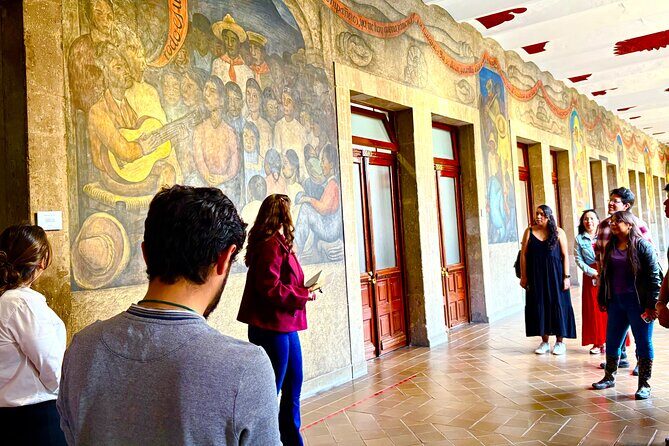
Día de los Muertos has rules, and this tour teaches them. In downtown San Miguel de Allende, you’ll get a guided, story-first look at how the tradition moved from pre-Hispanic roots to today’s Día celebrations. I love that the focus isn’t just costumes and photos; it’s the meaning behind cemeteries and how people remember the dead.
You’ll also spend time understanding the role of the Church in the viceroyalty era and spot church crypts while you walk through the historic center. The main drawback to consider is that it’s a walking experience with a decent amount of uphill, and the pace can be affected during busy parts of the celebration.
In This Review
- Key highlights at a glance
- Why This Día de los Muertos Walk Works in San Miguel de Allende
- Price, Time, and Group Size: What the $34 Ticket Really Buys
- Getting There: Meeting at Mesones 53 and Ending at Jardín Allende
- Stop-by-Stop: How the Downtown Route Teaches Día de los Muertos
- Stop 1: Downtown San Miguel de Allende (the core learning walk)
- Cemeteries, Pre-Hispanic Roots, and the Church’s Influence
- Altars in Homes and Plazas: What You Should Pay Attention To
- The Cemetery Portion: Make Sure You Still Get a Good Finish
- Guide Quality Can Make or Break Your Experience
- Walking Considerations in Hilly San Miguel
- Practical Tips to Get More From Your 2 Hours
- Who Should Book This Tour (and Who Might Want a Different One)
- Should You Book This Day of the Dead Tour?
- FAQ
- How long is the tour?
- Is the tour in English?
- What’s the group size limit?
- Where do we meet and where does the tour end?
- Is the tour difficult to walk?
- What’s the cancellation policy?
Key highlights at a glance
- Cemetery history, explained in plain language so you can connect the dots while you see the sites
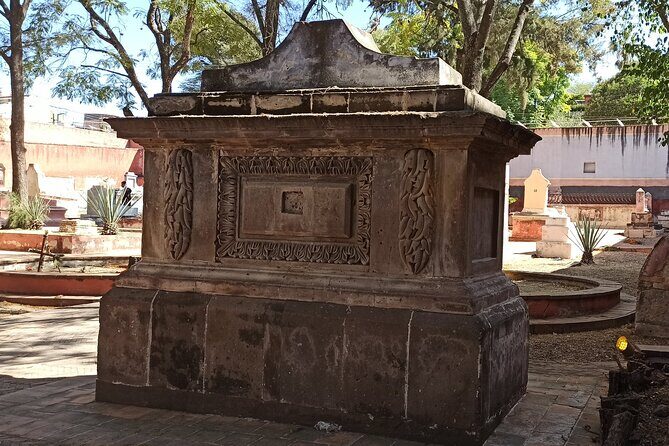
- Church crypts and viceroyalty-era context that adds depth to what you’re seeing in town
- Altars in homes and public spaces with guidance on what the elements are meant to communicate
- Small group size (max 20) which keeps the experience manageable for most people
- English-speaking guide and mobile ticket for an easy start in the center of San Miguel
Why This Día de los Muertos Walk Works in San Miguel de Allende
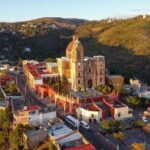
San Miguel de Allende does Día de los Muertos in a way that feels personal, not staged. The biggest reason I like this kind of tour is simple: you don’t just watch the holiday happen. You understand why certain things are shown, where they show up, and how the pieces connect.
This tour is designed as a downtown walk with a strong interpretive focus. You’ll learn about the history of cemeteries in San Miguel and how the tradition evolved from pre-Hispanic times to what you see during the current festivities. That background matters, because the decorations make more sense once you know what they’re pointing to.
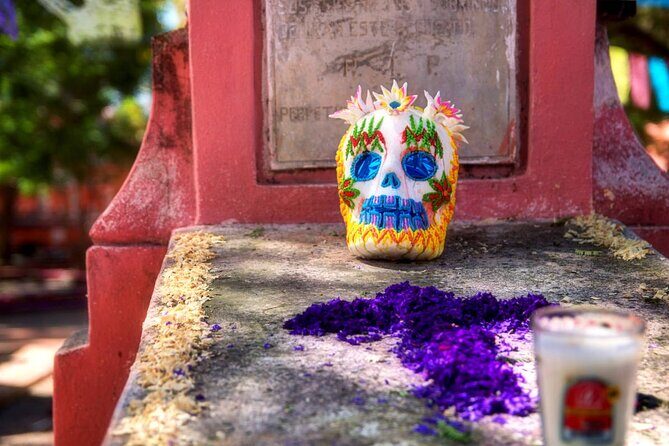
You’ll also get help reading the holiday visually. As the route moves through the center, you’ll encounter areas where houses, plazas, and private buildings begin decorating with color—sometimes with altars. Your guide talks you through the meaning when you reach these displays, so you’re not left guessing what you’re seeing.
You can also read our reviews of more tours and experiences in San Miguel de Allende.

Price, Time, and Group Size: What the $34 Ticket Really Buys
The price is $34 per person for about 2 hours. For a guided walk on a major holiday, that’s a solid value—especially because the tour centers on interpretation, not just movement from one photo spot to another.
A couple things make the price feel reasonable:
- You get a certified, experienced guide leading the story and pointing out what to watch for.
- The group is capped at 20 travelers, which usually helps the experience feel organized rather than chaotic.
- Admission is listed as ticket free, so you’re paying mainly for the guide and time together.
If you like learning while walking, you’ll feel your money go further. If you’re hoping for a long, sit-down event with lots of downtime, this won’t match that style. It’s a compact 2-hour window—good for people who want meaning without a full-day commitment.
Getting There: Meeting at Mesones 53 and Ending at Jardín Allende
The tour starts at Mesones 53, Zona Centro, in the historic center of San Miguel de Allende. It ends around Jardín Allende (Principal 18), which is one of the easiest places to keep your bearings after the tour.
That end point is practical. You can turn your afternoon or evening into a continuation plan—dinner, browsing, or another stroll—without having to figure out a complicated return route.
One more detail I appreciate: you’ll get a mobile ticket. That cuts down on the usual holiday stress of printing and checking paper confirmations.
Stop-by-Stop: How the Downtown Route Teaches Día de los Muertos

This experience is built as one main outing through the downtown area. Think of it as one continuous learning session, with key moments where the guide slows you down to make sure you understand what you’re looking at.
Stop 1: Downtown San Miguel de Allende (the core learning walk)
Right as you start, you’re not just dropped into the holiday. You’re guided into it.
The guide sets the scene by covering:
- the history of cemeteries in San Miguel
- how Día de los Muertos connects back to pre-Hispanic traditions
- how the tradition shaped itself over time into today’s celebrations
You’ll also hear about the importance of the Church in viceroyalty days. That matters because it helps explain why you’ll notice a blend of spiritual ideas and visual language across the center. When Día decorations start showing up—color, symbolism, and altars—you’ll have context for why those choices weren’t random.
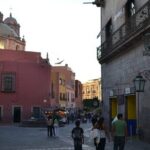
As you walk, you’ll reach parts of downtown where the guide highlights crypts in some churches. Instead of treating churches as scenery, you learn what to look for and why these spaces matter during the Days of the Dead.
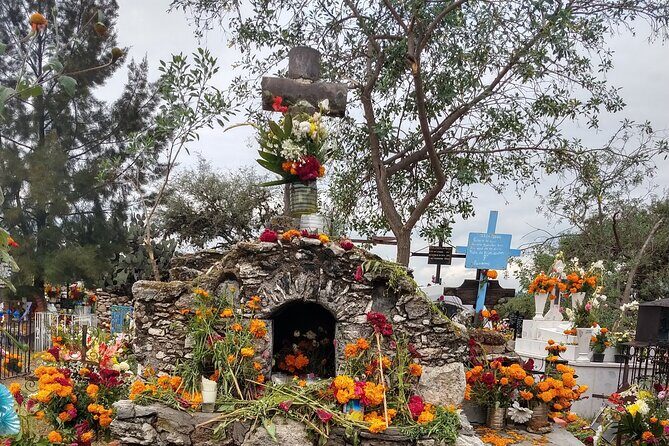
A key part of this stop is the altar spotting. Your guide points out that during these days, houses, plazas, and private buildings start decorating. When your route hits one of these displays, the guide explains what it represents and how the altar elements fit into the bigger idea of honoring the deceased.
What you’ll get out of this stop: clarity. By the time you reach the cemetery portion later, the decorations and church details won’t feel like background noise.
What to watch for: this is a walking tour, and it includes uphill sections. If you take it slowly and stay with your guide, you’ll be fine. If you fall behind, it’s harder to catch up while also hearing the explanations.


Cemeteries, Pre-Hispanic Roots, and the Church’s Influence
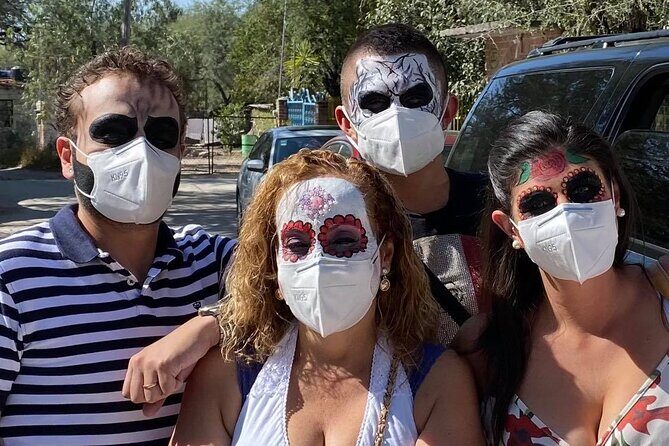
What I found most useful about the tour’s structure is that it doesn’t treat Día de los Muertos as one straight line. It shows evolution.
First you get the pre-Hispanic foundation: how people in the region understood remembrance and the cycle of life and death long before modern customs looked the way they do now. Then you get the historical layer of how things changed—especially as the Church gained influence.
This is where the tour earns its keep. Once you understand the Church’s role in the viceroyalty era, the presence of religious architecture and crypt references starts to feel like part of the tradition, not just a tourist attraction.
I also like that the guide’s emphasis keeps returning to “why.” When you’re walking past buildings and seeing decorations appear, it’s easy to treat it like a themed street festival. This tour teaches you to treat it like a cultural practice with deep roots.
Altars in Homes and Plazas: What You Should Pay Attention To
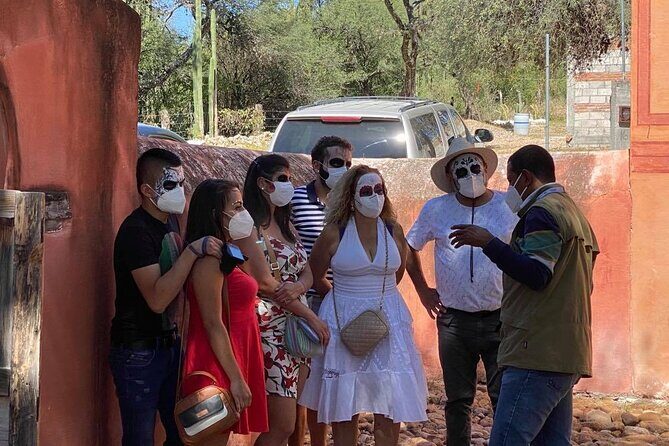
Día de los Muertos is visual. But the visuals mean more when someone teaches you how to read them.
On this tour, you’ll be told to watch for altars in places beyond just one big public display. You may see decorations in:
- houses
- plazas
- private buildings
When you reach one of these, the guide walks you through the meaning of what’s there. That guidance is the difference between “pretty photos” and “I get it.”
Here’s how to make this part work for you:
- Slow down when your guide stops. Don’t try to keep moving for the sake of pace.
- Look at the altar as a message, not just objects. Even if you don’t catch every word, the guide gives you the framework.
- Ask quick questions if you’re confused. This is the moment the tour is built for.
If you’re the kind of traveler who likes to understand symbols—colors, offerings, and the overall purpose—you’ll enjoy this section the most.
The Cemetery Portion: Make Sure You Still Get a Good Finish
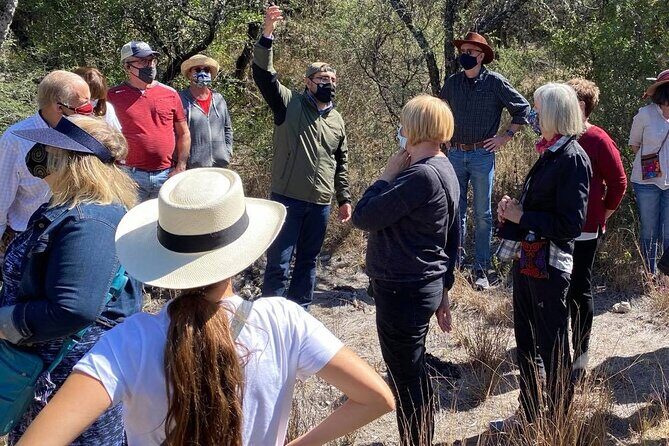
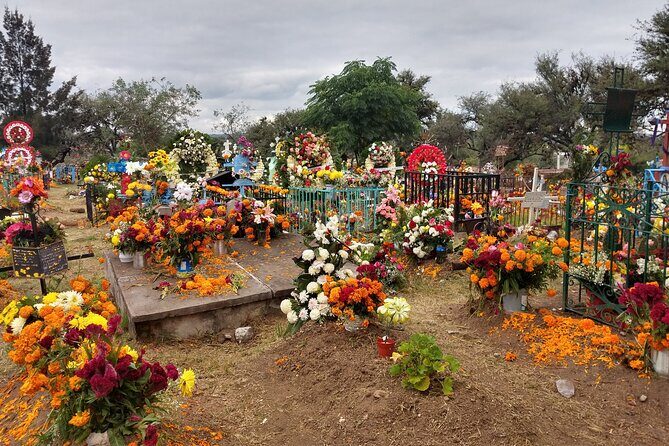
The tour includes a cemetery visit as part of the day’s route. The goal is a closing that ties together the history, the churches and crypts, and the altar meanings into one coherent theme.
Here’s the practical reality to keep in mind: during Día de los Muertos, the timing can be tight and schedules can shift when multiple groups overlap. If your guide runs behind, you may have less time for a relaxed cemetery stop than you expected.
I don’t say that to scare you. It’s just smart planning. If cemeteries are the main reason you booked this tour, I suggest you:
- arrive on time,
- keep your questions focused so you don’t run over time,
- and treat the cemetery as a meaningful stop, not a “photo marathon.”
Guide Quality Can Make or Break Your Experience
This is the sort of tour where the guide truly matters. The best versions of this walk come from someone who can connect history to what you’re seeing right now.
You may encounter different guides. The tour provider is J. Jesus Rodriguez, and the tour experience has been led by guides including Jalal and Jesús. In the strongest moments, you’ll feel like you’re not only learning facts—you’re hearing how the tradition lands emotionally for people who live the culture.
In my view, the tours that hit hardest are the ones where the guide explains Día de los Muertos in a personal, human way. You’ll notice this in the guide’s tone when they describe how people honor the deceased and what these practices mean beyond the surface.
If you’re comparing options, don’t pick the cheapest-looking walk. Pick the one where the guide sounds like a storyteller who can keep the group moving while still explaining the “why.”
Walking Considerations in Hilly San Miguel
Expect a moderate physical fitness level. The route includes lots of walking, and it can be uphill.
This is important because it affects how well you’ll hear the guide and how much you’ll enjoy the stops. If you’re prone to getting winded, bring a slower pace. If you’re traveling with anyone who has trouble standing or walking for long stretches, you may want to consider another plan or at least be ready for a slower follow.
Also keep in mind that even with a max group size of 20, Día crowds can make it harder to stay close to the front. If you’re carrying a small stroller or traveling with a child who needs space to move, the walking and crowd control can be less comfortable than a flat museum visit.
Practical Tips to Get More From Your 2 Hours
You’ll have the best experience if you plan for the tour’s nature: a compact, guided walk with meaning at each stop.
Bring:
- comfortable shoes for uphill stretches
- a water bottle (especially if you tend to get thirsty while walking)
- a phone with enough battery for the walk (even if you’re mostly listening)
During the walk:
- Stay near the guide when they pause for explanations.
- If something is unclear—an altar element, a crypt reference—ask right away. The tour timing is short, so your question is most useful in the moment.
- Don’t treat the tour like a checklist. The best learning happens when you let the guide connect history to what you can see.
And one small mindset shift helps: go in expecting a story. You’re not just collecting “what is there.” You’re learning “what it means.”
Who Should Book This Tour (and Who Might Want a Different One)
This tour fits best if you want:
- a short, structured downtown experience
- a guide-led explanation of cemetery history and religious context
- help reading altars and the symbols you’ll see during Día
It’s also a good choice if you’re visiting San Miguel during the Days of the Dead but don’t want to spend the whole day on a single activity. Two hours is enough to deepen your understanding, then you can explore on your own.
You might choose a different option if:
- you have limited mobility and uphill walking is a big issue
- you dislike group pacing and prefer fully self-guided sightseeing
- you’re expecting a long cemetery visit with lots of time to linger without moving
Should You Book This Day of the Dead Tour?
Yes, you should book it if you want meaning fast. For $34, you get a tight 2-hour walk led by trained guides, with explanations that connect cemeteries, church crypts, and altars to the bigger Día story. It’s especially worth it when you’re the type of traveler who likes to understand the “why” behind what you see.
I’d say book with a small dose of realism too: it’s a walking tour during a busy cultural holiday. If you arrive ready to move, listen, and pace yourself, you’ll come away with a stronger connection to San Miguel’s Día de los Muertos than you’d get from wandering alone.
FAQ
How long is the tour?
It lasts about 2 hours.
Is the tour in English?
Yes, it’s offered in English.
What’s the group size limit?
The maximum group size is 20 travelers.
Where do we meet and where does the tour end?
You start at Mesones 53 in Zona Centro and the tour ends at Jardín Allende (Principal 18), both in the historic center.
Is the tour difficult to walk?
It’s listed for travelers with moderate physical fitness, and the walking includes uphill sections.
What’s the cancellation policy?
You can cancel for a full refund if you cancel at least 24 hours before the start time. If you cancel within 24 hours of the start time, it isn’t refunded.