Death shows up as art here.
In Oaxaca City, The Art of Death in Oaxaca turns a normal walk into a street-level lesson in Day of the Dead symbolism. I love how the guide’s explanations help you read the neighborhood like an open-air gallery, and I also love the easy pace through Barrio de Jalatlaco, one of the quieter corners of the city. One thing to consider: if a parade or crowding affects your route, start nearby and stay flexible about timing.
This experience is built around how Oaxacans connect the living with memory, using murals, skull imagery, and symbolic details you’d otherwise miss. With a small group (up to 15), it stays personal enough for questions, and the focus stays on understanding what you’re seeing rather than rushing past it.
In This Review
- Quick hits before you go
- Jalatlaco’s murals turn a walk into cultural meaning
- Where you start: Templo de San Matías Jalatlaco logistics
- The core walk in Barrio de Jalatlaco: learning to read murals
- Juan Pablo’s explanations: why this tour works
- Price and value: what $59.85 buys you in real time
- Small group pacing: better attention in Jalatlaco
- Practical tips for enjoying the murals and the streets
- Should you book The Art of Death in Oaxaca?
- FAQ
- How long is the Art of Death in Oaxaca walking experience?
- Where does the tour start?
- How many people are in the group?
- Is admission included?
- What is included in the price?
- What is not included?
- Is free cancellation available?
Quick hits before you go
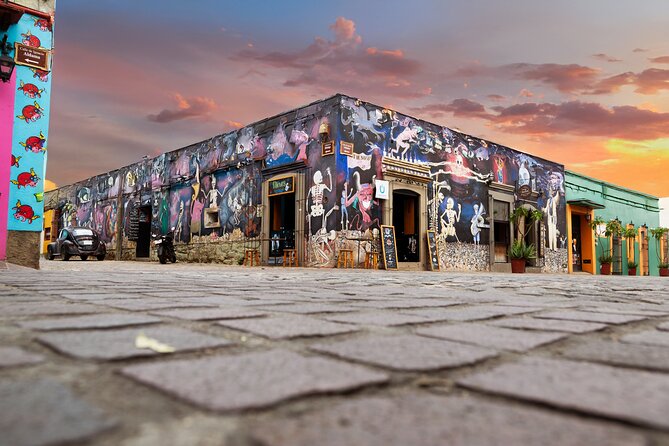
- Juan Pablo guides the walk with clear explanations that make the murals easier to appreciate.
- Jalatlaco is the star: cobblestones, adobe houses, and an old-village feel inside Oaxaca City.
- Death as art, in real street form: you’ll see festive skulls, ancestors’ themes, and meaningful symbols.
- Short and manageable: about 1 hour 10 minutes on foot, ending back where you start.
- Small group size (max 15) keeps the tour from feeling like a conveyor belt.
Jalatlaco’s murals turn a walk into cultural meaning
If you like Oaxaca for its food and crafts, you’ll still have plenty to enjoy here. But this tour offers something different: it teaches you how art communicates memory—right where you stand.
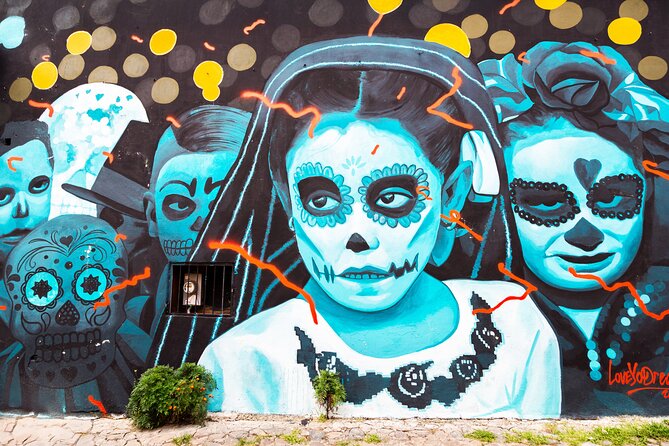
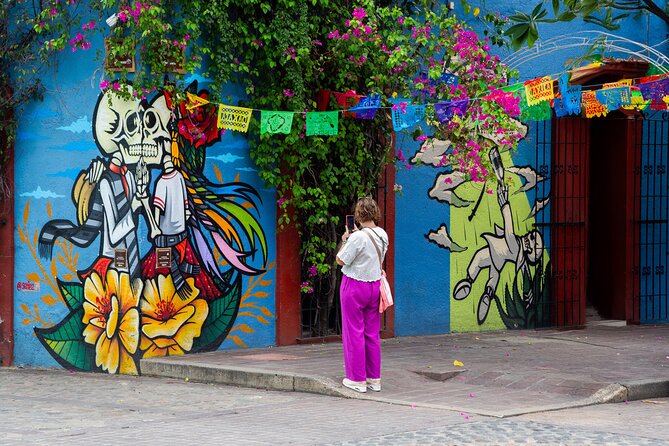
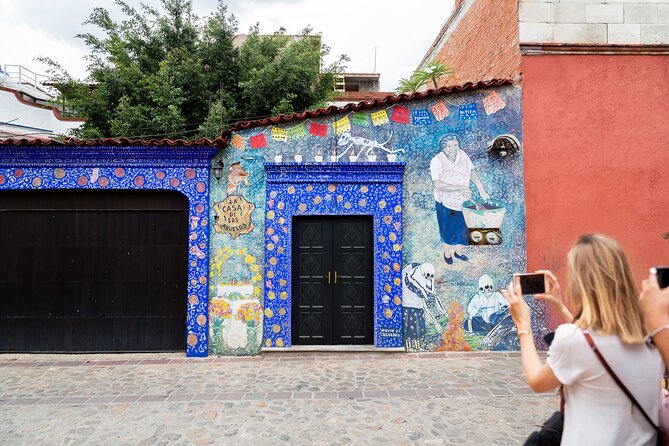
In Barrio de Jalatlaco, death isn’t treated like a subject to avoid. It’s part of daily visual language. You’ll walk past murals that point to ancestors and family remembrance, along with skull imagery presented in a festive way rather than scary. The key is that you’re not just looking. You’re learning how the living and the past coexist in Oaxacan worldview, and how a neighborhood can function like a community museum.
What makes this especially rewarding is the way the guide frames what you’re seeing. Without that context, a mural can look like color and pattern. With the explanation, it becomes a message—one that connects generations. That’s the value of choosing a cultural walking tour that prioritizes interpretation over sightseeing checklists.
Also, the setting matters. Jalatlaco is described as a kept-secret area that preserves the charm of an older village inside the city. That means you’re not walking only for views; you’re walking through a place that still feels lived-in, with cobblestones and adobe textures that make the symbolism feel grounded rather than staged.
You can also read our reviews of more tours and experiences in Oaxaca City.
Where you start: Templo de San Matías Jalatlaco logistics
The walk begins at Templo de San Matías Jalatlaco, at Miguel Hidalgo 211, Barrio de Jalatlaco, 68080 Oaxaca de Juárez, Oax., Mexico. You’ll end back at the same meeting point. That loop is helpful if you’re trying to keep your afternoon unplanned or connect to other activities in central Oaxaca City.
This matters more than it sounds. When a tour starts and ends in one easy location, you don’t waste time hunting for a new pickup point or trying to get back across town while your energy is running low. For a short experience—about 1 hour 10 minutes—staying close to home base is a real quality-of-life upgrade.
The tour uses a mobile ticket, and you should receive confirmation at booking. It also notes that service animals are allowed and that the tour is near public transportation. Most travelers can participate, which is good news if you’re not looking for anything strenuous.
One practical thought: because this is in a neighborhood setting, you’ll want to arrive a little early to settle in. Oaxaca’s streets can get busy, and the best meeting spot is the one you can find without sprinting while searching for the group.
The core walk in Barrio de Jalatlaco: learning to read murals
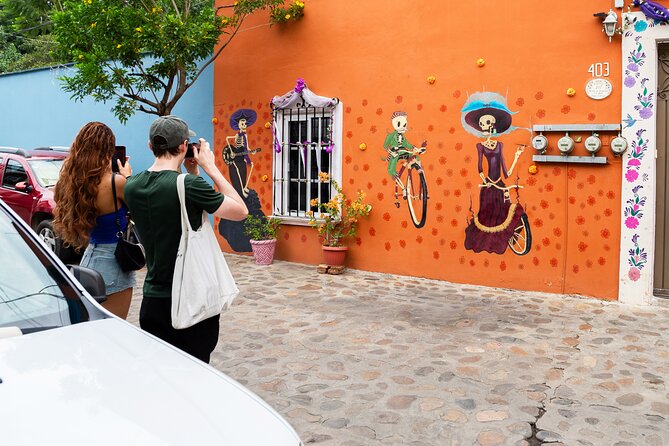
You’re going to spend about one hour walking through Jalatlaco, with the main focus on murals and street symbolism. The tour keeps a steady pace that’s long enough to feel like a real walk, but short enough that you’re not mentally exhausted before the most interesting bits.
Here’s what you can expect during the walk:
You’ll start in the neighborhood’s historical streets, where the visual language of the community is all around you. You’ll look at murals tied to ancestors and remembrance. You’ll also encounter images that use skull themes as part of festive art—an approach that’s different from how many cultures treat death imagery.
The biggest difference versus a plain mural stroll is the way the guide connects the visuals to meaning. You’ll hear how art becomes a bridge between generations—how symbols keep cultural roots alive. You’ll also get a lens for understanding the Oaxacan idea that the living coexist with memories rather than putting the past in a separate box.
The neighborhood itself is a silent partner in the storytelling. The route goes through a place with cobblestone lanes and adobe-style buildings, which helps the murals feel like part of the community rather than decoration for visitors. You’ll likely find it easier to slow down and actually notice details because the streets invite walking at a human speed.
Potential drawback: because you’re outside and moving through public streets, anything that affects foot traffic—crowds, local events, or simple congestion—can change the feel of the experience. One past booking had trouble with timing after a parade created crowding, and communication was harder due to signal issues. That’s not something you can predict every day, but it’s a good reason to keep your expectations flexible.
Juan Pablo’s explanations: why this tour works
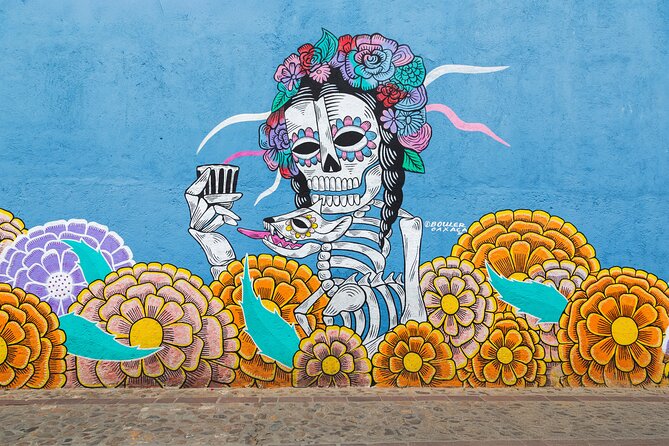
The tour’s success is tightly linked to the guide. In the feedback, Juan Pablo (often referred to as JP) comes up repeatedly for strong explanations. People specifically valued how the guide helps you appreciate the murals, not just pass them by.
That matters because symbolism in public art can be layered. If you only see skulls, candles, or patterned figures, you may not know what you’re looking at. When the guide provides context—how certain imagery relates to ancestors, memory, and the relationship between the living and the past—you start noticing patterns in your own way.
Juan Pablo’s style seems to focus on making the meaning readable. That’s a big part of the value here. This isn’t a lecture, and it’s not trying to turn the street into a museum room. Instead, the guide uses the walk itself as the teaching tool, pointing out how every corner contributes to the theme.
If you’re the type of traveler who likes photography, this kind of guided interpretation also helps. When you understand what a symbol represents, you take better photos. You frame with intention instead of just chasing color.
Price and value: what $59.85 buys you in real time
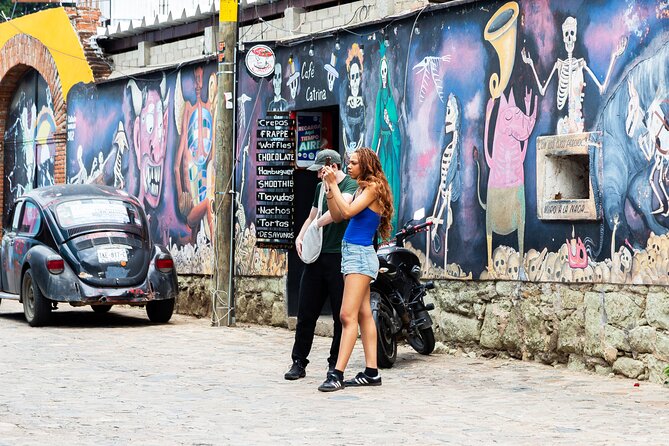
At $59.85 per person, you’re paying for a short, guided, small-group cultural experience rather than a large “attraction package.” The duration—about 1 hour 10 minutes—also tells you the format: this is made to be digestible, easy to fit into a day, and focused on a single neighborhood.
So what’s the value? You’re not paying for entry tickets. The stop details indicate admission is free. You’re paying for interpretation by a local guide, plus the time spent learning to read the neighborhood as an open-air museum of memory and identity.
Compared with longer tours, the short length is a plus. It reduces fatigue. It also gives you room to keep exploring Oaxaca City after—whether that’s another neighborhood, a market stop, or a relaxed meal of your choice.
What’s not included is also clear: meals and drinks aren’t part of the price. That means you’ll want to plan food separately. If you’re scheduling this tour earlier in your day, you might pair it with something light afterward. If you’re doing it later, it’s still short enough to avoid derailing your evening.

Small group pacing: better attention in Jalatlaco

This tour caps at 15 travelers. That isn’t just trivia. In a neighborhood walk, a smaller group means you can actually keep up with the guide, ask questions, and linger at a mural without the whole group pulling you forward.
It also helps with the emotional tone of the experience. The theme—death as art—can sound heavy on paper, but the way it’s presented here is about continuity, memory, and meaning. A small group makes it easier to move at the right pace and for you to connect with the material without feeling rushed.
The walk also stays focused. There’s one main stop area: the neighborhood of Jalatlaco. That keeps the experience coherent. You’re not juggling multiple locations with multiple “themes.” Instead, you get one setting and learn how art and meaning show up again and again in that space.
Practical tips for enjoying the murals and the streets
You’ll get the most out of this tour if you treat it like guided street reading, not a quick sightseeing lap. Here are a few tips based on the format and setting:
- Wear comfortable walking shoes. Cobblestones are part of the Jalatlaco feel, and your feet will notice if you ignore that.
- Give yourself time to look up. Murals and details are not always at eye level when you’re speed-walking.
- Have your questions ready. Since the guide’s explanations are the difference-maker, asking helps you connect the symbolism to what you’re seeing.
- Plan for crowds. If your day has a parade or heavy foot traffic, your route and pacing can shift. Keep your expectations realistic.
- Bring your phone, but don’t rely on perfect signal. One past issue mentioned difficulty contacting the guide due to poor signal. If connectivity is spotty, just arrive a bit early and stay near the meeting point.
If you like photography, you’re likely going to enjoy this one. The mural explanations can guide you toward what to photograph—symbols, compositions, and details that relate to ancestors and remembrance.
Should you book The Art of Death in Oaxaca?
Book it if you want Oaxaca City through a cultural lens, not just photos. This is a good fit when you enjoy walking, paying attention to public art, and learning how traditions show up in everyday street life. The strongest reason to choose it is the guide-led interpretation—especially Juan Pablo, who’s highlighted for clear explanations that make the murals click.
Skip it or think twice if you hate schedule uncertainty. A prior booking had timing issues after a parade created crowding, and communication delays happened due to signal problems. If you’re trying to squeeze this into an ultra-tight itinerary with zero flexibility, you might feel stressed.
FAQ
How long is the Art of Death in Oaxaca walking experience?
It lasts about 1 hour 10 minutes (approximately).
Where does the tour start?
The tour starts at Templo de San Matías Jalatlaco, Miguel Hidalgo 211, Barrio de Jalatlaco, 68080 Oaxaca de Juárez, Oax., Mexico.
How many people are in the group?
The tour has a maximum of 15 travelers.
Is admission included?
Admission for the main stop is listed as free.
What is included in the price?
You get a cultural experience with a local guide.
What is not included?
The experience does not include meals (and drinks are not included either).
Is free cancellation available?
Yes. You can cancel up to 24 hours in advance for a full refund.