REVIEW · MEXICO CITY
Small Group: Discover Puebla and Cholula from Mexico City
Book on Viator →Operated by INTERLIV TRAVEL · Bookable on Viator
Puebla and Cholula hit different. This day trip strings together pre-Hispanic wonder, Spanish-era church drama, and Puebla’s famous central square in one long stretch.
I really like the small-group format (max 15) and the way the guide keeps the day moving without feeling rushed. I also love that the experience includes a Talavera tile-making stop, so you’re not just looking at pretty stuff, you’re learning how the craft actually works.
The main drawback to plan for is time. It runs about 11 hours, and your actual sightseeing can feel shorter if traffic and breaks stretch the day, especially if Cholula’s archaeological access is limited.
In This Review
- Key points to know before you go
- A long but smart day: Cholula and Puebla from Mexico City
- Hotel pickup and the ride south: smoother than DIY
- Great Pyramid of Cholula: the stairs, the church, and timing reality
- Talavera tile-making: how craft adds meaning to what you see
- Puebla’s Zócalo: cathedral views, Rosary Chapel area, and church details
- Markets and craft shopping: enjoy them, but keep control of your time
- Guides make or break it: the best part is the explanations
- Value at $89.50: what you get for the money
- Should you book this Puebla and Cholula small-group tour?
- FAQ
- What time does the tour start, and how long does it last?
- How large is the group?
- Do you pick up and drop off from my hotel?
- What is included in the $89.50 price?
- Are food and drinks included?
- What happens if the weather is bad?
Key points to know before you go
- Max 15 people in an air-conditioned van, with more personal time from your guide
- Great Pyramid of Cholula + Church on top, a rare mix of archaeology and Spanish-era Catholic architecture
- Talavera tile-making gives you a hands-on craft lesson, not just photo stops
- Puebla’s Zócalo area focuses on the cathedral/chapels and the old-city streets
- Expect real walking, including steep steps at Cholula and a longer stroll in Puebla
- Food isn’t included, so you’ll need to budget lunch and drinks on your own
A long but smart day: Cholula and Puebla from Mexico City
This tour is for people who want structure. You leave Mexico City in the morning, you get transport handled, and you’re guided through the two places that most people only ever see as a quick blur. Cholula brings the big visual moment: a pre-Hispanic pyramid topped with a church built by the Spaniards—so you’re not choosing between history eras. You get both, layered in one view.
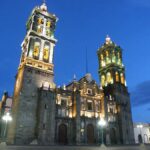
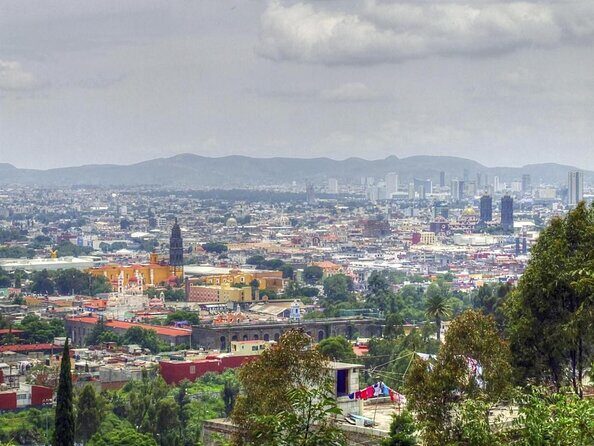
Puebla is the other half of the story. The historic center is a UNESCO Cultural Heritage site, and your time centers on the main square area—where the cathedral and nearby churches shape the skyline with their domes and detail. If you like walking streets, pausing for good architecture, and learning why places look the way they do, this format works.
One thing to know up front: this is an 11-hour day on paper. In real life, it can run longer because travel time and photo stops add up. The good news is that the tour keeps things organized, and you’re never stuck on your own.
You can also read our reviews of more city tours in Mexico City

Hotel pickup and the ride south: smoother than DIY
Meeting starts at 9:00 am, and the experience ends back at the meeting point. Pickup and drop-off are included from your hotel or the nearest meeting point, using an air-conditioned vehicle.
That may sound basic, but it matters in this region. Getting to Cholula and Puebla on your own means juggling transit changes, timing, and where you’ll meet back up. Here, you’re handed a clear plan: you show up, you go, you return. With a small group (up to 15), the van setup also tends to feel more personal than a large bus situation.
A practical tip: since it’s offered in English and uses a mobile ticket, make sure your phone is charged and your email/message confirmation is easy to access. Also, if your guide contacts you beforehand to match names or details, respond quickly. One traveler shared they sent a picture so the team could recognize them at pickup—small step, big stress saved.
Great Pyramid of Cholula: the stairs, the church, and timing reality
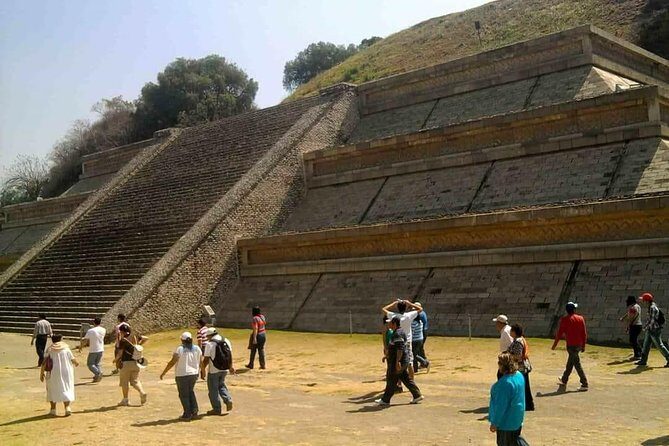
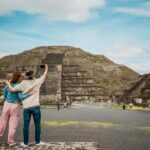
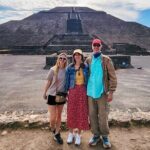
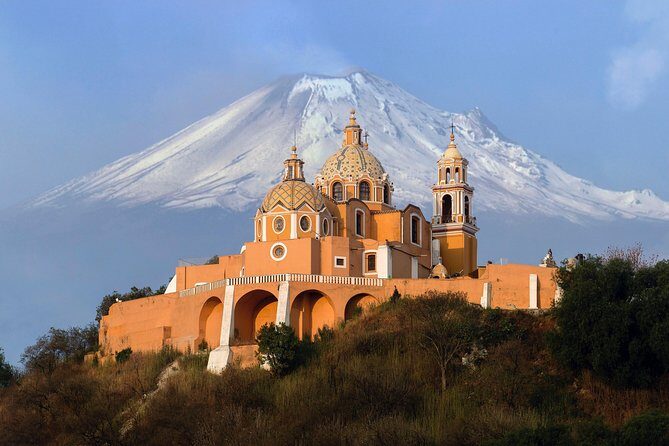
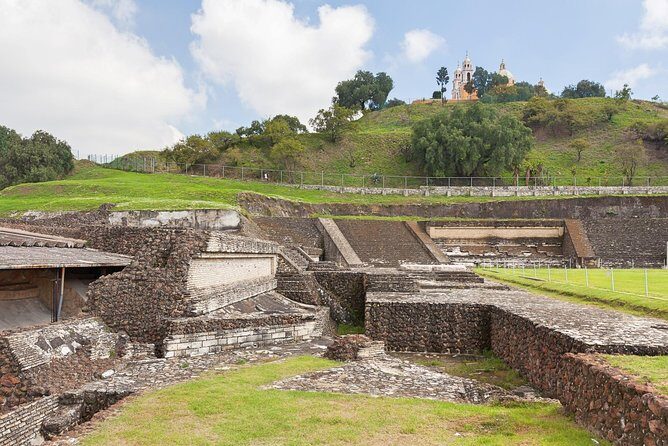
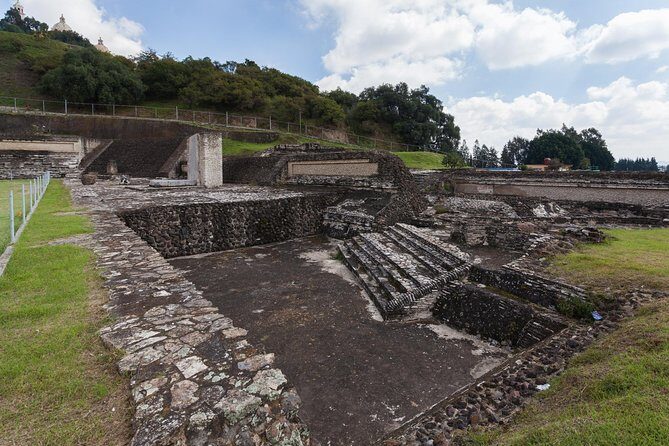
Cholula isn’t just ruins. It’s a living city—well known for its hundreds of churches—plus a major archaeological zone. The star stop is the Great Pyramid of Cholula, often described as the largest pyramid in the world, and the part most visitors remember: at the top sits the Church of Nuestra Señora de los Remedios, built by the Spaniards.
You get about 1 hour 30 minutes there, and admission for this stop is listed as free. That’s enough time to get your bearings, walk the area, and—if you choose—the climb up to the viewpoint and church setting.
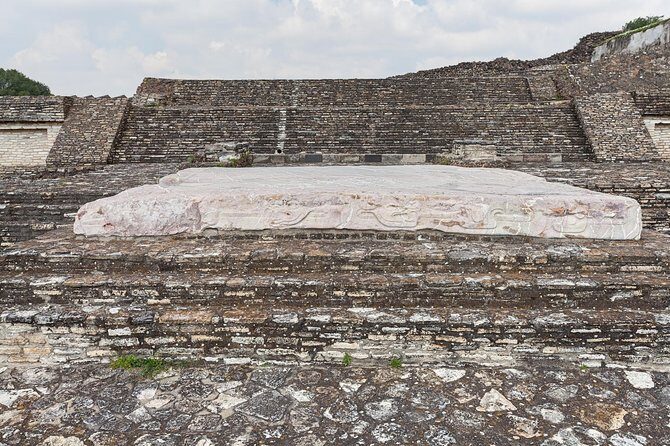
Here’s the consideration: access and closing times can affect what you can do on the ground. One experience reported that the archaeological zone was closed on the day they went, and another noted that ticket sales stop at 4:00 pm, so arrival time mattered. Even if you still see the church and surroundings, limited access can reduce how much you can explore.
So if Cholula’s archaeology zone is your top priority, be ready to be flexible about timing and day-of access. The tour is weather-dependent, too, since good weather is required for the experience. If skies don’t cooperate, plan for schedule changes.
Also: the climb can be tougher than it looks on a postcard. One person called out that the church/pyramid hill is not easy. Bring patience, pace yourself, and expect you’ll earn your photos.
Talavera tile-making: how craft adds meaning to what you see
One of the strongest reasons to pick this tour is that it includes Talavera tile-making. Talavera tiles aren’t just decoration; they’re part of Mexican craftsmanship culture, and seeing how they’re made helps you connect the dots when you later notice patterns on buildings and in markets.
Even without a deep technical lecture, a craft stop changes the whole vibe of your day. You start looking at the same motifs differently. Instead of thinking, That’s pretty, you think about the labor, the design choices, and the materials behind the look.
Some of the cultural extras tied into the day can include explanations of how traditions connect to everyday objects—like dyeing and colors. One review mentioned learning about using plants for dyes and then having a liquor tasting during the broader cultural program. That means your “craft time” may be paired with other hands-on or taste-based context, depending on the exact flow that day.
If you’re the type who likes to understand how things are produced—who cares where color comes from and why patterns look the way they do—this stop is one of the best value parts of the day.
Puebla’s Zócalo: cathedral views, Rosary Chapel area, and church details
Puebla is where the day shifts from pyramid-and-church symbolism to classic city-center architecture. Your focus is Zócalo de Puebla, and the centerpiece time is about 2 hours, with admission listed as free.
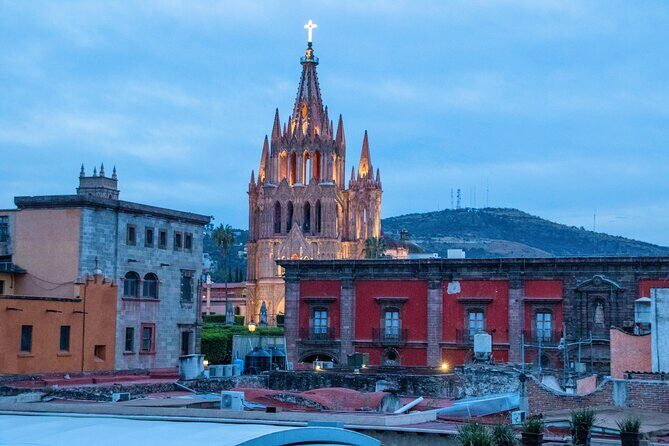
This is UNESCO territory, so the look of the historic core isn’t random. You’ll see the main square, the cathedral area, and the Rosary Chapel, along with older buildings dating back to the 16th century. The domes and façades create a skyline that feels almost designed for walking and pausing every few minutes.
A big part of the appeal is church interior decoration. One traveler highlighted how ornate the inside of the main church was—so if you’re into interiors, plan to spend part of your Zócalo time doing exactly that. One key practical note: some churches limit photography inside, and you may see requests for voluntary contributions toward upkeep. You’re not forced to give, but it’s a good moment to decide with your conscience and your small cash.
Also, expect walking. One review mentioned about a two-hour walk in Puebla. Even if the “free time” sounds casual, the streets around the Zócalo spread out, and you’ll naturally move between viewpoints, church entrances, and market areas.




Markets and craft shopping: enjoy them, but keep control of your time
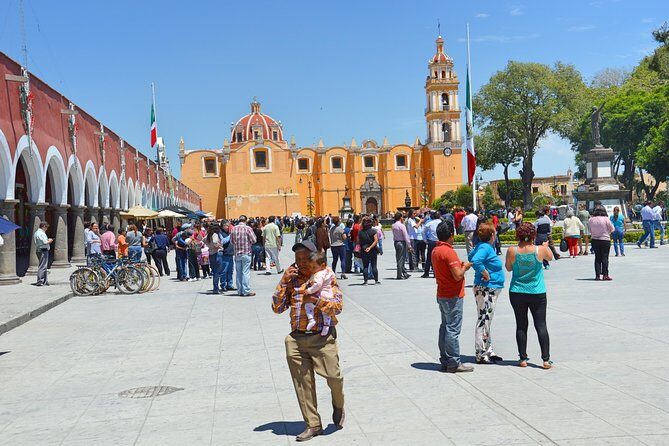
Puebla’s Zócalo area is also where you can mix history with shopping. Craft markets are part of the day, and the neighborhood streets lend themselves to browsing. This is the part where you can pick up small ceramics, textiles, or tile-inspired souvenirs.
Here’s the only caution: if you’re not in the mood to buy anything, you still want to protect your time. One experience described lunch and shopping taking longer than expected, and the guide redirected the group to a shop and later to a library with a small museum to make up time. That ended up feeling frustrating for that person because they wanted different priorities.
My advice: if you care about a specific purchase, set a simple boundary before you arrive. For example:
- Decide what you’ll browse (tiles/ceramics vs. textiles vs. general crafts).
- Tell yourself how long you’ll shop so you don’t lose your whole Puebla window.
- If a detour pulls too hard in a direction you didn’t plan for, politely ask for your original priorities.
The good part is that the Zócalo area is naturally interesting even without shopping. You’ll still get the architecture and the cathedral/chapel context.
Guides make or break it: the best part is the explanations
The tour experience depends heavily on the guide’s pacing and storytelling, and the names that showed up in positive feedback were consistent: Luis, Carlos, Suzanne, and Dante.
What stood out isn’t just that the guides gave information. It’s that they seemed to connect places to the “why.” One person mentioned explanations about rituals and how plants were used for dyes and clothing materials. Another called out Dante as a great guide and praised the amazing viewpoint from the pyramid. Others emphasized that guides were friendly, respectful, and gave lots of useful details at each stop.
That matters because Cholula and Puebla can feel like a lot of religious buildings in a single day unless someone helps you see the connections. A good guide turns the day into a guided walk through meaning—why Spaniards built on top of indigenous structures, how Puebla’s city layout expresses its heritage, and how craft traditions show up in everyday objects.
Value at $89.50: what you get for the money
At $89.50 per person, you’re mostly paying for three things: transport, a professional guide, and the convenience of pickup/drop-off. Entrance fees are listed as free for the two main stops in the schedule you’ll follow, which helps make the cost feel more straightforward.
If you were to plan this DIY, the hard part isn’t the distance—it’s the coordination: getting yourself and your luggage or group efficiently, finding the right timing for your stops, and managing the walking segments without losing your day. This tour handles the backbone.
Small group size (max 15) is also part of the value. In a smaller van, it’s easier to ask questions, and your guide can keep an eye on pace and needs. That turns “a day trip” into something closer to a guided mini-adventure.
What you should factor in is effort. If you’re expecting a light stroll with plenty of downtime, this isn’t that. You’ll handle the Cholula climb and spend real time walking around Puebla. Also, some people felt the day stretched and sightseeing time shrank. So if your main goal is maximum time inside museums or archaeological zones, you may want a plan that doesn’t rely on day-of access windows.
Should you book this Puebla and Cholula small-group tour?
Book it if:
- You want a guided day trip with hotel pickup and a small group.
- Your must-see list includes Cholula’s Great Pyramid area and the church viewpoint.
- You like learning from craft stops like Talavera tile-making, not only from monuments.
- You’re okay with a long day and can handle some climbing and walking.
Skip it or look for another option if:
- You need guaranteed archaeological access at the exact time you arrive (day-of closures can happen).
- You hate schedule pressure and long travel days.
- You only want a short “best of” highlights run with minimal walking.
If your goal is a thoughtful, guided introduction to Cholula’s layered meaning and Puebla’s central historic core, this is a solid choice. Just go in knowing it’s a full day with real walking—and you’ll get a lot more out of it.
FAQ
What time does the tour start, and how long does it last?
The tour starts at 9:00 am and runs for approximately 11 hours, ending back at the meeting point.
How large is the group?
This is a small group experience with a maximum of 15 travelers.
Do you pick up and drop off from my hotel?
Yes. Pickup and drop-off are included from your hotel or the nearest meeting point.
What is included in the $89.50 price?
The price includes pickup and drop-off, an air-conditioned vehicle, and a professional guide.
Are food and drinks included?
No. Food and beverages are not included.
What happens if the weather is bad?
This experience requires good weather. If it’s canceled due to poor weather, you’ll be offered a different date or a full refund.