REVIEW · SAN MIGUEL DE ALLENDE
San Miguel: Evening Food Tour
Book on GetYourGuide →Operated by Puerto Vallarta Food Tours · Bookable on GetYourGuide
Night in San Miguel tastes like a story. This 3 1/2-hour guided walk through downtown pairs five food tastings with the bigger picture of how Mexican cuisine formed—Aztec, Mayan, Toltec, Moorish, Spanish, and even French flavors show up as the tour explains what’s on your plate. It’s also a great way to experience San Miguel after dark, when the streets feel extra alive.
What I like most is that you’re not just eating. You get real restaurant and vendor stops, plus a guide who connects the dishes to Mexico’s cultural mix and UNESCO’s recognition of Mexican cuisine as intangible cultural heritage. You also leave with an activity map and enough specific recommendations to keep exploring on your own.
One thing to consider: this is a walking tour and it’s not suitable for wheelchair users or people with mobility impairments. Add the dress rules—no shorts or sleeveless shirts—and you’ll want to plan your outfit before you meet at Cantera 1910 Hotel Boutique.
In This Review
- Key Highlights You’ll Actually Feel on the Tour
- San Miguel at Night, Served Course by Course
- Price and What You’re Actually Buying for $98
- The Meeting Point and Small-Group Pace (No Pickup)
- Five Tastings That Trace Mexico’s Crossroads of Influences
- Course-by-Course: What Each of the Five Stops Usually Does for You
- Where You’ll Eat: Downtown Stops That Feel Like Real San Miguel
- City at Night: Why the 3.5 Hours Matter
- The Guides: Storytellers With Real Food Credibility
- What to Wear, How to Pace Yourself, and Who Should Skip This
- Should You Book the San Miguel Evening Food Tour?
- FAQ
- How long is the San Miguel evening food tour?
- How much does the tour cost?
- How many tastings are included?
- Where do we meet for the tour?
- Is hotel pick-up or drop-off included?
- How big is the group?
- What language is the tour guide?
- Are gratuities included in the price?
- Can I cancel for a full refund?
- Is the dress code strict?
Key Highlights You’ll Actually Feel on the Tour
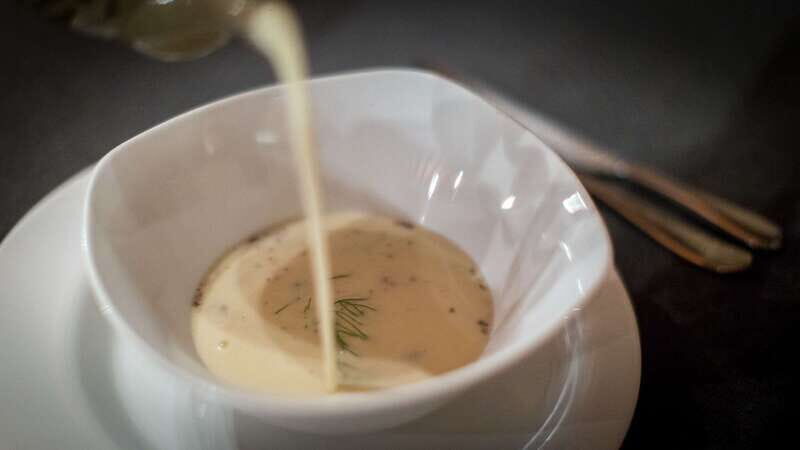
- Five tastings tied to Mexico’s major cultural influences
- Small group (max 8), so questions don’t get lost in the crowd
- Downtown San Miguel at night, with a guided city-and-food lens
- Guides with strong food backgrounds in the feedback (including retired chef experience)
- A standout chile nopales tasting that helped calm fears about chiles
- Plenty of built-in “what to try next” so you can keep eating after the tour
San Miguel at Night, Served Course by Course
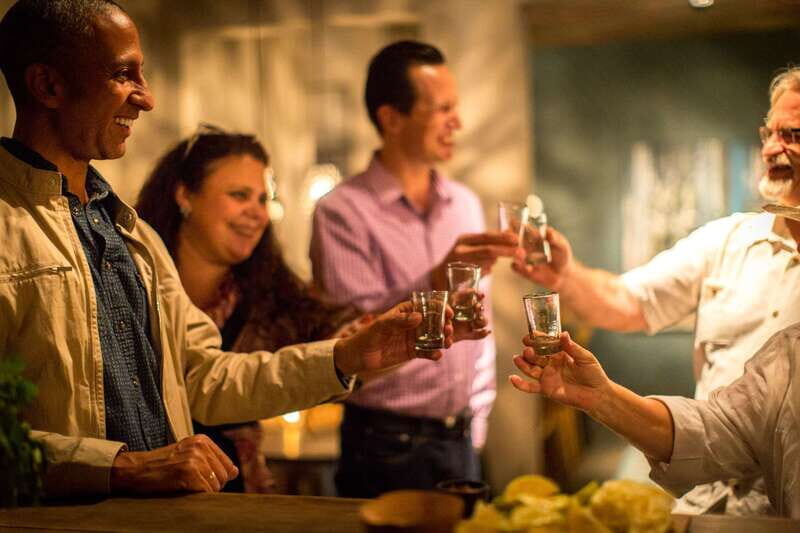
This is the kind of evening food tour that does two jobs at once: you eat well, and you learn how Mexico’s cuisine became what it is today. Over about 3.5 hours, you move through downtown San Miguel with a guide who ties each stop to the cultural influences behind Mexican cooking—so the flavors aren’t just delicious, they make sense.
The tour’s structure matters. With five tastings you get enough variety to feel like a full dinner experience, not just a snack crawl. And because it’s designed around restaurants and vendors, you’re tasting from the kinds of places you’d want to find again later.
I also like that the city itself is part of the program. The tour isn’t only about food in isolation; it frames San Miguel through architecture, terrain, and local stories. That’s how the night walk feels more like orientation and less like rushing from plate to plate.
You can also read our reviews of more food & drink experiences in San Miguel De Allende



Price and What You’re Actually Buying for $98
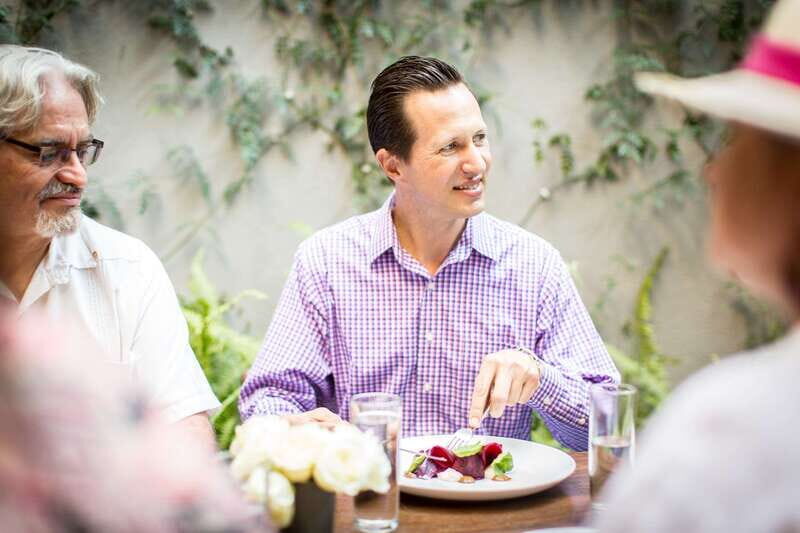
At $98 per person for a 3.5-hour small-group tour, you’re paying for three things: guided storytelling, multiple tastings, and access to chosen spots you might not pick on your own. The math isn’t just about quantity; it’s about how the tour sets up each dish so you taste with context.
Here’s what you do get, clearly stated: five tastings, a guide in English, and an activity map. You also get a small group experience limited to 8 participants, which usually means a better pace and more room for questions. In a place like San Miguel, that’s not a luxury—it’s part of how you actually enjoy the meal stops.
The main “value check” is what’s not mentioned as included. Drinks or wine pairings aren’t listed in the included items, and one review even wished wine had been offered with some courses. If you want alcohol with dinner, plan to ask or be ready to order separately where available.
Also, gratuities are not included (they’re optional). I like that it’s called out, because it keeps expectations honest. If your guide does a strong job—many guides here get called out for entertaining, funny, and food-focused storytelling—then you’ll likely feel good tipping.
The Meeting Point and Small-Group Pace (No Pickup)
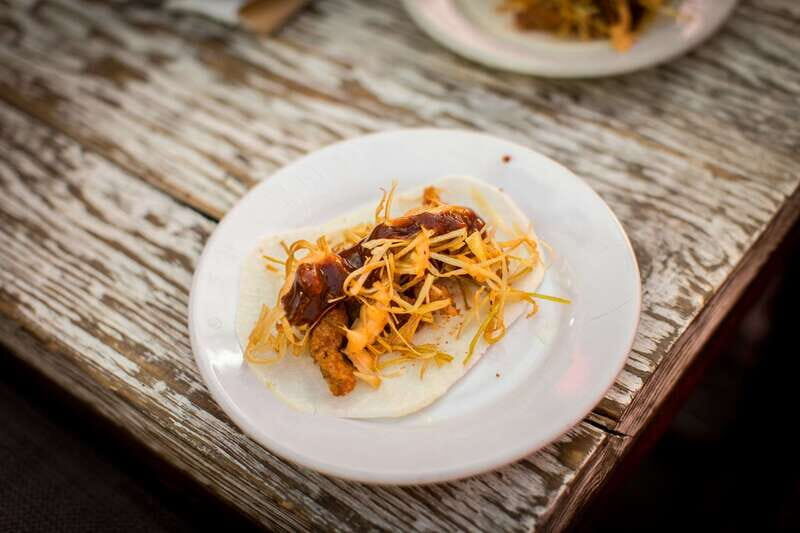
You meet at Cantera 1910 Hotel Boutique. There’s no hotel pickup or drop-off, so you’ll want to pick a walkable base or be comfortable getting yourself to the meeting point.
The best practical detail is the group size: limited to 8 participants. That changes the feel fast. You’re more likely to get personal attention, and the guide can keep the pacing human instead of herding people through crowded sidewalks.
This is also an evening walking format, which means you should plan for moving between stops on foot. Comfortable shoes help more than you think, especially if you’re traveling with a busy first-night schedule and want to keep your energy up for dinner.
If you’re doing San Miguel for the first time, you’ll probably appreciate the orientation side of the tour. If you’ve been there a while and you already know the main squares, you’ll still likely enjoy it because the guide’s route is built around specific food stops and their stories.
Five Tastings That Trace Mexico’s Crossroads of Influences

The tour’s core promise is that Mexican cuisine is bigger than one region or one family recipe. It’s presented as a cultural crossroads—Aztec, Mayan, Toltec, Moorish, Spanish, and French influences—shown through a series of five tastings.
That approach is valuable because it changes how you read flavor. Instead of thinking of dishes as isolated items, you start to notice patterns: how ingredients behave, how spices and techniques create structure, and how historical mixing can show up on a plate centuries later. When the guide connects those dots, you stop tasting at random and start tasting like you’re learning.
UNESCO’s role is also part of the framing. The tour points out that in 2010 Mexican cuisine was added to UNESCO’s list of the world’s intangible cultural heritage. Even if you don’t care about formal designations, that context tells you this isn’t a gimmick. It’s an argument that food traditions deserve serious attention.
You’ll also hear lots of “why this dish matters” talk, not only “what it is.” Several guides in the feedback are described as retired chefs or former chefs, which explains why questions about ingredients, preparation, and technique often get answered in plain, practical terms rather than vague compliments.
Course-by-Course: What Each of the Five Stops Usually Does for You
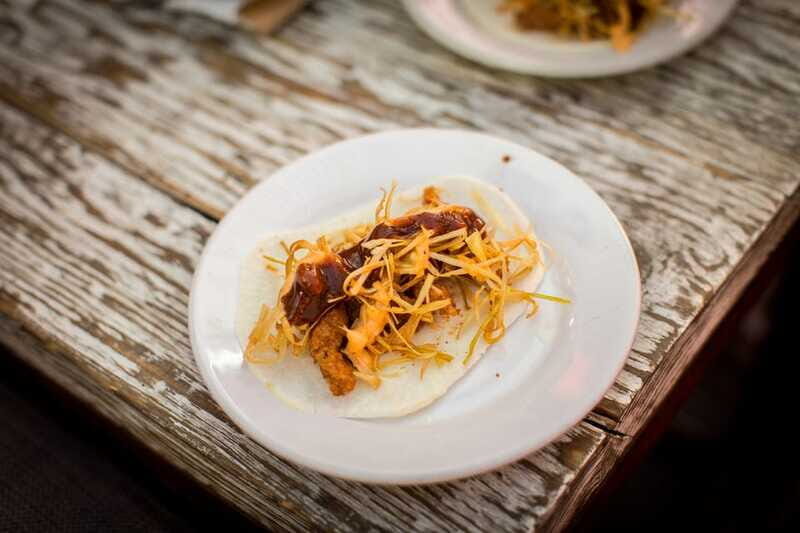
You won’t get a random set of snacks. The five tastings are arranged to teach you, step by step, how Mexico’s culinary identity formed. Since the exact dishes can vary by timing and restaurant availability, the most reliable way to think about the flow is by the role each tasting plays in the story.
Tasting #1: Setting the flavor foundation. Early on, you’ll usually get a dish that helps you “start reading” Mexican flavors—think of it like learning the alphabet before you start a sentence. The guide uses this first stop to frame the kinds of influences you’ll keep seeing as the tour progresses.
Tasting #2: A dish that ties to older indigenous roots. Mid-tour tastings often highlight indigenous ingredients and cooking traditions. This is where you can pay attention to textures and staples, because those are usually the building blocks Mexican cuisine returns to again and again.
Tasting #3: Spanish-era technique and seasoning influence. Another stop connects the way Spanish influence blended with local traditions. You might notice how certain flavors feel more structured or how a dish handles sauce, roasting, or layering—again, the point is to help you recognize “integration,” not just “fusion for fun.”
Tasting #4: The Moorish and spice-technique thread. When the tour reaches the Moorish influence, you’re invited to taste the spice logic behind how flavors combine. Even when you’re not actively counting spices, you’ll likely understand better why certain ingredients show up together and what purpose they serve.
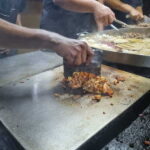
Tasting #5: A memorable local standout—often including chile nopales. One dish called out clearly in feedback is chile nopales. A guest shared that they assumed chiles would be too intense, then had one of their best tastes on the tour. That’s exactly how this last stretch can feel: you relax, taste more confidently, and realize you don’t need to fear chiles to enjoy them.
In plain terms: by the time you reach the final tasting, you’ve learned the guide’s “flavor map.” You’ll know what you’re tasting for, which makes every bite more interesting—and it also helps you order confidently later.
You can also read our reviews of more tours and experiences in San Miguel De Allende


Where You’ll Eat: Downtown Stops That Feel Like Real San Miguel
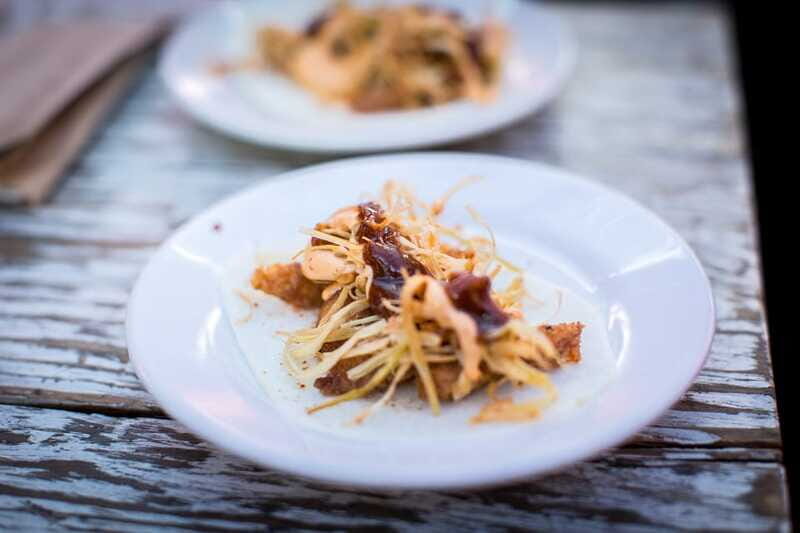
The tour uses carefully selected restaurants and vendors, which matters in San Miguel because not every “tour-friendly” spot is actually worth your appetite. Here, the stops are chosen for food quality and for how well the guide can explain what you’re eating.
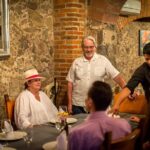
Several review comments highlight the sense of insider access. People talk about hidden-in-plain-sight places, plated food that looks as good as it tastes, and dishes they wouldn’t have tried on their own. That’s why the tour is also good for people who are picky: the guide gives you context so you don’t feel like you’re gambling.
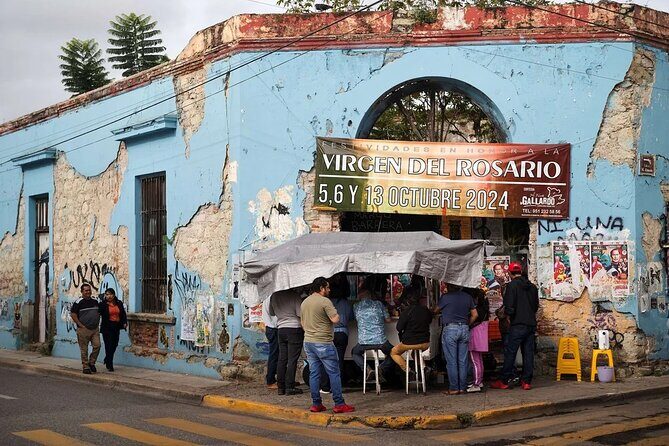
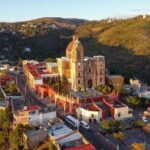
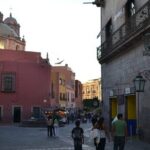
Atmosphere also plays a role. Even when you’re not seated for long, you’re moving through a city that looks especially photogenic at night, with architecture you’ll keep noticing between tastings. The guide’s route helps you connect the visual side of San Miguel with the culinary side, so you’re not just eating in isolation.
One small drawback worth noting: if you’re expecting a specific pairing, like wine included with courses, this is not stated in the inclusions. You may have to order drinks separately, depending on what the restaurant offers.
City at Night: Why the 3.5 Hours Matter
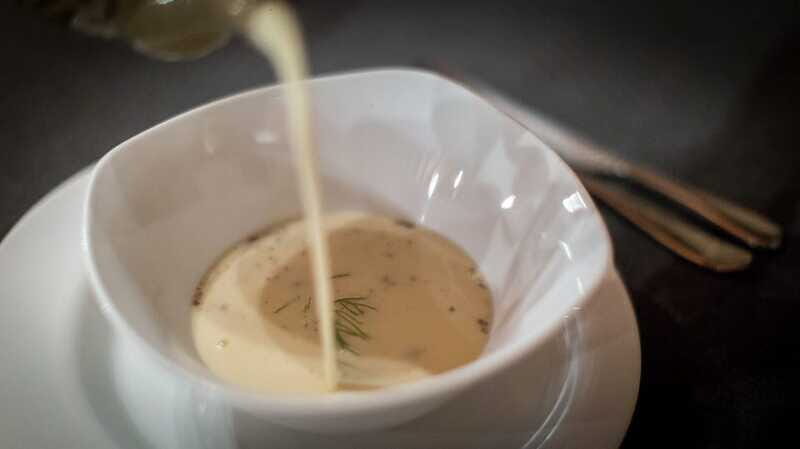
San Miguel at night has a different rhythm. Daytime can feel like a steady stroll. Night feels like a series of “wait, look at that” moments—facades, street lighting, and that evening glow that turns familiar corners into something you remember.
This tour is built for that timing. Over 3.5 hours, you get enough time to settle into the atmosphere without feeling stuck on a long group schedule. You’re also eating steadily enough that you don’t arrive starving and you don’t leave feeling like you just sampled five crumbs.
I also like the social element. You’re walking with a small group of up to 8 people, which makes it easy to chat at a relaxed pace. Several feedback notes mention friendly fun group energy, which usually helps the evening feel less like a lecture and more like a shared meal story.
And because you end with recommendations, you can use the night strategically. Don’t try to cram in a second dinner immediately. Instead, use the guidance to pick a place that matches what you learned—something that builds on the dish style you enjoyed most.
The Guides: Storytellers With Real Food Credibility
This is one of those tours where the guide can make or break the experience, and the feedback here is consistently strong. Names like José, Pascal, Elisa, Victor, and Les come up often, and many guests describe guides who are retired chefs or former chefs with deep experience in cooking and restaurant life.
What you want from a food guide isn’t just facts. You want the ability to explain ingredients in a way you can use later. That’s what shows up in the notes: stories about dishes, how recipes work, and why certain techniques exist.
There’s also a performance element. Some reviews describe the guide as entertaining and funny, and one guest called out an orator-like style that made the dish history feel clear and engaging. That kind of storytelling is practical: when you understand what you’re eating, you’re more likely to replicate the experience back home—or at least order smarter in your next Mexican meal.
If you’re the type who asks questions, this tour is set up for that. With only 8 people, the conversation isn’t constantly interrupted by a large group shuffle.
What to Wear, How to Pace Yourself, and Who Should Skip This
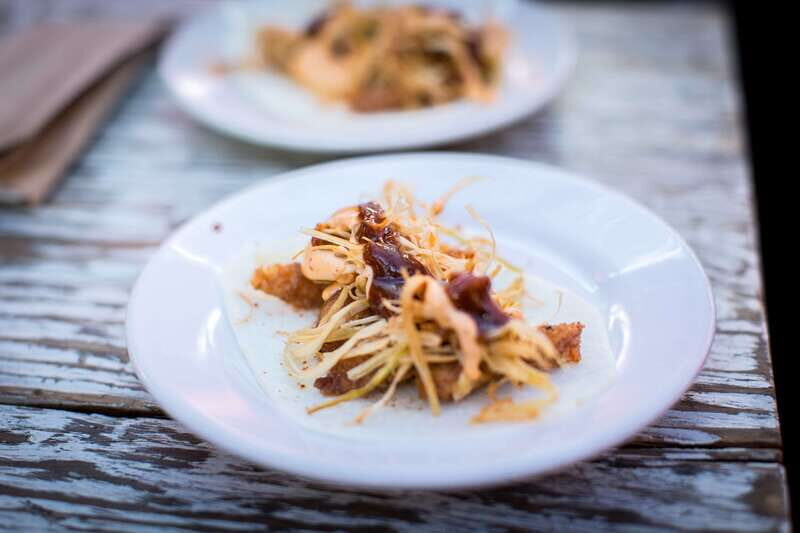
Let’s keep it simple. Dress code matters: no shorts and no sleeveless shirts. Plan an outfit that looks evening-appropriate but also won’t make you miserable if it gets cool or if you’re walking more than you expected.
Foot comfort matters too. You’ll be moving between downtown locations, and 3.5 hours includes time walking as well as tasting. If you’re hoping for a seated, slow-food experience with zero walking, this isn’t designed that way.
Accessibility is limited. The tour is not suitable for people with mobility impairments and not suitable for wheelchair users. If you fall into that category, you’ll want to skip this option and look for something with easier movement requirements.
Who should go?
- You’re new to San Miguel and want a first-night orientation through food.
- You like learning how food connects to culture and history.
- You enjoy trying dishes you might avoid alone (especially if you’re cautious about chile heat).
Who might not love it?
- You want a purely relaxing night with minimal walking.
- You’re only interested in a single type of cuisine and don’t want the cultural framing.
Should You Book the San Miguel Evening Food Tour?
I’d book it if you want a smart way to do San Miguel after dark without guessing where to eat. At $98, you’re getting five tastings plus a guide who explains the influences behind Mexican cuisine, and that context makes the food more memorable.
I’d also book it if you like food storytelling. The guides highlighted in feedback—often with chef backgrounds—sound like they turn each stop into a lesson you can actually use, not a memorized trivia script.
The decision flips if walking is an issue for you, or if you don’t want to follow the dress rules. Since it’s not suitable for wheelchair users or people with mobility impairments, that’s the biggest deal-breaker.
If you fit the basic requirements, this is a strong value for your first night in San Miguel: you’ll eat well, learn a lot, and walk away with places to return to.
FAQ
How long is the San Miguel evening food tour?
It lasts 3.5 hours.
How much does the tour cost?
The price is $98 per person.
How many tastings are included?
You’ll have 5 tastings.
Where do we meet for the tour?
Meet at Cantera 1910 Hotel Boutique.
Is hotel pick-up or drop-off included?
No, hotel pick-up and drop-off are not included.
How big is the group?
It’s a small group limited to 8 participants.
What language is the tour guide?
The tour guide speaks English.
Are gratuities included in the price?
No. Gratuities are optional and not included.
Can I cancel for a full refund?
Yes. You can cancel up to 24 hours in advance for a full refund.
Is the dress code strict?
Yes. Shorts and sleeveless shirts are not allowed.