REVIEW · MEXICO CITY
PRIVATE Tour Downtown & Anthropology Museum & Chapultepec Castle
Book on Viator →Operated by Aztec Guides · Bookable on Viator
A great day in Mexico City starts on a hill. This private tour lines up Chapultepec Castle, the National Museum of Anthropology, and major downtown icons in one smooth arc of old and new Mexico.
I especially like two things: you get a private guide who can set the pace for your group, and you’ll have museum admissions included for several major stops, so you spend less time figuring out tickets and more time looking closely.
One caution: it’s a long day with a fair amount of walking, and Templo Mayor’s admission is not included, plus lunch isn’t covered.
In This Review
- Key things I’d mark on your map
- Chapultepec Castle and the Children Heroes climb
- The National Museum of Anthropology: where Mexico gets its big picture
- Reforma, El Ángel, Alameda Central, and the Palace of Fine Arts
- Templo Mayor: when the past sat under Spanish Mexico
- Diego Rivera murals at the Secretaría de Educación Pública (SEP)
- Catedral Metropolitana: five centuries built over an Aztec center
- The real value: how the private format changes the day
- Price and what you’re really paying for (and what you aren’t)
- What to wear and bring for a smooth day
- Is this tour worth it for you?
- Should you book this private tour?
- FAQ
- How long is the private tour?
- Is pickup included?
- Are museum tickets included?
- Is lunch included?
- Is this a private tour?
- What languages is the tour offered in?
- Does the tour run in any weather?
- What’s the cancellation policy if plans change?
Key things I’d mark on your map
- Private guide + driver keeps you moving through heavy traffic areas with less stress
- Chapultepec Hill gives you both a fortress-story and a great view of the city
- Museum of Anthropology covers pre-Hispanic Mexico and modern indigenous cultures in one big visit
- Historic Center landmarks like the Cathedral area and Palace of Fine Arts anchor the day
- Rivera murals at SEP are a smart, visual break from the big museum halls
- Time is the real tradeoff: you’ll see a lot, but you won’t slow down for everything
Chapultepec Castle and the Children Heroes climb
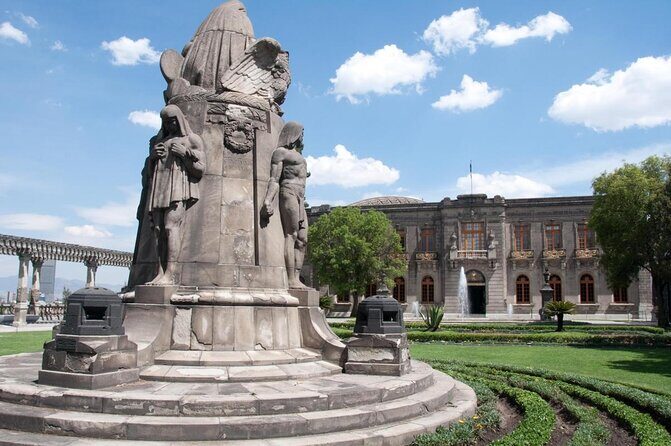
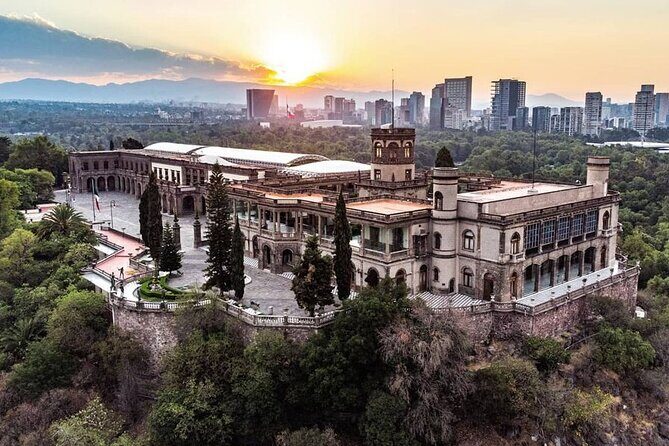
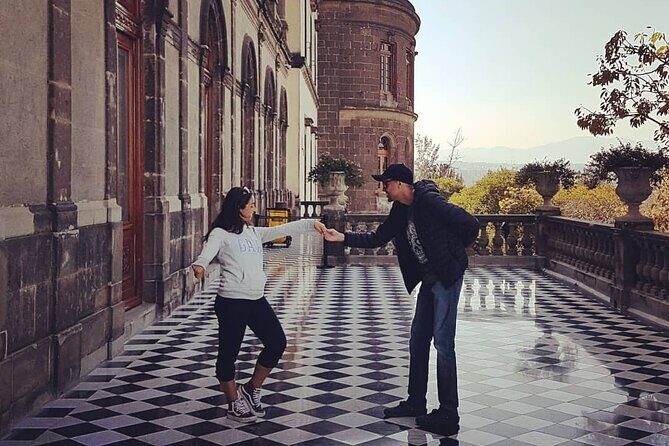
This tour starts where Mexico City feels dramatic right away: up on Chapultepec Hill. The area is part forest and part old-world civic landmark, with a climb that’s short on paper but memorable in real life. You enter near the Monument to the Niños Héroes (Children Heroes), then make your way toward the castle.
Chapultepec Castle matters for more than the view. It was an imperial palace and later used as a presidential residence, so you’re looking at a building that’s been repurposed as Mexico’s power centers changed over time. Even if you’re not a museum person, the setting helps you understand why leaders would want a palace here: it’s elevated, defensible, and it dominates the city below.
What to expect
- A walk up from the forest entrance area to the castle complex
- A focused visit that gives you the main story without turning into a marathon
Potential drawback
- If you’re sensitive to stairs or steep ground, consider wearing supportive shoes and taking short breaks. This is a “good effort” start, not a casual stroll.
You can also read our reviews of more private tours in Mexico City


The National Museum of Anthropology: where Mexico gets its big picture
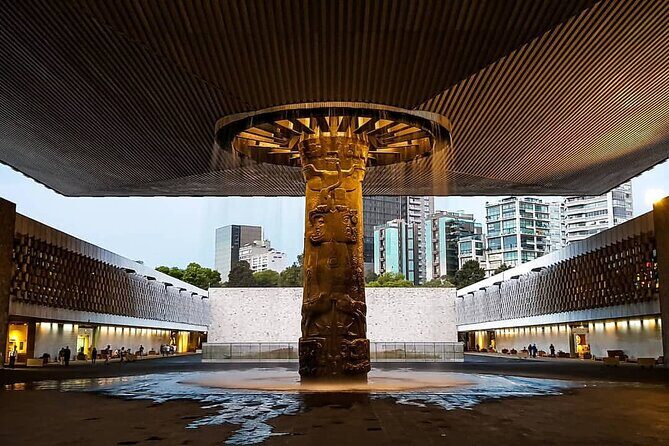
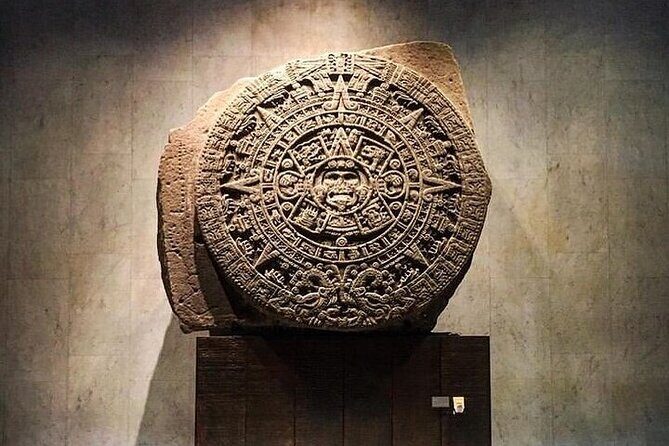
Then you shift into one of the best museum experiences in Mexico City: the Museo Nacional de Antropologia. This museum is famous for how it’s laid out. You enter into a courtyard feel, and the exhibits run through a series of halls that help you build the story step by step.
Here’s the key idea that makes this museum worth the time: it doesn’t stop at ancient artifacts. The museum’s design separates perspectives—ground-floor rooms emphasize pre-Hispanic Mexico, while upper levels connect with how indigenous descendants live today. That vertical layout is useful. It helps you see continuity instead of treating the past like it’s trapped behind glass.
What to expect
- Around two hours, which is enough for a strong first visit if you keep moving between halls
- A museum that can swallow half a day if you let it, so your guide’s pacing really matters
A practical tip
Ask your guide to point out a route you can realistically finish in your time window. With this kind of museum, planning your “must-sees” beats trying to catch everything.
Potential drawback
- It’s big, and you’ll likely miss parts if you slow down too much. If you prefer fast highlights over long lingering, this works well. If you want to read every label, consider pairing this day with a second, shorter museum visit later.
Reforma, El Ángel, Alameda Central, and the Palace of Fine Arts
After the museum, the day moves into Mexico City’s downtown style—wide avenues, iconic monuments, and buildings that signal national identity.
First up is El Ángel on Paseo de la Reforma—the Independence Monument. You’ll see her above the traffic. The statue’s golden color and winged form are hard to ignore, even when the streets below are chaotic with cars, crowds, and street activity. This stop is quick, but it sets the tone: Mexico City’s modern life moves right under its historical symbols.
Next is Alameda Central, one of Mexico City’s classic city parks. It’s old—over 400 years—and it works as a breather between big sights. You’re not just passing time here; the park helps you see the city as a social space, not only as an archive.
Then comes the Palacio de Bellas Artes, a cultural hub with a reputation tied to the arts. People call it the Cathedral of Art in Mexico, and that nickname isn’t random. Even if you don’t plan to see a show, the building’s role in theater, music, dance, and major exhibitions makes it feel central to how the city performs itself.
What to expect
- Short, well-timed downtown stops that don’t eat your whole day
- Good photo opportunities—especially if you’re comfortable stepping out from the vehicle for quick perimeter walks
Potential drawback
- Downtown streets can be lively. If you’re heading here expecting a calm, quiet stroll, you’ll need to adjust your expectations. This is a “watch the city happen” kind of stop.
Templo Mayor: when the past sat under Spanish Mexico
Now you hit a site that explains something important about Mexico City: layers. Templo Mayor is tied to the old Mexica capital built on an island network of canals and artificial islands. When the Spaniards arrived, they built over older structures—then the memory of the imposing temple was lost for centuries.
That story makes Templo Mayor feel different than many ruins you see elsewhere. It’s not just “wow, old.” It’s also about how history gets covered up, then rediscovered and reinterpreted. You’ll see the logic of the layout and the significance of the site even in a shorter stop.
What to expect
- About 30 minutes at this stop
- More meaning than time: you’re there to connect the dots between empire, conquest, and the city’s physical footprint
Important note for planning
- Admission is not included, so you may need to pay entry yourself. This is the one place in the day where you should assume extra cost.
Diego Rivera murals at the Secretaría de Educación Pública (SEP)
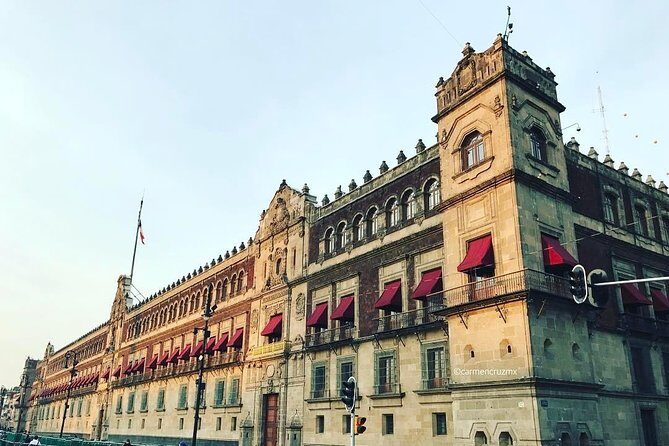
A fast, memorable break comes next: Diego Rivera’s murals inside the grand colonial palace at the Secretaría de Educación Pública. Rivera’s public murals are a big deal in Mexico City, and these are especially useful because they’re not random decoration. They’re organized as a sweeping visual timeline.
The murals cover Mexican civilization from early mythic references (like Quetzalcóatl, the plumed serpent) through to the post-revolutionary period. Your time here focuses on the idea that you can read a country’s self-image in painted form—what people chose to remember, what they wanted to teach, and how they explained identity.
What to expect
- Around 30 minutes, which is a good length for murals without rushing
- Plenty of visual scenes to photograph, but you’ll want to follow your guide’s pacing so you don’t get stuck in one corner too long
Potential drawback
- If you’re not into art, this could still feel like a lot of looking. The upside is that your guide can tie the images to the broader story of the city you just started learning.
You can also read our reviews of more museum experiences in Mexico City





Catedral Metropolitana: five centuries built over an Aztec center
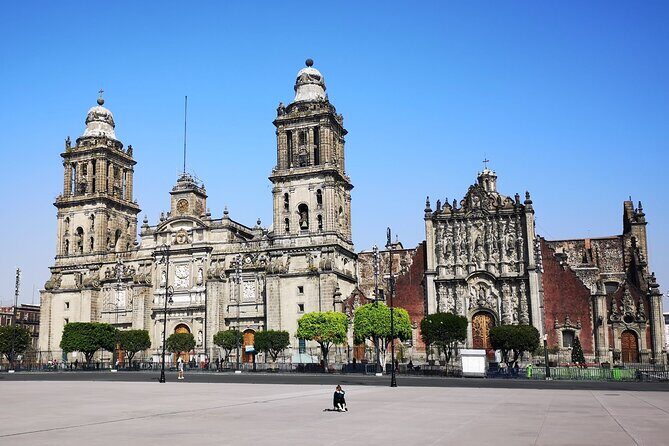
Finally, you end in the heart of historic power: Catedral Metropolitana de la Ciudad de México. This is one of the most important buildings in the city’s historical center, and it carries the weight of centuries.
Here’s the part that makes it more than a pretty church: it was built on the remains of an Aztec temple in what had been the center of Tenochtitlan. The Spanish chose to build a grand church right where the symbolic center already existed. That physical overlap makes the cathedral feel like a map of conquest and transformation.
The cathedral’s art and architecture also act like a timeline. Even in a shorter visit, you’re seeing how styles changed across eras—religiously, artistically, and politically.
What to expect
- About 15 minutes, so your time is best used for key vantage points rather than trying to see every corner
- A strong “capstone” stop after all the ancient-to-modern storytelling earlier in the day
Potential drawback
- Fifteen minutes goes fast. If you want to linger, you’ll need to rely on your guide to prioritize where to look first.
The real value: how the private format changes the day
The tour works because it’s private, and that matters more than it seems. In Mexico City, one of the biggest challenges on a first trip is not the sights—it’s the logistics. Traffic, crowd timing, and the simple need to move efficiently between neighborhoods can eat your energy.
With a private driver and guide, you’re not trapped waiting behind groups or stuck when schedules shift. One of the best examples I’ve seen with guides in this style is smart ordering to reduce friction—like timing downtown stops so you aren’t fighting the biggest waves of school groups. You don’t control crowds, but your guide can pick the moment.
There’s also a human side. Guides can explain in plain language and adjust if you’re more into stories than facts, or more into photos than reading. I’ve heard guides like Jorge bring history to life with humor and practical connections, and guides with academic backgrounds can explain why details matter without making it feel like a lecture.
My advice: go into the day with 2–3 priorities. For example:
- If you want the best photos, say that early
- If you want less walking pressure, ask about pace after the first big hill
- If you’re not a museum reader, ask for a highlights route
Price and what you’re really paying for (and what you aren’t)
At $142 per person for an 8 to 9 hour private outing, the price makes sense when you look at what’s included:
- Air-conditioned vehicle
- Driver and private guide
- Landing and facility fees and fuel surcharge
- Museum tickets for several major stops (but not all)
This is also a day where time matters. You’re stacking a castle, a top-tier museum, multiple central monuments, and major downtown landmarks. Getting museum admissions included for most of that is a real convenience.
What’s not included:
- Lunch
- Templo Mayor admission
So think of it as a full-day history and culture program, not a quick hits tour. If your group is flexible and you’re okay paying for convenience, this can be good value. If you’re traveling on a tight budget and you’d rather pay for individual tickets yourself, you might find a cheaper self-guided route. But self-guided doesn’t solve timing, pacing, and translation needs.
What to wear and bring for a smooth day
This is the kind of day where comfort beats style.
- Wear comfortable shoes. The castle hill and repeated walking add up.
- Bring water. You may not have a chance to refill often.
- Bring a light layer. Museums and vehicles can swing in temperature.
- If you care about photos, pack your phone charger or power bank. Stops are short, so you’ll use your camera a lot.
One more practical point: the vehicle is air-conditioned, but car comfort can vary by day. If you’re sensitive to heat, mention it early and ask your guide to keep airflow comfortable.
Is this tour worth it for you?
This private downtown-and-museums day is a great fit if:
- It’s your first time in Mexico City and you want a coherent storyline
- You like museums and major historic landmarks, even if you don’t want to plan them
- You prefer a guide who can explain, then give you space to look around and take photos
- You want multiple admissions handled for you
You might skip or rethink it if:
- You hate walking on hills and prefer slow, leisurely days
- You’re only interested in one museum and would rather spend your time elsewhere
- You’re on a strict budget and want lunch and every ticket priced separately
One bonus: the day isn’t just about standing still. It’s built around movement through different “Mexico City moods”—hilltop fort, museum halls, grand avenues, and the historic center’s most symbolic buildings.
Should you book this private tour?
I’d book it if you want your first Mexico City day to feel organized, meaningful, and efficient—without feeling rushed. The combination of Chapultepec Castle, the Anthropology Museum, and downtown landmarks creates a strong “from empire to modern identity” arc, and the private guide format keeps the pace workable.
If you do book, do two things: bring comfortable shoes for the walking, and decide in advance how you want your guide to manage your time at the big museum and the cathedral.
FAQ
How long is the private tour?
The tour runs about 8 to 9 hours.
Is pickup included?
Pickup is offered. The meeting point is near public transportation.
Are museum tickets included?
Admission tickets are included for several stops, but Templo Mayor admission is not included.
Is lunch included?
No. Lunch is not included.
Is this a private tour?
Yes. Only your group participates.
What languages is the tour offered in?
It’s offered in English.
Does the tour run in any weather?
The experience requires good weather. If it’s canceled due to poor weather, you’ll be offered a different date or a full refund.
What’s the cancellation policy if plans change?
You can cancel for free up to 24 hours in advance of the experience for a full refund.