Stories stick to Oaxaca.
This 2.5-hour walking tour threads colonial-era art through Centro while sprinkling in Oaxacan urban myths, including a 19th-century paranormal legend tied to El Calvario. You’ll move church to church and square to street, with stops planned to make the city’s past feel like it’s still explaining what you’re seeing.
I love two things most: the guide’s storytelling craft (including detailed illustrations) and the way the tour connects buildings to city design. You’re not just looking at façades—you’re learning what the clues mean, then finishing with time in the Zócalo-area to make sense of how Oaxaca’s layout grew.
One possible drawback: the timing is tight. With quick stops like 10–25 minutes, you’ll get the big ideas fast, but if you want long, quiet time inside churches or lots of photo time at every doorway, you may feel a bit rushed.
In This Review
- Key highlights to know before you go
- Where this tour fits in your Oaxaca plan
- Meeting at Santo Domingo, then walking Centro on purpose
- Stop 1: Templo de Santo Domingo de Guzmán and colonial art you’ll notice
- Stop 2: C. de Manuel García Vigil 205 and a building with a layered past
- Stop 3: El Calvario 103 and the 19th-century paranormal legend
- Stop 4: Avenida de la Independencia, ice cream, and music in the open air
- Stop 5: Basilica de Nuestra Señora de la Soledad and its façade art + relic legend
- Stop 6: Zócalo-area layout clues—how the city was founded
- The real value: why stories + façades work better than monuments alone
- Price and group size: what you’re really paying for
- Who should book this tour (and who might prefer something else)
- Quick practical tips for your comfort
- Should you book Oaxacan Urban Mythology and Colonial Art?
- FAQ
- How long is the Oaxaca City walking tour?
- Is the tour offered in English?
- How much does the tour cost?
- What’s included at the stops?
- Where do I meet and where does the tour end?
- Can I cancel for free?
Key highlights to know before you go
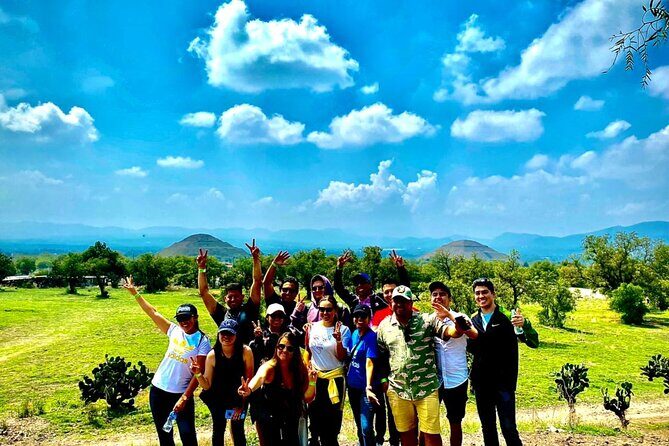
- Small group size (max 8): easier conversation and more chance to ask questions.
- Colonial art lessons on the move: you learn what to look for on façades instead of guessing.
- Urban mythology included: legends are tied to specific streets, not told in a vague way.
- Soledad relic stop: architecture + a legend element connected to the basilica.
- Avenida de la Independencia break: time for ice cream, and you may also grab a local mezcal drink.
- Right near Centro: the route stays in the historic center and ends about 5 blocks from the Zócalo.
Where this tour fits in your Oaxaca plan
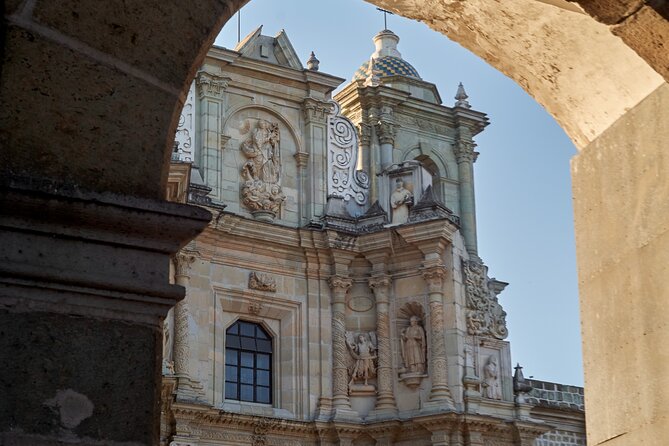
If this is your first day in Oaxaca City, this walk is a strong way to get your bearings fast. The tour is built around a simple idea: Oaxaca’s colonial story isn’t only in museums. It’s painted onto walls, carved into church façades, and even encoded in the way the streets and plazas line up.
At $38.81 per person for about 2 hours 30 minutes, the value comes from three things: (1) a focused route through major landmarks, (2) guided interpretation that helps you actually see what matters, and (3) a small group setting that makes it easier to ask follow-up questions. If you plan to spend your time in Oaxaca looking at architecture without much context, this tour is a shortcut.
Logistics are also traveler-friendly. You get a mobile ticket, the tour runs in English, and it’s described as close to public transportation. And yes—this is the kind of walk where service animals are allowed, so you’re not forced into a rigid crowd format.
You can also read our reviews of more tours and experiences in Oaxaca City.
Meeting at Santo Domingo, then walking Centro on purpose
You start at Templo de Santo Domingo de Guzmán, at C. Macedonio Alcalá s/n, Centro (RUTA INDEPENDENCIA, 68000 Oaxaca de Juárez). That location matters because it anchors the whole route in the colonial-era heart of the city.
The tour ends at C. De Manuel Doblado 117 in Centro—about 5 blocks from the Zócalo. In practical terms, that’s helpful because it sets you up to continue your day right there: you can walk to lunch, keep wandering, or return to the square when you want a calmer moment.
The group size stays small (max 8), and the route is designed as an easy walking loop through Centro. Still, treat it like a real walking tour: wear comfortable shoes. Church façades and story time can keep you moving more than you expect.
Stop 1: Templo de Santo Domingo de Guzmán and colonial art you’ll notice
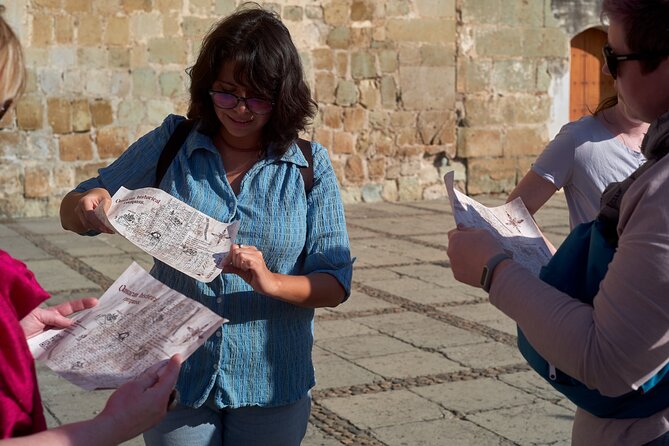
This first stop is about 25 minutes, and it’s free to visit.
Santo Domingo de Guzmán is one of those landmarks that looks impressive even before you understand it. The value here is that the guide helps you move past the postcard view and start reading the building like a page. In a colonial church, details on the façade and the way the exterior is composed usually reflect the religious and cultural priorities of the time.
What you should do at this stop:
- Look for the façade details your eye would normally skip.
- Notice how the church presents authority and identity on the street, not just inside.
- Pay attention to how the guide connects art choices to the historical period.
If you love architecture, this is your foundation stop. You’ll be better equipped for every church that comes after.
Stop 2: C. de Manuel García Vigil 205 and a building with a layered past

Next you head to C. de Manuel García Vigil 205 for about 15 minutes. Admission is free.
This stop is a good reminder that Oaxaca’s colonial story doesn’t only live in churches. Some buildings were repurposed over time, and those changes can leave physical clues—especially when you know what to look for.
What makes this stop worth your attention is the shift in perspective. After Santo Domingo, you get a different kind of lesson: architecture in the city also reflects shifting needs—who used the space, what they needed, and how the building adapted.
If you’re the type who likes to understand a place beyond its main monuments, you’ll enjoy this. It’s also the kind of stop that helps you later spot similar “hidden histories” while you wander on your own.
Stop 3: El Calvario 103 and the 19th-century paranormal legend
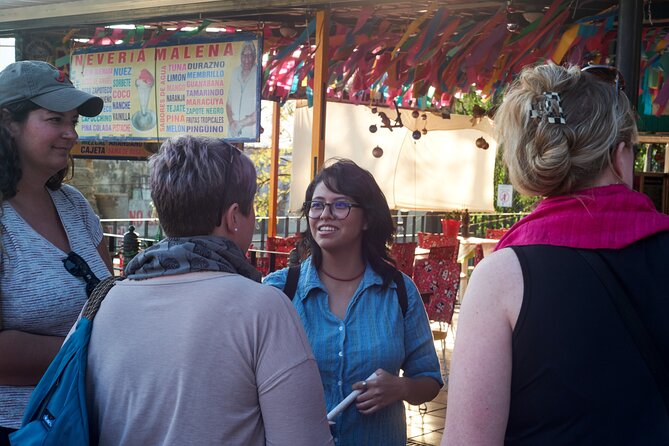
Then comes El Calvario 103, about 10 minutes, again with free admission.
Here’s where the title turns real. This is where a popular and paranormal Oaxacan legend—set in the 19th century—comes into the story. The tour treats the legend as more than spooky entertainment. It’s used to help you understand how people historically explained fear, mystery, and the unknown in everyday city spaces.
Practical tip: keep your attention on the street itself during this stop. When a legend is tied to a location like El Calvario, the guide’s job is to help you imagine the setting as it might have been, and how a place can become part of local memory.
Even if you’re not into ghost stories, this stop is fun because it teaches you a different kind of “city reading”—the cultural geography of Oaxaca, not just the architectural one.

Stop 4: Avenida de la Independencia, ice cream, and music in the open air

Now you move to Avenida de la Independencia, about 30 minutes, with an included admission/time element. The tour describes it as a small plaza that’s often full of color, sometimes with musicians playing Mexican songs and melodies, and it’s known for traditional ice cream.
This is the pacing reset you’ll appreciate. Up to this point, you’ve been absorbing churches and legends. Here, you get space to breathe, snack, and let the city’s rhythm come back into focus.
Two smart ways to use this break:
- Treat the ice cream stop as a chance to refocus on what you just learned. What details did you notice on the façades? How do the stories change the mood of the streets?
- If you’re curious about local drinks, many visitors naturally gravitate toward mezcal around here—one review mentions mezcal right alongside the ice cream.
One consideration: the plaza can have a lively feel when musicians are present. If you prefer quiet, you might choose a spot a little away from the sound, then return to the group when you’re ready.
Stop 5: Basilica de Nuestra Señora de la Soledad and its façade art + relic legend
Next is Basilica de Nuestra Señora de la Soledad for about 25 minutes, with admission included.
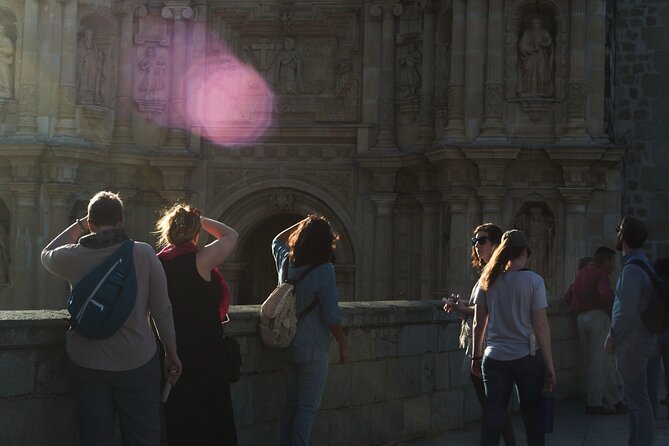
This is one of the most “story-and-art” stops on the route. You’re there for the façade architecture and the basilica’s role in local legends—specifically tied to a relic connected to Oaxaca’s mythology.
Even if you only catch one or two key details, the guide helps you frame them: façades aren’t random decoration. In colonial religious art, they often function like public messaging—what to honor, what to remember, and what kind of spiritual identity the building is meant to project.
What I’d do here:
- Spend extra time on the frontage details, since that’s where most of the visual meaning sits.
- Ask yourself what the relic element adds. Does it make the building feel more personal? More mysterious? More community-centered?
Stop 6: Zócalo-area layout clues—how the city was founded
Finally, you reach the Zócalo stop for about 30 minutes, admission free.
This is the most practical “make sense of Oaxaca” moment. The tour explains how the city was founded and how earlier moments left clues in the layout—especially in where buildings sit and how streets feed into the square.
If you’ve ever walked through a city and felt like the streets were random, this part helps fix that problem. When you understand why the layout matters, you’ll start noticing patterns immediately—especially around Centro’s key points.
You can also use this ending strategically:
- If you still have energy, continue exploring nearby streets right after the tour.
- If you need rest, the Zócalo area makes it easy to sit down and regroup before your next plan.
And because the tour ends only about five blocks from the Zócalo, you can smoothly carry the learning into your own wandering.
The real value: why stories + façades work better than monuments alone
A lot of walking tours do one thing well: either history talk or photo stops. This one blends two approaches that actually complement each other.
Colonial churches give you visual anchors—material that stays put for centuries. Urban mythology gives you emotional anchors—meaning that changes depending on who tells the story and when. Put them together, and you start understanding Oaxaca as a living place where the past isn’t just preserved. It’s retold.
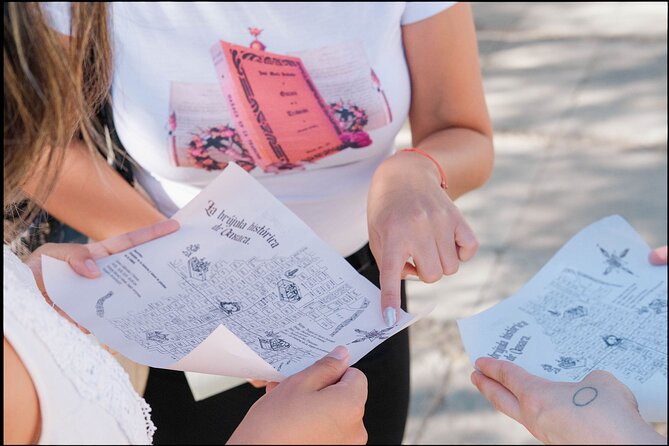
The guide’s storytelling is central to that effect. Multiple visitors mention the guide is a great storyteller and uses detailed illustrations. That matters more than you might think. A small drawing or a quick visual explanation can make a complex façade feel readable instead of overwhelming.
And the pacing helps too: multiple short stops create variety, so you don’t get stuck in one spot listening for too long. The trade-off is the one drawback mentioned earlier—short stops mean you won’t have hours to linger inside every church.
Price and group size: what you’re really paying for
At $38.81 per person for 2h30, you’re paying for structured access to six meaningful stops, guided interpretation, and a built-in break for ice cream at Avenida de la Independencia.
You’re not paying for big ticket admissions at every stop. The tour notes many admissions are free, with some included elements at the plaza and the basilica. That keeps the experience focused on the walk and the story rather than turning into a checklist of paid entry fees.
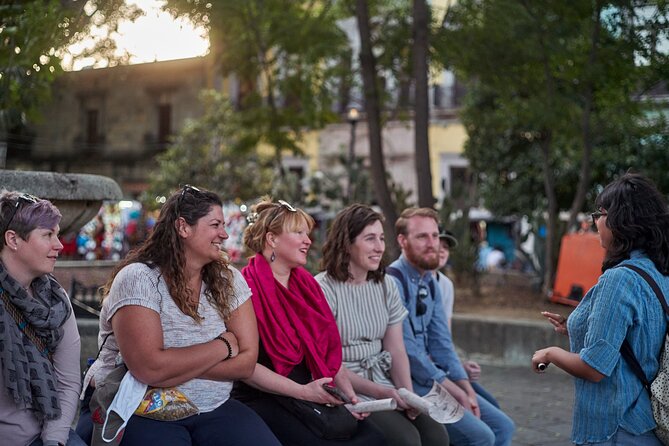
The small group limit (max 8) is part of the value. In a big group, you hear the guide but you miss details. In a small group, you’re more likely to catch the explanation behind the details on the façade and ask questions when something sparks your curiosity.
Who should book this tour (and who might prefer something else)
This fits best if you:
- Want an efficient first overview of Oaxaca City’s colonial landmarks
- Like urban legends tied to real places
- Prefer guided walking over going solo with a map and hoping you guess right
- Enjoy art and architecture when someone explains what to look for
It may be less ideal if you:
- Want long museum-style time in a few buildings
- Need quiet, minimal storytelling while you sightsee
- Are very sensitive to crowds, since Centro church areas and plazas can get active
It also suits couples, solo travelers, and families, based on the tour’s format and its consistent praise for pacing and engagement.
Quick practical tips for your comfort
Bring:
- Comfortable walking shoes (church façades mean you’ll be standing, turning, and moving)
- Water, especially if you’re going in warmer hours
- A small attention span reset plan: use the Avenida de la Independencia stop to recharge
If you care about sweet treats and local drinks, the planned ice cream break is your moment. Some people naturally pair it with mezcal during the plaza time, so go with an open mind and your own taste.
Should you book Oaxacan Urban Mythology and Colonial Art?
If you’re trying to understand Oaxaca City quickly—without missing the stories that locals carry—this is a smart booking. The combination of colonial art explanation plus place-based urban mythology makes the city feel connected, not random. For the money, you get a tight route, a small group feel, and a guide who turns buildings and legends into something you can picture after the tour is over.
I’d book it if you want a confident starting point for your Oaxaca days. I’d skip it or look for a quieter alternative if your ideal trip is slow, museum-style exploring with minimal storytelling.
FAQ
How long is the Oaxaca City walking tour?
The tour runs for about 2 hours 30 minutes.
Is the tour offered in English?
Yes, it’s offered in English.
How much does the tour cost?
The price is $38.81 per person.
What’s included at the stops?
Many stops are listed as free admission, and Avenida de la Independencia (ice cream) and Basilica de Nuestra Señora de la Soledad have included admission elements.
Where do I meet and where does the tour end?
You meet at Templo de Santo Domingo de Guzmán, C. Macedonio Alcalá s/n, Centro. The tour ends at C. De Manuel Doblado 117, about 5 blocks from the Zócalo.
Can I cancel for free?
Yes. You can cancel up to 24 hours in advance for a full refund.