REVIEW · MEXICO CITY
Monarch Butterfly Tour from Mexico City
Book on Viator →Operated by Escapadas Edomex · Bookable on Viator
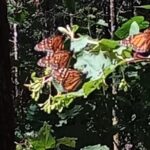
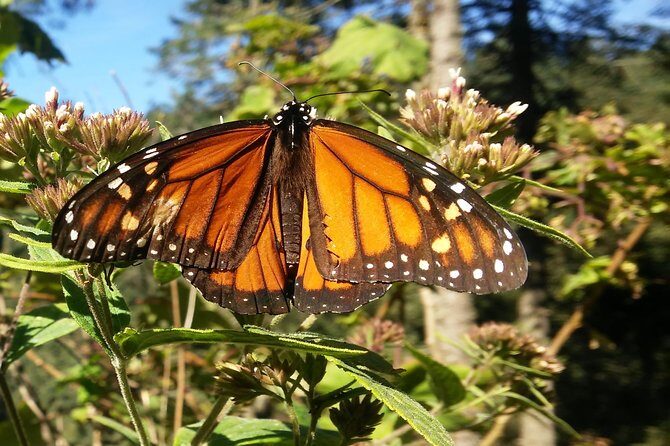
Monarch butterflies make a strong case for getting up early. In the Sierra Chincua Butterfly Sanctuary, you walk through pine forest sounds and smells, then reach the colony area where thousands of monarchs drift and swirl around you. Afterward, you get a very hands-on pre-Hispanic gastronomy workshop, including tortilla-making.
I especially like two things: the small group size (max 10) and the way the guides translate the experience into real context. Our guide Marta Turísticos stood out for her English and calm, clear explanations, and the driver experience on the highway felt professional.
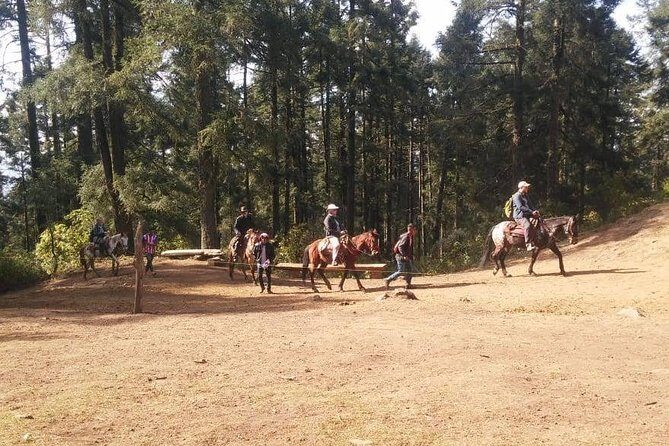
One thing to plan for: the hike involves a real climb at altitude. If you’re not sure you want to tackle the steep parts, horses are mentioned as an option for an extra cost.
In This Review
- Key Things I’d Prioritize
- Why Sierra Chincua Monarchs Feel Different Than Zoos
- The Long Drive From Mexico City (and Why It’s Still Worth It)
- The Walk to the Colony: Forest Sounds, Real Altitude, and Quiet Anticipation
- Viewing Rules and the Best Way to Get Great Photos Without Getting Closer
- Marta’s Role (and Why Guide Style Makes the Difference)
- The Pre-Hispanic Food Workshop: Tortillas, Quelites, and Insects
- Timing, Lunch, and How to Avoid the I’m-Starving Problem
- What the $220 Price Actually Covers (Value, Not Just Cost)
- Who This Tour Suits Best (and Who Might Want to Rethink)
- Should You Book the Monarch Butterfly Tour From Mexico City?
- FAQ
- Where is the meeting point and what time does the tour start?
- How long is the Monarch Butterfly Tour?
- What is the price per person?
- What’s included in the tour package?
- Is the tour offered in English?
- Do I need a printed ticket?
- What fitness level is needed?
- How big is the group?
- Is alcohol included?
- What is the cancellation policy?
Key Things I’d Prioritize
- Early 6:30 a.m. start from Polanco to make the most of the day
- Sierra Chincua sanctuary walk that ends at the monarch colony area
- Hands-on workshop with ritual drinks, insects, quelites, and making your own tortilla
- Admission + lunch included with air-conditioned transport
- Max 10 people for a more personal feel
- Bring your own binoculars since getting close has rules
Why Sierra Chincua Monarchs Feel Different Than Zoos
This tour is built around a simple idea: monarchs are not an exhibit you watch from a distance. You walk your way into their space, then the colony area brings that sudden, sensory shift—birds calling, flowers, cool forest air, and then wingbeats everywhere. It’s the kind of moment that makes you stop thinking and just look.
What also makes it satisfying is that it’s not only about butterflies. The day includes a food workshop focused on regional pre-Hispanic ingredients and ritual drinks, plus tortilla-making you actually do with your hands. So even if monarch flight varies day to day, you still leave with something earned: nature, plus culture you participate in.
You can also read our reviews of more city tours in Mexico City

The Long Drive From Mexico City (and Why It’s Still Worth It)
Expect a big chunk of time in the car. In fact, one review described the ride to the preserve as about three hours each way, so yes, it’s a commitment. The value here isn’t that the drive is short—it’s that the company handles the logistics for you: pickup in Polanco, air-conditioned vehicle, and a full day schedule that keeps you moving.
The tour also caps at 10 travelers, which matters because a smaller group usually means easier pacing on stairs, easier coordination at stops, and fewer delays. At this price point ($220 per person), you’re paying for a full day that bundles transport, sanctuary access, and lunch—not just a quick nature walk.
One small downside: a review flagged that the bus can feel tight for a long ride. If you’re tall or easily uncomfortable on long transports, you might want to plan your seating preferences when you arrive.
The Walk to the Colony: Forest Sounds, Real Altitude, and Quiet Anticipation
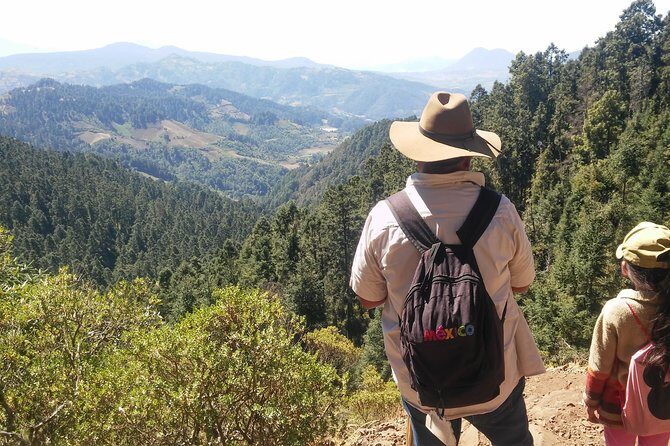
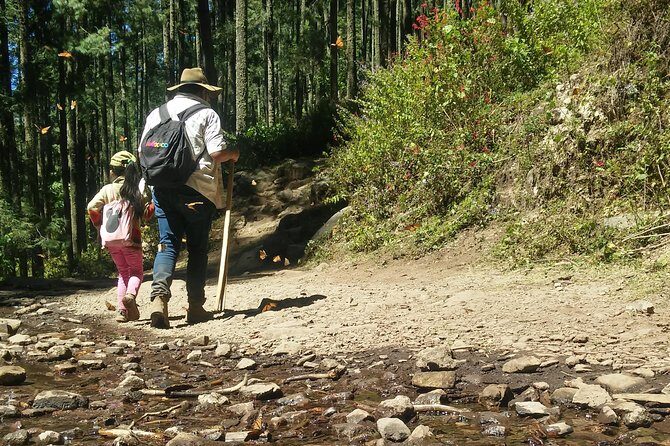
At the sanctuary, the main event starts with a walk through the forest. You’re not just strolling on a flat path. The vibe is slow and sensory—birds, flowers, that forest smell—until you reach the colony area where the monarchs become the center of everything.
Be ready for the fact that the walk involves altitude and effort. The tour notes moderate physical fitness, and one family review said it’s not for the faint of heart when you’re going up and winded hits. That lines up with what you should expect: early mountain air plus a climb means your pace will matter.
If you’re traveling with kids or you’re monitoring breathing, go slower at first. Then, when the butterflies begin to appear in larger numbers, that gradual buildup turns into the magic people remember.
Viewing Rules and the Best Way to Get Great Photos Without Getting Closer
Here’s a practical detail that affects your experience: there are limits on how close you’re allowed to get to the monarchs. One review mentioned they shouldn’t be approached closer than about 75 meters (roughly), and the same review recommended bringing binoculars or a tele-lens because close-up viewing isn’t the goal.
So I’d treat this like wildlife viewing, not a petting-zoo scene. The payoff is that you can watch their flight behavior—how they cluster, how the colony looks from different angles, and how the scene changes as you move along the path.
Also, don’t plan on constant butterfly numbers. One review noted that weather, including clouds and wildfires, can reduce how many you see. That’s not the company’s fault, but it does mean the day can feel different from one season or weather system to the next.
Marta’s Role (and Why Guide Style Makes the Difference)

A butterfly sanctuary works best when someone helps you read what you’re seeing. This tour tends to deliver that. In one review, the guide Marta Turísticos came across as caring, attentive, and confident in English. Another account highlighted that the driver, Alfonso, and Marta worked well as a team, with strong communication from pickup to return.
At the sanctuary, you’ll also likely meet a local guide who may not speak much English, but can still point out what matters. One family review described a local guide who didn’t speak English but still made a clear effort using attention and shared tools like binoculars.
That mix is important. You don’t want only a translator—you want someone who can explain why the butterflies are there and what the community is doing to protect the site.



The Pre-Hispanic Food Workshop: Tortillas, Quelites, and Insects
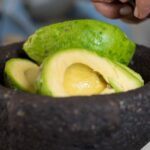
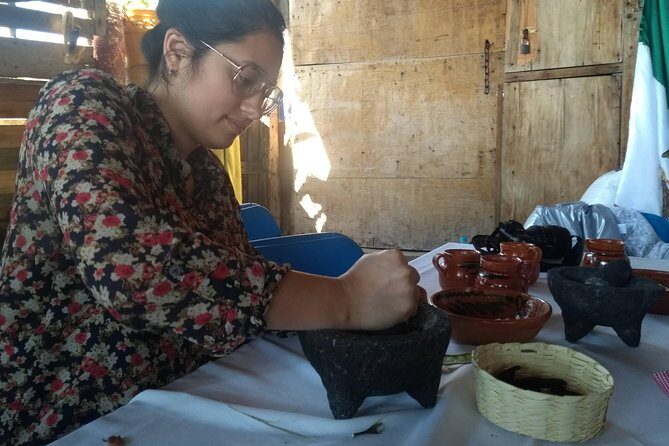
This is the part that surprised me—in a good way—because it’s not a generic cooking demo. The workshop is described as pre-Hispanic gastronomy, focused on ritual drinks, insects, quelites, and instruments of Mexican cuisine. Then you make your own tortilla.
The practical takeaway: you’ll be doing more than watching. Food workshops can feel passive when you just stand around. Here, tortilla-making makes it hands-on, and that keeps the day from feeling like one long hike.
One detail worth noting: one review said the chicken soup at lunch was amazing, and that the workshop afterwards (including tortillas and salsa) was a standout. Even if you’re not trying every ingredient, you’re learning through the process.
And yes, insects are part of the theme. If that’s a concern for you, treat it like a food culture lesson rather than a dare—you can still get a lot out of the rest.
Timing, Lunch, and How to Avoid the I’m-Starving Problem
This is an 11-hour day, starting at 6:30 a.m. For most people, that’s early enough that you should eat before pickup. One review explicitly advised taking your own breakfast because the day’s flow can shift. In that case, weather clouds led to skipping breakfast timing in favor of seeing butterflies sooner, and the person ended up very hungry until lunch.
Lunch is included, and at least one review called it delicious (with chicken soup singled out). But since the schedule can flex based on conditions, build your comfort around that reality.
So my advice is simple: eat something light before you go, and keep snacks in your plan if you’re the type who hates waiting. The tour includes lunch, but it’s smart not to bet your comfort on breakfast.
What the $220 Price Actually Covers (Value, Not Just Cost)
At $220 per person for a roughly 11-hour day, you’re paying for a bundle:
- Air-conditioned vehicle round-trip from Mexico City
- Access ticket to the sanctuary
- Lunch
- A structured day that includes the gatronomy workshop (with activities like tortilla-making)
Add in the fact that the sanctuary day includes an involved hike and a guided experience (English available), and the price starts to make more sense. You’re not just buying an entrance ticket—you’re buying time, transportation, and help making sense of what you’re seeing.
The small group size (max 10) also adds value. Big tours can turn wildlife viewing into a bottleneck. Here, the group cap helps keep movement manageable.
Who This Tour Suits Best (and Who Might Want to Rethink)
This tour works best for you if you want two things in one day: real nature time, plus culture food education that you do with your hands.
It’s a solid match for:
- Couples who like early mornings and memorable outdoor moments
- Families who can handle a hike with breaks (and who can manage altitude effort)
- Friends who enjoy walking, learning, and trying food experiences
Be cautious if:
- You struggle with steep climbs or get winded quickly. The hike is the main physical test.
- You’re expecting a lazy walk. This day is active, and the timing is long.
- You’re very sensitive about close contact with wildlife rules—because you’ll be viewing from designated areas.
If the steep climb feels like too much, one review mentioned horses available for an extra cost. That’s not listed as a guaranteed included item, but it does suggest a practical fallback if you need it.
Should You Book the Monarch Butterfly Tour From Mexico City?
Yes, if you can handle a real early start and a climb at altitude, this is the kind of trip that feels worth the effort. The monarch experience is the headline, and the small-group cap helps it stay personal rather than chaotic. Then the workshop and tortilla-making make sure you don’t leave only with photos—you leave with a story and a skill.
I’d only hesitate if you know you won’t enjoy hikes or you’re dealing with limits that make altitude hard. In that case, the butterfly viewing rules and the physical demands could feel like a frustration instead of a wonder.
If you book, do one thing that improves your day immediately: come fed, and bring binoculars if you have them. Those two moves help you enjoy the sanctuary on the day’s terms—whether monarch flight feels thick and dramatic or more subtle.
FAQ
Where is the meeting point and what time does the tour start?
The meeting point is at Lamartine & Avenida Horacio, Chapultepec Morales, Polanco V Secc, 11560 Ciudad de México, CDMX, Mexico. The start time is 6:30 a.m.
How long is the Monarch Butterfly Tour?
The duration is about 11 hours.
What is the price per person?
The price is $220.00 per person.
What’s included in the tour package?
The tour includes an air-conditioned vehicle, lunch, and access tickets.
Is the tour offered in English?
Yes. English is listed as the offered language.
Do I need a printed ticket?
No. It uses a mobile ticket.
What fitness level is needed?
You should have moderate physical fitness since the experience includes walking and climbing.
How big is the group?
There is a maximum of 10 travelers on this tour.
Is alcohol included?
No. Alcoholic beverages are not included.
What is the cancellation policy?
This experience is non-refundable and cannot be changed for any reason.