REVIEW · MEXICO CITY
Mexico City: Roma and Condesa Guided Walking Tour
Book on GetYourGuide →Operated by Walk Mexico · Bookable on GetYourGuide
Roma and Condesa feel like a living museum.
On this 4.5-hour guided walk, you move through two of Mexico City’s most stylish neighborhoods with an expert guide, often highlighted as Hector or Natalia, pointing out Art Nouveau details and Art Deco facades while you weave past design shops and small cultural stops.
What I like most is the mix of streets-and-squares architecture with real-world context, like how the area evolved after major events and then took off again in recent decades. I also love that the tour doesn’t treat food as an afterthought, with a Rosetta pastry plus beverage and enough taco time (1–3 tacos) to keep you happy without turning the walk into a meal marathon.
One thing to plan for: you’re on your feet for about 4–5 hours, and it’s not set up for mobility issues. If you don’t like long walks or you’re sensitive to weather, bring the right gear and pace yourself.
In This Review
- Key things to know before you go
- The sweet spot: Roma and Condesa on foot
- How an academic guide turns buildings into stories
- Spotting Art Nouveau and Art Deco in real life
- The 1910s-to-now story: photos, earthquakes, and gentrification
- Shops, cultural stops, parks, plus Rosetta pastry and tacos
- Meeting at Café Nin, then walking Roma to Condesa
- Price and value: what $163 buys you
- Who this tour fits best (and who might prefer something else)
- FAQ
- How long is the tour?
- Where do I meet the guide?
- What food and drinks are included?
- What kind of guide will I have?
- Do we get headsets?
- What neighborhoods and areas does the tour cover?
- What should I bring?
- Is this tour suitable for mobility impairments?
- Can I pay later or cancel?
- Should you book the Roma and Condesa guided walking tour?
Key things to know before you go
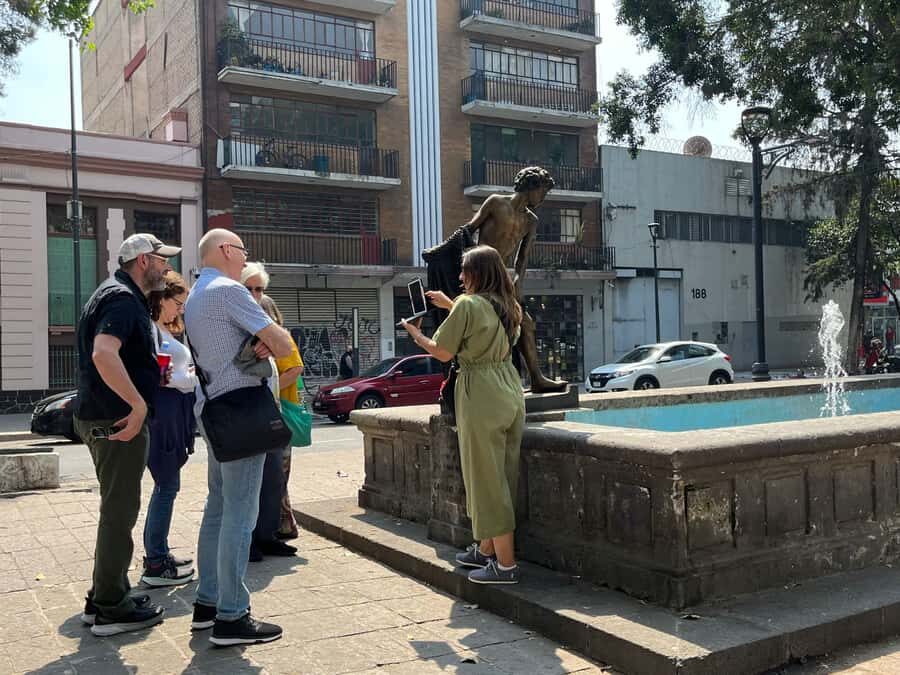
- Art historian style guiding: you’ll walk with a guide who has an academic degree (art historian, historian, or archaeologist).
- Two neighborhoods, one architecture theme: Roma and Condesa main streets and squares are the headline.
- Look up at the buildings: expect a lot of time focused on early-1900s homes and signature styles.
- History you can connect to today: you’ll hear about the 1985 earthquake and why the area surged again in the last twenty years.
- Food is built in: Rosetta pastry and a beverage, plus 1–3 tacos with a beverage.
- Headsets for bigger groups: if the group is large, you’ll get audio help so you don’t miss the explanations.
The sweet spot: Roma and Condesa on foot
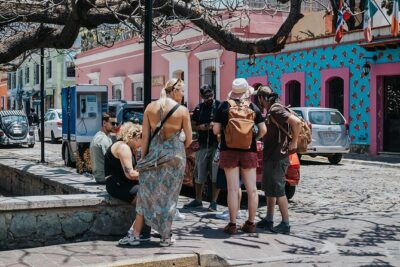
Roma and Condesa are the kind of neighborhoods where it’s hard to keep your eyes forward. The streets invite you to slow down: trees, plazas, and that unmistakable early-20th-century building style make every turn feel like a new photo. This walking tour is built around that feeling, starting in Roma and ending in Condesa, so you get both neighborhoods in one trip instead of picking one and calling it done.
I like that the pacing is set for sightseeing rather than “get on the metro” mode. You’ll spend the time where it matters: outdoors on the main streets and around the squares, with stops along the way for architecture, history, and shop browsing. And yes, you’ll get food—just enough to keep energy up while you’re still moving.
You can also read our reviews of more walking tours in Mexico City
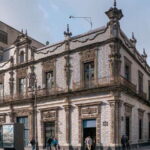

How an academic guide turns buildings into stories
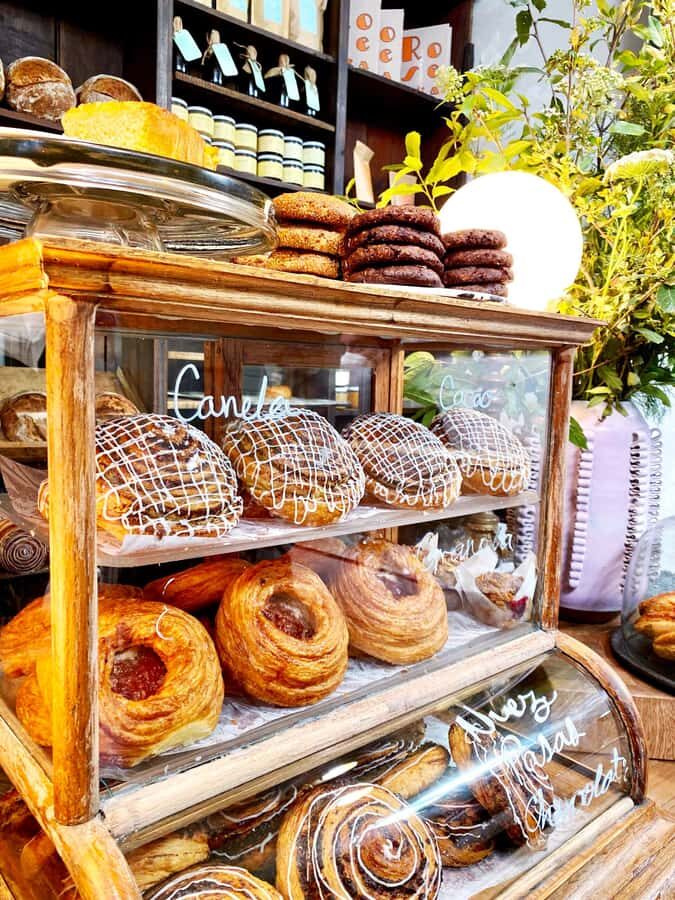
A big difference between a basic walking tour and this one is the guide background. You’re not just getting someone who likes old buildings; you’re walking with an expert who has an academic degree in art history, history, or archaeology. That matters because the tour explanations are tied to why things look the way they do, not only what they look like.
In the names Hector and Natalia that you’ll hear associated with this tour, the common thread is clarity and enthusiasm. The walk stays entertaining without turning into a lecture. You’ll also get lots of “look closer” moments, like how certain design elements fit the period, and how the neighborhood has changed since the early 1900s.
You’ll see photos from the 1910s and 1920s as part of the story. That’s useful because it helps you compare what remains, what transformed, and what the neighborhood looked like before the modern fashion and food scene took over.
Spotting Art Nouveau and Art Deco in real life
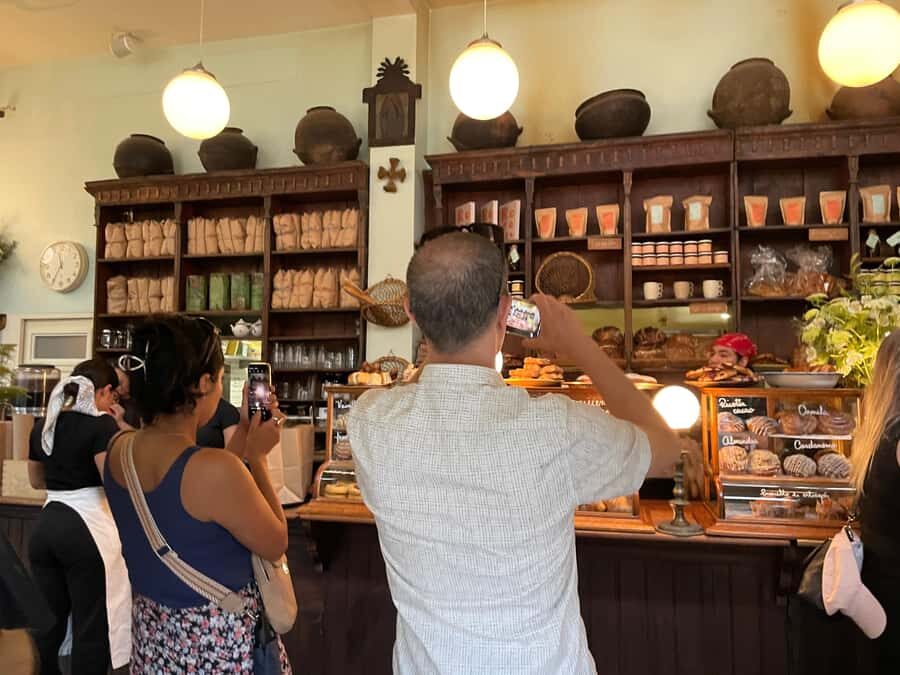
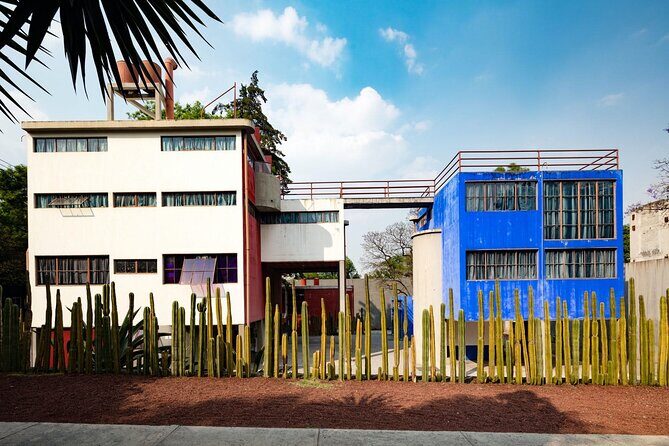
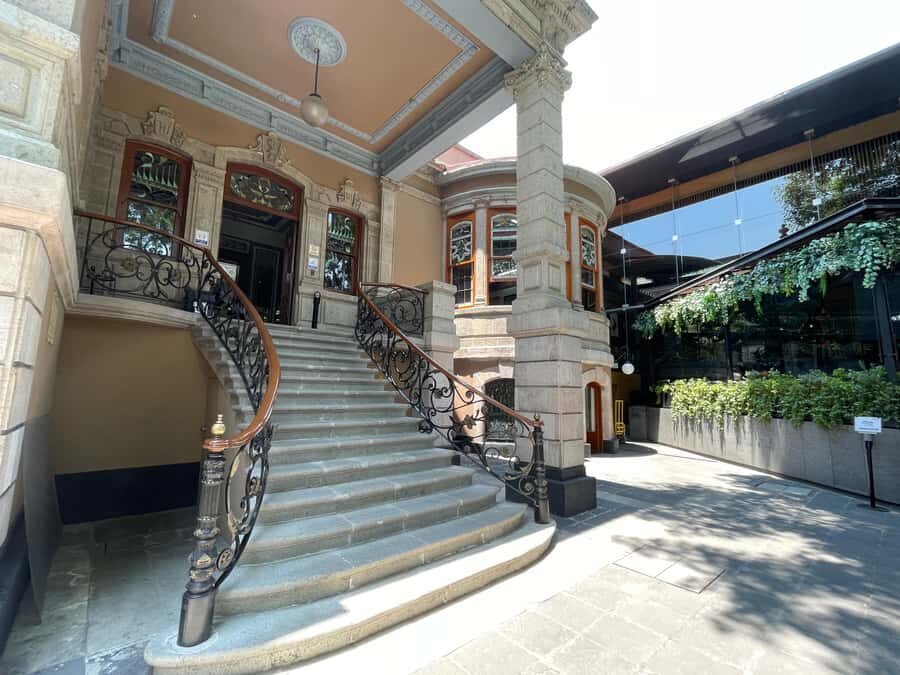
This is the architecture walk part. Roma and Condesa are famous for those early design styles—especially Art Nouveau flourishes and Art Deco geometry—and the tour is timed so you can actually spot them while you’re standing on the sidewalk.
Here’s what this kind of guided approach helps you do:
- You learn what to look for, so the buildings stop being a blur of pretty facades.
- You connect details to the era, instead of just admiring them like wallpaper.
- You get to compare “then vs. now” using the tour’s own before-and-after photo moments.
The guide has you looking at early-1900s homes as you enter residential areas too, not only big public streets. That’s where the experience feels most personal. It’s one thing to see architecture from far away; it’s another to stand close and understand how the design was meant to be read from the street.
Also, the tour doesn’t isolate architecture from daily life. As you walk, you’ll pass through the kinds of commercial streets where galleries, designers, fashion shops, and bookstores live. So the neighborhood’s style is part of your route, not just the background.
The 1910s-to-now story: photos, earthquakes, and gentrification
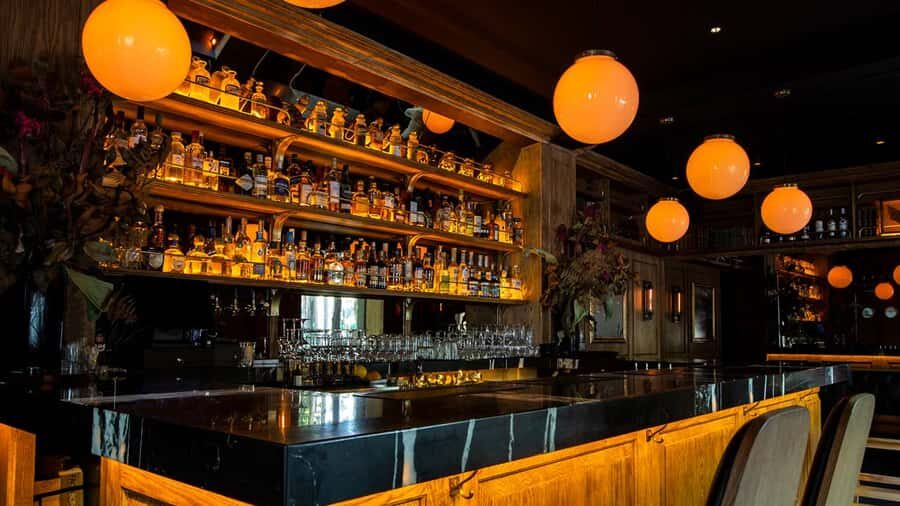
The tour’s historical thread is one of its best strengths, because it explains change without making it depressing. You’ll hear how Roma and Condesa developed, then what happened after the 1985 earthquake, and how both neighborhoods flourished again.
That’s the key: this isn’t a history-only walk. You connect past to present while you’re literally moving through modern Roma and Condesa—where you’ll find the gastronomy, fashion, and design scene today. The “last twenty years” angle is important, because it explains why the neighborhoods feel like they’re buzzing with new energy now, not just nostalgia.
When the guide shows 1910s and 1920s images, you’re not just looking at old pictures. You’re learning how the city’s priorities shifted and how the architecture survived, adapted, or changed. It’s a solid reminder that “pretty neighborhoods” are also places with real events behind them.
Shops, cultural stops, parks, plus Rosetta pastry and tacos
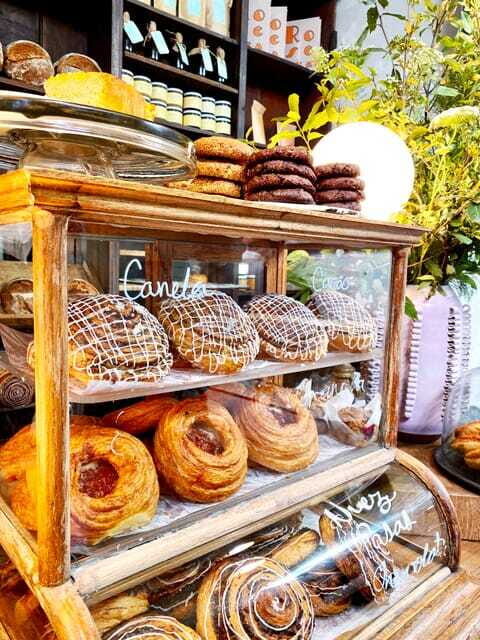
Roma and Condesa aren’t just for architecture nerds. This tour includes enough commercial and cultural stops to make it feel like a neighborhood stroll with a strong plan.
Along the way, you should expect visits that fit the theme:
- art galleries and design-focused shops
- fashion stops (the neighborhoods are known for style shopping)
- bookstores and other cultural centers
- time around parks as you transition between parts of the route
Now for the food, which is a smart part of the design. You’ll get:
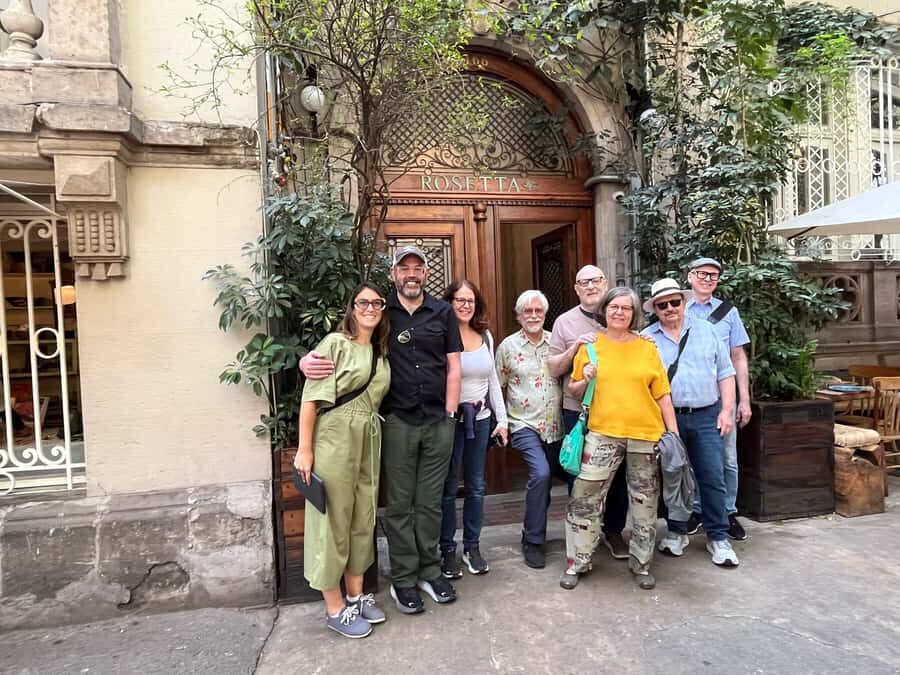
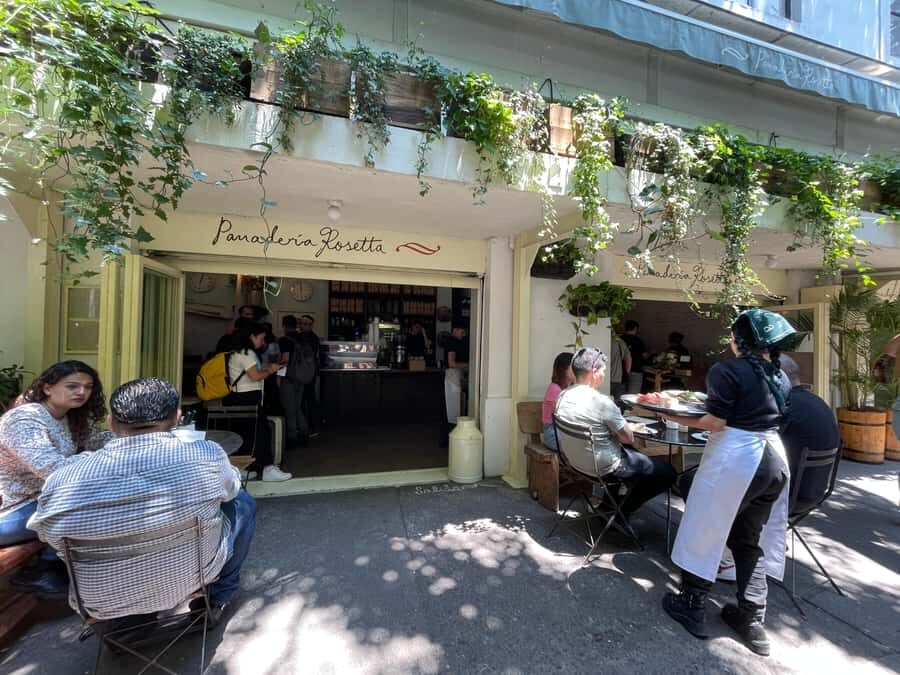
- a Rosetta pastry and a beverage
- from one to three tacos plus a beverage (options listed include beer, water, or soda)
This is the kind of built-in tasting that works well on a walking tour. You get a taste of Mexico City food without stopping so long that you lose the architecture rhythm. And because it’s included, you’re not forced into guessing whether a random café will be worth your time.
Practical tip: if you’re the type who hates surprises, keep an eye on what you’re offered. The tour provides specific items, but the exact taco count (1–3) suggests portioning may vary by timing and group flow.
You can also read our reviews of more guided tours in Mexico City
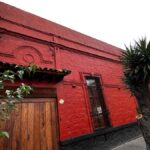


Meeting at Café Nin, then walking Roma to Condesa
You’ll meet at Café Nin. Your guide will be waiting at the front of the restaurant wearing a T-shirt or pashmina with the WALK MEXICO logo. That’s a rare detail I appreciate, because it reduces the usual stress of “where are they?”
From there, the route is a real walking route. It covers roughly 4–5 hours on foot as you move from Roma to Condesa, with stops for shopping, architecture viewing, parks, and history. In bigger groups, you’ll receive headsets so you can hear the guide over street noise.
What to bring matters:
- comfortable shoes (non-negotiable)
- sunscreen and a hat
- rain gear, just in case
Weather in Mexico City can swing fast. I’d rather be the person with a hat and a light rain layer than the person hunting for shade at minute 90.
Price and value: what $163 buys you
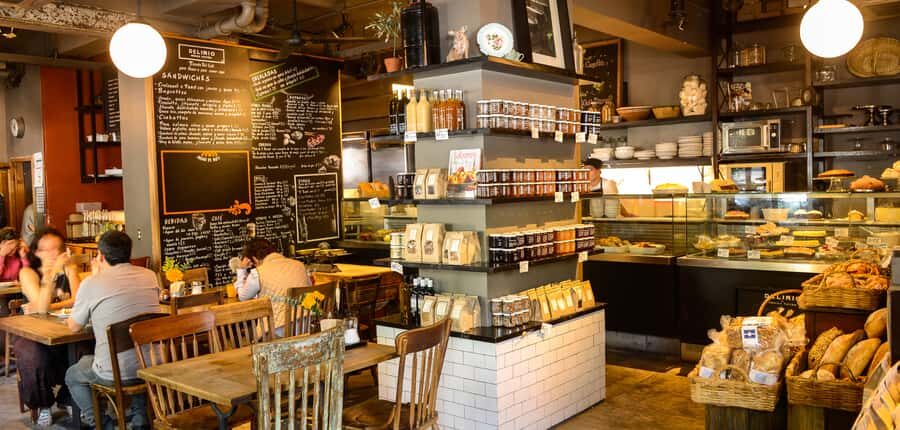
At $163 per person, you’re paying for three main things: expert guiding, access to included tastings, and a route built around architecture and neighborhood context.
Let’s break down the value in plain terms:
- You get a 4.5-hour guided experience with an academic-level art historian/historian/archaeologist.
- You get organized sightseeing across two neighborhoods instead of piecing it together on your own.
- You get food included: Rosetta pastry + beverage, plus 1–3 tacos + a beverage.
What’s not included is also part of the value picture. Transportation isn’t covered, and extra food or drinks aren’t included beyond what’s listed. So if you tend to snack constantly while shopping, plan to cover those extras yourself.
For me, the best value case is simple: if you want architecture explanations, history context, and a safe, efficient walk route—this price feels more like a bundle than a “tour tax.” If you’re more of a free-roam shopper who just wants to browse at your own speed, you might feel the cost more than the benefit.
Who this tour fits best (and who might prefer something else)
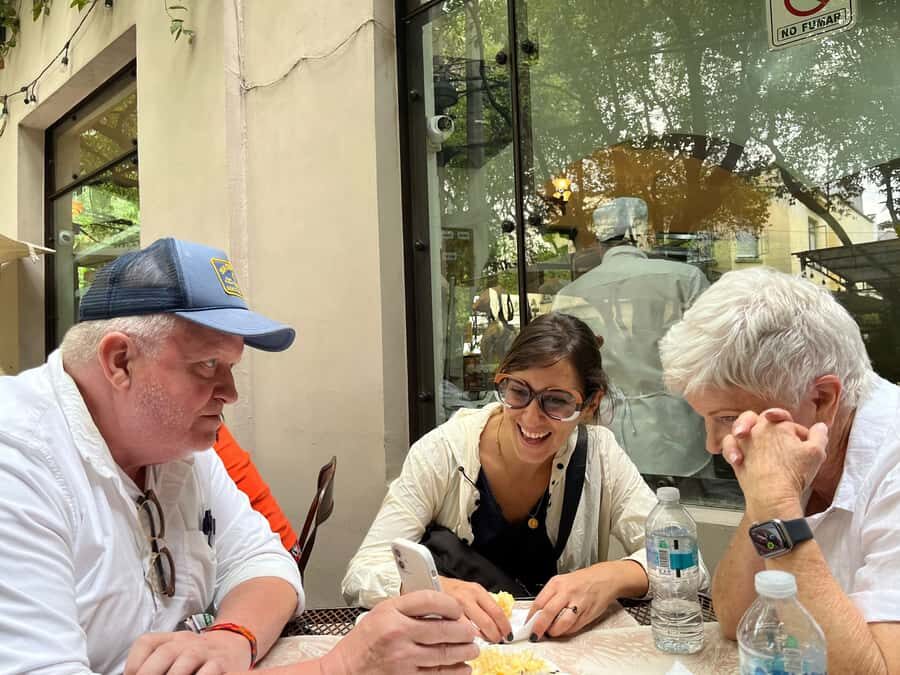
This tour is a strong match if you:
- love architecture and want help spotting details
- want a guided route that combines history with design shopping
- like food stops that don’t derail the walk
- prefer a smaller, coherent “two-neighborhood” plan instead of planning it yourself
It’s not suitable for people with mobility impairments. Even with stops, the total time walking is still in the 4–5 hour range.
Also, if you hate shopping stops entirely, don’t assume the tour is only a long parade of stores. It’s more like a route that includes shops because that’s part of how Roma and Condesa function today. You’re getting culture and design context, not just window shopping for its own sake.
FAQ
How long is the tour?
The tour lasts about 4.5 hours, with walking time in the 4–5 hour range.
Where do I meet the guide?
Meet at Café Nin. The guide will be at the front of the restaurant wearing a WALK MEXICO logo T-shirt or pashmina.
What food and drinks are included?
You’ll get a Rosetta pastry and a beverage. You’ll also get from one to three tacos plus a beverage (beer, water, or soda).
What kind of guide will I have?
The tour includes a walking guide with an academic degree, such as an art historian, historian, or archaeologist.
Do we get headsets?
Yes. In larger groups, headsets are provided so you can hear the guide.
What neighborhoods and areas does the tour cover?
It covers Roma and Condesa, including main streets and squares, plus stops around parks and other points of interest.
What should I bring?
Bring comfortable shoes, sunscreen, a hat, and rain gear.
Is this tour suitable for mobility impairments?
No. The tour isn’t suitable for people with mobility impairments.
Can I pay later or cancel?
You can reserve and pay later. Free cancellation is available up to 24 hours in advance for a full refund.
Should you book the Roma and Condesa guided walking tour?
If you want to understand why Roma and Condesa look the way they do—and you like that mix of architecture, history, and design shopping—this is a good bet. The included tastings (Rosetta pastry plus tacos) help make the walk feel complete, not like you’re just touring buildings for hours.
Book it if long walking days don’t scare you and you’re ready to look up at facades instead of just passing by. Skip it if mobility is an issue or if you’re hoping for a low-walking, minimal-stops experience.