REVIEW · MEXICO CITY
Mexico City: Night Bus Tour
Book on GetYourGuide →Operated by Amigo Tours LATAM · Bookable on GetYourGuide
Night lights beat daytime traffic.
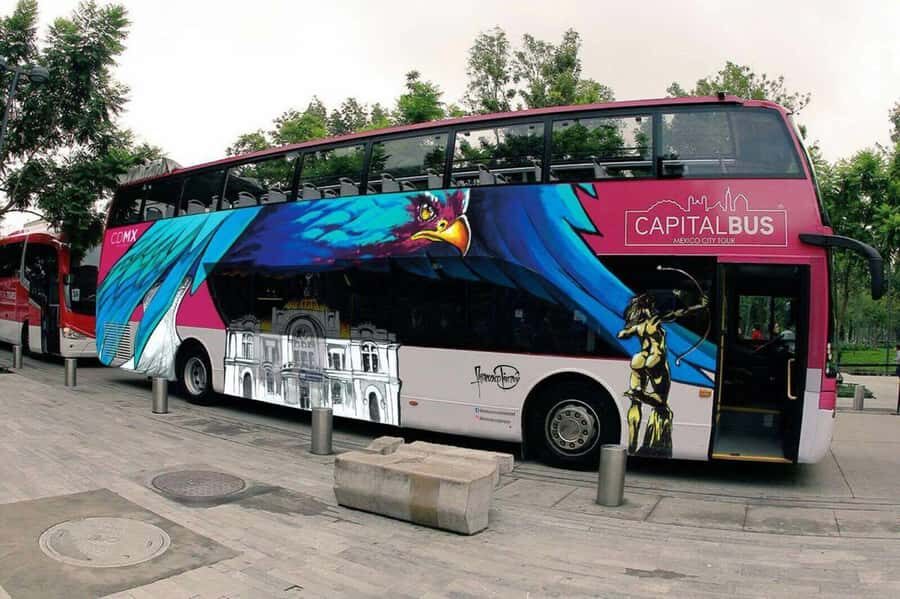
This 75-minute Mexico City Night Bus Tour is a fast way to get the big picture—major monuments, classic architecture, and street views all under the glow of evening lighting. I especially like the double-decker panoramic setup for seeing the city in motion and the onboard audioguide in English and Spanish that helps you place what you’re looking at as you roll past.
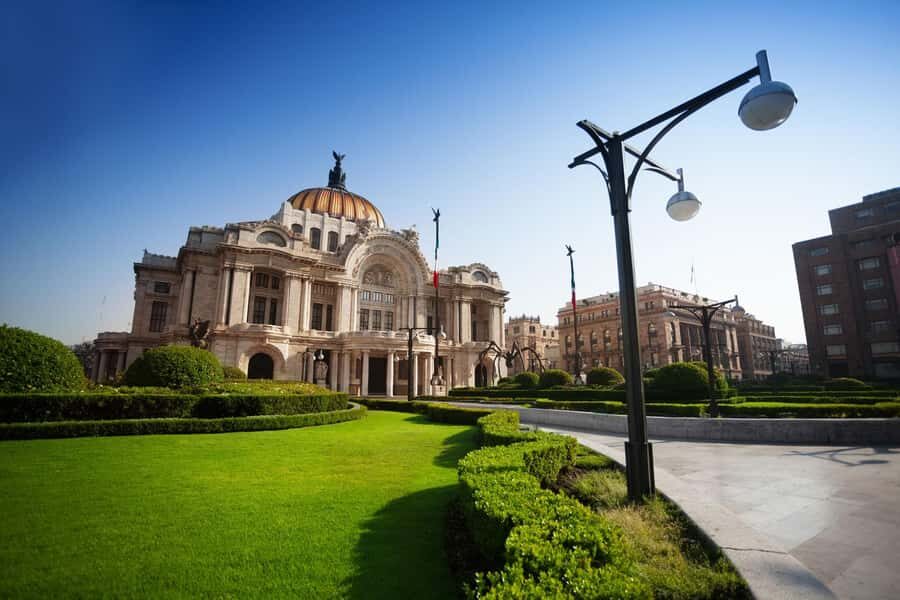
The route is built for people short on time. You’ll clock key stops along the Historic Center and along the grand boulevard energy of Paseo de la Reforma, with famous silhouettes like the Angel de la Independencia and the Palace of Fine Arts on the route. For me, that mix is what makes the tour worth it: you get an orientation sweep without dealing with transfers, planning, or figuring out which streets matter most at night.
One thing to consider: seat and photo comfort. The bus experience depends a lot on where you sit—especially on the upper level—so if you’re hoping for perfect window/angle shots, you’ll want to show up ready and choose your spot carefully. Weather can also change the feel of the evening, since rain can limit how crisp the nighttime views look.
In This Review
- Key highlights you’ll actually feel
- A 75-minute night bus that’s perfect when you have limited time
- Where you meet near Zócalo (and why that matters)
- How to pick the best seat on a double-decker at night
- The 75-minute loop: what you’ll see from Catedral to Reforma
- Catedral Metropolitana de México area
- National Museum of Art (Museo Nacional de Arte)
- Garibaldi
- Tlatelolco
- Monumento a la Revolución
- Paseo de la Reforma
- Angel de la Independencia
- Palace of Fine Arts
- Alameda Central and the Historic Center feel
- Audioguide in English and Spanish: use it like a cheat sheet
- Architecture in night lighting: what to expect (and what might disappoint)
- Value check: why $11 is a bargain here
- Who this night bus tour suits best
- Should you book this Mexico City Night Bus Tour?
- FAQ
- How long is the Mexico City Night Bus Tour?
- How much does the tour cost?
- Where do I meet for the tour?
- Is this hop-on hop-off service?
- What languages are available for the audioguide?
- Is the tour wheelchair accessible?
- What is included in the ticket price?
Key highlights you’ll actually feel
- Panoramic city views from a double-decker bus as night falls
- Onboard audioguide in English and Spanish to make landmarks click
- Icon-heavy route that strings together Zócalo area sites, Reforma, and the Palace of Fine Arts
- Big architecture moments in night lighting, seen from the street rather than from a ticket line
- Seat-position matters for photos, especially on the upper level
A 75-minute night bus that’s perfect when you have limited time
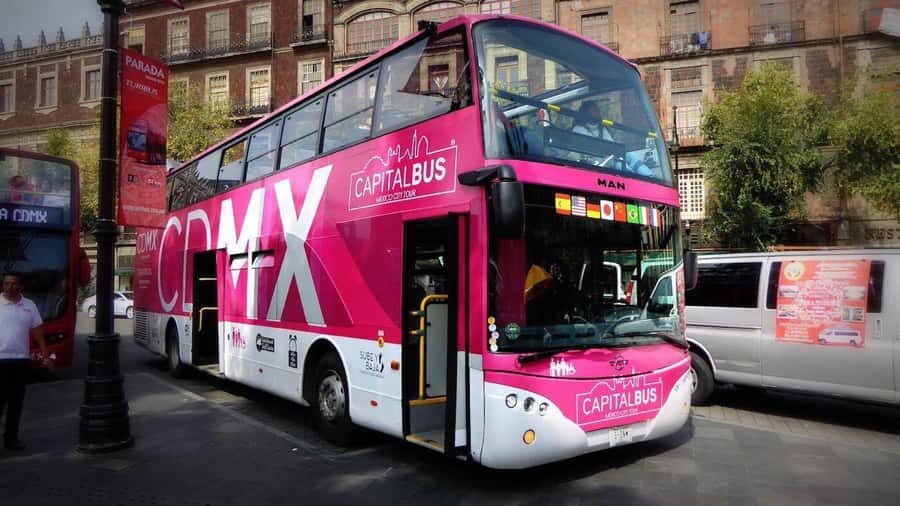
Mexico City is huge, and at night it feels even more spread out. This is why a short bus tour makes sense. In about 75 minutes, you get a guided loop past the kinds of places you’ll want to recognize later when you’re exploring on foot.
The value is also real. At $11 per person, you’re not paying for access to a museum interior or a timed ticket. Instead, you’re paying for a guided orientation: how the city’s “center” works, where the grand avenues start, and how the older core transitions into the more monumental, wide-street feel.
Just keep your expectations grounded. This isn’t a stop-and-stare crawl where you’ll step out repeatedly. You’re seeing Mexico City from a moving vantage point. If you want long pauses for close-up photos, you’ll need to do that elsewhere after this tour gives you the map in your head.
You can also read our reviews of more city tours in Mexico City

Where you meet near Zócalo (and why that matters)
You’ll board at the Capital Bus Stop by Zócalo, and the tour information lists Calle Monte de Piedad 2 as the starting point. That Zócalo-area setup is helpful because it keeps the tour anchored to the part of the city most visitors use anyway.
Plan to arrive at least 10 minutes early. This isn’t just about etiquette. Timing and seat selection matter on this kind of double-decker bus ride, and you want a clean run to get your preferred spot before the bus fills.
Also note: this is a closed-route tour, not hop-on hop-off. That means you don’t need to think about catching it later at another stop. You’re committing to the full ride, then returning to the starting area.
How to pick the best seat on a double-decker at night
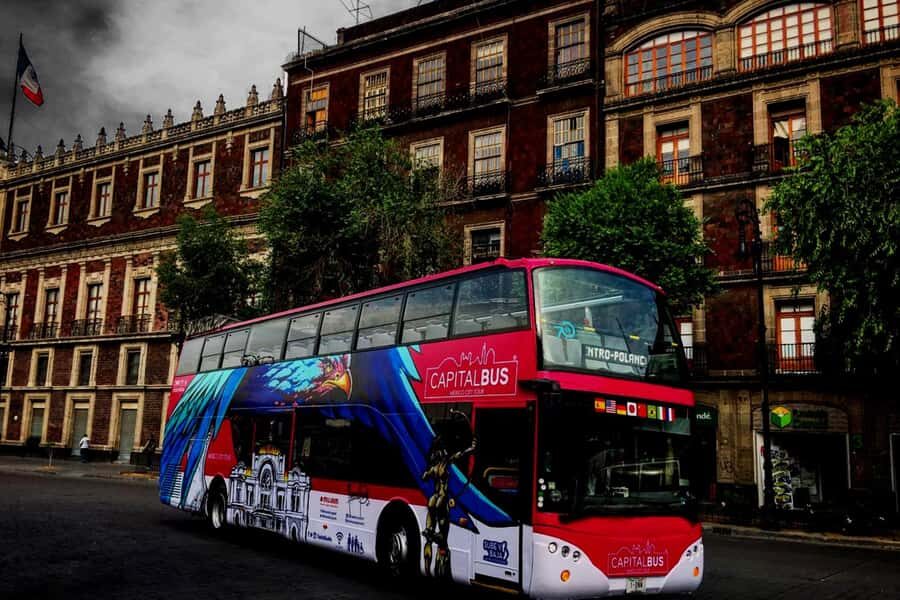
The double-decker format is the whole point, but not all seats deliver the same view. The upper deck is designed for skyline-style angles, while the sides and windows can affect photography. If you’re counting on crisp shots, you’ll want to sit where the bus framing doesn’t block your line of sight.
Here’s my practical advice:
- If you care most about photos, go for the best angle over the windows, not just the “highest” seat.
- If you prefer comfort over photos, choose a position where you’re less exposed to street splash and where the ride feels stable.
- If you’re traveling with someone and want matching views, try to seat together early.
One more reality check: sometimes capacity can be tight on popular time slots. If you arrive late or expect everyone to get the same upper-deck experience, you might be disappointed. Early arrival is your best control lever.
The 75-minute loop: what you’ll see from Catedral to Reforma
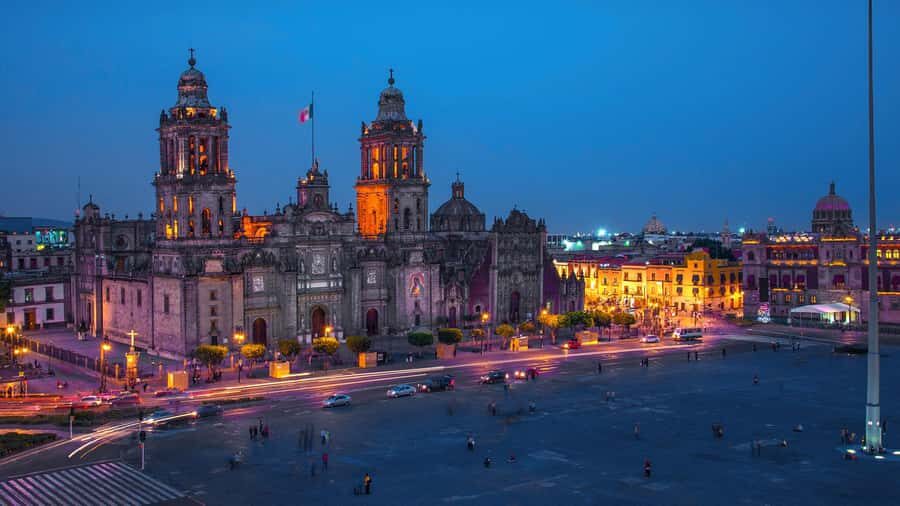
This night ride is basically a guided highlight reel, but the details are what make it useful. You’ll pass a sequence of major landmarks that show how Mexico City organizes itself: the Historic Center gravity, the monumental parade-boulevard logic, and the layered cultural landmarks in between.
Catedral Metropolitana de México area
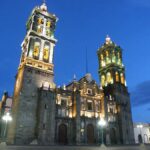
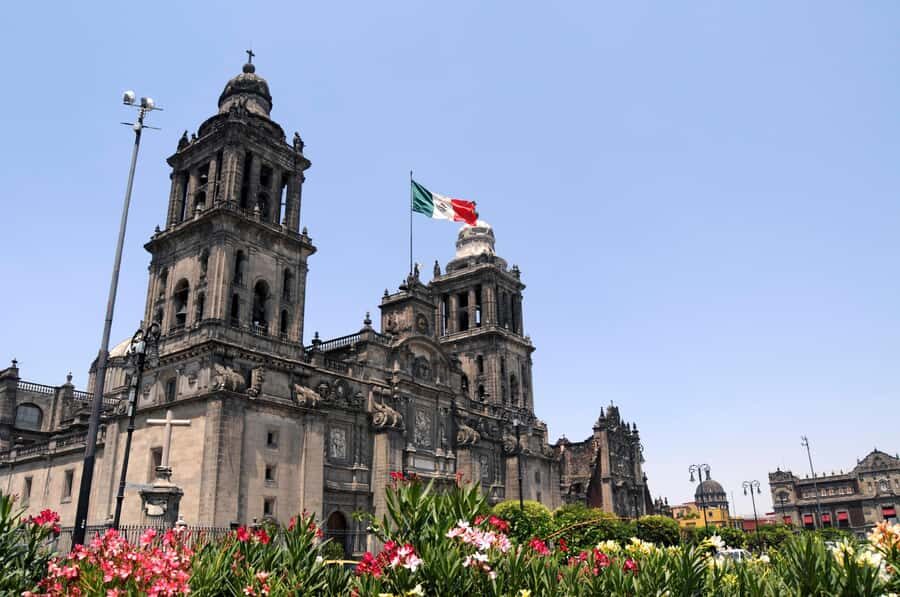
The tour begins with the Catedral Metropolitana de México portion of the city’s core energy. At night, the cathedral doesn’t just look impressive—it helps you understand why the Zócalo area is the city’s “anchor.” Even from the bus, you can pick up the scale.
What to watch for: the cathedral’s façade lighting and the way nearby streets frame it from moving angles. If you’ve never been to Mexico City, this first big architecture moment is a strong way to start.
You can also read our reviews of more evening experiences in Mexico City




National Museum of Art (Museo Nacional de Arte)
Next is the National Museum of Art area. From the bus, you won’t be entering the museum, but you’ll see how cultural institutions sit right inside the urban fabric rather than off in some separate zone. That’s a big clue for how to plan the rest of your trip.
Drawback to keep in mind: museums and cultural buildings can look more “set up for visitors” in daylight. At night, you’ll often get the exterior impression more than the full story.
Garibaldi
Then you pass Garibaldi, the area known for its nighttime personality. From the bus, you’ll get a vibe read more than an exploration. The key value here is tempo: the tour isn’t only grand monuments; it also gives you that sense of where nightlife and public life cluster.
If you’re hoping for a stop-and-walk moment, you won’t get it here. This segment is about seeing the city’s character as you roll through.
Tlatelolco
You also pass through Tlatelolco, which adds depth to the route. Even without leaving the bus, the presence of this area helps you understand the city’s historical layers beyond the immediate Zócalo bubble.
Practical note: the bus is moving, so if you want the “this is exactly where it is” feeling, keep your attention on the audioguide cues rather than trying to read details off the street.
Monumento a la Revolución
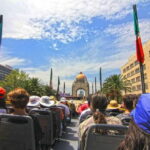
The Monumento a la Revolución is one of the tour’s most recognizable “major silhouette” moments. Night lighting tends to make big monuments look even more graphic, like they’ve been cut out of the sky.
What’s good here: it’s a strong anchor between the older core and the more formal boulevard rhythm ahead.
Paseo de la Reforma
When you hit Paseo de la Reforma, you’ll feel the city switch gears. This is Mexico City’s “wide avenue” experience—long sight lines, big buildings, and the feeling that this is where the city’s modern identity shows itself.
From the bus, you’ll get panoramic impressions: how far the avenue stretches, how the traffic moves, and how monuments repeat along the corridor.
Angel de la Independencia
Then comes the Angel de la Independencia. It’s one of those landmarks that works in any lighting. At night it’s especially clear because the lighting design makes the structure easier to track as the bus moves.
Tip if you’re into photos: give this part your full attention. Moments like this are where the upper deck’s view really pays off.
Palace of Fine Arts
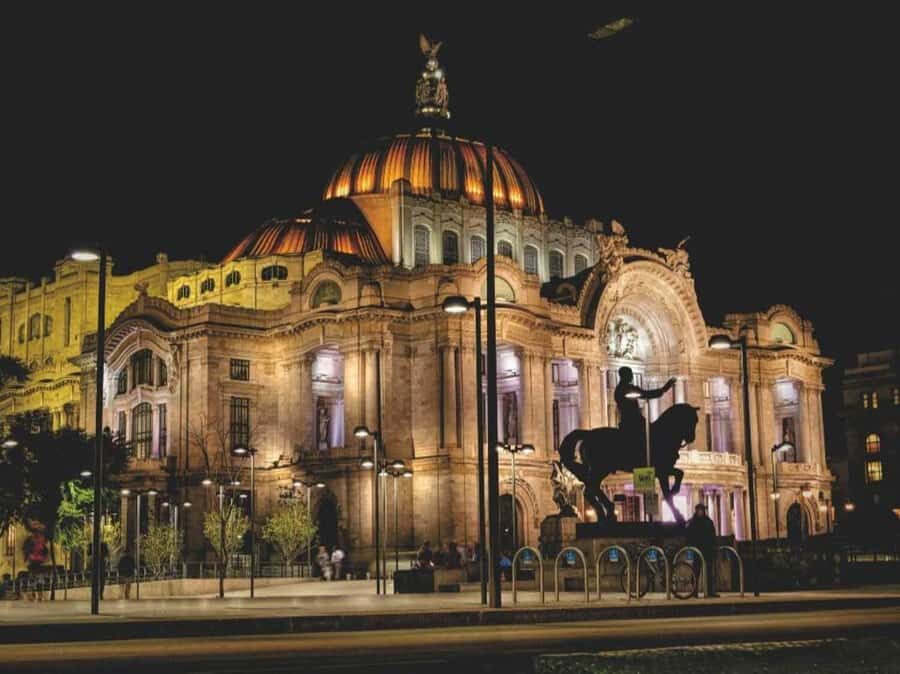
The Palace of Fine Arts segment is often the “wow” portion of this kind of route. The building’s lighting and the contrast with nearby streets make it feel cinematic from a moving viewpoint.
Even if you’re not stepping out, this is the kind of landmark you’ll remember later when you’re deciding where to spend time the next day.
Alameda Central and the Historic Center feel
Finally, you pass Alameda Central and return through the Historic Center atmosphere. These are less about one single monument and more about how the city’s public spaces and old streets keep pulling you back in.
You’re basically seeing the city’s “after-dark layout” before you go try to navigate it yourself.
Audioguide in English and Spanish: use it like a cheat sheet
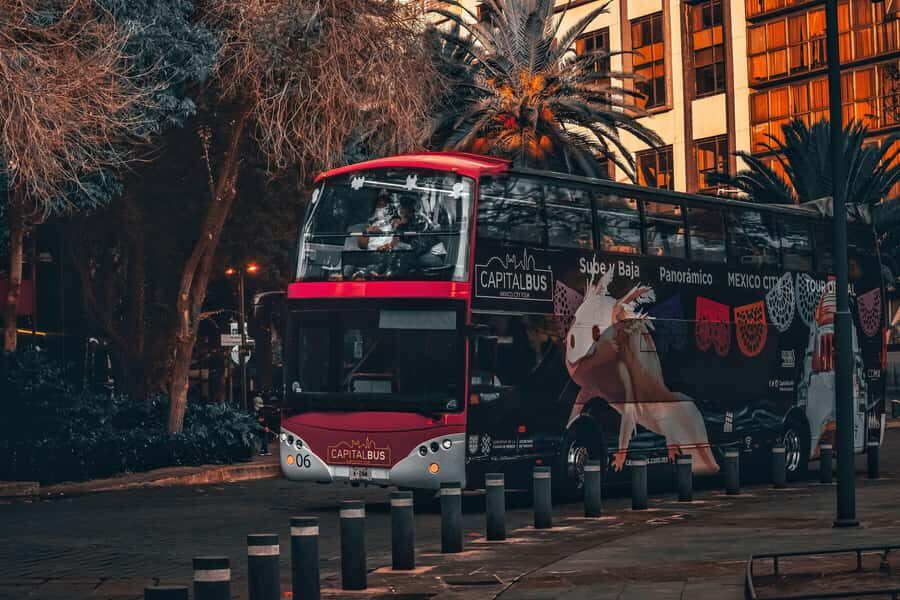
The tour includes an audioguide in English and Spanish, which matters because the landmarks are dense. Without guidance, you can spot famous buildings and still feel like you’re missing the thread.
Use the audioguide actively:
- Listen as you approach each stop, not after you’ve passed it.
- If you hear a name and you don’t recognize the surrounding streets, mentally note what direction the landmark sits relative to the bus.
- If a story detail catches your interest, treat it as a to-do for daytime reading or a future museum visit.
One of the best parts of a night bus tour is that you don’t need to memorize everything. The audioguide helps you come away with a working mental map.
Architecture in night lighting: what to expect (and what might disappoint)
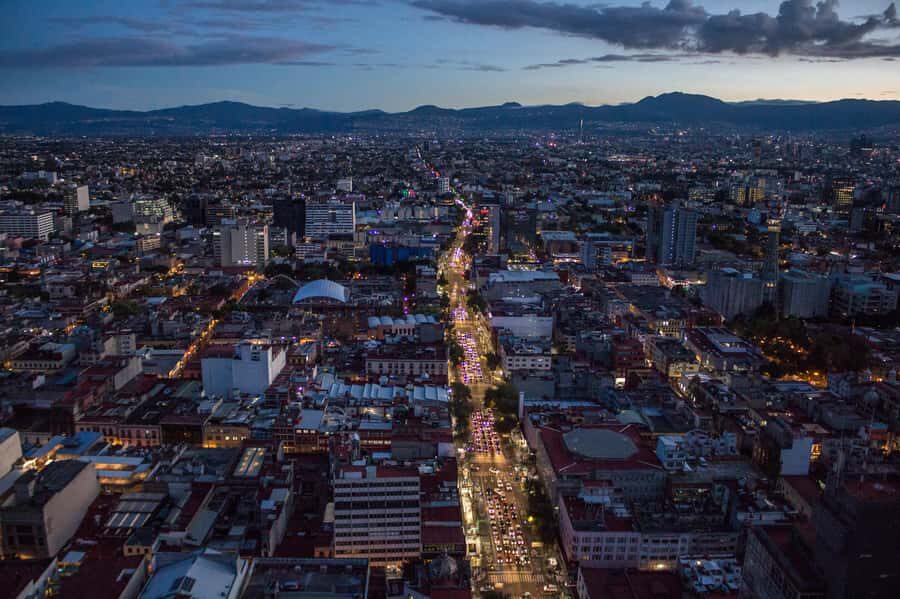
Night lighting changes buildings. Sometimes it makes textures look smoother and more dramatic. Sometimes it’s more subtle than the postcard version.
Based on the kind of feedback this tour tends to generate, here’s the most honest way to think about it:
- If you love architecture and you enjoy seeing familiar monuments from unusual street angles, this tour will feel useful.
- If you’re expecting every illuminated building to look like a perfect skyline shot, you might find the experience a bit uneven—some areas read clearer than others from a moving bus.
Rain is the wildcard. Wet streets can make reflections pretty, but they can also blur the view and reduce how crisp photos look through windows or side openings. If you’re booking for a night with likely rain, I’d go in with flexible photo goals and focus more on the overall orientation and atmosphere.
Value check: why $11 is a bargain here
$11 isn’t a lot in a city where even a short activity can add up fast. The big question is: what are you buying?
You’re buying:
- A guided route that hits multiple top-name areas
- Audioguide narration to connect the dots
- A low-effort way to see a lot quickly without planning your own evening logistics
You’re not buying:
- Guaranteed close-up viewing at each stop
- A hop-off experience
- Museum interior time
So the value is best if you want a first night orientation or you’re squeezing in sightseeing between other plans.
If you already have a detailed walking plan and you love spending lots of time in specific neighborhoods, this can feel like a “nice overview” rather than the main event. But as an add-on to a short stay, it’s hard to beat.
Who this night bus tour suits best
This tour fits especially well if:
- You’re in Mexico City for only a few days and want to understand the city layout quickly
- You’re not ready to manage multiple evening logistics on your own
- You want to see key landmarks in one guided ride with an English/Spanish audioguide
- You prefer seeing the city as a moving panorama rather than standing in crowds for hours
It may be less ideal if:
- You want lots of time outside the bus
- You’re extremely photo-focused and need perfect angles at every stop
- You’re the kind of traveler who wants to do deep neighborhood exploring by foot at night
If you want this tour to work for you, treat it like the opening chapter of your Mexico City trip. Then plan your follow-up visits where you felt the strongest pull—Reforma’s grand boulevard vibe, the Historic Center’s street energy, or a closer look at the Palace of Fine Arts in daylight.
Should you book this Mexico City Night Bus Tour?
I’d book it if you want a low-cost, low-effort way to see Mexico City’s big-name architecture and get your bearings fast. The 75-minute timing is right for jet lag or a packed itinerary, and the audioguide in English and Spanish makes the landmarks easier to place.
I wouldn’t book it if your main goal is long stops, museum time, or consistent photo conditions from every seat. In that case, you’d probably do better with a small-group walking plan or a tour that includes more time on foot.
If you’re somewhere in the middle—curious, short on time, and happy to see the city from street level—this one is a solid match.
FAQ
How long is the Mexico City Night Bus Tour?
The tour lasts 75 minutes.
How much does the tour cost?
The price is listed at $11 per person.
Where do I meet for the tour?
You should go to the Capital Bus Stop by Zócalo to board the bus. The starting point is also listed as Calle Monte de Piedad 2.
Is this hop-on hop-off service?
No. It is a closed bus tour around Mexico City and not hop-on hop-off.
What languages are available for the audioguide?
The audioguide is available in English and Spanish.
Is the tour wheelchair accessible?
Yes, the tour is listed as wheelchair accessible.
What is included in the ticket price?
Included is access to the Capital Bus Night Tour and the audioguide in English and Spanish. Transport to the meeting point is not included.