REVIEW · MEXICO CITY
Mexico City: Jewish Presence
Book on GetYourGuide →Operated by Mex at Max - Mexico City Tours · Bookable on GetYourGuide
History gets personal fast.
This guided walk traces Jewish presence in Mexico City across centuries, starting with early arrivals in 1519 and the brutal Spanish Inquisition backdrop, then following the community through modern, secular Mexico. You get a rare mix: big monuments right in front of you, plus specific sites tied to Jewish arrivals, persecution, survival, and later growth.
What really makes this experience special is the way the stops connect to real turning points in one continuous storyline. I like the focus on three waves of arrival and the way the guide ties them to where you’re standing. I also love that the walking route links religious architecture (cathedrals and synagogues) with civic power, from trade routes to the Spanish imperial machine. One thing to consider: it’s not a sit-and-watch tour, and it isn’t suitable if you have mobility limitations or need wheelchair access.
Key things I’d pencil into your plan
- Carlos is a standout guide: in the feedback, he’s described as a walking source of world history, strict about sticking to proven facts, and generous with Q&A.
- You learn at a major viewpoint first: the opening intro happens while looking over the Great Aztec Temple area and nearby religious buildings.
- Inquisition details go beyond headlines: you visit the Antiguo Palacio de la Santa Inquisición and hear about hidden messages used to persecute people, especially traders.
- You see synagogue life, not just history: you’ll visit one synagogue and view two of the oldest ones in the area around Loreto Park.
- WWII and later migration are part of the story: the tour covers Mexico’s rescue efforts during WWII and how synagogue life changed when families moved to more affluent parts of the city.
- Solid value for a short timeline: 3.5 hours for $89 with entrances included where access doesn’t require separate tickets.
In This Review
- A 3.5-hour Jewish history walk that connects monuments to real lives
- Meeting outside Librería Porrúa: the “start right” moment
- Patio Norte and the Catedral area: where empires show their teeth
- Former College of San Ildefonso: learning history where institutions took shape
- The synagogue stop: the best kind of sightseeing—specific, purposeful
- Palacio de la Santa Inquisición: hidden messages and the targeting of traders
- Loreto Park and the second wave: Eastern Europe, the Ottoman Empire, and Ellis Island rejections
- From tailors to textiles and jewelry: how Jewish capital fed Mexico’s financial system
- WWII rescue and the 1970s synagogue shift: why communities move
- Price and value at $89: what you’re really paying for
- Who this tour fits best (and who should skip it)
- Should you book this Jewish Presence tour?
- FAQ
- What is the duration of the Mexico City Jewish history tour?
- How much does it cost per person?
- Where is the meeting point?
- Is the tour guided in English?
- What stops and locations do we visit during the experience?
- Are there entrances included, or do I need tickets?
- What should I bring?
- What is not allowed on the tour?
- Is it suitable for children or wheelchair users?
- Can I reserve now and pay later?
A 3.5-hour Jewish history walk that connects monuments to real lives
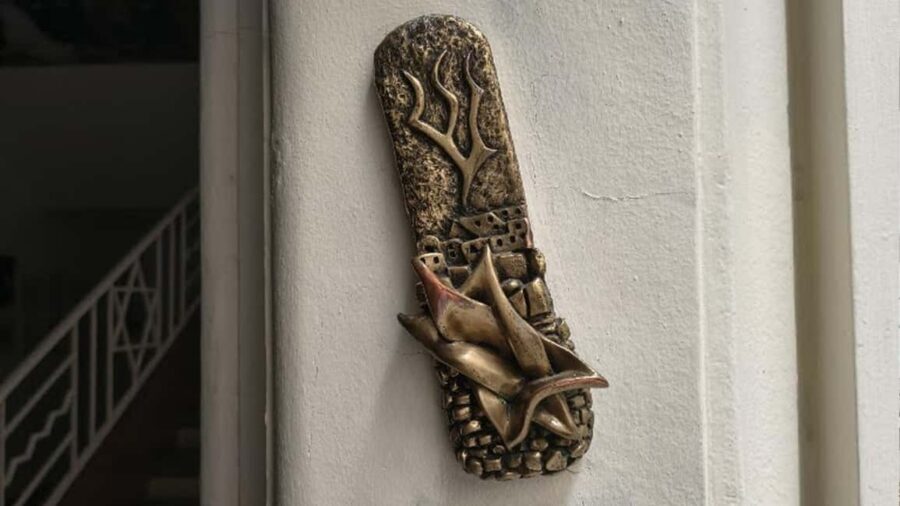
If you like your history with names, dates, and consequences, this tour is built for you. It’s about Jewish arrivals and survival in Mexico City—yet it also reads like a world-history course, because the guide keeps pointing out how empires, laws, wars, and immigration policies shape everyday life.
You’re also getting a front-row seat to how Mexico City layers eras on top of each other. In a single afternoon you’ll be near Indigenous and colonial power, Catholic and Protestant landmarks, and then the quieter, communal spaces of synagogue life. That contrast matters: it shows how a community survives even when the surrounding world turns hostile.
The pace is active. Expect a comfortable walking tour that still covers a lot of ground in about 3.5 hours, including multiple 30–45 minute stops. If you’re expecting a fully seated experience, you’ll probably feel it by the end.
Meeting outside Librería Porrúa: the “start right” moment
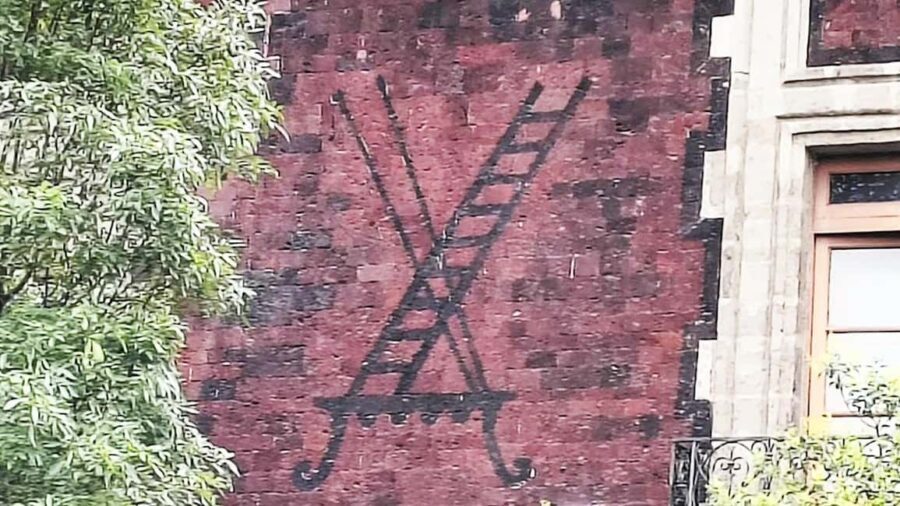
The meeting point is specific, and getting it right makes the first 10 minutes painless. You meet outside a white building across Justo Sierra Street from the northern entrance to the Aztec Great Temple Bridge. Look for the door marked #15, and the sign above it says Librería Porrúa.
You should arrive a few minutes early so you can regroup yourself before the tour starts and you’re not hunting for the right entrance. This matters even more here because your first overview is tied to where you’re standing visually—overlooking the Great Aztec Temple area and nearby religious buildings—so it’s worth being on time.
Plan for the weather too. The tour info recommends comfortable shoes, plus a sun hat and sunscreen. The sites are outdoors-heavy, and sandals/flip-flops are not allowed, so wear something you can walk in for a few hours.
You can also read our reviews of more city tours in Mexico City

Patio Norte and the Catedral area: where empires show their teeth
Your early stop at Patio Norte sets the stage with big, central-city context. This is where you start learning how Mexico City became the economic center of the Spanish Empire, with rule and commerce stretching across Asia, North America, and the Caribbean.
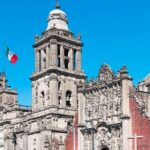
Next, you move toward the Catedral Metropolitana de México and spend time looking at the site as more than architecture. The guide frames it as part of the colonial era’s power system—one that shaped who could live, work, and worship safely. You don’t just see stone and towers; you see the environment people were forced to navigate.
This section also helps you understand why the Jewish story in Mexico isn’t just one local plot. It’s tied to imperial structures and the policies that came with them—so the cathedral area becomes a backdrop for laws, trade, and persecution rather than just a postcard view.
Practical note: you’ll spend time at multiple major landmarks close together. Keep your water plan simple (no food/drink is allowed), and use breaks when the group stops.
Former College of San Ildefonso: learning history where institutions took shape

The former College of San Ildefonso is a strong pivot point in the tour. It’s not just another building stop; it’s where the story shifts toward education, governance, and the ways Spanish colonial society organized power.
From here, the narrative moves toward the beginning of Jewish presence in the region. You hear about the arrival of Jews in 1519 and then the tragic consequences that followed. The guide doesn’t leave it abstract. You’re taught how laws and religious persecution turned into real risk for people—especially those involved in commerce and trades.
This is a good moment to slow down mentally. The tour is moving fast across centuries, and this stop helps you connect the dots between religious authority, civil authority, and the practical lives of immigrants.
The synagogue stop: the best kind of sightseeing—specific, purposeful
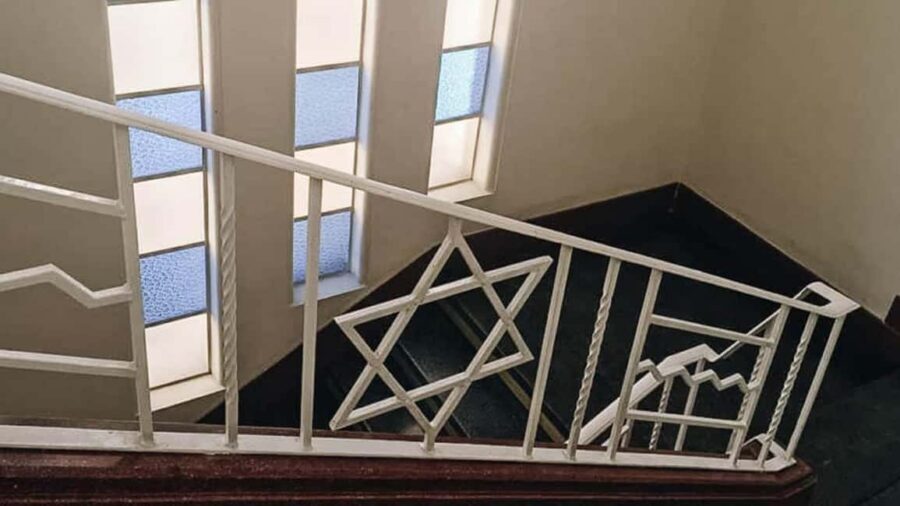
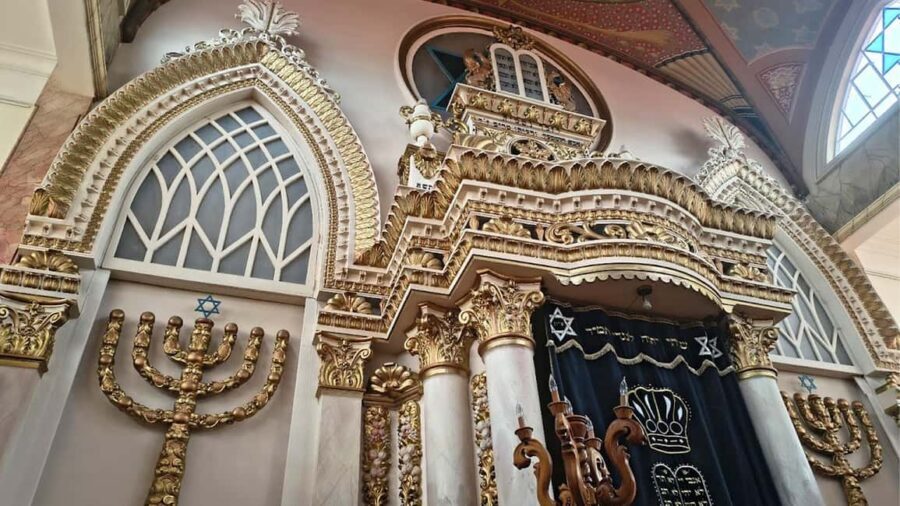
One of the most valuable parts of this tour is the time at the synagogue itself. You’ll get a guided tour for about 45 minutes, and the focus is on what you can actually learn in that space—what a synagogue means as a community institution, not just a religious building.
Before you arrive, the guide has already set up the timeline: early arrival, persecution, survival, then later legal changes that allowed a different kind of community life. That context makes the synagogue visit feel grounded. You’re not just ticking off an attraction; you’re seeing where faith and identity lived through shifting political conditions.
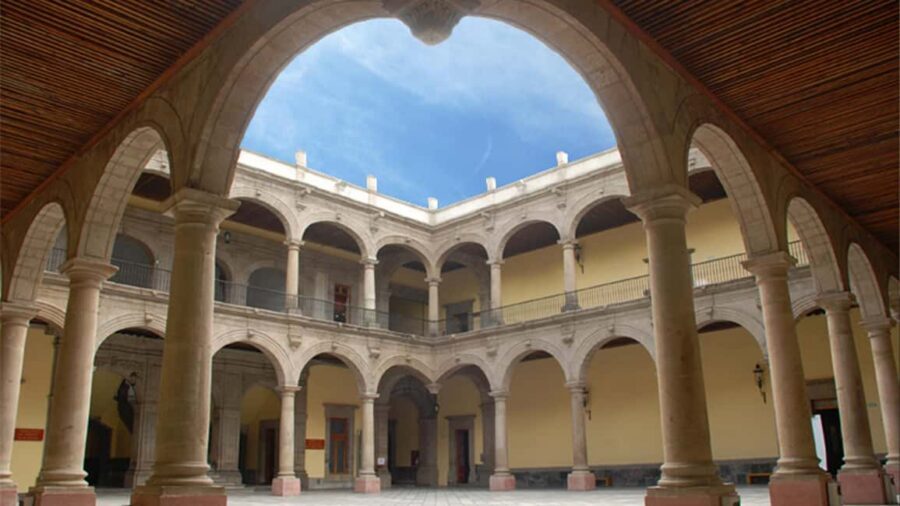
A highlight you’ll want to remember: the tour includes seeing two of the oldest synagogues around Loreto Park, and then you visit one of them. That layering matters because you can compare what you’re seeing in the broader neighborhood story, then switch to what you experience up close in the visited synagogue.
If you care about architecture, you’ll notice how the tour uses the buildings as prompts for historical meaning. If you care more about people and policy, you’ll still come away with clarity, because the guide keeps linking the physical spaces to historical changes.
Palacio de la Santa Inquisición: hidden messages and the targeting of traders
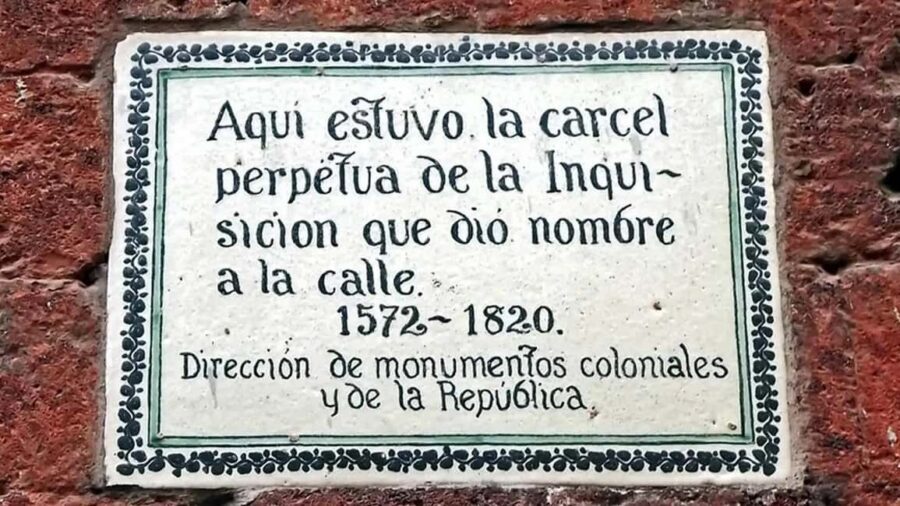
After the synagogue stop, the tour heads to the Antiguo Palacio de la Santa Inquisición. This section is heavy, but handled with purpose. You learn how persecution worked during the Spanish Inquisition era and hear about the ways messages and clues were embedded into the space—used to persecute people, mainly trading ones, for centuries.
You also get the city’s colonial power angle again, but this time you see it through a darker lens. Mexico City wasn’t just a wealthy hub. It was a governing center where imperial systems protected certain religious-political goals while threatening others.
This stop is where the “survival” part of the tour becomes more than a word. When you’re standing there, the story doesn’t feel like a distant chapter in a book. It feels like a reminder that trade, migration, and minority life were constantly at risk when authorities turned hostile.
If this topic is tough for you, don’t worry—you can mentally take breaks by focusing on the guide’s structure and the timeline. The tour is designed so the darkness doesn’t swallow the whole afternoon.




Loreto Park and the second wave: Eastern Europe, the Ottoman Empire, and Ellis Island rejections
Later, you move to Loreto Park, and the story shifts from persecution toward rebuilding. This is where the second wave of Jewish immigrants settled at the end of the 19th century, including people from Eastern Europe and the Ottoman Empire, plus those who weren’t accepted at Ellis Island.
This is an important part of the tour because it shows how immigration isn’t one single stream. It’s routes shaped by luck, politics, and bureaucracy. You’ll understand why people arrived with different backgrounds but often shared the same pressures: finding safety, forming community institutions, and trying to keep traditions alive.
And since the tour includes seeing old synagogues near this area, Loreto Park stops being a green spot on a map. It becomes a living geography of community formation.
By this point, you should feel the arc: persecution first, then legal changes and later growth, then community reshaping as people moved where opportunities and safety improved.
From tailors to textiles and jewelry: how Jewish capital fed Mexico’s financial system
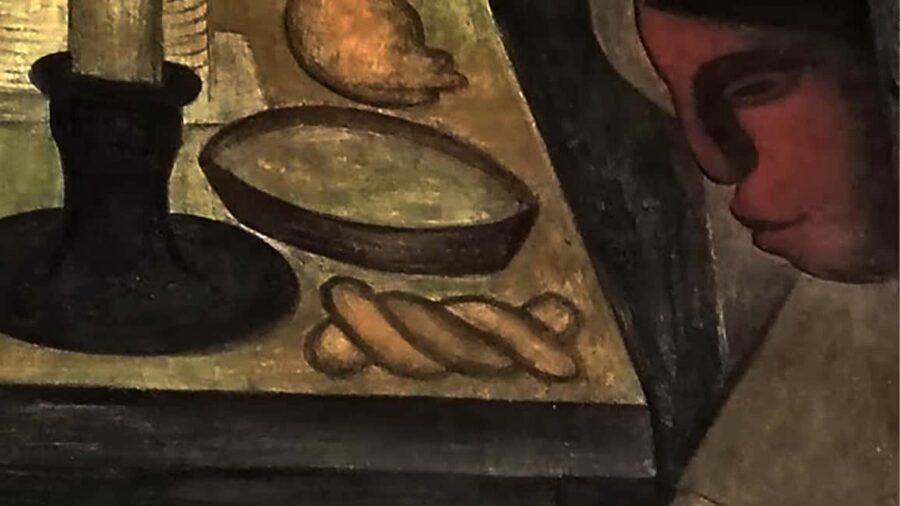
The tour doesn’t stop at religious life. It moves into economic development, and it does it in a way that feels relevant instead of name-dropping.
You learn how Jewish immigrants progressed from work like tailors and seamstresses into stronger roles in textile and jewelry industries. The big takeaway is that these industries became part of Mexico’s financial system, with Jewish capital helping drive that growth.
This is one of the best “why this matters” lessons. When you only hear persecution stories, you can miss how communities also built stability and contributed to the wider society. Here, the guide balances it: persecution explains the risk; economic impact explains the long game.
The practical payoff for you is clarity. You leave with a fuller picture of how Jewish presence influenced Mexico City’s development—not only as a minority history, but as part of the city’s economic rise.
WWII rescue and the 1970s synagogue shift: why communities move
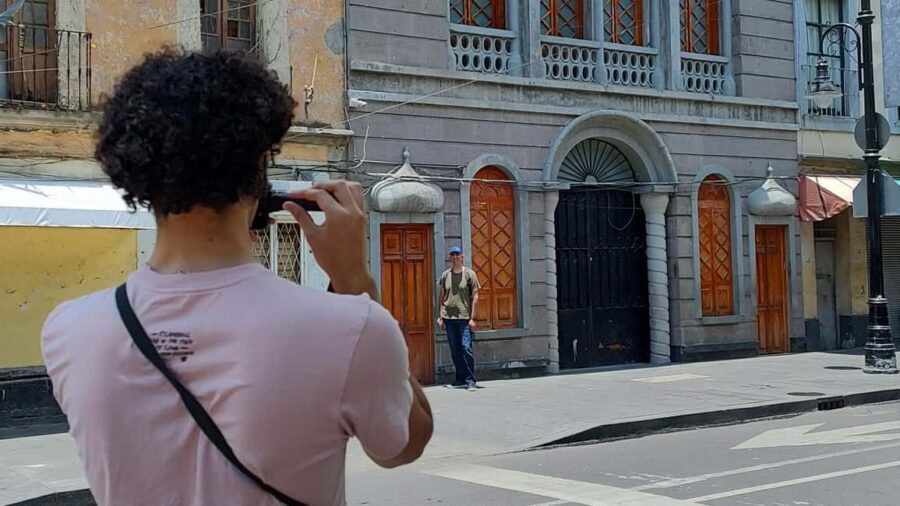
The final phase brings the story into the 20th century and beyond. You explore Mexico’s rescue of Jews during WWII, then you learn about the 1970s abandonment of these synagogues as Jewish families migrated to more affluent areas of the city.
This ending can surprise people, but it shouldn’t. Communities change as neighborhoods change, jobs move, schools shift, and wealth concentrates elsewhere. The tour doesn’t treat the synagogue as a museum only—it treats it as a home that can be left when life conditions evolve.
So the emotional effect is different. Instead of ending with tragedy, you end with movement: survival, rescue, then adaptation. That’s a very human way to close a history tour.
Price and value at $89: what you’re really paying for
At $89 per person for about 3.5 hours, the price is reasonable for a tour that combines multiple significant stops and includes access to locations mentioned that don’t require separate reservations or ticketing. You’re not just paying for a walk; you’re paying for a guide who stitches together a timeline across major sites.
Here’s how I’d judge the value for your time:
- If you want the historical storyline connected to real places, the price makes sense.
- If you only want quick photos of monuments, you might feel the time is too “lesson-heavy.”
The overall satisfaction looks strong, too, with an average rating of 4 across 24 bookings. The main caution I’d give (based on the range of experiences shared) is to show up ready and keep your phone charged so you can connect fast if there’s any last-minute confusion.
Who this tour fits best (and who should skip it)
This experience is best for adults who want to learn how Jewish life in CDMX evolved through laws, empires, and immigration waves. The English live guide is a major plus if you prefer your history explained in plain language rather than left to guesswork.
It’s not suitable for children under 18. It also isn’t suitable for people with mobility impairments or wheelchair users, and mobility scooters aren’t allowed.
If you love city history but hate when it turns vague, this will feel like the right kind of guided structure. The guide uses proven facts and stays organized, so you won’t feel lost even when the time periods get complex.
Should you book this Jewish Presence tour?
Book it if you want a tight, place-based history story: Inquisition persecution, legal transformation toward a secular state, synagogue life, and WWII rescue, all tied to specific buildings you can stand in front of. It’s one of those tours that teaches you how to read the city, not just how to walk it.
Skip it if you need a fully accessible route or if you don’t want a history-first focus. Also, if you’re the type who relies on last-minute schedule changes, plan to arrive on time and keep communication ready, since small-group experiences can be sensitive to missed connections.
If your goal is to understand Mexico City as a living crossroads—where trade, religion, politics, and migration collide—this one earns its slot.
FAQ
What is the duration of the Mexico City Jewish history tour?
The tour lasts about 3.5 hours.
How much does it cost per person?
The price is $89 per person.
Where is the meeting point?
You meet outside the white building across Justo Sierra Street from the northern entrance to the Aztec Great Temple Bridge, under the main door marked #15. The sign above the door says Librería Porrúa.
Is the tour guided in English?
Yes, it’s a live tour with an English-speaking guide.
What stops and locations do we visit during the experience?
You’ll visit stops including Patio Norte, the Catedral Metropolitana de México, the former College of San Ildefonso, a synagogue guided tour, and the Antiguo Palacio de la Santa Inquisición, then finish at Justo Sierra 71.
Are there entrances included, or do I need tickets?
Entrance is included for open private or public locations mentioned that do not require reservations or tickets.
What should I bring?
Bring comfortable shoes, a sun hat, and sunscreen.
What is not allowed on the tour?
Food and drinks, drones, pets, mobility scooters, vaping, bikes, and flash photography are not allowed. Sandals or flip flops are also not allowed.
Is it suitable for children or wheelchair users?
It’s not suitable for children under 18, and it’s not suitable for people with mobility impairments or wheelchair users.
Can I reserve now and pay later?
Yes. It offers Reserve now & pay later, and you can cancel up to 24 hours in advance for a full refund.