REVIEW · CENTRAL MEXICO
Iztaccihuatl Volcano Climb
Book on Viator →Operated by Yacana Outdoors · Bookable on Viator
Summiting Iztaccihuatl is a serious altitude test. It’s a one-day climb in central Mexico with big payoffs: dramatic views in Popocatépetl and Iztaccíhuatl National Park and that clear goal of reaching high terrain under real mountaineering rules. I like that hotel pickup is included when you’re in Mexico City, so you don’t lose the day to logistics. I also like that you get breakfast, snacks, and water so you can focus on moving instead of rationing.
The main thing to consider is effort. This is a mountaineering experience on a mountain around 5,230 meters, and the difficulty can run intermediate to advanced depending on your fitness and how long you’ve had to acclimatize. You may also need crampons and an ice axe for the alpine-style attempt, and while the guide can teach you the basics, the climb still demands strong legs and stamina.
In This Review
- Quick reasons this Iztaccihuatl climb feels worth it
- Iztaccihuatl and Popocatépetl National Park: the setting for a real summit day
- A long day with an 11:00 am start: how to think about the timing
- Pickup in Mexico City: the easiest way to start strong
- Fuel for the hike: breakfast, snacks, and water included
- Mountaineering reality check: crampons, ice axe, and why it’s not just a hike
- What to expect on the climb: the summit goal and the “keep moving” strategy
- Guide Jose Luis: professionalism, plus a human touch
- Park time, views, and the satisfaction factor at altitude
- Weather and safety: why the mountain keeps a veto power
- What kind of fitness you need (and how to self-check)
- Should you book the Iztaccihuatl Volcano Climb?
- FAQ
- Where is the meeting point for this climb?
- What time does the experience start?
- How long does the Iztaccihuatl climb take?
- Is hotel pickup included?
- Is this a private tour?
- What’s included for the hike?
- Do I need crampons and an ice axe?
- Do you teach crampon and ice axe basics if I’m new?
- Is the climb weather dependent?
- Can I cancel for a full refund?
- Is the tour offered in English?
Quick reasons this Iztaccihuatl climb feels worth it
- Private tour for your group so the pace and explanations can match you
- Mexico City pickup (when you’re within the service area) for a smoother start
- Food and water included for the long push uphill
- Real mountaineering setup using crampons and an ice axe on the alpine option
- A guide who plans for the human side, not just the summit
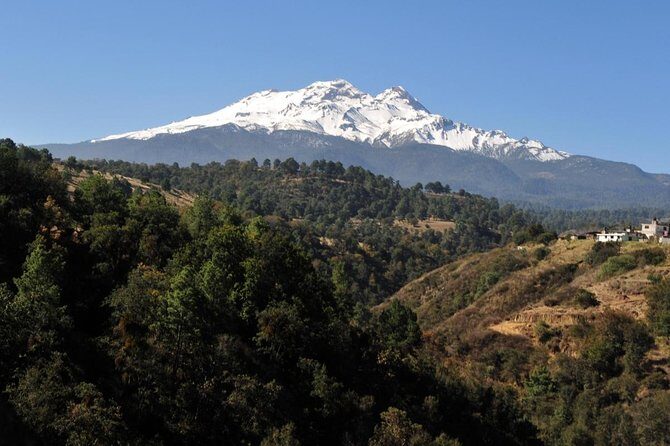
Iztaccihuatl and Popocatépetl National Park: the setting for a real summit day
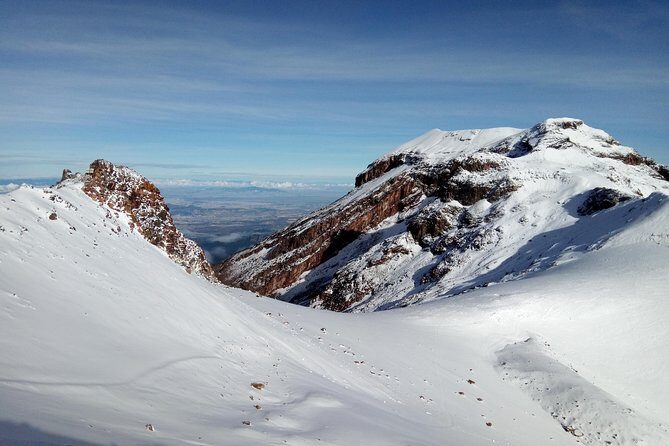
This climb is all about altitude and atmosphere. Iztaccihuatl sits in Popocatépetl and Iztaccíhuatl National Park, and that matters because you’re not doing a casual hike in open country. You’re moving in a high-elevation environment where your body feels the work fast, and where the scenery changes in a big way as you gain height.
I also like the way this tour frames the goal. The “why” is simple: get up high, enjoy the views, then come back down as a team. That keeps you focused when the hike stops being scenic and starts being physical.
You can also read our reviews of more tours and experiences in Central Mexico.

A long day with an 11:00 am start: how to think about the timing
You’ll meet at Paso de Cortés, 56925 (State of Mexico) with the day starting at 11:00 am. The total time is listed as about 16 hours, which is a big clue: this is not an hour-and-a-half outing. Plan for a full day where you’re traveling, eating, hiking, and rebuilding your energy on the return.
One twist is that Iztaccihuatl can be done in different formats here: there’s an alpine-style climb that requires a very early start (wake-up around 3:00 am) and a longer “day hike” style option. The key practical point is to ask your provider which version your booking fits and what time you’ll actually need to be ready. If you’re expecting a leisurely morning, the alpine option will surprise you.
Because the day can run long, you’ll want to bring a calm mindset. The guide can keep you moving efficiently, but the mountain controls the tempo. Your job is to follow the plan and keep your effort steady.
Pickup in Mexico City: the easiest way to start strong
Hotel pickup is one of those small details that can make or break a hard day. If you’re staying inside Mexico City, you can share your address and you’ll be picked up. If you’re outside Mexico City, the operator invites you to message them so you can figure out a workable plan.
In practical terms, pickup reduces stress right at the start. You don’t have to figure out transit, meeting points, and timing on your own while you’re already thinking about altitude. For a mountain climb, that matters.
This is also a private tour, meaning only your group participates. So the day doesn’t feel like you’re fighting for space around other climbers, and the guide can tailor pacing and explanations to your team.
Fuel for the hike: breakfast, snacks, and water included
You’ll get breakfast, snacks, and water for the climb. That’s a big value piece because it removes one common risk: showing up thinking you’ll buy something quickly and then realizing you can’t find a place when you need it.
What I like most about including food and water is that it helps you keep a steady rhythm. On high terrain, it’s not just about “eating once.” It’s about staying functional while you work uphill and when you’re tired later in the day.
That said, don’t assume this replaces every need. Bring anything personal you rely on (for example, things like your preferred snacks or any items you know you need for comfort). The tour includes basics, but you control your own routine.
Mountaineering reality check: crampons, ice axe, and why it’s not just a hike
This is where the tour gets honest with you. Iztaccihuatl tops out around 5,230 meters, and this is described as a mountaineering experience. The difficulty ranges from intermediate to advanced, depending on your shape and acclimatization time.
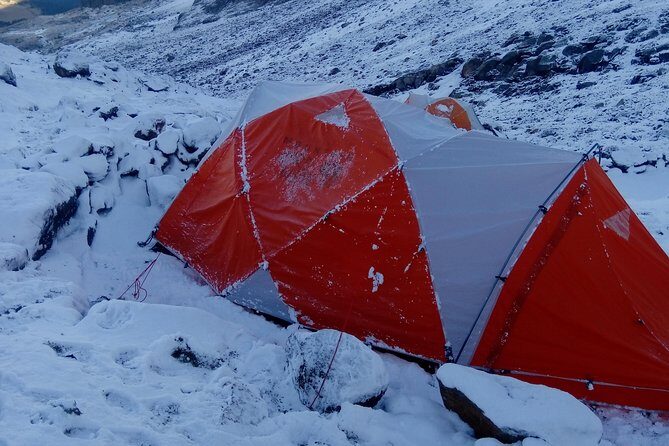
If your chosen version is the alpine-style climb, the route calls for crampons and an ice axe. The tour also mentions a crash course the day before if you’ve never used them. That’s important. Learning to place your feet and manage the tool safely takes time, and a quick on-the-spot lesson at altitude is not the moment you want to be improvising.
There’s another detail that helps you understand the physical load: you’ll carry roughly 10 liters of weight for about 12 hours up and down the mountain. That number is a mental model. It tells you what kind of stamina you’re signing up for—steady climbing work over a long period, not a short burst.
If you’re tempted to think, I can handle steep trails, keep the distinction in mind: steep trails don’t always involve technical footwork and cold-weather gear. Here, the mountain expects mountaineering discipline.


What to expect on the climb: the summit goal and the “keep moving” strategy
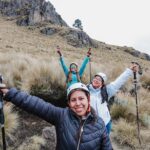
The tour is clearly built around one idea: get to the summit and make the most of the time you spend there. That means you’ll be spending a lot of hours in a focused mode. In my experience, that’s the best way to handle a hard climb: don’t overthink every step, just keep moving with a plan.
You can expect the route to feel like a test of endurance more than a test of speed. You’re not racing the mountain. You’re managing effort while your body adjusts to height and fatigue.
Also, the tour doesn’t pretend the technical part won’t feel real. It explicitly describes the alpine climb as demanding, requiring strength in your legs and high endurance. Good news: you don’t need to be a pro athlete. You do need to be consistent about training and comfortable with a long day.
If you’re the kind of person who gets nervous at the word mountaineering, treat it as a learnable skill. The provider even frames it that way: don’t let the technical details scare you. If you have the fitness to attempt it, you’ll quickly get a feel for what mountaineering is in the context of a guided climb.
Guide Jose Luis: professionalism, plus a human touch
A great climb guide does two jobs at once: safety and morale. Here, that combination shows up strongly in the feedback.
Jose Luis stands out as professional, helpful, and knowledgeable. That’s the kind of guide you want when conditions and altitude are doing their best to throw you off. Clear guidance, practical coaching, and calm decision-making help you stay focused instead of second-guessing your own pace.
One detail I really respect is how the guide handled a real scheduling stress for the group: Jose Luis went out of his way so one guest could watch the World Cup final before going into the mountain. That doesn’t change the technical difficulty of the climb—but it tells you something about priorities. This is a team that thinks beyond gear and timing.
Transport and food also came through well in the same feedback. For a long day, that matters. If the drive and basics feel solid, you start the hike less drained.
Park time, views, and the satisfaction factor at altitude
The tour highlights “awesome scenery” and that sense of accomplishment you get from reaching high ground. That’s not just marketing. On Iztaccihuatl, the effort is visible in your body: tired legs, careful steps, and the mental grind of staying steady.
So the accomplishment feels earned. You’re not checking a box at a viewpoint; you’re doing sustained uphill work in a mountaineering environment. When you look around at high elevation, it hits harder because you paid for those views with effort.
This is also the kind of experience where the summit time is better when you’ve managed expectations. You’re not going to float through. The goal is still enjoyable, but it’s enjoyable the way a tough hike can be enjoyable when everything is going right—good guide, good pace, and no surprises.
Weather and safety: why the mountain keeps a veto power
This experience requires good weather. That line matters because it’s your safety buffer. If conditions are poor, the plan gets adjusted: you’ll either be offered a different date or receive a full refund.
I like that this is spelled out up front. Weather is one of the only variables that truly decides how the day goes at altitude. No guide wants to push a technical climb in bad conditions, and no traveler benefits from pretending it’s controllable.
So your best move is simple: stay flexible on dates and don’t treat this like a fixed calendar event. If the provider needs to reschedule, it’s usually because they’re trying to keep the climb within a safe window.
What kind of fitness you need (and how to self-check)
The tour asks for moderate physical fitness. That sounds broad, but the rest of the details make the picture clearer. This is intermediate to advanced depending on your shape and acclimatization time, and the alpine option asks for endurance with significant time on your feet.
Here’s my practical self-check:
- Can you handle a long, continuous exertion day without your legs falling apart?
- Are you comfortable exercising regularly, not just taking occasional weekend hikes?
- If you’re new to crampons and an ice axe, can you follow instructions and learn quickly under guidance?
If you’re mostly doing short walks, or you’re coming off a period of low activity, you might find the mountain humbling in a hurry. This isn’t meant to be discouraging. It’s meant to help you match your ambition to your reality so you can enjoy the summit instead of surviving the climb.
Should you book the Iztaccihuatl Volcano Climb?
Book it if you want a high-altitude challenge with a guide-led mountaineering approach, and you value the practical stuff: pickup when you’re in Mexico City, food and water included, and a private group experience.
Think twice if you’re hoping for a light hike, you want a flexible schedule that works like a normal city tour, or you’re unsure you can handle an approximately 16-hour day with technical demands in the alpine version.
If you’re ready for a serious physical day and you respect the role of weather, this is the kind of summit experience that turns into a story you’ll keep telling. And if you’re lucky enough to get Jose Luis, you’ll also get the calm professionalism that helps make the hard parts feel manageable.
FAQ
Where is the meeting point for this climb?
You’ll start at Paso de Cortés, 56925 in the State of Mexico, Mexico.
What time does the experience start?
The start time listed is 11:00 am.
How long does the Iztaccihuatl climb take?
The experience runs for about 1 day, or approximately 16 hours.
Is hotel pickup included?
Yes, pickup is offered as long as you are inside Mexico City. If you’re not in Mexico City, you can message the provider to figure out the best option.
Is this a private tour?
Yes. It’s a private tour/activity, and only your group participates.
What’s included for the hike?
Breakfast, snacks, and water are provided for the hike.
Do I need crampons and an ice axe?
For the alpine-style version, the climb requires crampons and an ice axe.
Do you teach crampon and ice axe basics if I’m new?
The tour mentions a crash course the day before if you have never used crampons before.
Is the climb weather dependent?
Yes. The experience requires good weather. If it’s canceled due to poor weather, you’ll be offered a different date or a full refund.
Can I cancel for a full refund?
Free cancellation is available. You can cancel up to 24 hours in advance for a full refund. If you cancel less than 24 hours before the start time, the amount paid is not refunded.
Is the tour offered in English?
Yes, the tour is offered in English.
If you want, tell me your fitness level and whether you’re considering a first-time alpine gear setup, and I’ll help you decide which version to aim for.