REVIEW · OAXACA CITY
Culture, History and Food in Oaxaca City
Book on Viator →Operated by Tour in the historical center of Oaxaca · Bookable on Viator
Oaxaca is best when you walk it. This tour strings together the city’s most important historic center sights with real everyday culture: markets, church squares, local food stops, and moments that can include parade energy in the streets.
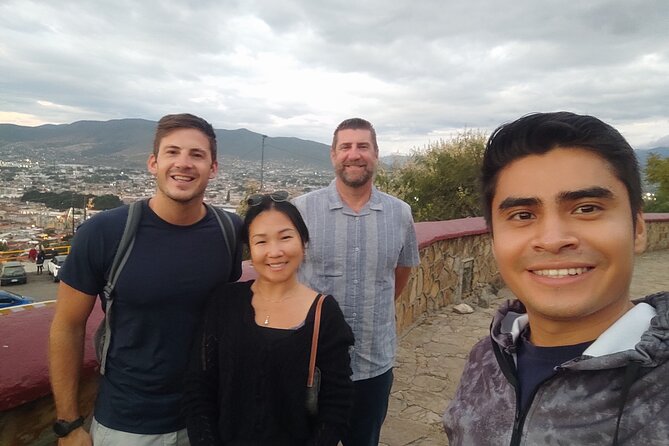
I especially like two things: the guide, Luis, who has a talent for making each stop make sense, and the food-and-drink pacing that turns the walking into a living lesson in Oaxaca. One thing to consider: it’s a decent amount of time on foot, and it’s aimed at people with moderate fitness, so plan for some steady walking.
In This Review
- Key points at a glance
- A 3-Hour Oaxaca City Walk That Starts You “Reading” the Streets
- Meeting Point to Final Footstep Near Santo Domingo
- Mercado Benito Juárez: Where Oaxaca Ingredients and Crafts Feel Immediate
- Cathedral of Our Lady of the Assumption: A Church Locals Actually Use
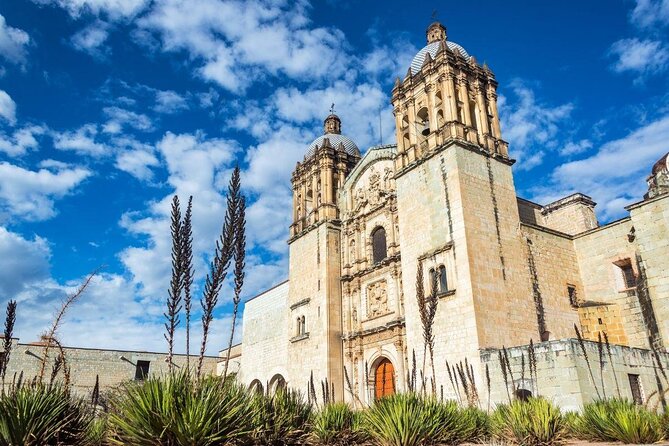
- Santo Domingo’s Temple and Ex-Convent: The Cultural Center of Gravity
- Street Food Time: Tacos, a Zapotec Drink, and Coffee + Memelas
- The taco stop
- A traditional Zapotec drink
- Coffee and memelas (but watch the day)
- Mezcal mention worth knowing
- Spotting Oaxaca’s Pop Culture Moment: The Nacho Libre Connection
- Tehuantepec? Not Here. This Is About the Park Stop: People Watching at El Llano
- What You Get for $60: Value That Comes From Focus, Not Volume
- Pacing, Fitness, and How to Prepare
- The Best Way to Use This Tour for Your Oaxaca Itinerary
- Should You Book This Walking Tour of Oaxaca City Culture and Food?
- FAQ
- How long is the Oaxaca City culture and food walking tour?
- What stops are included on the walk?
- Where does the tour start and end?
- Is there admission fee for the major sights on the route?
- Will I be able to try any traditional food or drinks?
- Are memelas available every day?
- What’s the group size?
- Is the tour suitable for people with limited mobility?
- Are service animals allowed?
Key points at a glance
- Small group (max 8) means you get personal attention and an easier pace to absorb the details
- Luis-led orientation for first-timers: clear English and practical suggestions for what to hit next
- Markets plus landmark churches: Mercado Benito Juárez and the Cathedral of Our Lady of the Assumption are part of the flow
- Food stops are built in, including street tacos plus coffee and memelas (note Monday and Tuesday closures)
- Parade or celebration potential adds electricity to an already photogenic route
- End at Templo de Santo Domingo so you can keep exploring right after the tour
A 3-Hour Oaxaca City Walk That Starts You “Reading” the Streets
If this is your first time in Oaxaca City, you want two things fast: orientation and context. This tour delivers both by moving through the parts of the historic center where locals actually pass through—parks, church areas, market lanes, and street corners where you’ll catch traditions in motion.
You’ll be walking through the older heart of the city, with stops that range from big-ticket landmarks to the kind of places that help you understand daily life. The timing is short enough to feel doable, but long enough to cover a meaningful slice of Oaxaca’s identity: Zapotec heritage, religious history, craft culture, and the flavors people line up for.
You can also read our reviews of more tours and experiences in Oaxaca City.

Meeting Point to Final Footstep Near Santo Domingo
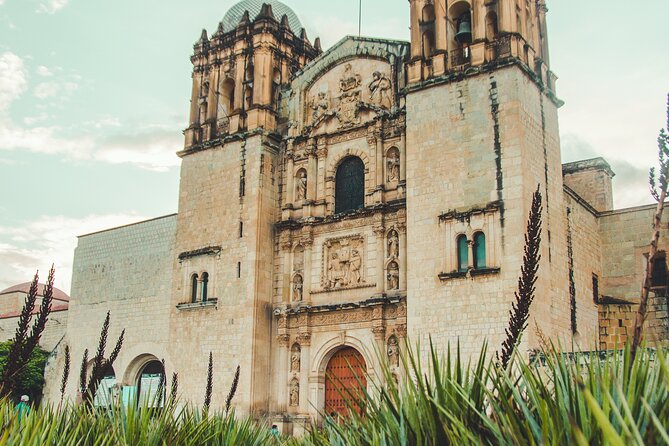
The tour meets at the Quiosco de Oaxaca Centro (Centro area). From there, you’ll spend about 3 hours exploring on foot and end at Templo de Santo Domingo de Guzmán. Ending near Santo Domingo is smart. You finish in the exact zone where it’s easy to keep going on your own—dinner, photos, and more wandering are all right there.
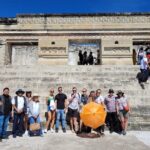
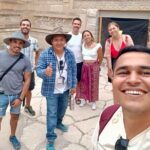
Also, it’s a small group tour (maximum 8 people). That matters more than you’d think in Oaxaca City, because the streets can get crowded around popular landmarks and market corridors. With fewer people, you’re less likely to feel like you’re trapped in a moving cluster.
Mercado Benito Juárez: Where Oaxaca Ingredients and Crafts Feel Immediate
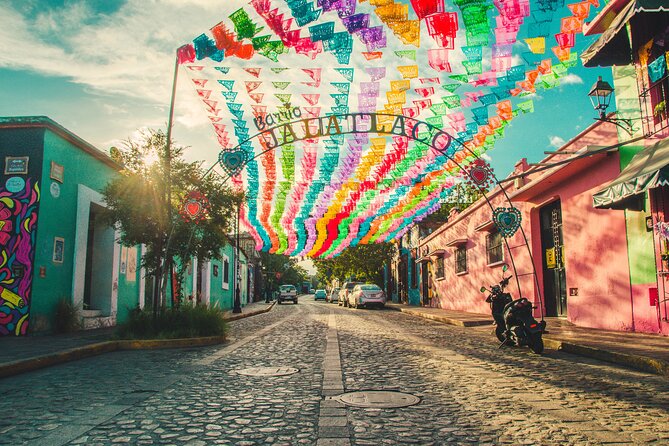
Your route begins in the market world at Mercado Benito Juárez, one of the best-known markets in the city. You’ll spend around 30 minutes here, with no admission ticket required. The point isn’t a long shopping spree—it’s the quick hit of Oaxaca: craftwork, food ingredients, and the visual language locals use every day.
What I like about starting with a market stop is how it changes how you see everything else. After you walk through and get a sense of what’s for sale, later landmark stops feel less like museum stops and more like part of the same living city.
Practical note: markets are busy and sometimes noisy. If you’re the type who likes to take lots of photos, come ready to pause and stand your ground a bit while your guide points out details.
Cathedral of Our Lady of the Assumption: A Church Locals Actually Use
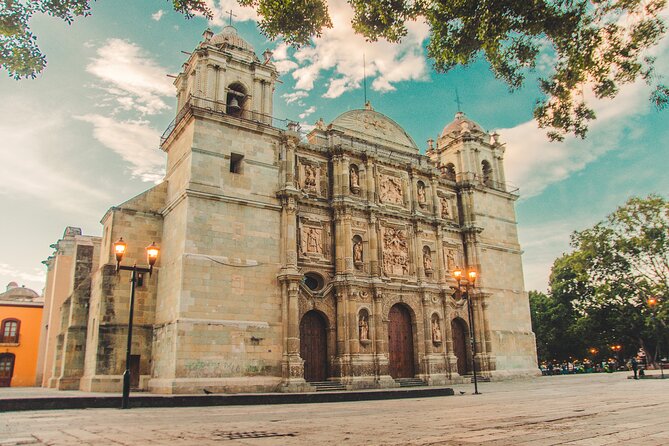
Next you’ll visit the Cathedral of Our Lady of the Assumption for about 15 minutes. Admission is free. This isn’t framed as a slow art-history lecture. It’s more like a stop that helps you understand why locals treat church spaces as both sacred and social.
A good guide can make even short stops feel substantial, and Luis’s style (based on how past guests describe it) focuses on significance without turning it into a dry recital. You’ll get enough context to notice things you’d otherwise pass by.
If you prefer to soak up atmosphere and keep moving, this quick cathedral stop works well.
Santo Domingo’s Temple and Ex-Convent: The Cultural Center of Gravity
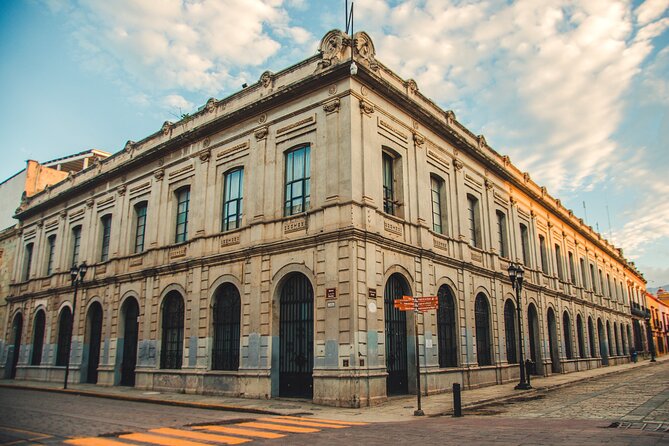
One of the main anchors of the route is the temple and ex-convent of Santo Domingo, described as the city’s most representative spot for Oaxaca’s celebrations and culture. Even if you don’t go inside for a long time, the exterior presence and surrounding area are enough to show why Santo Domingo matters.
This is where the tour’s cultural story sharpens. Oaxaca’s identity isn’t just the big architectural landmarks—it’s how traditions gather around them. You might also catch festival energy while you’re in the area, depending on dates and street schedules, including the chance to see parade elements while you tour the streets.
If you like architecture and cultural meaning in the same frame, this stop is worth being ready for photos. Bring your patience for crowds; this is one of the most photographed zones in Oaxaca City for a reason.


Street Food Time: Tacos, a Zapotec Drink, and Coffee + Memelas
This tour doesn’t treat food like an afterthought. It builds food stops right into the cultural rhythm—so you taste your way through the city’s identity.
The taco stop
You’ll get a chance to try what’s described as the best tacos in Oaxaca, eaten as street food. Street food can be tricky for travelers who don’t know what to order, but a guided stop helps you skip guesswork. It also keeps the timing smooth so you’re not hunting while hungry.
A traditional Zapotec drink
One of the highlights is the opportunity to try a traditional drink of the Zapotecs during the tour. This is the kind of tasting that does more than fill you up. It connects food and drink to cultural roots in a way that a menu review can’t.
Coffee and memelas (but watch the day)
You’ll also reach a coffee stop and try memelas de Oaxaca. There’s an important catch: Monday and Tuesday are closed for this part. So if your trip lands on those days, you’ll want to manage expectations. The rest of the route is still strong, but your memela moment may not happen on those specific weekdays.
Mezcal mention worth knowing
Past experiences tied to this tour also include a mezcal tasting shop, along with explanation of harvesting and distilling. That fits well with Oaxaca’s reputation for mezcal and adds a practical, hands-on layer to the food-and-drink theme.
If your goal is a tour where you actually eat and drink, this is a good fit.
Spotting Oaxaca’s Pop Culture Moment: The Nacho Libre Connection

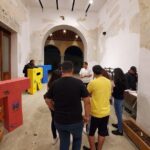
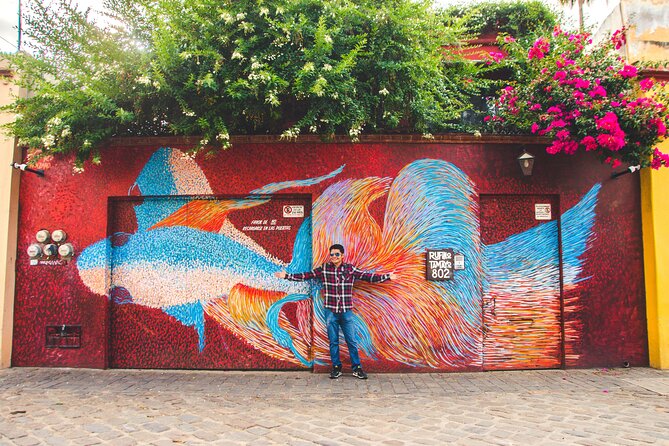
There’s also a stop described as an important local historic art spot that appears in the movie Nacho Libre. This is one of those additions that makes the tour feel fun without losing its place-based meaning.
Even if you’re not the type who cares about film trivia, the cultural point matters: Oaxaca’s landmarks and street scenes show up in global media because they’re visually specific and emotionally recognizable. If you like travel “translations,” this kind of reference helps you see the city through more than one lens.
The best way to use this stop: slow down, take photos, and ask your guide what makes the art historically relevant.
Tehuantepec? Not Here. This Is About the Park Stop: People Watching at El Llano
Later you’ll visit Parque Juárez El Llano, the biggest park in the area, known for activities and events. You’ll spend about 30 minutes, and admission is free. The tour notes that you won’t go inside; you’ll see it from the outside, which is honestly smart for a walking tour. You get the vibe without sacrificing your schedule.
This is where the tour shifts from monuments and food to everyday life. A big city park in Mexico isn’t just a place to pass through. It’s a social stage: kids playing, adults chatting, and the kind of daily rhythms that make Oaxaca feel like a real place rather than a photo set.
Even if you’re not staying long, a park stop helps you absorb the city’s tempo.
What You Get for $60: Value That Comes From Focus, Not Volume
At $60 per person for about 3 hours, the value comes from a few key factors:
- You’re not just seeing sights. You’re getting a guided story that ties landmarks, markets, and food together into one walking narrative.
- The stops are practical: market orientation, a major cathedral, a major church complex, plus food-and-drink tastings like tacos, a Zapotec drink, coffee, and memelas.
- The small group size (up to 8) supports a more personal experience, and that usually means fewer “lost in translation” moments.
If you were to try to do this yourself, you could cover the major sights. But you’d spend extra time figuring out what to prioritize, where to eat safely and well, and how to connect it all to Oaxaca’s cultural story. Paying for a guide here is less about convenience and more about getting the “why” so your walking time becomes meaningful.
Pacing, Fitness, and How to Prepare
This tour is aimed at people with moderate physical fitness. It’s a walking experience, so you’ll want comfortable shoes and a daypack with basics. Even in cooler morning conditions, Oaxaca City streets can be uneven in spots and you’ll be on your feet for a chunk of time.
You’ll also want to keep your camera accessible. This route includes major landmark areas, market corridors, and public spaces where celebrations and parades may pop up depending on timing.
One more small planning note: because food options can depend on the day (memelas closure Monday and Tuesday), it helps to be flexible about what you’ll do if a specific tasting isn’t available.
The Best Way to Use This Tour for Your Oaxaca Itinerary
I think this tour is ideal as an early move. The strongest pattern in how people describe Luis’s guidance is that it helps you orient quickly, and then you can build the rest of your trip with more confidence.
Here’s how I’d use it:
- Schedule it near the start of your time in Oaxaca City so you know your bearings.
- After the tour ends at Santo Domingo, plan your next meal nearby instead of traveling cross-town.
- If you’re the type who likes street food, use the taco and coffee stops as your “baseline” so you can tell which places match your preferences later.
This is one of those tours where the real win is not only what you see in 3 hours. It’s the set of mental maps you carry with you afterward—what areas feel central, what traditions gather around, and where to focus your independent time.
Should You Book This Walking Tour of Oaxaca City Culture and Food?
Book it if you want an organized first look at Oaxaca City’s historic core with real food stops and a guide who explains what you’re actually seeing. The small group size, the chance to taste Oaxaca through street-level flavors (tacos, coffee, memelas, and a traditional Zapotec drink), and the culture tie-ins around Santo Domingo make this a strong value for the price.
Skip or rethink it if you hate walking, you expect long time inside major attractions, or you’re traveling Monday or Tuesday and memelas are a must for you. Even then, the rest of the route still covers a lot of ground and gives you a solid orientation.
If your goal is to get meaning out of your first hours in Oaxaca City, this tour is a smart place to start.
FAQ
How long is the Oaxaca City culture and food walking tour?
It runs for about 3 hours.
What stops are included on the walk?
The route includes Mercado Benito Juárez, the Cathedral of Our Lady of the Assumption, the Santo Domingo temple and ex-convent area, street food stops for tacos plus coffee and memelas, a historical park, and Parque Juárez El Llano.
Where does the tour start and end?
It starts at Quiosco de Oaxaca Centro in the Centro area and ends at Templo de Santo Domingo de Guzmán on C. Macedonio Alcalá s/n, Ruta Independencia.
Is there admission fee for the major sights on the route?
The tour info notes that admission is free for Mercado Benito Juárez, the Cathedral of Our Lady of the Assumption, and Parque Juárez El Llano.
Will I be able to try any traditional food or drinks?
Yes. You’ll have food and drink stops, including street tacos, coffee and memelas de Oaxaca, and a traditional drink of the Zapotecs during the tour.
Are memelas available every day?
No. The coffee and memelas stop is noted as closed on Monday and Tuesday.
What’s the group size?
The tour has a maximum of 8 travelers.
Is the tour suitable for people with limited mobility?
The tour recommends moderate physical fitness, since it’s a walking experience.
Are service animals allowed?
Yes, service animals are allowed.