REVIEW · MEXICO CITY
8-Day Best of Mexico Tour: Mexico City to Cancun
Book on Viator →Operated by Mexitours · Bookable on Viator
Mayan ruins meet beach time in one trip. This Mexico City to Cancun tour strings together big-name sites and lesser-seen towns, with transport and hotels arranged so you can focus on seeing, not figuring. I like the small group size (max 11 travelers) and the fact that hotels are included across the route. A fair caution: this kind of best-of itinerary moves fast, and you may also spend some time at scheduled stops that are not the ruins.
You’ll start with Mexico City highlights like Teotihuacan and the Basilica of Our Lady of Guadalupe, then fly south to Villahermosa and continue by road to Palenque and the Yucatán. You’ll also get a bilingual English/Spanish-speaking guide, plus key admissions and meals that are listed as included. One more consideration: even with an English tour, mixed language groups can happen, so it helps to be flexible and bring patience for the back-and-forth.
For first-timers who want a solid overview and don’t want to plan buses and flights, this is a practical way to do Mexico. It’s also a good fit if you like archaeology, nature, and a clean landing in Cancun at the end. Just keep your expectations grounded: you’re buying convenience, not a slow, leisurely stay in each place.
In This Review
- Key things to know before you go
- Why Mexico City to Cancun Works as a Best-Of Tour
- Day 1-2 in Mexico City: Teotihuacan and Guadalupe Without the Stress
- Flying South to Palenque: Jungle Mayan Power and the Pakal Story
- Campeche and Merida After Dark: Forts, Cathedrals, and the Mayan Ball
- Izamal, Chichén Itzá, and Rio Lagartos: Sacred Geometry to Crocodile Time
- Cenote Choj Ha and a Real Biosphere Morning
- Cancun Free Time: Making the Most of Your Two-Day Wind-Down
- Price and Hotels: Value, What’s Included, and the Shopping-Mall Reality Check
- Should You Book This Mexico City to Cancun Tour?
- FAQ
- Do I need to arrive on a Tuesday?
- Does the tour include airport transfers in Mexico City and Cancun?
- What hotel star levels can I expect on this route?
- Is Uxmal included?
- Is admission to Cenote Choj Ha included?
- Is there an extra charge for late transfers from Cancun?
Key things to know before you go
- Small-group pacing with a guided loop instead of solo logistics
- Hotels included (4-star stops in Palenque/Campeche/Merida, and 5-star options only in Mexico City and Cancun)
- Big ruins plus one nature day: Chichén Itzá, then Rio Lagartos boats for crocs and birds
- Choj Ha cenote includes a jungle walk and cave swim, but admission is not included
- A scheduled Mayan ball representation is built in, so your evenings aren’t blank
- Uxmal is listed but no longer available, so confirm what replaces it before you book
Why Mexico City to Cancun Works as a Best-Of Tour
This isn’t a single-region trip. It’s a cross-Mexico sampler that starts with Mexico City’s deep cultural contrast, then drops you into the Mayan heart of the Yucatán Peninsula. After all that history, it ends with Caribbean beach time in Cancun.
The best part for me is the structure. You move by airport transfers, a included domestic flight, and ground transport, which means fewer chances to lose a day to connections. The tour also groups the “must-see” stops—Teotihuacan, Palenque, Chichén Itzá—into a tight sequence, so you’re not zig-zagging across map layers.
The other thing you’re buying is mental ease. When a route like this is planned for you, you can decide your preferences on the margins. For example, you can usually choose between 4- and 5-star hotels, and then spend your energy on the sites instead of schedules.
You can also read our reviews of more city tours in Mexico City
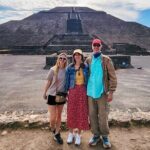

Day 1-2 in Mexico City: Teotihuacan and Guadalupe Without the Stress
Your tour starts right after you land. You get a shared transfer from Mexico City Airport to your downtown hotel, then the next morning (or day) is built around getting your bearings.
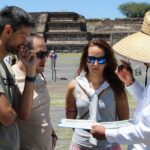
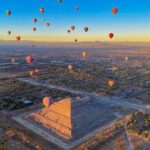
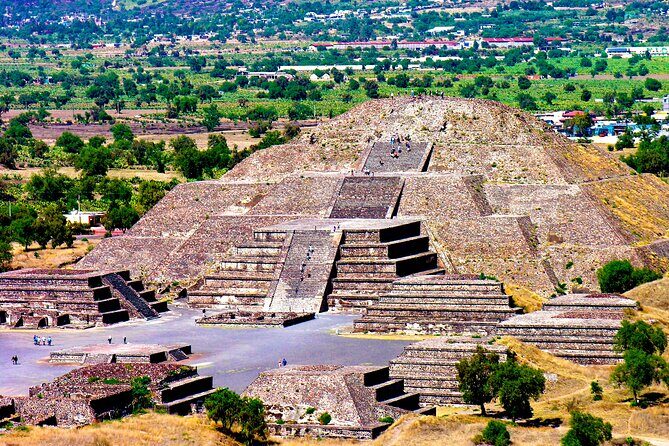
Day 2 pairs two very different Mexico City experiences. First comes Teotihuacan, one of Mexico’s headline archaeological sites. You’ll see the Square of the Three Cultures and then head to the pyramids area to admire the Pyramids of the Sun and the Moon, the Avenue of the Dead, and the Temple of Quetzalpapalotl. A stop at an arts and crafts center is included too, which can be a nice breather if you want something practical to do besides just walking and photos.
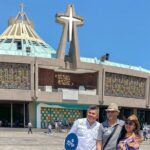
Then you return to the city for the Basilica of Our Lady of Guadalupe. This is not just a church visit; it’s a place that matters deeply to Mexico. After that, you get a lighter block of time back at the hotel. That downtime is useful because Mexico City can take it out of you—altitude, crowds, and heat can stack up.
One real-world tip: this is where you’ll feel the difference between a smooth tour day and a stressful one. You’re up early, you’re on the move, and you’re doing a major site plus a major religious landmark. If you’re sensitive to long days, plan to take the “rest of the day free” time seriously and recharge.
Flying South to Palenque: Jungle Mayan Power and the Pakal Story
After Mexico City, you transition by air. You fly from CDMX to Villahermosa, then transfer by road to Palenque. This matters because it saves you from a long land day, and it keeps your itinerary focused on experiences instead of transit fatigue.
Palenque is where the tour shifts from “big famous pyramids” to “storytelling ruins.” You’ll tour the archaeological zone, known for both its jungle setting and for major discoveries linked to royal figures. The standout is the Pakal King sarcophagus story—found through inscriptions and connected discoveries at the site. You’ll also see the Sun Temple, the Cruz Foliada (Cruz Follada) Temple, and the Palace.
This is a site where guide explanations make a difference because you’re not just looking at stacked stones. Even if you’re a casual ruins fan, Palenque rewards attention: the layout and the carvings are part of the point.
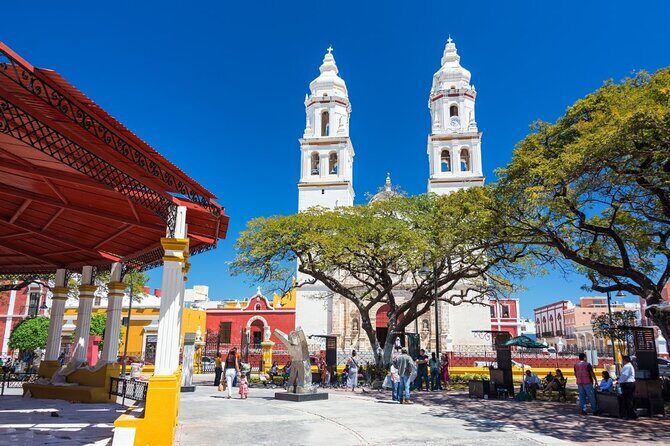
After Palenque, you continue toward Campeche through Tabasco, arriving in the port city for dinner. Campeche is known for colonial buildings and fortifications built to deal with pirate attacks, and even if you only get an evening arrival, the vibe is different from what you’ve seen in the interior.
Campeche and Merida After Dark: Forts, Cathedrals, and the Mayan Ball
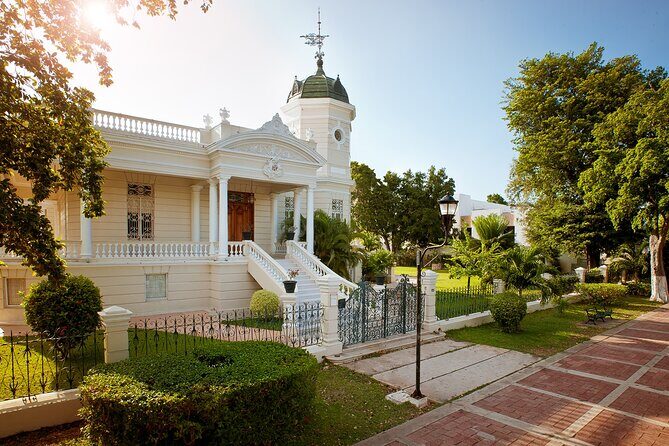
The Yucatán route keeps changing tone. Campeche slows down a little compared with the heavy-hitter archaeology day. The next day is built around Merida, the state capital, with stops tied to colonial-era architecture and key landmark buildings.
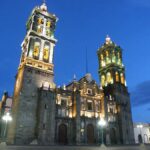
In Merida, you visit the fortified cathedral and the limestone church of the Third Order. You’ll also see Casa de Montejo, a 16th-century mansion tied to colonial architecture. This pairing helps you understand that the Yucatán isn’t only ancient Mayan sites. It’s also the layers that came later—Spanish influence, defensive urban planning, and the way city life formed around all that.
That afternoon is also where you get a choice. You’ll have time at leisure, and you can optionally visit the Museum of the Mayan World on your own. Then the tour includes a transfer to a representation of the Mayan ball. It’s not the same as watching a live game in real conditions, but it does connect the dots between archaeology and the cultural practices that shaped the ancient world.
A practical note: if you care most about seeing buildings and ruins, keep an eye on your schedule. This part of the trip can be where extra time can appear—some tours build in shopping stops, and you’ll want to stay on track with your priorities.
Izamal, Chichén Itzá, and Rio Lagartos: Sacred Geometry to Crocodile Time
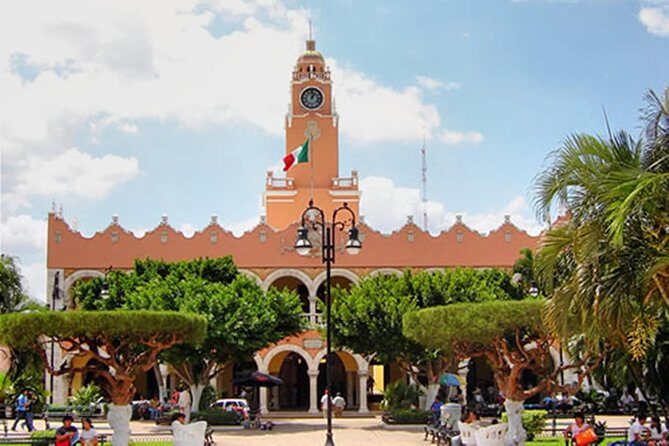
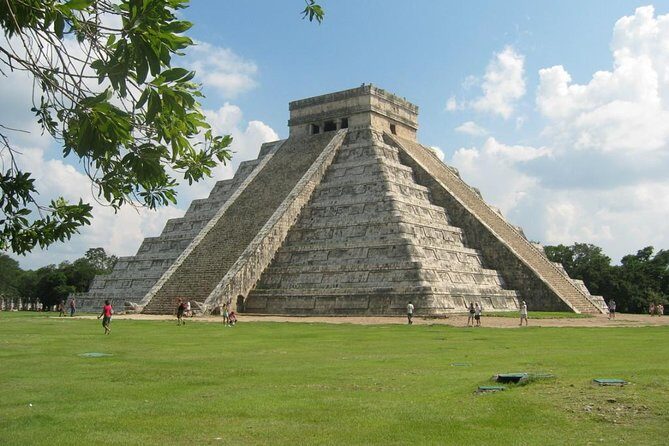
Chichén Itzá is the headline ruin on this trip, and it’s priced and scheduled like it matters. You’ll visit the site of the most important and renowned Mayan vestige on the itinerary, a World Heritage Site. You’ll see the ancient city and the mythical pyramid of Kukulcán, plus the Temple of the Warriors.
You’ll also get a meal of Mayan cuisine after the visit. This is one of those included touches that helps the day run smoother, because it prevents you from having to hunt down a safe, efficient place to eat right after a major guided site.
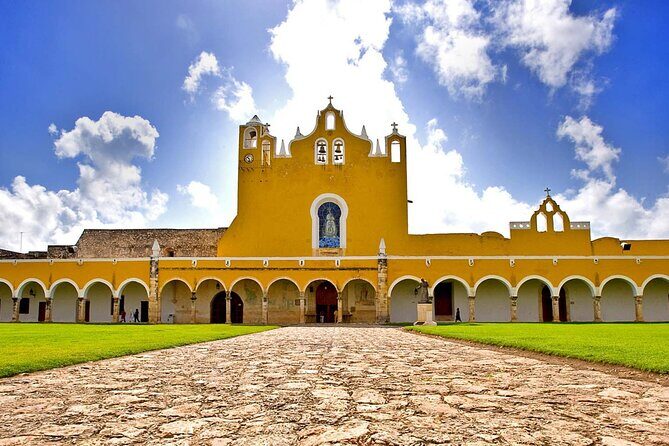
Before that big day, you stop in Izamal, a “Magical Town.” The tour gives you about two hours here, enough time to absorb the character without turning it into another long detour. It’s a nice palate cleanser between Merida and the Chichén Itzá focus.
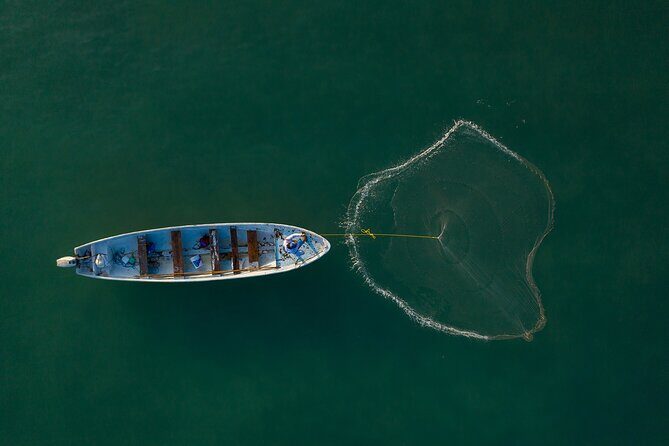
Then you shift from stone monuments to nature. After Chichén Itzá, you travel to Rio Lagartos, a small fishing village inside a biosphere reserve. This sets you up for one of the most fun days on the route.
Your Rio Lagartos visit includes a boat ride of a little more than two hours. You’ll enter the biosphere reserve and look for crocodiles among the mangroves, plus birds like pelicans and pink flamingos. If you like wildlife even a little, this is the day you’ll remember because it’s not just monuments—it’s living ecosystems.
There’s also an optional-sounding but actually scheduled mud experience. You’ll smear mud with high concentrations of sulfur, minerals, and salts that act like exfoliants for the skin. The key practical point is to think about comfort: if you have skin sensitivities or you hate the idea of getting messy, consider how you’ll handle it. Bring a plan for rinsing and protecting your clothes.



Cenote Choj Ha and a Real Biosphere Morning
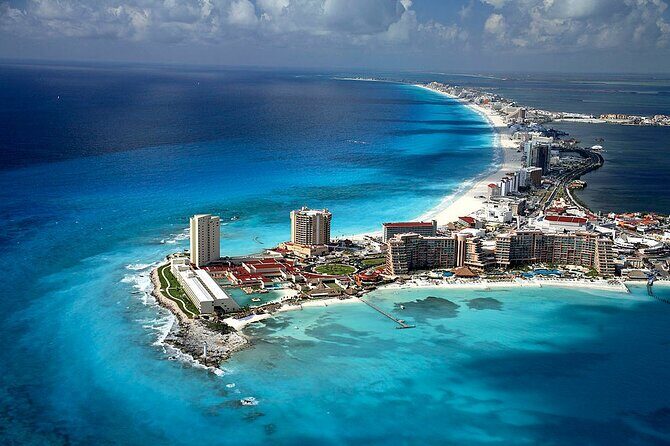
Rio Lagartos continues into the next part of the trip. You’ll have the chance for a morning boat ride that’s already built into the schedule, and then later you move toward Cancun via another nature-focused stop.
That next stop is Cenote Choj Ha. You’ll head to the cenote managed by a local Mayan community. You walk along a short jungle path to a dry cave, then you can swim in the lake inside the wet cave. The swimming part is the payoff, but it’s also the reason to pack and plan for water comfort.
One detail you should plan around: admission to Cenote Choj Ha is not included. So if you’re budgeting tightly, set aside money for it. Also, bring swim gear if you’re the type who wants to actually use the water time. Even with short walks and cave swims, this is still a physical stop.
After Cenote Choj Ha, you continue to Cancun and arrive at the end of the afternoon. That timing matters because it gives you a soft landing. The day doesn’t dump you into a full-day Cancun sightseeing schedule; it lets you recover, shower, and set up for a beach-focused end.
Cancun Free Time: Making the Most of Your Two-Day Wind-Down
Cancun is where the tour becomes optional. You get a free day for personal activities or beach time. That’s not a throwaway detail. It’s built for the reality that after days of travel, heat, and standing in ruins, you might want to do nothing loud and sun-based.
This is also your chance to control your pace. If you’re the type who likes walking, you can explore on your own. If you’d rather recharge, you can do that too. Either way, having unstructured time at the end is a smart design choice. You’re not punished with another heavy-site day.
Hotel-wise, the tour notes that 5-star hotel options are only available in Mexico City and Cancun. So if your priority is a higher-end room or facilities, Cancun is where you may be able to get closer to that. In the real world, though, your exact hotel can vary. If you have strong preferences like quiet rooms, a pool, or a gym, it’s worth verifying the property name before you go.
Price and Hotels: Value, What’s Included, and the Shopping-Mall Reality Check
At $2,150 per person, you’re paying for convenience, routing, and the heavy lift. You’re not paying just for sightseeing. You’re paying for airport transfers, a domestic flight, guided visits, hotel nights, and many admissions. You’re also getting breakfasts included for eight days, plus lunches and dinners listed as included.
That’s the value proposition: you trade some flexibility for a smoother schedule. Instead of trying to string together Teotihuacan to Palenque to the Yucatán by yourself, you’re buying someone else’s planning.
Now the realistic considerations. Some departures can include time set aside for shopping. It may not be long, but if you’re a ruins-first person, you’ll want to keep your expectations in check. There have also been cases where included meals and listed meal counts didn’t match what some guests expected. The solution is simple: when you arrive, confirm what meals are included for the next day and where they happen.
Language can be another variable. Even with an English/Spanish-speaking guide, mixed group composition can mean more Spanish than you hoped for. I’d treat this as a “manage expectations” point. If you’re traveling with someone who needs consistent English narration, ask the operator what the group language setup looks like for your departure.
Hotel quality is mostly well handled, with one big caveat: Mexico City hotels can vary and some stays may involve construction or renovations at the property you get. If you want quiet sleep, ask early about your exact hotel and whether you’ll face noise. In Cancun, similarly, the tour offers 4- and 5-star options, but the specific hotel matters. If you care about being at a particular brand or with certain amenities, confirm it.
Finally, one note about route design. Uxmal is described as part of the broader concept, but the tour info states that the visit to Uxmal is no longer available. That matters because it changes the “best-of” feel for some people who booked specifically for a Uxmal stop. Before you pay final money, make sure you know what the Uxmal replacement is, if any, for your departure date.
Should You Book This Mexico City to Cancun Tour?
Book it if you want a structured Mexico intro with major Mayan sites, plus nature time in Rio Lagartos and a calmer ending in Cancun. This is a solid choice for first-timers, couples, and anyone who prefers guided flow over building a DIY route.
Skip it—or at least ask more questions—if you hate shopping stops, you want maximum time per site (this itinerary is efficient), or you strongly need consistent English narration from start to finish. Also, double-check the details that can affect your experience: the Uxmal situation, your exact hotel properties, and what meals are included on the day-by-day schedule.
If you’re flexible, this tour is a good deal for what you get: high-impact ruins, colonial city stops, an included show experience, and a wildlife day that turns the whole trip from stone-and-history into real-world Mexico.
FAQ
Do I need to arrive on a Tuesday?
Yes. The tour requires that passengers arrive on Tuesday.
Does the tour include airport transfers in Mexico City and Cancun?
It includes airport transfers in Mexico City (arrival transfer to your hotel) and Cancun (departure transfer to the airport). A shared transfer is also mentioned for Mexico City airport to downtown hotels.
What hotel star levels can I expect on this route?
5-star hotel options are available only in Mexico City and Cancun. In Palenque, Campeche, and Mérida, hotel options are 4-star.
Is Uxmal included?
No. The tour notes that the visit to Uxmal is no longer available.
Is admission to Cenote Choj Ha included?
No. Cenote Choj Ha admission is listed as not included.
Is there an extra charge for late transfers from Cancun?
Yes. If your Cancun airport transfer is between 8pm and 7:59am, there may be an additional charge (US$18 per person from Cancun hotels, or US$35 per person from Playa del Carmen hotels).