REVIEW · MEXICO CITY
6-Night Best of Central Mexico Tour: Teotihuacan Pyramids, Taxco, Cuernavaca and Puebla from Mexico City
Book on Viator →Operated by Mexitours · Bookable on Viator
Central Mexico can feel like controlled chaos. This tour turns it into a plan.
I love how it strings together the big-ticket stops (think Teotihuacan and the Basilica of Guadalupe) with smaller, more human moments like Xochimilco’s boat ride and Coyoacán’s historic streets. The best part is the built-in structure: you get hotel nights plus guides and set excursions, so you’re not constantly doing route math in traffic.
One thing to keep in mind: the days can run long because driving between cities around Mexico City takes time. If you’re sensitive to schedule changes or want ultra-deep time at each site, you may feel the pace.
In This Review
- Key highlights worth your attention
- Day 1 arrival and Day 2 Turibus: getting oriented without the stress
- Day 3: Teotihuacan pyramids and the Basilica of Guadalupe
- Day 4: Xochimilco’s boat ride and Coyoacán’s colonial feel
- Day 5: Cuernavaca and Taxco, where the scenery changes fast
- Day 6: Puebla’s monastery, Talavera, and Cholula’s Great Pyramid
- Day 7: airport transfer and the end of the loop
- Price and value: is $685 per person worth it?
- Hotel reality, guide quality, and group size: what can affect your comfort
- One big consideration: traffic and long drives can reshape the day
- When Cuernavaca and Taxco aren’t running: how the tour changes by weekday
- Who should book this tour?
- Should you book this 6-night Central Mexico tour?
- FAQ
- What does the tour include for meals?
- How long is the tour in practice?
- Is pickup included?
- What languages are the guides?
- Where does the sightseeing bus operate?
- Which places are visited outside Mexico City?
- What happens if Day 6 is a Sunday, Monday, Wednesday, or Friday?
- What’s the tour starting time?
- How big are the groups?
- How far in advance can you cancel for a full refund?
Key highlights worth your attention
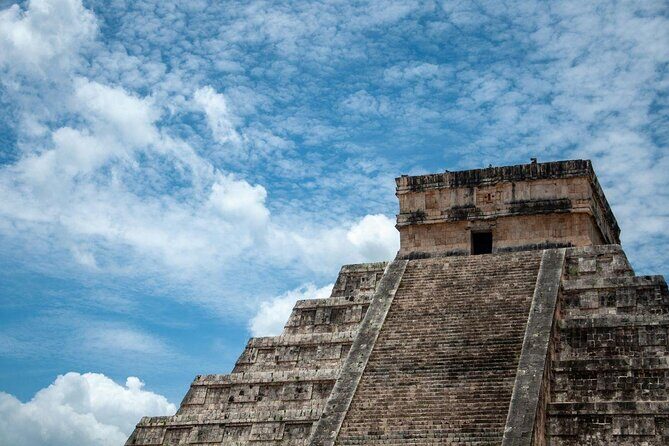
- Teotihuacan with the Sun, Moon, and Avenue of the Dead so you’re not just taking photos in the fog of history.
- Basilica de Guadalupe stop to pair the archaeological world with Mexico’s major religious site.
- Xochimilco + a boat ride for a change of pace from pyramids and churches.
- Taxco for silver and Santa Prisca with time to see the baroque church and the silver craftsmanship.
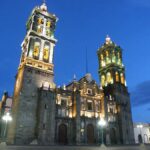
- Puebla with Talavera and the Cathedral square plus a trip onward to Cholula’s Great Pyramid.
- Guides you can trust: in past group experiences, English communication quality has varied by guide, but the better ones like Eduardo and Umberto were praised for clarity.
Day 1 arrival and Day 2 Turibus: getting oriented without the stress
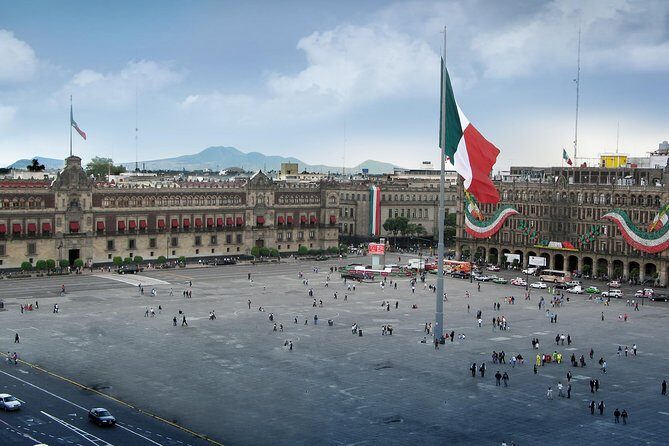
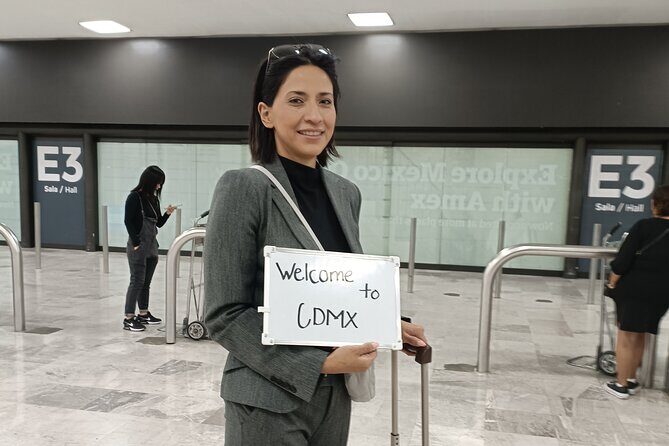
Your tour starts with a transfer from Benito Juárez International Airport to your Mexico City hotel. This is shared transportation, so you’ll likely ride with other people arriving around the same time. It’s a classic start: you land, you get placed, and you can rest up before the full sightseeing rhythm begins.
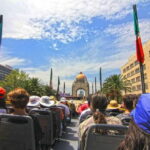
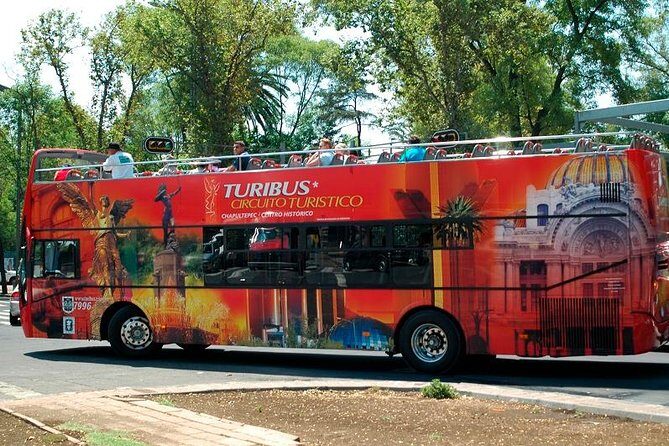
Day 2 is built for orientation. You hop onto the Turibus (a hop-on hop-off sightseeing bus) and cruise past up to 21 stops. It’s a practical way to get your bearings fast in a city as large and layered as Mexico City. You can treat it like a buffet: hop off where something catches your eye, then rejoin the loop. If you want to fill in gaps later, this day helps you know what’s where.
What I like about this approach: you’re not immediately “locked into” one long walking tour. You can pace yourself, and you’re able to see landmarks from the moving comfort of a bus before you decide what you want to chase on your own.
You can also read our reviews of more city tours in Mexico City

Day 3: Teotihuacan pyramids and the Basilica of Guadalupe
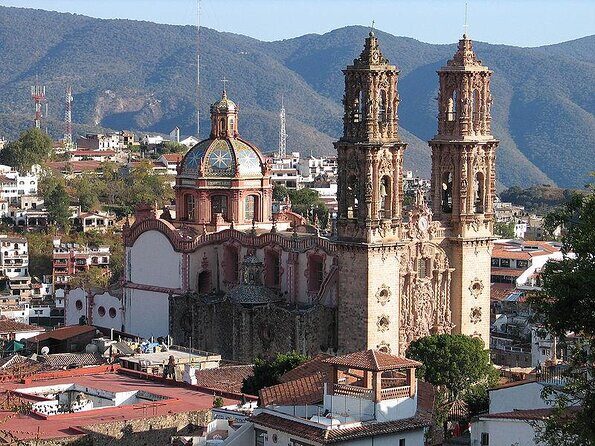
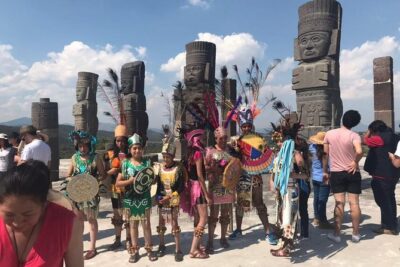
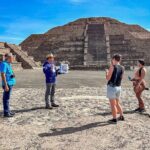
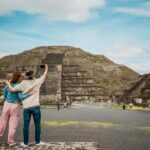
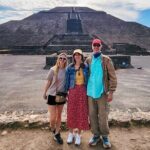
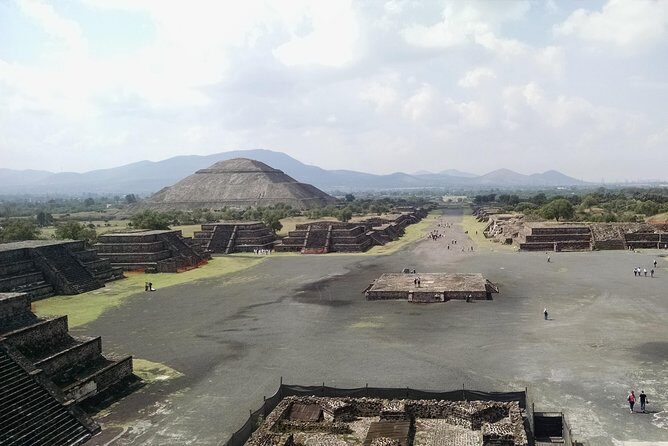
Day 3 is where Central Mexico grabs you by the shoulders. First comes Teotihuacan, one of the region’s most famous archaeological zones. The day is structured so you don’t just wander. You’ll see the Pyramids of the Sun and Moon, the Temple of Quetzalpapalotl, the Citadel, and the Avenue of the Dead. That’s the core “greatest hits” layout, but having a guide makes a difference—especially when you want to understand what you’re looking at instead of guessing.
The itinerary also includes an arts & crafts center stop. This can be useful if you’re into handmade goods and want to connect what you see at the site with how artisans work today. The tradeoff is time: any extra stop means less time on the ground at Teotihuacan.
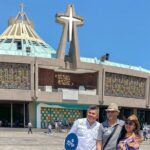
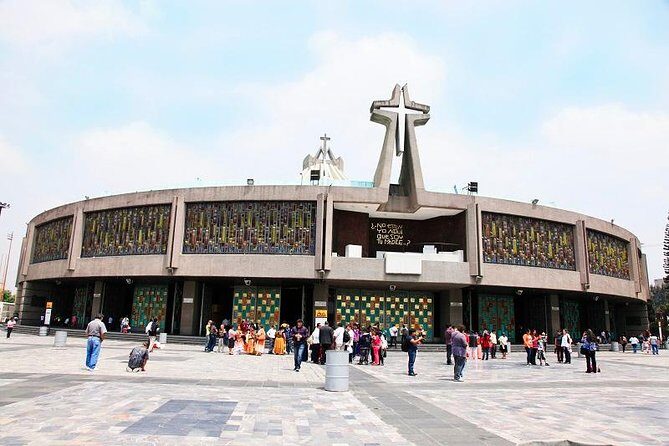
After returning to Mexico City, you’ll visit the Basilica of Our Lady of Guadalupe, an enormous religious landmark and one of the most significant pilgrimage sites in the country. This pairing is smart. Teotihuacan gives you the deep-time, pre-Hispanic scale. Guadalupe gives you the living, present-day spiritual role Mexico holds for many people.
Practical tip for your day: wear shoes you can take off and put back on without drama. You’ll likely do a lot of walking, and you’ll want your feet to stay happy for both the archaeological zone and the basilica area.
Day 4: Xochimilco’s boat ride and Coyoacán’s colonial feel
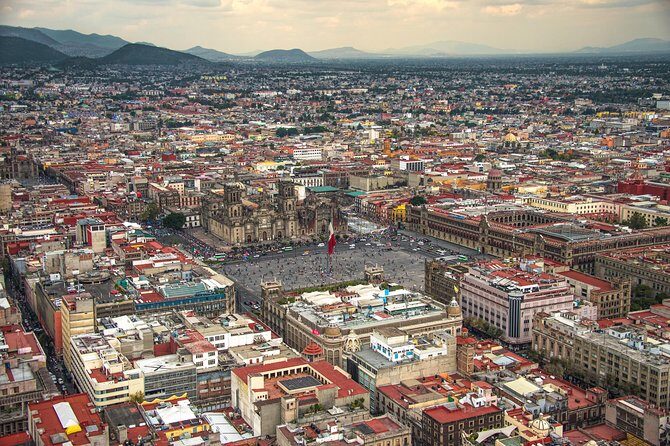
Day 4 starts at Xochimilco, a UNESCO-listed area known for its canal network. You’ll enjoy a boat ride—described as an Aztec-style experience—so you get a visual and sensory break from stones, steps, and museum floors. It’s also a great day for people who want something a little more local and less museum-like.
Then you shift gears to Coyoacán, one of Mexico City’s most atmospheric districts. You’ll see the colonial neighborhood feel with older mansions and the vibe of a place that’s more walkable and slower than the downtown rush. The focus here includes the church of San Juan Bautista and the area around it.
One travel reality: Xochimilco and Coyoacán aren’t next door. Even on a “day with two stops,” you’ll still spend time traveling. This is part of the deal with Central Mexico tours that cover multiple cities and historic districts in limited days.
Still, I like this pairing because it gives you contrast. You’re not repeating the same type of landmark twice. You’re switching from canals to streets, from a water-based scene to a colonial city feel.
Day 5: Cuernavaca and Taxco, where the scenery changes fast
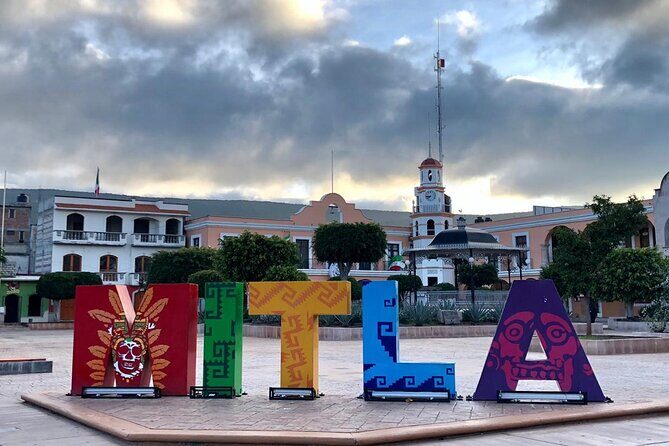
Day 5 is a big shift geographically and emotionally. First, you visit Cuernavaca, known as the city of eternal spring. The plan focuses on highlights like one of the oldest cathedrals in America and the Palace of Cortés, plus mansions and main avenues.
A big note from experience-based patterns: driving out of Mexico City can be slow. Even when everything goes smoothly, you may arrive feeling like you’ve been “in transit” longer than you expected. That said, Cuernavaca is often worth the effort because the atmosphere changes the minute you’re out of the Mexico City intensity.
Then you head to Taxco, often called Mexico’s silver capital. You’ll visit Santa Prisca, a famous baroque parish church, and you’ll also walk through cobblestoned streets that connect directly to the silver culture around you. This is the day where shopping may appear in your plan, and it’s also the day where you’ll want to be clear about what you came for: church and town exploration, or buying silver.
Balanced reality check: a past criticism was that some groups felt the day leaned too hard toward silver shopping stops, which can crowd out actual time in Taxco. If you’re hoping for lots of wandering, go into the day expecting a mix, and use your guide’s time wisely—ask to spend more time in the streets and less only in commercial stops.
Day 6: Puebla’s monastery, Talavera, and Cholula’s Great Pyramid
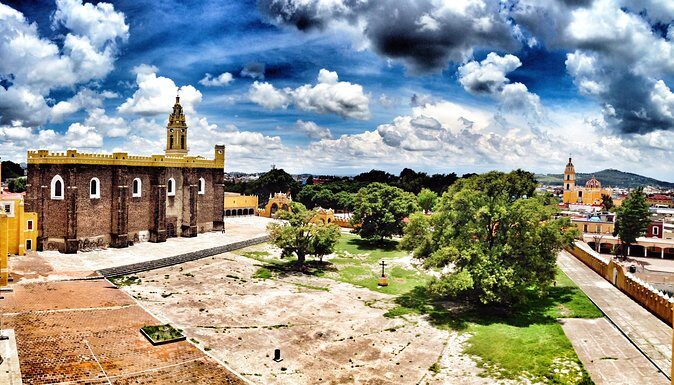
Day 6 starts with travel to the town of Huejotzingo for the monastery of San Miguel, described as one of the oldest monasteries in the Americas. That matters because this isn’t just a pretty church stop. It’s part of the story of how older cultures intersected with new religious structures after the Spanish arrived.
Then you continue to Puebla, one of the easiest cities to like if you care about architecture and craft traditions. You’ll see the Chapel of the Rosary, the Convent of Santa Monica, and the main square where the Puebla Cathedral anchors the scene.
Two additional stops are important here: onyx and Talavera ceramic factories. Even if you’re not a shopper, watching how these crafts get made helps you appreciate why Puebla is famous. It’s not just decoration; it’s a whole local economy and identity.
Finally, you’ll visit the Great Pyramid of Cholula. Yes, it’s a pyramid, but it’s also a reminder that archaeology in Mexico often layers one era over another. This stop is a strong closer for the “history stack” theme of the tour: you keep building toward bigger and bigger time scales.
You can also read our reviews of more evening experiences in Mexico City





Day 7: airport transfer and the end of the loop
On Day 7, you’ll have a transfer from your hotel back to Benito Juárez International Airport. This is included, but it’s still smart to check your flight time and plan for the city’s traffic patterns. Mexico City can surprise you even when everything looks calm.
If you’re returning with a later flight, you might find it useful to do a quick walk near your hotel in the morning if your schedule allows. The tour ends, but your best souvenirs can be the small street moments you squeezed in around the edges.
Price and value: is $685 per person worth it?

At $685 per person for six nights in Mexico City plus guided excursions, the value depends on how you think about “time vs. planning.”
Here’s what you’re buying:
- 6 hotel nights in Mexico City (the tour specifies 4- or 5-star categories).
- Breakfast included for those six mornings.
- Two lunches included.
- Guides who are local and operate in English and Spanish.
- Round-trip shared transfers between the airport and the hotel.
- Major day trips to Teotihuacan, Xochimilco, Cuernavaca, Taxco, Puebla, and Cholula.
What you’re not buying (and should budget separately):
- Meals and drinks beyond what’s specified.
- Getting to the Turibus station from your hotel, since that transfer isn’t included.
So, if you’d otherwise spend money hiring separate guides, arranging day trips, and paying for transit and tickets one by one, this package usually looks reasonable. If you’re the type who loves self-guided wandering and you’re already comfortable organizing Mexico City day by day, you may feel the package is more structured than you want—especially if you prefer more time in one place over ticking through multiple highlights.
Hotel reality, guide quality, and group size: what can affect your comfort
The tour includes six nights in Mexico City with a hotel in a 4- or 5-star category, but real-world hotel assignments can vary. Some past participants mentioned staying at Hampton Inn and Suites and others mentioned different properties when expectations didn’t match the final placement. That doesn’t mean the hotels are bad—it means you should treat hotel details as part of the uncertainty baked into any multi-day package.
Guide quality is another swing factor. When guides are strong at communicating in English, the historical context clicks. In past group experiences, English levels differed by guide. Still, the overall pattern was positive for organization and for making sure passengers were not left behind.
Group size is limited to a maximum of 50 travelers, and some comments praised smooth logistics and on-time running. For a tour that covers a lot of ground, that ceiling matters.
One big consideration: traffic and long drives can reshape the day
If you’ve never driven around Mexico City, here’s the blunt truth: traffic can turn a “half-day” feeling into a long day. Several people noted delays due to road conditions and events affecting schedules. That can mean:
- Later arrivals back to the hotel
- Less time on-site than you hoped
- A sense of being in vans more than you expected
You can’t fix traffic. But you can protect your trip. Pack patience. Bring a small snack and water for yourself when meals aren’t on the clock. And if you care deeply about one site—like Taxco’s streets—set a personal priority so you know what you’ll do if timing tightens.
This tour can still work well even with traffic because it mixes high-impact sights with breaks like Xochimilco and free time in the evening after stops. Just don’t schedule a “must-do” independent plan for the same day as your major excursions.
When Cuernavaca and Taxco aren’t running: how the tour changes by weekday
There’s a specific scheduling rule to know. If Day 6 falls on a Sunday, Monday, Wednesday, or Friday, then you get a free day to explore Mexico City instead of the Cuernavaca and Taxco portion. The tour notes that the Cuernavaca and Taxco trip is not offered on those days.
So if your travel dates line up with one of those weekdays, your experience shifts from outward day trips to more time staying in the city. That can be a positive if you want more museums, markets, and neighborhood wandering without a long drive.
Who should book this tour?
This is a strong fit if:
- You want a guided introduction to Mexico City plus major surrounding highlights.
- You like the idea of structure: hotels, breakfast, guides, and organized day trips.
- You’re okay with long days and van time if it means you see more in less planning effort.
- You want to pair Teotihuacan and Guadalupe with craft-centered stops like Talavera and the silver culture in Taxco.
This may be less ideal if:
- You hate shopping stops or feel time there is hard to tolerate.
- You want deep, unhurried time at just one site.
- You’re very sensitive to language balance in mixed bilingual groups.
Should you book this 6-night Central Mexico tour?
My take: book it if you want a well-managed highlights package and you’re comfortable with the realities of driving around Mexico City. Teotihuacan plus Guadalupe is a powerful combo, and the tour does a good job of pairing archaeological scale with everyday culture.
Skip it or consider a different style of trip if you want slow travel, zero shopping time, or guaranteed hotel consistency. If you do book, go in with flexible expectations: bring comfy shoes, expect some schedule wobble, and treat the day trips as a trade—less time sitting still, more time seeing the big landmarks.
FAQ
What does the tour include for meals?
Breakfast is included for 6 days. Lunch is included for 2 days. Food and drinks beyond that are not included.
How long is the tour in practice?
The itinerary is listed as 7 days (approx.), with 6 nights in Mexico City.
Is pickup included?
Yes. Round-trip shared transfers are included between Benito Juárez International Airport and your hotel. Transfers from your hotel to the Turibus station are not included.
What languages are the guides?
The tour offers English and Spanish (local English- and Spanish-speaking guides).
Where does the sightseeing bus operate?
Day 2 uses the Turibus hop-on hop-off bus around Mexico City with up to 21 stops.
Which places are visited outside Mexico City?
The tour includes excursions to Teotihuacan, Xochimilco, Cuernavaca, Taxco, Puebla, and Cholula (plus Coyoacán within Mexico City).
What happens if Day 6 is a Sunday, Monday, Wednesday, or Friday?
On those weekdays, you get a free day to explore Mexico City, and the tour to Cuernavaca and Taxco is not offered.
What’s the tour starting time?
The tour starts at 9:00 am.
How big are the groups?
The tour has a maximum of 50 travelers.
How far in advance can you cancel for a full refund?
You can cancel up to 6 days in advance of the experience start time for a full refund (as described in the cancellation policy).