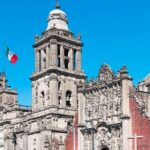
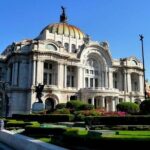
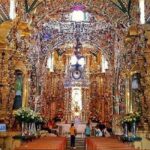
Markets and salsa lessons make morning fly. This Mexico City street-food market tour mixes local food, market history, and an interactive salsa-making lesson, plus a ride on the Metro so you can get around the city with confidence. You’ll start in Centro Histórico, walk through real working markets (not staged food halls), and end your day near Palacio de Bellas Artes.
I especially love two things: the hands-on molcajete salsa-making—grill, cut, smash, then taste—and the way the tour points you toward market flavors you’d miss on your own, like atole, tamales, huaraches, and pineapple tepache. I also like the small-group setup (max 12), which keeps the lesson personal instead of rushed.
One consideration: you’re walking around non-touristy parts of the city and covering about 6 km (3.7 miles). If you hate early starts or long walks, plan carefully (comfortable shoes, water, and a rain plan).
In This Review
- Key highlights you’ll feel right away
- Morning plan: how this tour works in real life
- Mercado Melchor Muzquiz (Abelardo Rodriguez Market): murals and your first bites
- Mercado Jamaica’s 3-in-1 flower market: choose blooms, eat snacks, and watch it all happen
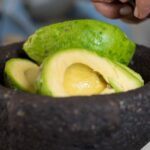
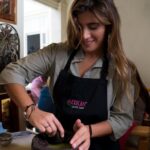
- The salsa-making lesson: vegetables to molcajete in your own hands
- Walking, Metro, and photo rules: the logistics that affect your comfort
- Price and value: is $69.45 worth it?
- Who this tour suits best (and who should rethink it)
- Should you book this Mexico City market and salsa tour?
- FAQ
- What’s the price and how long is the tour?
- Where do I meet and where does the tour end?
- Is the tour offered in English?
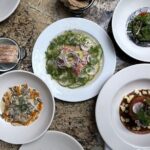
- What food and drinks are included?
- How much walking is involved?
- Can the tour accommodate dietary needs?
- What should I wear or bring?
- What’s the cancellation policy?
Key highlights you’ll feel right away
- Two markets with different missions: murals and atole first, then Mercado Jamaica’s flowers, produce, and prepared food.
- Street-food tastings that actually map to what Mexicans eat: tamales, tacos, huaraches, atole, and tepache.
- A family salsa lesson in the market area: you’ll buy ingredients, prep them, and taste the salsa you make.
- Flowers matched to your eye color at a major flower market—yes, it’s a thing, and it’s fun.
- Metro skills built into the day so the rest of your CDMX trip feels easier.
Morning plan: how this tour works in real life
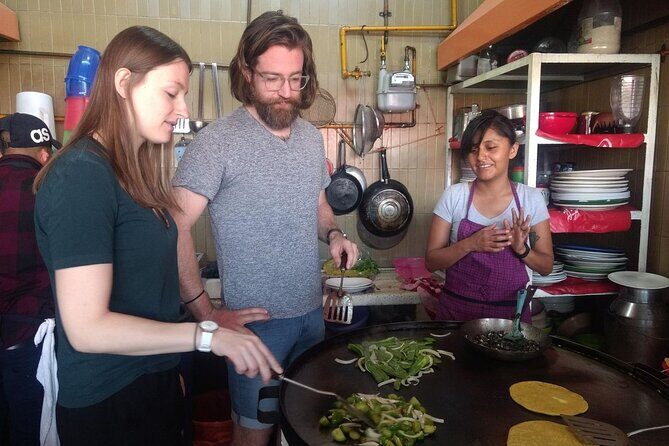
This tour is built for an early start. You meet at República de Guatemala 4 in Centro Histórico at 8:30am, then you’re moving through markets and city streets for about 5 hours. The group is small (up to 12), which matters in markets because it’s tight, loud, and full of tempting smells. You’ll want to stay close to your guide so you don’t get separated when you turn a corner.
You’ll also get one practical win that many food tours skip: you learn how to ride the Mexico City Metro as part of the route. Even if you don’t ride often, that confidence helps later when you’re tired, shopping, or trying to catch a museum time slot.
Guides on this experience vary (you might have someone like Andrea, Edgar, Axel, Viri, Poncho, Alfonso, Roy, or Victor), but the through-line is the same: they connect the food you eat to the neighborhoods and everyday life around the markets. That’s what turns a snack crawl into a real city morning.
Dress for the fact that this is not a fancy restaurant tour. Long trousers or jeans and a t-shirt are ideal. The tour also recommends conservative dress for non-touristy areas, and rain gear is smart in the rainy months (May to September).
You can also read our reviews of more food & drink experiences in Mexico City


Mercado Melchor Muzquiz (Abelardo Rodriguez Market): murals and your first bites
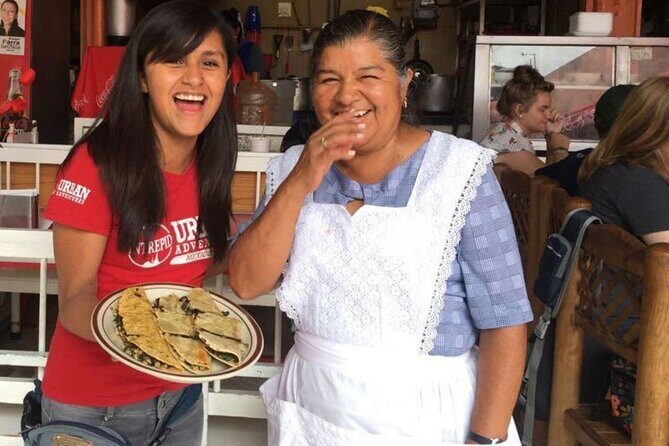
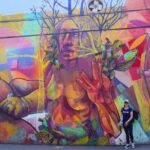
Your first stop is Mercado Melchor Muzquiz, also known as Abelardo Rodriguez Market. This is a food market with strong art energy. The standout feature here is the mural work and the market’s unusual public-facing elements, including a daycare and auditorium, which gives the place a community feel beyond shopping.
You’ll get your first tastings here—think tamales and atole—while your guide shares the social and political context around the market area in the early 20th century. You’ll also hear about the market’s connection to major Mexico City cultural figures like Diego Rivera and Frida Kahlo, which makes the murals feel less random and more intentional.
Why this works so well: atole and tamales aren’t just snacks. They’re street-food comfort, and tasting them at a market like this helps you understand why the tradition keeps going. If you show up hungry, this first hour is where you’ll start getting that calm “okay, I get this city” feeling.
A small drawback: markets like this involve lots of sights, voices, and movement. If you’re sensitive to crowds, it can feel like sensory overload at first. The answer is simple: go slow with the group, don’t try to outrun your guide for photos, and let your stomach catch up after you’ve seen a few stalls.
Mercado Jamaica’s 3-in-1 flower market: choose blooms, eat snacks, and watch it all happen
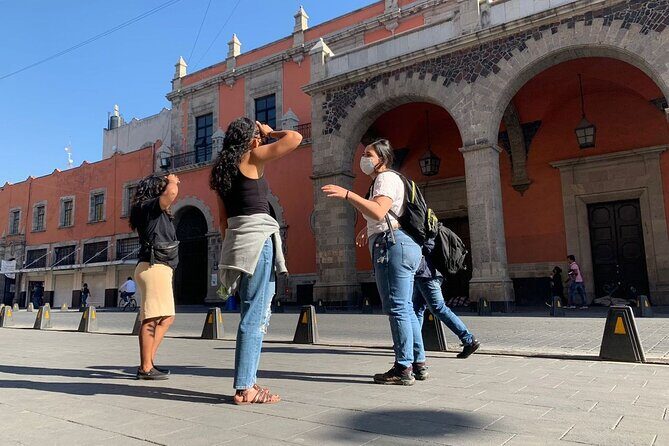
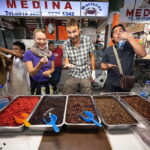
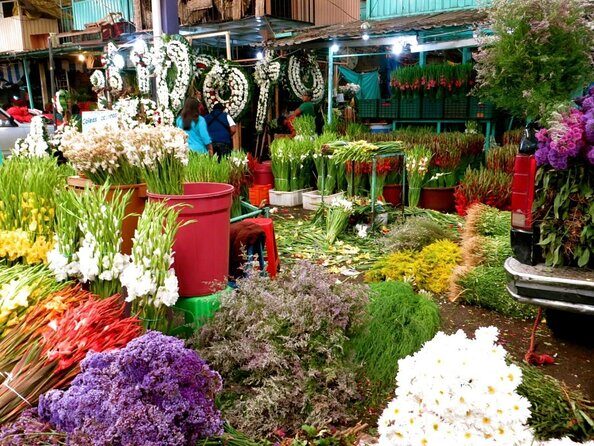
Next you head to Mercado Jamaica, the famous flower market that also functions as a place for produce and prepared foods. This is where the tour turns from “eat what locals eat” into “watch how locals shop and snack in the same space.”
The big idea is the market’s 3-in-1 setup:
- Flowers
- Fresh produce
- Prepared food
You’ll sample foods and drinks while walking, including things like tacos, local fruits, and tepache (the pineapple version shows up here). And yes, you can get a vendor to pick flowers that match your eye color. It sounds quirky, but it’s actually a nice way to slow down and interact with the market rather than treating it like a checklist.
Here’s what I’d highlight for you: the flower section isn’t just decoration. It changes how the market feels—different smells, different colors, and different rhythms. That contrast makes the whole tour more memorable than doing two similar food stops in a row.
If you want a practical tip: take a second before you buy anything you’ll carry. Mercado Jamaica can be dense, and walking with bags is annoying. If your day includes the salsa lesson (it does), plan so you’re not juggling too much.
The salsa-making lesson: vegetables to molcajete in your own hands
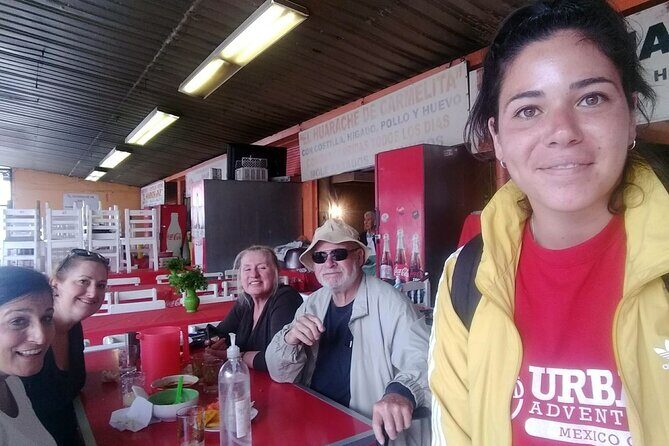
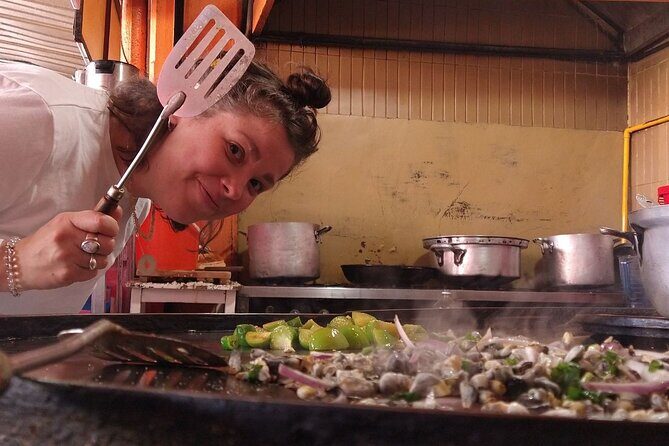
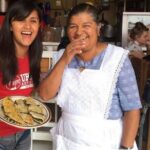
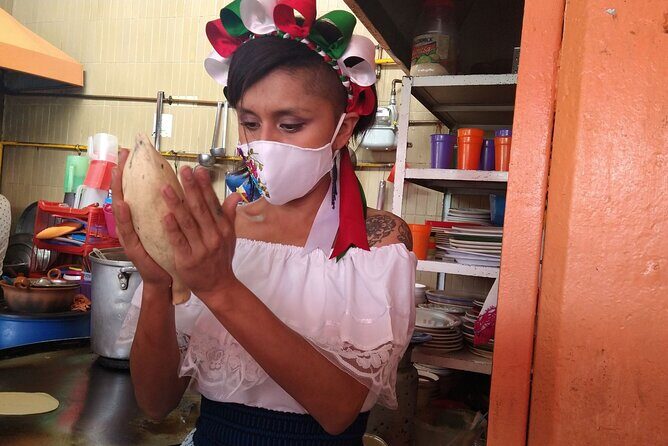
This is the part that turns the day from eating to doing. After you’ve walked through the market and picked up ingredients (including fresh vegetables), you head to a local family business with nearly 100 years of tradition. The goal is straightforward: make salsa the traditional way, step by step, with guidance.
You’ll be involved in the process:
- Wash and cut ingredients
- Grill them
- Then smash everything using a molcajete (mortar and pestle), which gives the salsa its distinctive texture and flavor profile
Finally, you taste your own salsa with a classic huarache.
Why this is genuinely good value: you’re not just watching. You’re learning a skill you can repeat at home, even if your ingredients aren’t exactly the same. And the “smash with a molcajete” step is one of those small techniques that makes a noticeable difference, so the lesson isn’t just theatre.
One more thing to know: salsa can be spicy. The tour is guided, so you’re not left alone with fire-breathing peppers, but you should still think about your heat tolerance. If you’re unsure, tell your guide early so they can help you match your portions.
Walking, Metro, and photo rules: the logistics that affect your comfort
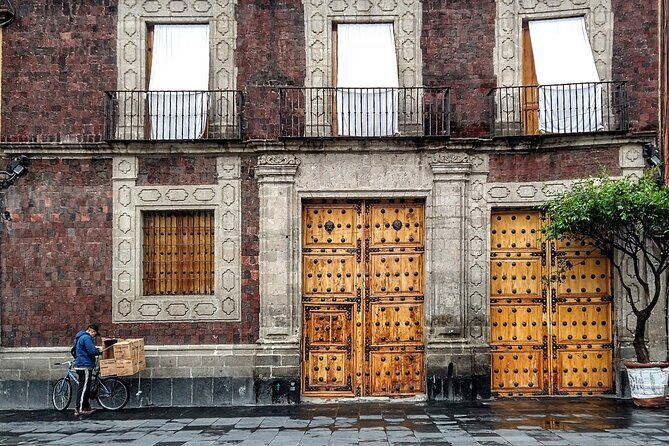
This tour covers about 6 km (3.7 miles). It’s not an all-day hike, but it adds up across markets and between stops. Moderate physical fitness is recommended. If you’re traveling with knee issues or you know you struggle with long standing, wear the best shoes you own.
The Metro element helps more than you’d expect. You get a practical intro so you can later repeat the route without feeling like you’re guessing. One thing to remember: markets are often faster-paced than museum corridors. Keep your pace with the group and don’t stop to reorganize bags every 30 seconds—your guide will be moving you to the next tasting or station.
Photography is also specific. The tour recommends small cameras only, and large professional gear isn’t suitable for the experience. If you’re the type who wants every moment on video, keep your setup light so you don’t slow the group down.
In rainy season, bring a raincoat or umbrella. The markets and streets can stay active even when the weather turns.
You can also read our reviews of more tours and experiences in Mexico City
Price and value: is $69.45 worth it?
At $69.45 per person for roughly 5 hours, this tour stacks up well if you care about more than eating. You’re paying for:
- Entrance-free market visits (the tour lists free admission for the main market stop)
- Guided market walking through non-touristy areas
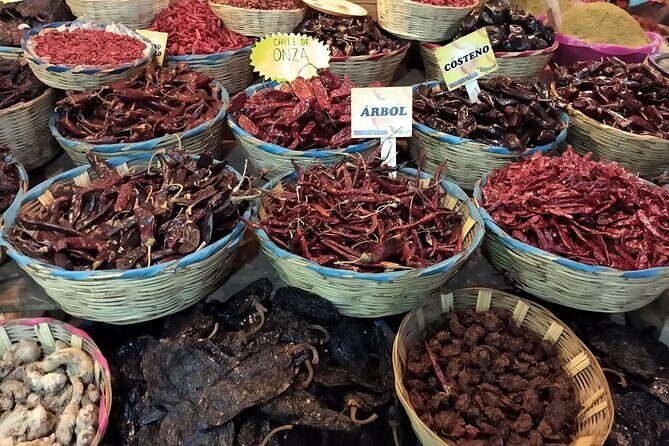
- Street-food tastings (like tamales and atole, plus other market bites)
- A structured salsa-making lesson
- A Metro ride as part of the day
- A small group experience (max 12)
Now, here’s the honest budgeting part: the tour’s “not included” note says food and drinks aren’t included unless specified. But the highlights and included section clearly indicate that tastings and atole are part of the experience. Translation for your wallet: you should expect the listed tastings, but if you want additional items you spot later, you’ll likely buy them separately. Bring some spending cash, and keep it modest.
Also, consider timing. If you do this early in your trip, you’ll learn market rhythms and Metro basics that can save you time and stress later. If you do it late, you still get a great food and culture day—but you’ll lose that advantage of learning the city earlier.
Who this tour suits best (and who should rethink it)
This experience is a strong fit if you want:
- A hands-on food lesson (salsa with a molcajete is the star)
- A market day that includes history and context, not just eating
- A small-group morning that helps you navigate CDMX streets and the Metro
It may be less ideal if:
- You dislike spicy food (you can manage portions, but salsa is the point)
- You’re uncomfortable with long standing and walking (about 6 km)
- You want a totally relaxed, low-movement experience
Food-wise, the tour says it can accommodate vegetarian, gluten-free, or lactose-free options if you request at least 24 hours ahead. That’s helpful because it means you aren’t stuck hoping the guide can improvise.
Should you book this Mexico City market and salsa tour?
If you’re the type of traveler who enjoys street food and wants real context, I think you should book it. The salsa-making lesson is the differentiator, and the pairing of two distinct markets keeps the morning from feeling repetitive. Add in the Metro practice and the fact that it’s capped at 12 people, and it’s a practical way to get a strong slice of CDMX in one day.
If you’re short on time but still want authentic food, this tour hits that sweet spot. Just go in with good shoes, some patience for market crowds, and an open mind about heat from the salsa station. You’ll leave with recipes in your memory and a better feel for the city’s daily pulse.
FAQ
What’s the price and how long is the tour?
The price is $69.45 per person, and the tour runs about 5 hours (approx.).
Where do I meet and where does the tour end?
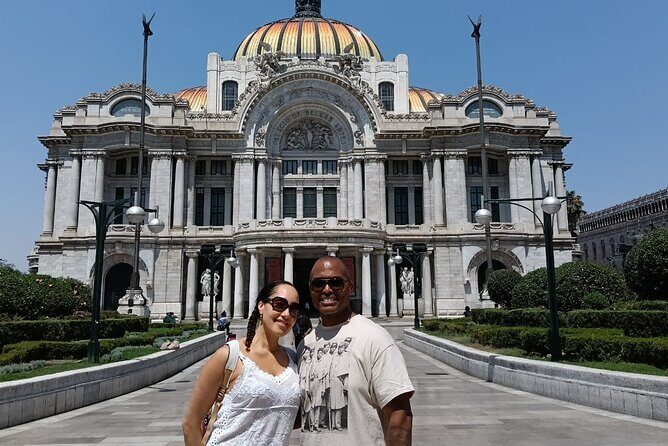
You meet at República de Guatemala 4 in Centro Histórico (Hostel Mundo Joven facade area) and the tour ends at the Palacio de Bellas Artes facade/entrance area on Av. Juárez S/N.
Is the tour offered in English?
Yes. The tour is offered in English.
What food and drinks are included?
The experience includes tastings of traditional street foods such as tamales and tacos, plus atole and other market snacks as part of the tour. Food and drinks beyond what’s specified aren’t included.
How much walking is involved?
It covers around 6 km (3.7 miles) and can be quite strenuous if you’re not used to walking long distances. Moderate physical fitness is recommended.
Can the tour accommodate dietary needs?
Yes. The tour can accommodate vegetarian, gluten-free, or lactose-free needs if you notify them at least 24 hours before the tour.
What should I wear or bring?
Wear conservative clothing (long trousers or jeans and a t-shirt are recommended) since you’ll visit non-touristy areas. Bring small spending cash and leave valuables like passports and credit cards at your hotel. In rainy season (May to September), bring a raincoat or umbrella. Small cameras only are suitable.
What’s the cancellation policy?
You can cancel for a full refund up to 24 hours before the experience start time. Cancellations less than 24 hours before start time aren’t refunded.