REVIEW · SAN MIGUEL DE ALLENDE
Trip from San Miguel to the Sacred Frescoes of Atotonilco
Book on GetYourGuide →Operated by Travel to San Miguel · Bookable on GetYourGuide
Churches rarely hit like this one. I love the English/Spanish guide style here, and I really love how the Sanctuary’s interior tells its story with tempera paintings from the entrance toward the altar. One possible drawback: the whole outing is only 2 hours, so you’ll want to move at a comfortable pace and keep food browsing efficient.
This is the kind of tour that works best when you’re curious about how places link together: faith, art, and the independence era. I also like that it’s a small group limited to 5 participants, which makes questions easier without feeling rushed or lost.
For $34 per person, you’re not just seeing a church façade. You’re getting transport, a guided walkthrough, a food-and-crafts stop, and even a quick look at the Church of San Juan de Dios.
In This Review
- Key Points I’d Put on Your Shortlist
- From San Miguel to Atotonilco: A Short Van Ride With Real Context
- Hidalgo Comes First: The Independence-Era Moment Outside the Sanctuary
- Entering the Sanctuary: Architecture and the Founding Story You’ll Actually Remember
- Six Sections, One Flow: How the Nave Visit Stays Clear
- Tempera Paintings From Entrance to Altar: The Art You’ll Want to Slow Down For
- Atotonilco on Foot: Food Stalls and Handmade Crafts Without the Shopping Stress
- San Juan de Dios and the Our Lord of the Column Monument
- Price and Time: Does $34 Make Sense for a 2-Hour Trip?
- What the Best Guides Get Right: Marimar and Marina’s Style
- Who This Tour Is Best For (and Who Should Skip It)
- Should You Book the San Miguel to Atotonilco Tour?
- FAQ
- FAQ
- How long is the tour from San Miguel to Atotonilco?
- What does the tour cost?
- Where is the pickup in San Miguel de Allende?
- What is included in the price?
- What food will I have access to during the visit?
- Is the ticket line skipped?
- Do I need to remove my hat or cap during the church visit?
- How many people are in the group?
- What languages are offered for the live guide?
- Is the tour wheelchair accessible?
Key Points I’d Put on Your Shortlist
- A 20-minute ride that sets the context before you even reach Atotonilco
- Hidalgo and the independence symbol tied to 1810, right before you enter
- Six sections inside the Sanctuary, including Our Lady of the Rosary and the Holy Sepulchre
- House of spiritual exercises that still welcomes over 70,000 visitors annually
- Atotonilco street food and handmade crafts, with stalls that vary by day
- The Our Lord of the Column monument at the nearby Church of San Juan de Dios
From San Miguel to Atotonilco: A Short Van Ride With Real Context
The day starts with a simple setup: pickup in San Miguel de Allende at either Templo de San Francisco de Asís or Banco BBVA, then a van ride toward the Sanctuary of Jesus Nazareno. You’re looking at about a 20-minute drive, and the guide uses that time to orient you to what you’re about to see.
This is one of those smart tours where you don’t waste the ride staring out the window. Instead, you get a quick explanation of the surrounding communities and the newer neighborhoods you pass by, so the area doesn’t feel like a blank backdrop. By the time you arrive, you’re already thinking in terms of place and development, not just architecture.
The other practical advantage is pace. In just a couple of hours, you can see a major sanctuary interior plus a second church stop without your day turning into a logistics project.
You can also read our reviews of more tours and experiences in San Miguel De Allende.

Hidalgo Comes First: The Independence-Era Moment Outside the Sanctuary
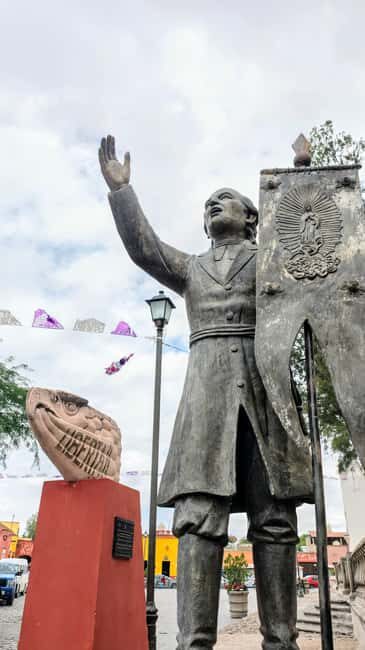
Before you step fully into the Sanctuary experience, you’ll notice an image of Father Miguel Hidalgo holding a picture of the Virgin of Guadalupe. That detail matters because the site became a powerful symbol of the independence movement around 1810.
I like this sequencing. It prevents the visit from turning into purely a photography stop. Instead, you get a framework: the church isn’t only about religious devotion—it’s also about the way ideas travel through symbols, images, and public memory.
So if you’re the type who likes to understand why a location matters, this is a great “pre-lecture” moment without feeling like a classroom. If you’re more into quick sightseeing, you can still glance at the façade and move inside, but you’ll probably catch the significance anyway.
Entering the Sanctuary: Architecture and the Founding Story You’ll Actually Remember
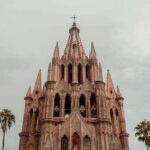
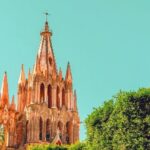
Once you arrive, the guide focuses you on the main façade of the church. You’ll learn about the founding and construction, which helps you see the building as something made with intention—not just a pretty exterior.
Then you enter respectfully. There’s a clear expectation to remove hats or caps when entering the church. It’s a small rule, but it also sets the tone. You’ll feel like you’re joining the space rather than treating it like a museum hallway.
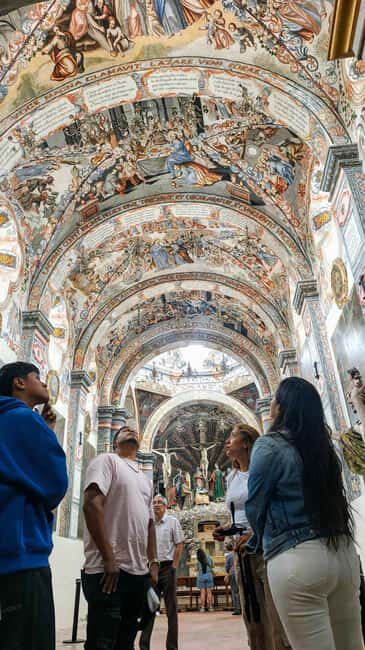
Inside, the guide points out the church’s layout and explains that you’ll move through six sections of the nave. That “section” approach is useful because it keeps you oriented. With big church interiors, it’s easy to wander. Here, you’re guided from one named area to the next, including the Chapel of Our Lady of the Rosary, Our Lady of Loreto, and the Chapels of Calvary and the Holy Sepulchre.
One more thoughtful stop happens before the deepest interior time: you’ll also visit the house of spiritual exercises, which still welcomes over 70,000 visitors annually. That detail gives you a sense of continuity—this place isn’t only preserved; it’s actively used.
Six Sections, One Flow: How the Nave Visit Stays Clear
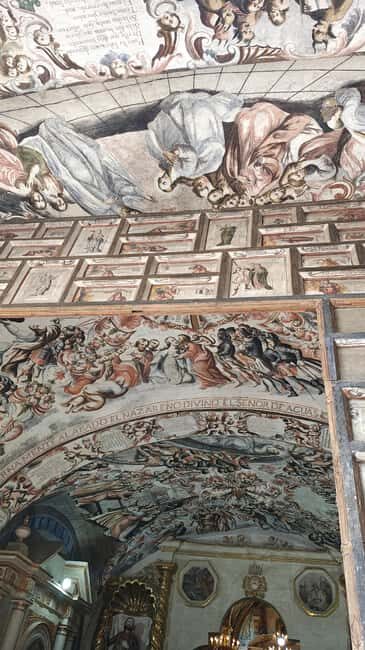
The Sanctuary’s interior is the star, and the best part is that you’re not left to figure out the route. You move through the church’s six sections, and each one is tied to a specific devotion.
Here’s what that means for your experience:
- You get a repeatable path through the nave, so you don’t lose track.
- You get to compare areas without guessing what you’re looking at.
- You can spend more time actually noticing art and details.
The tour includes the Chapel of Our Lady of the Rosary and Our Lady of Loreto, plus the Chapels of Calvary and the Holy Sepulchre. If you’re someone who likes religious art, you’ll appreciate how these chapels create a sequence of themes rather than random stops.
A small consideration: church interiors can be strict about movement, and some areas may feel crowded depending on the day. Because this outing is scheduled tightly at around 10 minutes for one Atotonilco visit, plus guided time and food time, you’ll want to keep your pace steady and follow the guide’s lead.
Tempera Paintings From Entrance to Altar: The Art You’ll Want to Slow Down For
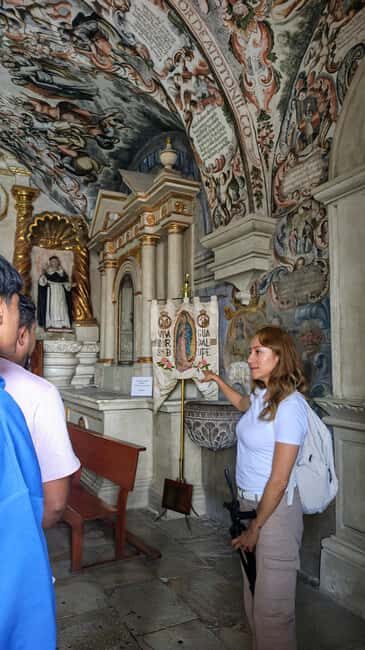
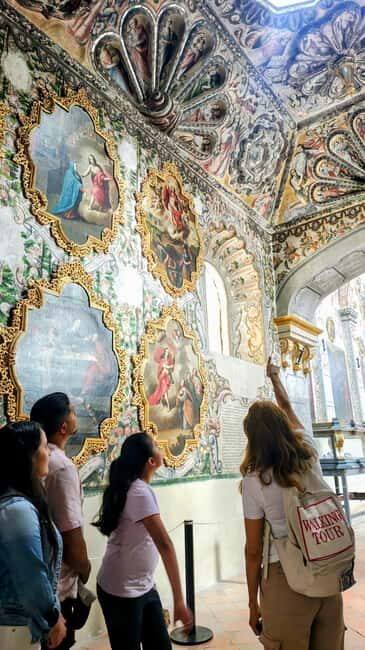
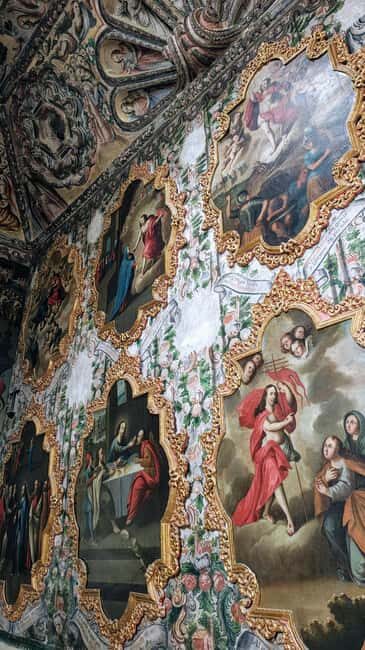
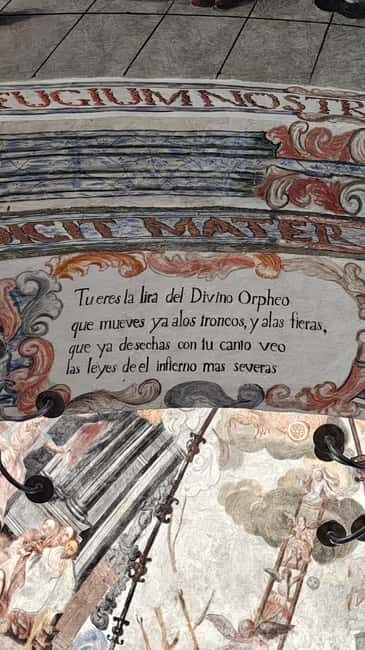
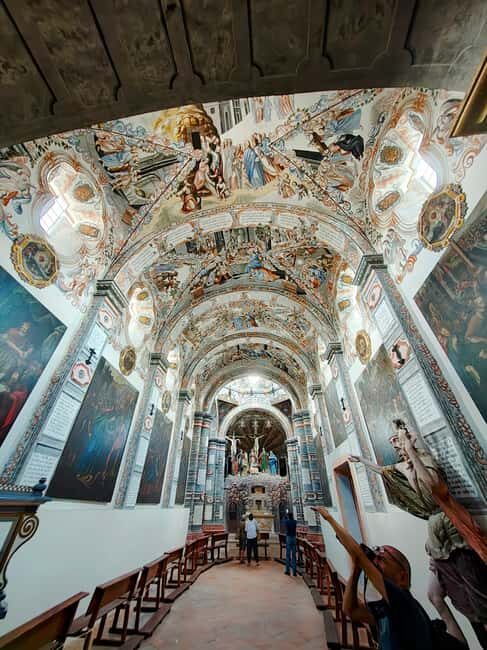
The inside story is heavily visual. You’ll notice beautiful tempera paintings that adorn the walls, from the entrance toward the altar. This is where the tour becomes more than “facts on buildings.”
Tempera painting has a distinct feel: the color and layering can look both firm and delicate, especially in church lighting. Even if you don’t call it by technique, you’ll likely feel the difference between plain decoration and deliberate narrative art.
This is also a good moment to ask questions. A small-group set-up helps here because you’re not competing with a crowd. If your guide explains what you’re seeing—especially how the paintings connect to the devotions and the site’s meaning—you’ll get more out of the time spent standing in one spot.

Atotonilco on Foot: Food Stalls and Handmade Crafts Without the Shopping Stress
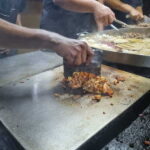
After the guided Sanctuary time, you’ll move into Atotonilco for regional food and a quick local artist stop. Expect a mix of street-food favorites like gorditas, quesadillas, sopes, and fresh aguas frescas. The exact stalls and number of vendors can vary depending on the day of the week, so don’t expect one single lineup every time.
I like this portion because it gives you a “real life” view of the area. You see crafts, talk with makers, and eat something local while everything is still close by. It’s not a separate half-day market quest; it’s built into the same short trip.
One practical tip: bring small bills or coins if you can. When you’re buying a few items quickly, cash tends to make things smoother. And since food is included only as a tasting, you may decide to buy more if you find something you like.
If you’re traveling with someone who loves photos but also wants a taste of local daily life, this stop is a good balance.
San Juan de Dios and the Our Lord of the Column Monument
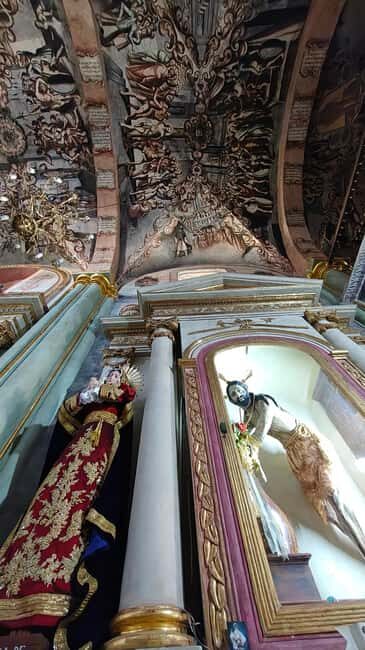
The tour doesn’t end after the Sanctuary. You’ll also pass by the Church of San Juan de Dios and see the monument of Our Lord of the Column in sandstone.
This stop matters because it connects to an ongoing local tradition: it honors the annual pilgrimage from Atotonilco to San Miguel de Allende and back. So while you’re in the broader Atotonilco-San Miguel story, you’re also reminded that these religious routes aren’t only historical—they’re repeated.
Even if you only spend a short moment here, the symbolism adds another layer. You leave the sanctuary thinking about 1810 independence symbolism, and then you see a monument tied to yearly devotion and movement between towns.
Price and Time: Does $34 Make Sense for a 2-Hour Trip?
At $34 per person for a 2-hour outing, the value comes from what’s bundled together. You’re getting:
- transport from San Miguel to the Sanctuary area and back
- a guided tour of the Sanctuary
- a taste of regional food
- a visit linked to local artists
- a stop by the Church of San Juan de Dios
If you tried to do this independently, the biggest cost would be your time and planning—getting the right transport, finding the sanctuary route, and navigating a church interior without getting lost. For many people, that’s what pays for the guide: you spend your limited hours understanding what you’re looking at, not figuring out where to go next.
The tradeoff is that it’s not a slow, linger-all-day experience. You will have to accept a guided pace. If you’re the type who wants to stand for 30 minutes staring at one painting and writing notes, this may feel a touch compressed. If you like “short and well explained,” it’s a strong match.
What the Best Guides Get Right: Marimar and Marina’s Style
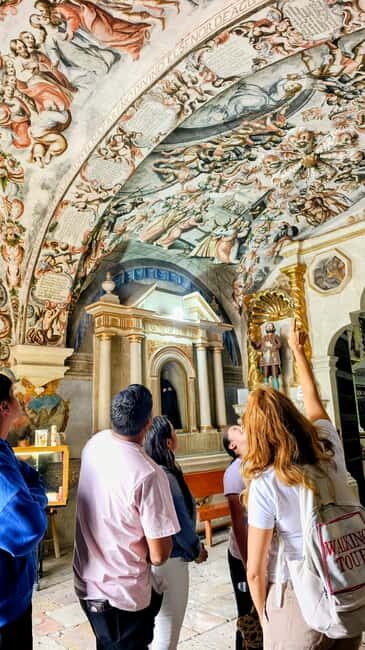
One thing that clearly comes through is guide quality. In the small-group format, a strong guide can turn a church tour into a narrative you can carry home.
Two names come up often: Marimar and Marina. They’re described as very friendly and helpful, punctual, and responsible, with solid historical explanations tied to Atotonilco and the site. Some guides are also said to offer helpful advice for other activities around San Miguel de Allende, which is a nice bonus if you want your day to keep flowing instead of ending right after the tour.
So if you care about the guide’s tone—someone calm, prepared, and willing to answer questions—this is a reassuring sign.
Who This Tour Is Best For (and Who Should Skip It)
This trip is best for you if:
- you want a guided sanctuary visit without spending half a day on planning
- you like church art and architecture, especially tempera paintings and named chapels
- you want a quick hit of local food and crafts in the same timeframe
- you prefer small groups of up to 5 for a more manageable experience
You might want to choose something else if:
- you want a long, independent visit where you can roam freely for hours
- you dislike tight schedules and prefer to decide your own stopping points inside churches
- you don’t care about religious-art storytelling or historical symbolism
Also, because the tour includes church entry rules (like removing hats or caps), it’s good to be comfortable following local etiquette without grumbling.
Should You Book the San Miguel to Atotonilco Tour?
I’d book it if you want a high-value, time-smart way to understand the Sanctuary of Jesus Nazareno and the Atotonilco setting around it. The guide-led approach, the independence-era symbol tied to Hidalgo and 1810, the clearly organized six sections inside the sanctuary, and the combination with food and crafts make it feel like more than a quick photo stop.
If you’re on a tight schedule in San Miguel de Allende and you still want something meaningful, this fits. Just go in expecting a guided sprint, not a slow wander.
FAQ
FAQ
How long is the tour from San Miguel to Atotonilco?
The total duration is 2 hours.
What does the tour cost?
It costs $34 per person.
Where is the pickup in San Miguel de Allende?
Pickup is available at Templo de San Francisco de Asís or Banco BBVA.
What is included in the price?
Transportation from San Miguel de Allende to the Sanctuary of Jesus Nazareno, a guided tour of the Sanctuary, tasting local traditional food, a visit to local artist, and a visit to the Church of San Juan de Dios.
What food will I have access to during the visit?
You can taste local street food such as gorditas, quesadillas, sopes, and fresh aguas frescas.
Is the ticket line skipped?
Yes, the tour includes skip-the-ticket-line service.
Do I need to remove my hat or cap during the church visit?
Yes. Hats or caps should be removed when entering the church.
How many people are in the group?
It’s a small group limited to 5 participants.
What languages are offered for the live guide?
The live guide speaks English and Spanish.
Is the tour wheelchair accessible?
Yes, it is wheelchair accessible.