Teotihuacán hits fast. This full-day trip from Querétaro lets you walk through three of the site’s biggest moments: Piramide de la Serpiente Emplumada, the Pyramid of the Sun, and the Pirámide de La Luna—with an English-speaking guide and included entrance tickets. You also get air-conditioned transportation all the way out and back, so the long day stays manageable.
I really like that the trip mixes big ruins with hands-on learning. The obsidian workshop stop explains how artisans make and diversify obsidian pieces, and it also brings in the ancient maguey story—plus you may get samples that some groups enjoyed on prior days. The pace is easy to follow, even if you’re not a hardcore archaeology person.
One thing to consider: the schedule is tight once you’re on-site. You move from stop to stop with guided time, and if you love wandering slowly on your own, you might feel like you want more breathing room after the explanation.
In This Review
- Key highlights to expect
- The long drive from Querétaro (and how to make it feel shorter)
- English guidance that turns ruins into a story you can follow
- Feathered Serpent: where Quetzalcoatl symbolism is built into stone
- Pyramid of the Sun: the ceremonial centerpiece you can still feel
- Pyramid of the Moon and the Plaza de la Luna’s “math”
- Obsidian workshop + maguey: what you learn between temples
- Gran Teocalli buffet lunch with music (and what costs extra)
- What the included tickets and small group actually do for you
- Practical tips for a comfortable Teotihuacán day
- Who this tour suits best
- Should you book the Querétaro to Teotihuacán day tour?
- FAQ
- What time does the tour start, and how long is it?
- Where is the meeting point in Querétaro?
- Is pickup available from hotels or Airbnbs?
- Is lunch included? Do I need money for drinks?
- Are pyramid entrance tickets included in the price?
- Do you get an English-speaking guide?
- Is there a minimum group size or a maximum capacity?
- What’s the cancellation policy if plans change?
Key highlights to expect
- Four focused stops at Teotihuacán with entrance tickets included at each one
- English-speaking guidance that helps you read what you’re seeing
- Air-conditioned round-trip ride from Querétaro for a long travel day
- Obsidian + maguey workshop with explanations and artisan products
- Buffet lunch with music at Gran Teocalli (drinks and tip are extra)
The long drive from Querétaro (and how to make it feel shorter)
This is a 12-hour outing that starts at 7:00 am at the Museo Regional de Querétaro in the historic center. The drive is a real part of the experience. Plan for a serious chunk of time on the road, and treat the ride like your warm-up: use it to hydrate, charge your phone, and get comfortable with a day that moves.
The good news is the transportation is air-conditioned, and the group stays small (maximum 12 travelers). In past experiences with this operator, the driver has been praised for being on time and for a calm, safe style of driving, which matters when you’re spending most of the day away from home.
Tip: if you’re prone to feeling travel-wonky, bring something simple like neck support or a light layer. Teotihuacán can feel hot and bright once you start walking, and you’ll be thankful you didn’t arrive already tired.
You can also read our reviews of more tours and experiences in San Miguel de Allende.


English guidance that turns ruins into a story you can follow
Walking Teotihuacán on your own is cool. But on a guided day, you get an extra layer: you learn what to look for and why it mattered to people who built and used these spaces.
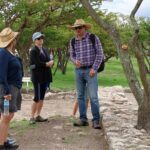
The tour is led in English, and you’ll likely appreciate the way the guide connects symbols, locations, and architecture. In recent groups, guides such as Alberto and Tomás have been singled out for clear explanations, including added visuals like historical photos and illustrations that help the place “click” faster.
I like this approach because it doesn’t require you to memorize facts. You just follow the logic: where the temple is, what the structure represents, and how the site’s design shaped ritual life.
Also, you’ll see that the itinerary doesn’t treat Teotihuacán like one big blur. It splits the visit into meaningful chunks—feathered serpent, Sun, Moon, then a craft and food break—so your brain has time to reset.
Feathered Serpent: where Quetzalcoatl symbolism is built into stone
Your first major stop is the Piramide de la Serpiente Emplumada. Even if you don’t know the details of Teotihuacán’s gods, the building explains itself. This pyramid is the third largest structure in Teotihuacán, and its design includes seven talud-tablero bodies—a style you’ll see across the site.
Here’s what makes this stop worth your attention: parts of the western façade were decorated in the early 3rd century with sculptures of the Feathered Serpent, one of the oldest and most important Mesoamerican deities. Later, you’ll also hear the name Quetzalcoatl tied to this tradition.
What I like about starting here is that it sets your expectations. It’s not only about scale; it’s about symbolism carved into architecture. This is one of those moments where a guide can point out what you’d otherwise miss, like how a temple’s location and decoration work together.
Practical note: you’ll have about 1 hour at this stop. That’s enough time to see the main features and take photos, but don’t expect a slow, long “sit and stare” visit at your first temple. The day moves.
Pyramid of the Sun: the ceremonial centerpiece you can still feel
Next up is the Pyramid of the Sun, which is both huge and central. This is the largest pyramid in Teotihuacán and one of the largest in all of Mesoamerica. That matters because the pyramid’s placement tells you it wasn’t built as a background structure—it was meant to anchor major gatherings.
This pyramid is understood to be primarily ceremonial and religious, tied to rituals connected to the sun, rain, and fertility—elements that were central to the Teotihuacán worldview.
On a practical level, this stop is the one most people want to photograph. On a personal level, I find it’s also the one that changes the way you see the rest of the ruins. When you stand near it, other structures feel different; they start to look like part of a plan.
You get about 1 hour here, plus the value of a guide who can explain what ceremonies were likely tied to the pyramid and how the location reinforced its importance to the community.
Consideration: it can get busy and bright. If you burn quickly, plan your timing around the sun and keep an eye on where you’re standing. Wear shoes you can trust for uneven ground and steps.
Pyramid of the Moon and the Plaza de la Luna’s “math”
Then you shift from the Sun’s centerpiece energy to the Moon’s boundary and geometry. The Pirámide de La Luna marks the northern boundary of the Causeway of the Dead, and it sits in the Plaza de la Luna, a space described as one of the more harmonious urban settings in Teotihuacán.
This stop is a visual treat because you’re not only looking at a single pyramid. You’re looking at relationships: the way the plaza opens up and how surrounding foundations help form the area’s meaning.
At the base of the pyramid, you’ll hear about Structure A—framed by two foundations—with nine altars arranged on the walls and one in the center. The guide connects these altars to cardinal and intercardinal directions, plus the idea of the center representing the universe.
I like this stop because it makes Teotihuacán feel “designed” rather than just “old.” It’s easy to think of ruins as random, but the placement and layout suggest planning aimed at ritual movement and public meaning.
You also get about 1 hour at this stop, including the chance to take photos and absorb the scale and symmetry.



Obsidian workshop + maguey: what you learn between temples
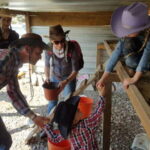
After the big stone monuments, the tour pivots to craft and everyday ancient plant knowledge. You’ll visit a Taller de obsidiana for about 45 minutes. Admission here is free within the tour.
The workshop is designed to explain how obsidian work reflects the Teotihuacán Valley’s production and variety. You’ll have a chance to see pieces made by artisans and made with attention to professional craftsmanship.
Then comes the part I think most people quietly enjoy: the maguey connection. This tour introduces the maguey plant, described as one of Mexico’s representative plants that served humans for a long time. It’s linked to ancient drinks like pulque and aguamiel, and it’s also credited with medicinal properties in pre-Hispanic use.
On prior days, some groups reported getting examples and samples—one review specifically noted tasting tequila during the workshop. If that happens on your day, treat it like a bonus, not a promise.
Shop reality check: you will likely pass through a store area connected to the workshop. That can be a good place to buy small, meaningful souvenirs. Just don’t let shopping rush you out of the learning part. You’re there to understand the craft and the plant, not only to browse.
Gran Teocalli buffet lunch with music (and what costs extra)
Your lunch is at Gran Teocalli, scheduled for about 2 hours. This is a buffet meal, and it comes with either pre-Hispanic dance or mariachi music as accompaniment, depending on what’s running that day.
The tour includes lunch, but it’s worth knowing what’s not. Drinks and the waiter’s tip are not covered, so budget for that if you want a soft drink, juice, or alcohol with your meal.
Why lunch here is a smart break: Teotihuacán includes walking, sun, and stairs. You’ll want to refuel before your final ride back. Also, having music during the meal keeps the mood lighter after a few intense temple stops.
Tip: if you’re the type who hates eating while you’re rushed, use the first minutes to grab food calmly. With a guided schedule, line-ups and timing can move fast once everyone starts.
What the included tickets and small group actually do for you
This trip includes entrance fees for all the pyramid sites visited and gives you a mobile ticket for smoother check-in. It’s one of those “boring on paper, great in practice” inclusions. Instead of spending mental energy on separate ticket lines or figuring out what costs what, you stay focused on the ruins.
Small group size (up to 12) also changes the experience. It’s easier for the guide to keep everyone oriented, and you’re less likely to get stuck behind a massive crowd during explanations. That doesn’t mean the site is empty, but it can make your day feel more organized.
Also, the tour starts and ends back at the meeting point. So you don’t need to plan anything except showing up prepared for a full-day outing.
Practical tips for a comfortable Teotihuacán day
Here’s how you’ll get the most out of the day without overthinking it.
- Wear solid walking shoes. You’ll be moving around stone and uneven surfaces.
- Bring sunscreen and water habits. Even if the tour doesn’t mention it, the site can be bright and hot.
- Think photos, then facts. When your guide points out symbols or layout ideas (like the altars and directions at the Moon Pyramid), pause before snapping too quickly.
- Plan for limited free time on-site. The schedule is designed to keep you moving, so don’t expect long independent wandering after the guided portion. If you want extra wandering, you might prefer adding self-exploration before or after this tour on another day.
One more reality check: breakfast isn’t included. Starting at 7:00 am means you should eat before pickup so you’re not running on empty during the early drive.
Who this tour suits best
This is a great fit if you want Teotihuacán without the stress of planning a route from Querétaro. You’ll also like it if you enjoy learning the meaning behind what you see—symbolism, temple purpose, and how the plaza layouts connect to ritual life.
It’s also a good option if you’re not trying to spend a full day becoming a self-guided archaeologist. The guide gives structure, and the itinerary keeps your attention focused.
If you’re very flexible and love wandering with no schedule, the tight timing may feel like a trade-off. The best approach then is to book this tour for the big picture and consider adding extra independent time if you can.
Should you book the Querétaro to Teotihuacán day tour?
Yes, if your priority is guided, well-paced highlights—Sun, Moon, Feathered Serpent—plus a stop that explains obsidian craft and the maguey plant, and a buffet lunch that breaks up the day.
Book with extra confidence if:
- you like explanations in English
- you’d rather have entrance tickets and transport handled
- you want a small-group feel (up to 12)
Skip or reconsider if:
- you’re hoping for lots of unstructured time to explore on your own after the guide finishes
- you’re sensitive to long days and early starts (this one runs close to 12 hours)
If you go in with that mindset—big sights first, learning second, then craft and food—you’ll leave with Teotihuacán feeling clearer and more meaningful than just a set of impressive ruins.
FAQ
What time does the tour start, and how long is it?
The tour starts at 7:00 am and runs for about 12 hours.
Where is the meeting point in Querétaro?
You meet at the Museo Regional de Querétaro, Prol Corregidora Sur 3, Centro, 76000 Santiago de Querétaro, Qro., Mexico.
Is pickup available from hotels or Airbnbs?
Pickup is offered. If your place is outside the historic center perimeter, there may be a fee for pickup outside the perimeter. You’re also asked to confirm details with the operator via WhatsApp.
Is lunch included? Do I need money for drinks?
Yes, lunch is included as a buffet at Gran Teocalli. Drinks and the waiter’s tip are not covered, so you’ll want some cash or card for that.
Are pyramid entrance tickets included in the price?
Yes. Entrance tickets for the Pyramids of Teotihuacán stops are included, and the obsidian workshop stop is listed as free within the tour.
Do you get an English-speaking guide?
Yes, the tour is offered with an English-speaking guide.
Is there a minimum group size or a maximum capacity?
The tour requires a minimum of two people. The maximum group size is 12 travelers.
What’s the cancellation policy if plans change?
You can cancel up to 24 hours in advance for a full refund. Cancellations within 24 hours are not refundable.