REVIEW · MEXICO CITY
Guadalupe Shrine Tour
Book on Viator →Operated by Amigo Tours · Bookable on Viator
Tepeyac feels bigger than you expect. This Guadalupe Shrine Tour uses a guided format so you don’t spend your limited energy figuring out timing and logistics on your own. I like the professional guide setup, which gives context for the Juan Diego story, and I like that you see both basilicas in one smooth loop. One consideration: there’s a moderate climb up Tepeyac Hill, so comfortable shoes matter.
The shrine isn’t only about a single photo spot. You’ll also get a museum stop with 4,000 pieces of 17th-century religious art, which helps explain what you’re seeing instead of just moving from room to room. And the tour builds in some free time at the end, so you can attend mass or wander at your own pace.
This is a small-group experience, which helps it feel calmer. The tour is about 4 hours, capped at 20 travelers, and it starts at 3:00 pm. If you care about hotel pickup, note that pickup is only offered if you choose the private option.
In This Review
- Key things I’d highlight before you go
- Getting to Tepeyac from Mexico City without the stress
- Inside the Basilica of Guadalupe: Old Basilica (1709) first
- The New Basilica (1976): a different kind of worship space
- Tepeyac Hill climb: where the origin story becomes real
- The museum behind the Old Basilica: 17th-century art you’ll actually use
- What a great guide does (and what to watch for)
- Timing and pacing: the 3:00 pm start can be perfect or stressful
- Price and value: is $51 a good deal?
- What to pack and how to behave respectfully
- Who should book this tour?
- Should you book the Guadalupe Shrine Tour with Amigo Tours?
- FAQ
- How long is the Guadalupe Shrine Tour?
- What time does the tour start?
- Where do I meet the guide?
- Is hotel pickup included?
- Is the tour offered in English?
- Do I get a mobile ticket?
- What’s included in the price?
- What is not included?
- Is there time for mass or exploring on your own?
- Can I cancel for a full refund?
Key things I’d highlight before you go
- Skip the “how do I get there?” headache with round-trip transportation and a guided visit
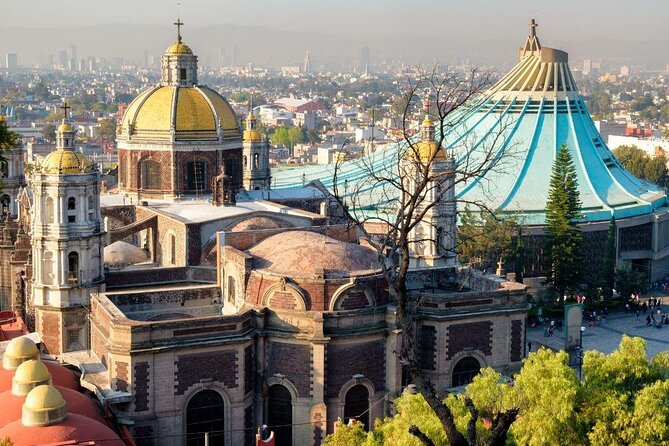
- Old Basilica (1709) + New Basilica (1976) in one itinerary, with architecture you can actually compare
- Tepeyac Hill climb tied directly to the origin story, not treated like an afterthought
- Tepeyac-area museum stop with 17th-century religious art for real context
- Time to attend mass or stroll on your own after the guided portion
- Small group (max 20) makes questions and pacing easier
Getting to Tepeyac from Mexico City without the stress
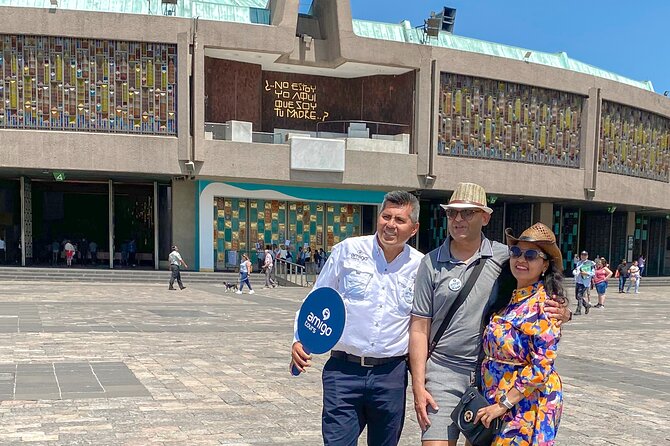
The tour meets at Hostal Amigo in Centro Histórico, then you ride out together to the Basilica of Our Lady of Guadalupe. Starting in the historic center matters because you avoid that “figuring it out mid-trip” feeling that can happen with DIY plans.
Your group stays together for the main flow: basilica area first, Tepeyac Hill after, then back to where you started. With a ~4-hour total window, you’ll want to show up on time and keep your expectations aligned: this is a focused visit, not an all-day pilgrimage.
One small practical note: the tour is designed for people with moderate physical fitness. That’s code for stairs on Tepeyac Hill. You don’t need to be an athlete, but you should plan for a workout.
You can also read our reviews of more tours and experiences in Mexico City.


Inside the Basilica of Guadalupe: Old Basilica (1709) first
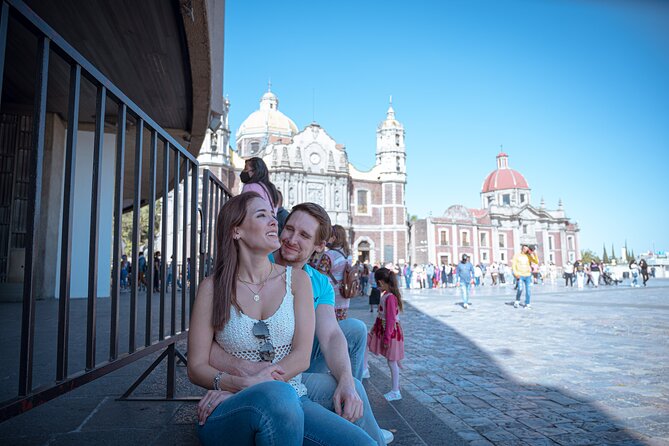
You begin at the Basilica de Santa Maria de Guadalupe area, where you’ll step into both the Old and New basilicas. The Old Basilica is the older Spanish-colonial-style church built in 1709, and it includes Moorish influence—a mix you don’t usually expect at a Catholic pilgrimage site.
Here’s what I think makes the Old Basilica stop valuable: you’re not just looking at religious objects. You’re getting architectural and cultural cues that help you “read” the space. The miraculous tilma and devotional paintings are displayed inside, which turns the visit into more than sightseeing.
Practical rhythm helps too. You’ll be shown what matters, then you can take your time to look around and absorb. This is also where you’ll likely feel the scale of devotion—there can be a lot of people, but a guide helps you avoid aimless wandering.
The New Basilica (1976): a different kind of worship space
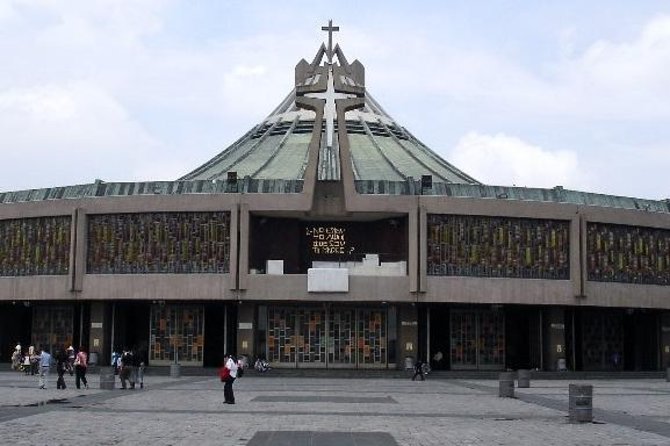
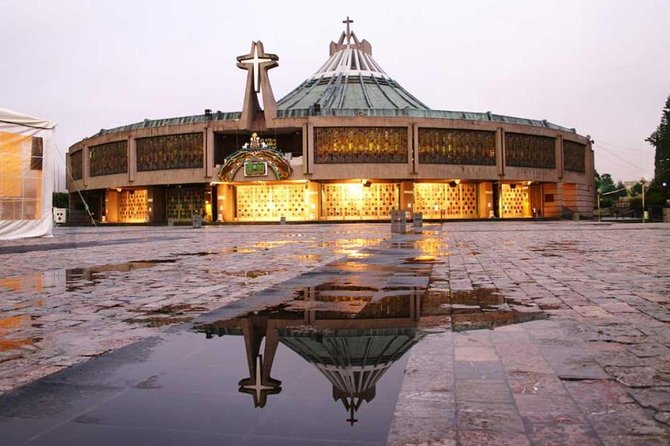
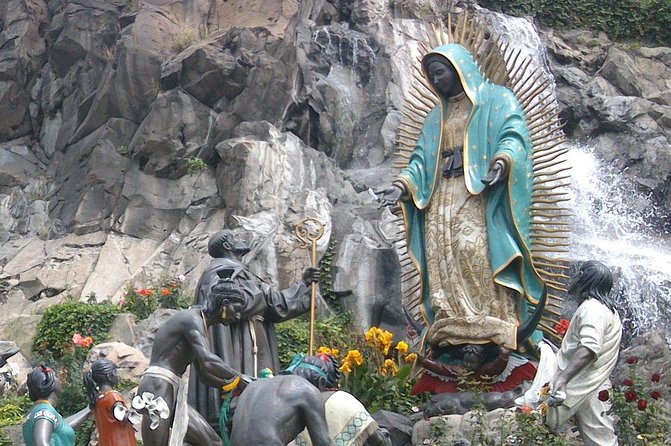
Next comes the New Basilica, completed in 1976. The design is notable: it uses a circular floor plan so the Virgin is visible from many spots inside the church.
That design choice changes how you experience the room. Instead of walking through a long, directional church, you’re inside a layout that feels built for prayer flow—people moving toward the central focus from different angles.
This stop also connects directly to daily religious life. You’ll observe pilgrims streaming into the main aisle, and you’ll hear why the Virgin of Guadalupe matters in Mexican culture, both as a religious figure and a cultural symbol. If you’re visiting with someone who cares about the story, this is often the moment when it clicks visually.
Tepeyac Hill climb: where the origin story becomes real
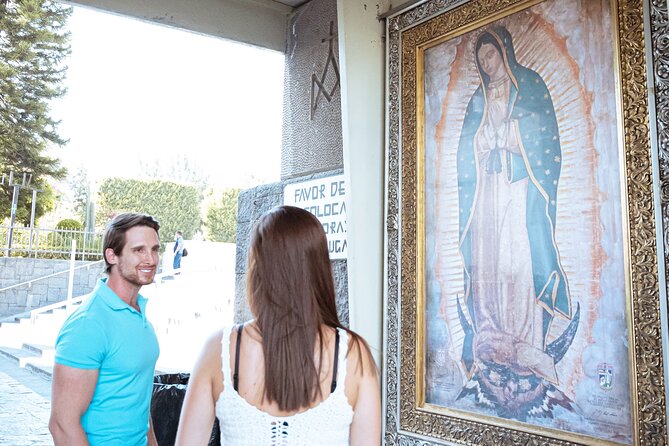
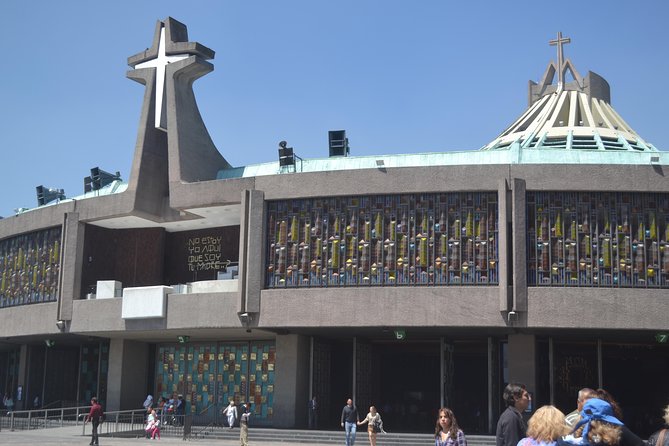
After the basilicas, you head up Tepeyac Hill, where the events tied to the tradition are said to have begun. The climb is part of why this tour feels “complete,” because you’re stepping into the geography behind the legend.
In practical terms, plan for stairs and a bit of stamina. The good news is that the stairs are maintained, and the views help justify the effort. If you’re traveling with older relatives or anyone who needs easier routes, a good guide can help you adjust your pace—this matters because Tepeyac is a real climb, not a flat viewpoint.
Also, if your schedule is tight, keep your evening plans flexible. Getting the timing right inside the shrine area and on the hill can be the difference between a relaxed visit and a rushed one.
The museum behind the Old Basilica: 17th-century art you’ll actually use
One of the smartest additions here is the museum stop behind the Old Basilica. It houses about 4,000 pieces of 17th-century religious art, giving you context for why people venerated images and how religious art shaped devotion.
If you only visit the churches, it can feel like you’re looking at symbols without knowing how that symbolism was understood at the time. The museum helps you connect the dots—why certain styles, stories, and devotional practices became so central.
You should treat the museum as your “study break.” It’s not just background filler; it’s the place where you start seeing the shrine’s imagery as part of a larger historical conversation, not just a modern attraction.




What a great guide does (and what to watch for)
A big reason people rate this tour highly is the human part. Several guide names come up in the feedback—Ligia, Herson, Jocelyn, Gabriel, Anthony, Antonio, and Miriam—and the common thread is interpretation that feels organized but not rushed.
Here’s what to look for in real time. A strong guide:
- tells you what you’re seeing and why it matters
- keeps the group moving when it’s needed, but lets you pause for questions
- helps you understand the difference between the Old and New basilicas beyond dates and names
Even if you don’t consider yourself religious, you can still enjoy the visit because the story has cultural weight in Mexico City. And if you are religious, the guide’s pacing can make it easier to arrive with the right mindset for mass and prayer.
Timing and pacing: the 3:00 pm start can be perfect or stressful
The tour begins at 3:00 pm and runs about 4 hours. That timing is often good because you’re not fighting Mexico City’s morning rush, and you still have enough daylight to feel comfortable on Tepeyac Hill.
But there’s a flip side. If you’re the type who wants to explore the basilica grounds extensively or you’re planning dinner reservations right after, you should avoid booking a super tight schedule. One reason: there are reports of timing problems in some cases, including cancellations or late arrivals, which can squeeze your buffer.
My practical advice is simple: plan dinner later than you think you need it, and keep your expectations focused on the tour’s core stops—basilicas, the hill, and the museum—rather than adding extra must-sees on the same evening.
Price and value: is $51 a good deal?
At $51 per person for about 4 hours, this tour usually represents good value if you want guidance and transportation bundled together. You’re paying for three things that can be annoying to DIY:
- a guide who explains the shrine’s story and architecture
- round-trip transportation so you don’t negotiate arrival and return
- an itinerary that hits both basilicas, Tepeyac Hill, and the museum
Admission to key parts is listed as free in the experience details, which helps keep costs down compared with trips that add ticket fees on top. Food and drinks are not included, so you’ll want to budget for a snack or plan a meal before or after.
If you’re on a tight schedule and you’d rather not spend hours researching where to go and what to see first, this price starts to look fair very quickly.
What to pack and how to behave respectfully
You’ll be inside churches and at a pilgrimage site, so dress and footwear matter. Wear comfortable walking shoes for the Tepeyac climb, and consider bringing a light layer for air-conditioned vans or buses, since comfort can vary.
For photos, you’ll want to know the rule of thumb: photos are allowed in most areas except the original chapel. If you’re unsure in the moment, watch for signage or follow your guide’s cues.
Finally, treat the basilica area like it’s not just a museum. Even if you’re there for cultural curiosity, people come to pray here. A calm pace and quiet attention go a long way.
Who should book this tour?
This works especially well if:
- you want a structured way to see the shrine without juggling transport
- you care about historical context and appreciate explanation
- you’re traveling with family and want accessibility to the main highlights without planning stress
- you’d like a chance to attend mass with the space and time to do it
You might choose differently if:
- you want an all-day, deeply self-directed pilgrimage with lots of time for wandering far beyond Tepeyac Hill
- you have extremely strict timing for dinner or other appointments right after, since shrine-area logistics can be unpredictable
Should you book the Guadalupe Shrine Tour with Amigo Tours?
I’d book it if you want the essentials done well: Old Basilica (1709), New Basilica (1976), the Tepeyac Hill climb, and the 17th-century art museum in one guided package. For the $51 price point, the real value is not just transport—it’s having someone explain what you’re looking at so you leave with a clearer sense of meaning.
Skip it if your top goal is flexible free-roaming with no structure, or if your day is so packed that even a small delay would ruin your schedule. Otherwise, this is one of those Mexico City experiences where a guided approach helps you respect the place—and understand it faster.
FAQ
How long is the Guadalupe Shrine Tour?
It runs for about 4 hours (approx.).
What time does the tour start?
The start time is 3:00 pm.
Where do I meet the guide?
You meet at Hostal Amigo, Isabel La Católica 61-A, Centro Histórico de la Cdad. de México, Centro, Cuauhtémoc, 06000 Ciudad de México, CDMX, Mexico.
Is hotel pickup included?
Hotel pickup is only available if you select the private tour. Otherwise, you start at the meeting point.
Is the tour offered in English?
Yes, the tour is offered in English.
Do I get a mobile ticket?
Yes, the tour includes a mobile ticket.
What’s included in the price?
You get a professional guide and round-trip transportation (with hotel pickup only for the private option).
What is not included?
Food and drinks are not included.
Is there time for mass or exploring on your own?
Yes. After the guided portion, you’ll have some free time to attend mass or stroll about the area.
Can I cancel for a full refund?
Free cancellation is available. You must cancel at least 24 hours before the experience start time for a full refund. If you cancel less than 24 hours before, the amount paid is not refunded.