Teotihuacan feels like a map you can walk.
What makes this tour special is the order: you start at the Citadel and Temple of Quetzalcoatl, then you move through the ceremonial core along the Causeway of the Dead, before ending with the big climbs and wide views. I really like the chance to see the underground neighborhoods and hidden tunnels, because it adds the everyday side of Teotihuacan life, not just monuments. The only real drawback is timing: a 7:00 am start means you’ll want good energy for stairs and sun exposure on a major archaeological site.
The pace is guided but not rushed, and you get enough structure to understand what you’re looking at. I also appreciate that the guide keeps things super precise and concise, so you’re not stuck translating silence between buildings. Plan to wear comfortable walking shoes, because even without technical climbing, the site includes a lot of uneven stone and steps up the pyramids.
In This Review
- Key highlights you should care about
- Why this early Teotihuacan route makes sense
- Getting there: pickup, timing, and what to watch for
- Citadel first: Temple of Quetzalcoatl and the “City of Gods” feel
- Causeway of the Dead: the big views that explain the layout
- Underground neighborhoods and hidden tunnels: the day-to-day payoff
- Pyramid of the Sun: climb for the views and the orientation
- Pyramid of the Moon and Plaza de la Luna views
- Free time for photos, rest, and craft shopping
- Price and value: what $77.71 buys you
- Who should book this tour (and who might want another option)
- A quick practical checklist
- Should you book this Teotihuacan early route?
- FAQ
- What time does the tour start?
- How long is the Teotihuacan early route tour?
- Is pickup included?
- Is the archaeological site entry ticket included?
- Is lunch included?
- What language is the tour offered in?
- Is there free time during the tour?
- Can I get a full refund if I cancel?
- How big is the group limit?
Key highlights you should care about
- Temple of Quetzalcoatl at the Citadel: Feathered serpent sculptures and warrior figures help you connect the dots fast
- Causeway of the Dead viewpoints: A long ceremonial avenue that makes the city’s layout easier to grasp
- Underground neighborhoods and tunnels: Housing systems and daily life clues you’d miss wandering alone
- Pyramid of the Sun climb: The biggest structure on the site, with top views that clarify where everything sits
- Pyramid of the Moon and Plaza views: Great perspective over the Plaza de la Luna and surrounding temples
- Free time for photos and shopping: You can pause for pictures, rest, or pick up crafts
Why this early Teotihuacan route makes sense
Teotihuacan can feel intimidating at first because everything is “important.” This route helps you avoid that problem. Starting at the Citadel and moving through the ceremonial core gives you a clear story arc: power and ritual first, then daily life, then the monumental viewpoints at the end.
Another practical win: the tour runs about 5 hours 30 minutes, so you’re not spending your whole day on buses and waiting. And with a maximum of 200 travelers, it stays big enough to run smoothly while still giving you a guided flow through the site.
The morning start also helps you manage comfort on a stone site. You’ll still want water and sun protection, but you’re less likely to feel cooked while you’re doing the main walking and pyramid climbs.
Getting there: pickup, timing, and what to watch for
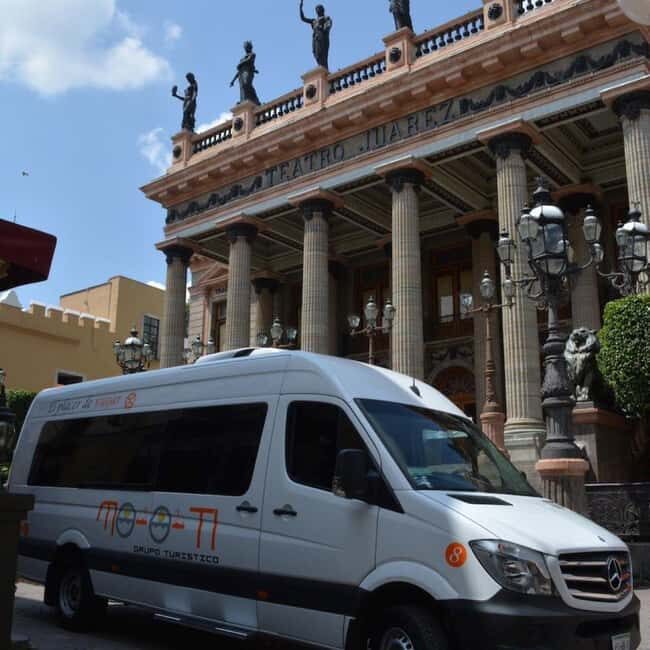
Pickup is offered, and you’ll start at 7:00 am. You should show up at the meeting point about 10 minutes early, and the van is identified with the company logo. The guide contacts you via WhatsApp with details for your day, and your name is announced at the pickup spot.
That WhatsApp note matters more than people expect. In Mexico City, meeting points can be confusing if you arrive late or without checking messages. If you want this to feel easy, keep your phone charged and ready, and be on time—this is one of those tours where you don’t want to be “running to catch up” with a group.
Also note: the tour language is English, and confirmation comes at booking. Air-conditioned transport is included, which is a solid quality-of-life upgrade before you step into the heat of Teotihuacan.
Citadel first: Temple of Quetzalcoatl and the “City of Gods” feel
You begin at the archaeological zone at the Citadel area, then head to the Temple of Quetzalcoatl. This is one of the most striking spots on the site, mainly because of what it visually communicates: sculptures of feathered serpents and figures of warriors.
What I like about leading with this is that it sets the tone. Before you walk the Causeway of the Dead, you already understand the vibe: ritual, symbolism, and power made visible in stone. Even if you only remember a few details, you’ll recognize the “language” the buildings are using.
One practical consideration: this is a stop where you’ll want to slow down and look closely, not just take a quick photo. The sculptures reward a careful glance, and the guide’s explanation is most useful when you can match words to carvings in front of you.
Causeway of the Dead: the big views that explain the layout
Next comes the Causeway of the Dead, the long ceremonial avenue connecting major parts of the city. The real value here is perspective. From the causeway, Teotihuacan starts to look like a planned city instead of a random collection of monuments.
This is also where your photos will make more sense later. A lot of people take images but don’t understand where their photo “fits.” Walking the avenue in sequence helps you build a mental map, so the structures stop looking identical and start looking like a designed system.
If you’re sensitive to sun or dust, keep an eye on your comfort during this stretch. It’s open space, so apply sunscreen and plan water breaks. Nothing here is optional if you want the best experience, but you can pace yourself.
Underground neighborhoods and hidden tunnels: the day-to-day payoff
After the main ceremonial areas, the tour moves into the underground neighborhoods—old residential complexes and hidden tunnels that reveal how people lived.
This is the part I think you’ll remember most, because it changes the story from big monuments to human routines. Housing systems and everyday design details help you understand why a city like this needed more than temples. You start to see Teotihuacan as lived-in architecture, not just a postcard of pyramids.
Practical advice: underground spaces can feel cooler or more enclosed, but conditions can vary. Dress in layers if you tend to run cold, and be ready for changing light when you move from open areas into darker sections. Your phone camera will struggle if you go from bright sun to shadow, so adjust exposure or take a few test shots.
Pyramid of the Sun: climb for the views and the orientation
Then you ascend the Pyramid of the Sun, the largest structure on the site. From the top, you get a view across Teotihuacan that helps you understand the layout—where you were, where you’re heading, and how the main buildings relate to one another.
The biggest advantage of climbing here is orientation. Once you’re up, the site stops being confusing. You can spot the major lines and see how the ceremonial core connects to the surrounding areas.
The drawback is straightforward: it’s a steep climb with lots of stairs. Wear shoes with grip, and take it slow. If you’re traveling with anyone who gets winded easily, remind them that this is not a “race to the summit.” The view is there whether you reach the top quickly or patiently.
Pyramid of the Moon and Plaza de la Luna views
After the Sun, you visit the Pyramid of the Moon. You’ll have a privileged view of the Plaza de la Luna and the surrounding temples.
This part of the tour complements the Sun climb. The Sun gives you a wide understanding; the Moon helps you focus on the ceremonial space and the way the temples sit around plazas. It’s a different angle of comprehension, and together they make Teotihuacan feel less like chaos.
For photos, this is often the moment you’ll want to linger. You’ll see the plaza shape and the temple placements in relation to each other. Give yourself a little time to frame shots, because quick shutter clicks won’t capture the geometry well.
Free time for photos, rest, and craft shopping
Once the guided route is done, you get free time for photography, rest, self-exploration, or craft shopping.
This is a good “flex window” because not everyone wants the same thing at the same moment. If you want more time on the edges of the complex, this is when you can slow down. If your feet need a break, you can sit and plan the next set of shots without feeling like you’re delaying the group.
Craft shopping can also be worth it if you go in with a plan. Decide what you want before you start browsing so you don’t get pulled into decisions when you’re tired. Also keep an eye on your comfort and hydration; free time is best when you’re not rushing.
Price and value: what $77.71 buys you
At $77.71 per person for about 5 hours 30 minutes, this tour sits in the “good value when you want structure” category.
Here’s what you’re paying for in practical terms:
- Air-conditioned vehicle, which matters before and after a large walking day
- A ticket de entrada to the Zona Arqueologica, so you’re not hunting for admissions on the day
- A guided route through major Teotihuacan highlights, including the underground neighborhoods
What’s not included: lunch and tips. You’ll want to plan for your own meal timing, especially if you need something simple and close to where the group lets you go.
For many visitors, the biggest value isn’t the pyramids alone. It’s having someone guide you through the connections—why certain areas come first, what to notice, and how the architecture ties to daily life and ritual. When a guide is precise and concise, you save mental energy. You spend less time guessing what you’re seeing and more time enjoying it.
Who should book this tour (and who might want another option)
This early-route tour is a strong fit if you want:
- A guided route that hits the major Teotihuacan landmarks in about half a day
- The underground neighborhood component, not just surface pyramids
- English-language explanations with a clear pace
It’s also a good pick for first-timers who want to get oriented quickly. The viewpoints from the Sun and the Plaza de la Luna help you “read” the site.
You might choose a different option if you hate stairs or you need frequent breaks for mobility reasons. The pyramids and moving between areas involve walking and climbing, and even with a friendly guide, you’ll still feel the physical effort.
A quick practical checklist
Bring:
- Comfortable shoes with grip for stone steps
- Water and sun protection
- Your camera, but also patience for slower viewing at sculpture-heavy stops
Plan your day around the early start, and keep expectations realistic: Teotihuacan is big, and you’re moving through it at touring speed.
Should you book this Teotihuacan early route?
If you want Teotihuacan to feel understandable and not overwhelming, I think this is a smart booking. The route is built around the most meaningful sequence: Citadel and Temple of Quetzalcoatl, ceremonial walking along the Causeway of the Dead, then the underground neighborhoods that add real-life context, and finally the Pyramid of the Sun and Pyramid of the Moon viewpoints.
Book it if you value structure, an English guide, and a tour that includes both monumental highlights and the residential/tunnel perspective. Skip it only if you know you need a slower, less stair-heavy pace, or if half a day feels too short for how you like to travel.
FAQ
What time does the tour start?
The tour starts at 7:00 am.
How long is the Teotihuacan early route tour?
It lasts about 5 hours 30 minutes (approx.).
Is pickup included?
Pickup is offered. You should be at the meeting point about 10 minutes early, and the guide will contact you via WhatsApp with details.
Is the archaeological site entry ticket included?
Yes. The ticket de entrada a la Zona Arqueologica is included.
Is lunch included?
No. Lunch is not included.
What language is the tour offered in?
The tour is offered in English.
Is there free time during the tour?
Yes. There is free time for photography, rest, self-exploration, or craft shopping.
Can I get a full refund if I cancel?
Free cancellation is available. You can cancel up to 24 hours in advance for a full refund, and cut-off times are based on local time.
How big is the group limit?
The tour has a maximum of 200 travelers.