REVIEW · SAN MIGUEL DE ALLENDE
Private Tour Guide in San Miguel de Allende
Book on Viator →Operated by Free Walking Tour Mexico · Bookable on Viator
San Miguel moves fast, but this tour keeps up. It’s a private 3-hour walk through the town’s most recognizable religious and colonial stops, ending with time to shop local crafts. You get a professional guide in English, plus the practical setup of WhatsApp so you’re not hunting anyone down.
I particularly like that it’s 100% customizable while still hitting the big highlights. I also like the mix of sights that feel both spiritual and everyday: churches, a cultural center with a courtyard, and a hands-on stop at the artisans’ market.
One thing to plan for: you’ll be on cobblestones. If your legs are sensitive, go in with good shoes and tell your guide your pace so the route and stops match your comfort level.
In This Review
- Key things to know before you go
- Why a 3-hour private guide is a smart way to start in San Miguel de Allende
- Parroquia de San Miguel Arcángel: the Neo-Gothic face you’ll see everywhere
- Iglesia de San Rafael and La Santa Escuela de Cristo: stained glass and community purpose
- Casa del Mayorazgo de Canal: colonial wealth in stone and balconies
- Centro Cultural Ignacio Ramírez El Nigromante: a courtyard break for art and ideas
- Church of San Francisco: Churrigueresque drama meets a Neoclassical tower
- Calle Aldama: the iconic street for photos, art, and a little street life
- Mercado de Artesanías: souvenirs you can feel good about buying
- Price and logistics: what $59 really buys you here
- Getting the most from cobblestones, kids, and pace changes
- Should you book the Private Tour Guide in San Miguel de Allende?
- FAQ
- How long is the private tour?
- Is the tour offered in English?
- Do I get pickup in San Miguel de Allende?
- Are admission tickets included for the stops?
- Is this tour private or shared?
- How will the guide contact me before the tour?
- Is there a mobile ticket?
- Are service animals allowed?
- Can I cancel for a full refund?
- Do I need to book far ahead?
Key things to know before you go
- Pickup where you’re staying (in the city center) and WhatsApp contact ahead of time
- Free admission at each listed stop, so you’re not guessing extra costs
- Private guide for just your group, with 100% customization
- Calle Aldama + Mercado de Artesanías for both photos and practical souvenirs
- Stops mix styles: Neo-Gothic, Churrigueresque, Neoclassical bell tower, and colonial mansions
- Guides may adjust for slower walking, including helping families and kids stay engaged
Why a 3-hour private guide is a smart way to start in San Miguel de Allende
San Miguel de Allende is gorgeous, but it can also feel like information overload. This tour is a tight route that helps you learn the “why” behind what you’re seeing, without dragging you through the day. At about 3 hours, it’s long enough to feel like a real introduction, and short enough that you can still explore on your own afterward.
Value matters here. It’s $59 per person, which is reasonable for a private professional guide, especially since the listed stops include free admission tickets. On top of that, pickup is offered starting from any hotel or city-center address, so you lose less time moving around.
The tone of the experience is also practical. You’re not just shown buildings; you’re given context you can use immediately, whether you’re into art, religion, colonial architecture, or just trying to understand why the streets look the way they do. And because it’s private, you can ask for tweaks on the spot—like slowing down, speeding up, or spending an extra minute on details you care about most.
You can also read our reviews of more tours and experiences in San Miguel de Allende.

Parroquia de San Miguel Arcángel: the Neo-Gothic face you’ll see everywhere
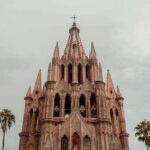
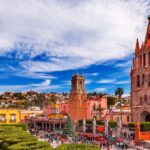
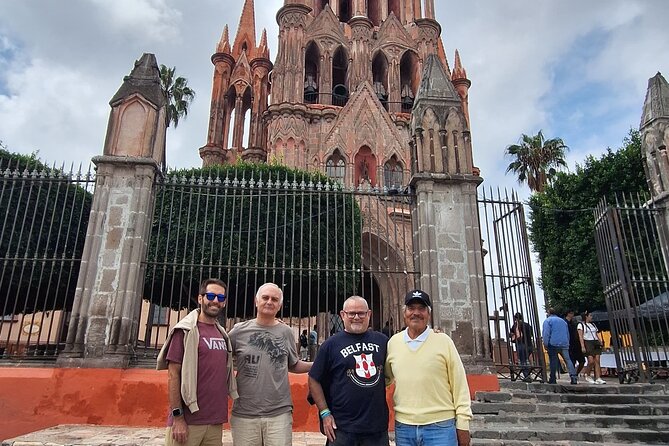
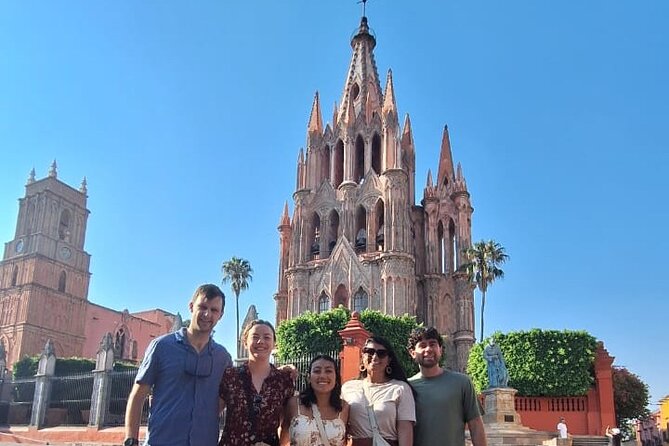
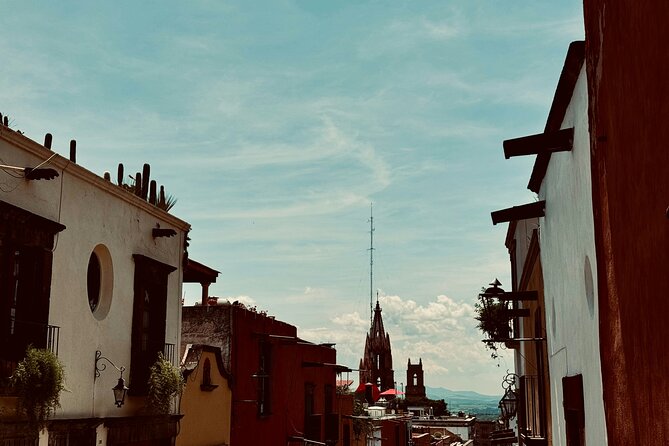
This is the town’s showpiece, the one people point at as the start of the story. The Parroquia de San Miguel Arcángel sits right in the heart of San Miguel and draws visitors for a reason: its exterior is built around Neo-Gothic drama, with a design that took cues from European cathedrals—specifically the Cologne cathedral in Germany.
The timeline is part of the fascination. The parish began in 1555, later rebuilt in 1709 after deterioration, and the current facade was designed by Zeferino Gutiérrez in 1880. That blend of centuries means you’re looking at layers of change, not a single “instant” design.
Inside, don’t rush past the art. You’ll find oil paintings by artists including Juan Rodríguez Juárez, and the church remains a working spiritual center for masses, weddings, and religious festivals. Even if you’re not religious, it’s a powerful place to see how faith and community shaped daily life here.
If you’re photo-minded, go slow for the first look. The facade details are the kind you notice more once you’ve been told what to watch for—towers, angles, and the overall cathedral-like silhouette.
Iglesia de San Rafael and La Santa Escuela de Cristo: stained glass and community purpose
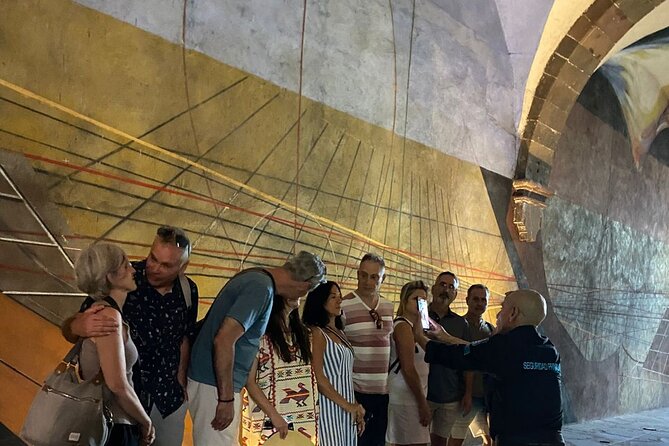
Next you head to the Iglesia de San Rafael area, with a highlight that feels both historic and still alive in the present: La Santa Escuela de Cristo. This is a 16th-century school founded by Juan de Dios, who was a Spanish conquistador and Catholic priest. The whole place carries that “old world instruction” feeling, but with a calm atmosphere that makes it easy to concentrate once you step in.
In the chapel, look for the stained-glass windows and an ornate altarpiece. That combination is what makes the short stop worth it—everything is designed to pull your eyes upward and inward. If you like art and architecture, this is where the tour hits an emotional note rather than only a visual one.
You’ll also have a chance to explore the museum component and see exhibits tied to the school’s history and Juan de Dios’s life. What I find especially meaningful is that the school’s mission didn’t end with the founding story. It continues with spiritual education and community support services to this day.
A practical note: this stop is shorter on the schedule, so if you’re the type who likes to read every placard, prioritize the chapel first and then choose one or two museum areas that interest you most.
Casa del Mayorazgo de Canal: colonial wealth in stone and balconies
Then you shift from churches to architecture-as-a-credential. Casa del Mayorazgo de Canal is an 18th-century mansion, and the outside alone tells you this wasn’t built for casual living. The facade shows ornate stone carvings and elegant balconies, and the effect is instantly “important.”
This building also helps you understand San Miguel’s colonial social structure. The mansion was once home to the wealthy and influential Canal family, who played a significant role in the city’s colonial past. Even though the stop is only around 15 minutes, it’s the kind of scene that sticks with you because it looks like a snapshot of power.
A quick tip: when you’re outside, don’t just look straight ahead. Glance at edges, cornices, and balcony details. Those are the elements that separate a pretty facade from a historically meaningful one.
If you’re traveling with teens or kids, this stop is a good palate cleanser. It’s not another church interior, and the exterior details give them something concrete to spot while you’re moving.
Centro Cultural Ignacio Ramírez El Nigromante: a courtyard break for art and ideas
After the heavier history of church and mansion, you get a more human pause at Centro Cultural Ignacio Ramírez El Nigromante. The center is in a beautiful 19th-century building, and the key feature is the courtyard, a space where performances and outdoor events can happen.
This stop works well because it’s not only “look and move.” You can slow down, check out the library, visit the bookstore, and grab something at the café if it’s available during your visit window. Even if you don’t buy anything, it’s a good place to reset your brain and enjoy the pace.
The center’s name adds another layer. It’s named after Ignacio Ramírez, a Mexican writer, philosopher, and politician born in San Miguel de Allende in 1837. That detail matters because it connects the arts and politics threads of the town, not just its religious architecture.
If you’re the type who writes a travel journal, use this stop as your “thinking break.” You’ll have walked enough streets by then that a few minutes of quiet makes the rest of the day feel smoother.


Church of San Francisco: Churrigueresque drama meets a Neoclassical tower
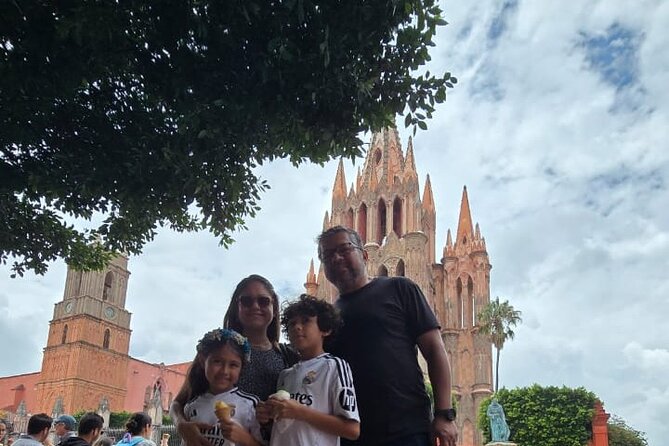
Iglesia de San Francisco gives you an architectural lesson in contrasts. The main facade is pure Churrigueresque, packed with carved stone figures and tapering columns. Churrigueresque is the kind of style that loves detail, and here it shows up like visual noise—beautiful, but intense.
Then the story changes with the bell tower. Built in 1799 by architect Francisco Eduardo Tresguerras, the tower is neoclassical in style. That shift is one of the tour’s best “aha” moments because it shows how tastes and influences changed even within the same religious complex.
Construction began in 1778 and took more than 20 years to complete, which helps explain why the building doesn’t feel like one uniform design language. It feels like a project shaped over time.
You’ll also want to note where it sits: on the corner of San Francisco and Juarez in downtown San Miguel. The patronal feast is celebrated on October 4, which is handy if you’re planning a return visit around a festival.
This stop is ideal for architecture lovers, but it’s also workable for anyone who just wants a strong “main character” building without committing to long museum time.
Calle Aldama: the iconic street for photos, art, and a little street life
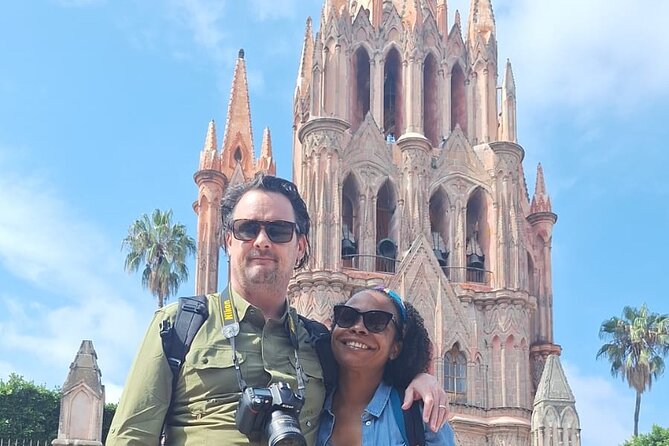
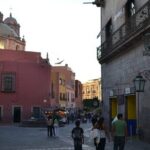
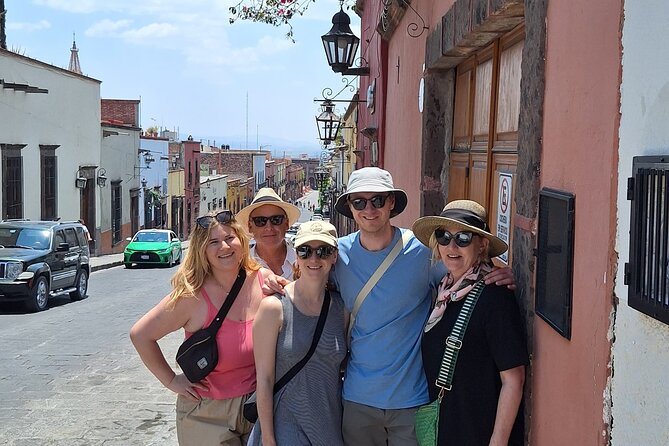
Now you hit the famous walking stretch: Calle Aldama. This is one of the most recognizable streets in San Miguel, named after Ignacio Aldama, a hero from Mexico’s independence movement. The street is lined with colorful colonial-era architecture, shops, restaurants, and a steady flow of local energy.
What makes this stop practical is how many “trip goals” it covers at once. You can shop for local handicrafts, find small galleries and studios, and even spot street performers. And yes, the Parroquia dominates the eastern end, which means this is a great stretch to link the earlier church context to what you’re seeing in the street view.
The duration is about 30 minutes, so it’s enough time to wander without turning it into a lost-afternoon detour. If you time it well, you can get photos that show both building facades and real street activity.
One more kid-friendly angle: this street is the kind where kids can ask questions nonstop. If you’re traveling with them, you’ll likely find they get excited by the shop windows, sculptures, and the endless little details.
Mercado de Artesanías: souvenirs you can feel good about buying
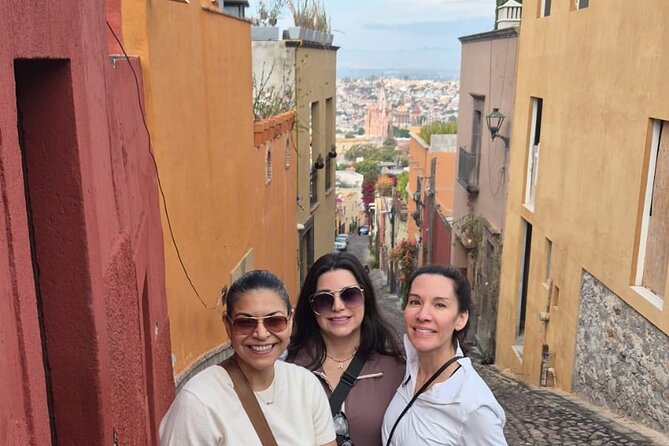
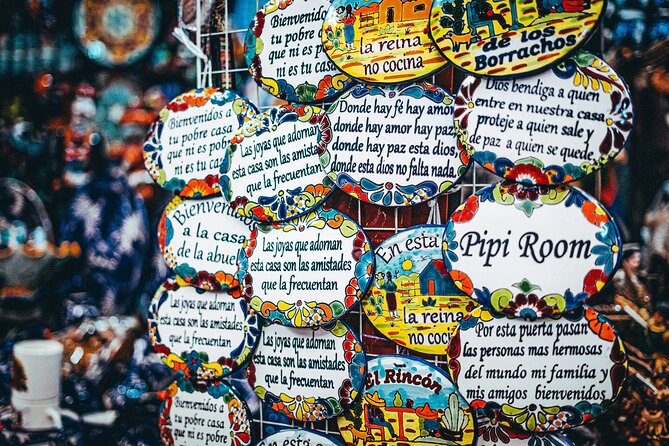
Finally, you stop at Mercado de Artesanías, where craft shopping stops being random. This market is organized around local artisanal traditions, with an emphasis on materials and making techniques you can actually talk about with vendors.
You’ll see colorful textiles, woven baskets, pottery and ceramics, plus paintings and sculptures by local artists. Jewelry and accessories also show up in a strong variety, often made with traditional materials. The idea isn’t just buying; it’s understanding what you’re looking at and meeting the people behind the work.
This is one of the best “value per minute” parts of the day. You’ll get about 40 minutes, which is enough to compare styles and pick something meaningful without rushing. And because the rest of the day is full of architecture, the market adds a different kind of memory—something you can take home.
If you’re budgeting, it helps to set a target before you enter. Pick one or two categories you want (like ceramics or textiles) and then stick to those choices as you browse.
Price and logistics: what $59 really buys you here
At $59 per person for a private tour of about 3 hours, the price makes sense when you break down what’s included. You’re paying for a private professional guide, a route that’s already planned to cover top sites, and support from the moment of booking.
Pickup is offered starting at any hotel or city-center address, and the guide reaches you via WhatsApp as soon as you book. A WhatsApp group is also created one day before your tour. That setup matters more than it sounds, because it reduces friction when you’re trying to enjoy your day instead of coordinating.
You also get a “built-in budget win”: each listed stop includes free admission tickets. That doesn’t mean the day has no costs, but it does mean you’re less likely to get surprised by entry fees mid-walk.
Also look at the bigger promise: 100% customisable. If your group wants more time on one stop, less on another, or a slightly different order, a private guide can adapt. That’s a big deal in San Miguel, where cobblestone pacing and street crowding can change minute to minute.
Getting the most from cobblestones, kids, and pace changes
San Miguel’s cobblestones are charming. They’re also unforgiving. You’ll walk enough that your shoes matter, and you’ll want to treat this like an active cultural day, not a sit-and-watch parade.
A smart move is to tell your guide upfront what pace works for you. Some guides, including Leo, Leonardo, and Isa, have been noted for adapting to the group’s needs, including modifying the route when walking is harder on cobblestones. If you’re traveling with kids (like ages 10 and 13), ask the guide to keep them involved with questions and quick interactions.
Because the tour is private, you can also steer attention to what your group cares about most. If you love architecture, you can ask for more focus on the Neo-Gothic facade details at Parroquia or the Churrigueresque stonework at San Francisco. If you love art, you can spend extra time with the oil paintings inside the Parroquia and pay attention to the stained glass at La Santa Escuela de Cristo.
Bring water, and plan your bathroom break around your calmer stops like the cultural center and market. The short church visits can be photo-friendly, but they don’t replace a rest.
Should you book the Private Tour Guide in San Miguel de Allende?
Book it if you want a fast, organized way to get your bearings and understand why San Miguel’s buildings matter. This is especially good for first-timers, families who want a guide to keep kids engaged, and travelers who prefer learning from a local professional rather than wandering and guessing.
Skip it or modify expectations if you’re hoping for a long, museum-heavy day or deep out-of-town excursions. The route is intentionally compact, with each stop designed to be meaningful without taking the whole afternoon.
If you can handle short walks on cobblestones and you like a mix of churches, architecture, and artisan shopping, this private 3-hour walking tour is a strong match. It’s also easy to justify because free admissions are built into the experience and the guide works with your pace.
FAQ
How long is the private tour?
It runs about 3 hours (approx.).
Is the tour offered in English?
Yes, it’s offered in English.
Do I get pickup in San Miguel de Allende?
Pickup is offered. The tour starts at any hotel or address in the city center of San Miguel de Allende.
Are admission tickets included for the stops?
Yes. The listed stops show free admission tickets for each location on the route.
Is this tour private or shared?
It’s a private tour. Only your group participates.
How will the guide contact me before the tour?
After you book, you’ll be reached by WhatsApp, and a WhatsApp group with your guide is created one day before the tour.
Is there a mobile ticket?
Yes, a mobile ticket is offered.
Are service animals allowed?
Service animals are allowed.
Can I cancel for a full refund?
Yes. Free cancellation is available up to 24 hours in advance for a full refund.
Do I need to book far ahead?
It’s commonly booked about 33 days in advance on average, so booking earlier is a good idea if you have specific dates.