Oaxaca City in three hours is a tight squeeze. This private walk is a smart way to see the big landmarks and the everyday street life without rushing. You start with the Cathedral’s towering interior, step into the Zócalo’s square energy, then work your way through theaters, churches, and two markets.
I particularly love how the tour feels personal: it’s private, it’s guided in English, and it can be adjusted to your interests. And I like that you’re not stuck looking at only monuments; the stops include the pedestrian lanes, church plazas, and food-focused markets where Oaxaca shows up in real life.
One thing to keep in mind: while English is offered, the exact level can vary by guide. If English history and detailed answers matter a lot to you, it’s worth messaging your guide through WhatsApp beforehand to confirm expectations.
In This Review
- Quick hits before you go
- A 3-hour Oaxaca City walking route that actually makes sense
- Starting at Catedral Metropolitana de Oaxaca: stone, organ, and quiet awe
- Zócalo in the daytime and at night: the city’s living room
- Teatro Macedonio de Alcala: history with your ears, not just your eyes
- Andador de Macedonia Alcala: the pedestrian lane for crafts, courtyards, and shortcuts
- Templo de Santo Domingo de Guzmán: a temple you can’t ignore
- Iglesia del Carmen Alto: the view stop that earns its minutes
- Basilica de Nuestra Señora de la Soledad: patron saint devotion, not just architecture
- Two markets: Mercado Benito Juárez and Mercado 20 de Noviembre
- Mercado Benito Juárez
- Mercado 20 de Noviembre
- What you’re really paying for: $54 and the value of a private guide
- English comfort: how to avoid surprises
- Who this tour suits best (and who might prefer something else)
- Should you book this Oaxaca City private 3-hour tour?
- FAQ
- FAQ
- How much does the private tour cost?
- How long is the Oaxaca City tour?
- Is this tour private or shared?
- Do you offer pickup in Oaxaca City?
- Is the tour offered in English?
- What is included, and what is not included?
- How does WhatsApp support work?
Quick hits before you go
- Private guide + custom pacing: only your group, so you can linger when something catches your eye.
- A tour built around walkable anchors: cathedral, Zócalo, major churches, and the historic pedestrian lane.
- Markets that feed the experience: you get a feel for Oaxaca’s food culture even though meals aren’t included.
- WhatsApp support from booking: you’ll get clear contact before you meet.
- Church-and-views sequence: Carmen Alto adds a hill climb, then you circle back to the city center for markets.
A 3-hour Oaxaca City walking route that actually makes sense
This tour is designed for a common travel problem: you arrive in Oaxaca City and everything feels important. You want context, but you don’t want a long day just to find your bearings.
In three hours, you get a focused hit list. You see the dominant colonial churches, the public heart of town (the Zócalo), and the market neighborhoods that make the city feel lived-in. It’s also practical that it’s mostly walking. You’re not bouncing around the city with lots of transit time, so you can spend your energy watching, listening, and deciding what you want to do next on your own.
What you should bring is simple: comfortable shoes. Carmen Alto sits on a hill, and you’ll be on your feet for the whole experience.
Starting at Catedral Metropolitana de Oaxaca: stone, organ, and quiet awe
Your first stop is the Cathedral of Our Lady of the Assumption, a major 16th-century Dominican-built church. The value here isn’t just that it’s old. It’s that you walk in early, before you’ve been worn down by other sights.
Inside, you’ll notice the architecture right away: ornate altarpieces, carved stone details, and stained-glass light. Look up for the vaulted ceiling and frescoes. The tour also points out something many visitors miss: the pipe organ—one of Mexico’s largest.
Drawback to plan for: churches can have busy moments and occasional restrictions. If a section is closed when you arrive, don’t fight it. Ask your guide what’s still worth seeing and what’s best to photograph from where you are.
Zócalo in the daytime and at night: the city’s living room
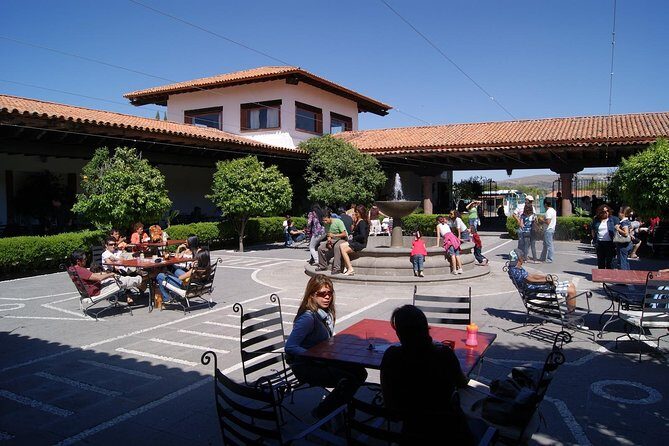
From the Cathedral, the next shift is the Zócalo, Oaxaca’s main square. This stop works because it’s a pattern you’ll recognize later in the day: colonial buildings around a central public space, plus shops and cafés that keep it moving.
If your timing overlaps evening, the square changes mood. That’s one of the nice things about a guided walk: your guide can explain what you’re looking at—local rhythms, traditions, and why this square matters beyond being a photo spot.
Here’s the practical tip: if you’re the kind of traveler who likes to plan where to go next, spend a few minutes on the Zócalo and map your next move. From there, a lot of Oaxaca becomes easier to navigate.
Teatro Macedonio de Alcala: history with your ears, not just your eyes
Next you’ll reach Teatro Macedonio de Alcala, a 19th-century theater. The facade blends neoclassical and art nouveau details, and the guide will connect it to Oaxaca’s cultural identity and music scene.
What I like about this stop is how it’s framed. Instead of treating the theater like a static building, you get a sense of how design supports sound—especially relevant if you’ve ever wondered why some venues feel different.
Time is short here—about five minutes—so use it like a teaser. Get the exterior details, then look at the adjacent plaza where you can ease back into the slower pace with a coffee or snack on your own later.
Andador de Macedonia Alcala: the pedestrian lane for crafts, courtyards, and shortcuts
The Andador de Macedonia Alcala is where the tour becomes more “Oaxaca” and less “museum.” It’s a historic pedestrian walkway lined with colonial-era buildings now used for artisan shops, galleries, and traditional food spots.
This is the stop that helps you understand Oaxaca’s economy and style. You can browse handmade crafts without feeling like you’re doing a shopping chore. You’ll also see street performers and live music, which makes the area feel like a working part of the city, not just a tourist hallway.
One practical advantage: you’ll pass courtyards and side entries. A good guide can steer you toward places you’d probably miss on your own—small galleries, little museums, or quiet corners near Santo Domingo de Guzmán Church.
Templo de Santo Domingo de Guzmán: a temple you can’t ignore
Then you reach Templo de Santo Domingo de Guzman, one of Oaxaca City’s most iconic landmarks. The facade blends Gothic, Renaissance, and indigenous influences, so it doesn’t look like a single European style copied onto Mexican soil.
Construction began in 1555 and took over 200 years to complete. That long timeline helps explain why the building feels like layers—like different ideas got added over time rather than everything being decided at once.
A smart optional add here is the adjacent Museo de las Culturas de Oaxaca. The tour includes time to see the church first, and you can decide whether you want museum time based on your mood that day.
If you’re choosing between taking extra time here or pushing onward, go with your curiosity. This is a stop where standing still for 5 minutes often turns into 15.
Iglesia del Carmen Alto: the view stop that earns its minutes
Iglesia del Carmen Alto sits on a hill, which changes the experience immediately. Even without a grand view described for you, you feel the climb and the shift from street level to a more elevated perspective.
Inside and out, the style is Baroque mixed with Gothic influences. You’ll likely notice intricate stone carvings, ornate decorations, frescoes, and stained-glass. The guide will point out the revered image of Nuestra Señora del Carmen.
There’s also an adjacent convent area that now hosts cultural exhibitions and art galleries. Even if you don’t go in deeply, the location helps you understand how Oaxaca places religious spaces above daily life—almost like a watchful presence over the city.
Basilica de Nuestra Señora de la Soledad: patron saint devotion, not just architecture
Next is the Basilica de Nuestra Senora de la Soledad. This is dedicated to Oaxaca’s patron saint and it shows. The building blends Baroque and indigenous influences, and the dome with its detailed stone carvings is one of those features you notice even when you’re walking quickly.
The tour highlights chapels, ornate altarpieces, and vibrant frescoes. You’ll also learn about the revered image of Our Lady of Solitude, carved from a single piece of mesquite wood.
For timing: there are celebrations on December 18. Even if you’re not there in December, the guide can help you understand why the basilica matters to locals.
Practical note: if you’re traveling during a busy festival period, the basilica area may be crowded. A private guide helps you navigate without feeling stressed.
Two markets: Mercado Benito Juárez and Mercado 20 de Noviembre
By the time you reach the markets, the tour shifts from monuments to the everyday senses of Oaxaca.
Mercado Benito Juárez
This market is a sensory stop—sights, sounds, and aromas. You’ll be able to talk with vendors and learn what to look for. The tour also encourages practicing Spanish, which is one of the fastest ways to turn a market visit into real connection instead of just browsing.
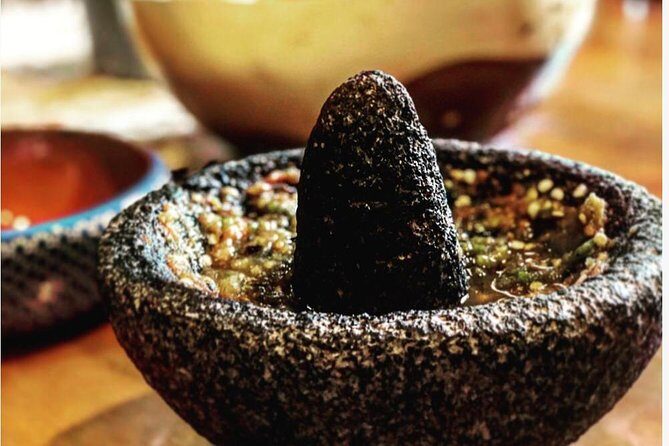
You might see and taste local favorites on your own time (food isn’t included), like tortillas, tlayudas, and mezcal-infused treats. Even if you don’t buy much, you’ll get a feel for what people actually eat and how the market flows.
Mercado 20 de Noviembre
Next is Mercado 20 de Noviembre. It’s another strong sample of Oaxaca flavors and products. You’ll find traditional Oaxacan dishes such as mole, tlayudas, and tacos, plus fresh produce and artisanal goods like textiles, pottery, and wood carvings.
If you love food tours but don’t want a long sit-down meal schedule, this is a good compromise. You can grab small bites, keep moving, and still walk away with a sharper idea of what you want to return for later.
Quick buyer tip: if you see textiles and crafts that interest you, ask what’s handmade and what’s local. A guide can help translate what to look for, even when you’re moving fast.
What you’re really paying for: $54 and the value of a private guide
$54 per person for a 3-hour private guided tour is a reasonable price when you consider what you get:
- A professional guide who can explain what you’re seeing, not just point it out.
- Pickup offered from hotels or apartments in the city center.
- A walking plan that covers multiple major areas in one session.
- WhatsApp support from booking, with a WhatsApp group created a day before so you can coordinate.
- A private format where you’re not squeezed into someone else’s pace.
The main thing not included is food, drinks, transportation, and entrances. Even so, many of the sights are listed as free admission for the experience stops. Still, treat this as: the tour pays for the guide and planning, while you handle purchases and any site costs that apply on the day.
If your goal is to maximize time in Oaxaca and get ideas for the rest of your trip, this price starts to feel like good value.
English comfort: how to avoid surprises
English is explicitly offered, and the tour has a strong rating. In practice, though, English fluency can vary by guide. One prior guest had an issue with limited English speaking and limited history answers.
So here’s what I recommend, plain and simple:
- Send a WhatsApp message after booking and ask for the level of detail you want.
- Mention topics you care about—architecture, church art, local traditions, or food history.
- If you want deep explanations, ask your guide to match that style.
In the best cases, guides such as Verónica, Angel, Oscar, and even Leslie have been praised for being kind, punctual, and helpful with local knowledge and tailored pacing. If you want that warmer, more flexible approach, this tour is set up for it.
Who this tour suits best (and who might prefer something else)
This tour is a great fit if you:
- want an efficient Oaxaca City orientation without a full-day schedule
- like walking but don’t want to guess your way through the city alone
- enjoy churches and plazas, and also want market time for food culture
- want a private guide who can adjust pacing and interests
You might choose differently if you:
- want a long food-focused tour with meals included (this one does not include food)
- want only one or two major sites and lots of time at each (three hours is tight)
- need consistently advanced English historical discussion without any variation (message first to confirm)
Should you book this Oaxaca City private 3-hour tour?
Yes—if you want a smart, high-value orientation walk that mixes architecture, public squares, and markets. The private format plus pickup and WhatsApp support makes it easier than doing it alone, especially on a first day in town.
Book it when:
- you have limited time
- you want to understand where things are and what matters
- you plan to use the tour as a launchpad for the rest of your Oaxaca itinerary
Skip it (or message carefully) when:
- food and entrances are your top priority
- you’re sensitive to any English variation and want it guaranteed in a specific style
FAQ
FAQ
How much does the private tour cost?
The tour costs $54.00 per person.
How long is the Oaxaca City tour?
It lasts about 3 hours.
Is this tour private or shared?
It’s private. Only your group participates.
Do you offer pickup in Oaxaca City?
Yes. Pickup is offered from any hotel or apartment in the city center. The start point is listed at Catedral Metropolitana de Oaxaca Nuestra Señora de la Asunción, and the activity ends back at the meeting point.
Is the tour offered in English?
Yes, it is offered in English.
What is included, and what is not included?
Included: a private professional guide, 100% customizable, and WhatsApp support from booking. Not included: food, drinks, transportation, and entrances.
How does WhatsApp support work?
You get support via WhatsApp from the moment you book. A WhatsApp group with your guide is created one day before the tour.
If you want, tell me your travel dates and what you care about most (church art, markets, shopping, or food). I can suggest how to structure your time around this 3-hour window.